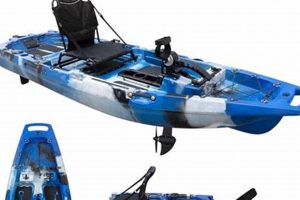
Small, maneuverable watercraft offer a unique approach to pursuing game and angling. These vessels allow access to shallow waters and secluded areas often unreachable by larger boats, providing a stealthy advantage for both hunting waterfowl and fishing in diverse environments.
Utilizing specialized watercraft for these pursuits offers numerous advantages, including enhanced stability, specialized storage for gear and game, and quiet operation that minimizes disturbance to wildlife. Historically, small boats have been integral to subsistence living and continue to evolve with modern materials and design features catering to the specific needs of sportsmen and women.
The subsequent sections will explore essential considerations when selecting a suitable vessel, including hull design, propulsion systems, and safety equipment, as well as ethical considerations and best practices for responsible harvesting of natural resources.
Tips for Watercraft Hunting and Fishing
Careful planning and preparation are crucial for successful and safe outings on the water. The following tips provide valuable guidance for maximizing the effectiveness of these specialized excursions.
Tip 1: Stability is Paramount: Select a watercraft designed for stability, especially when maneuvering with hunting or fishing gear. Consider wider hulls or outrigger systems for enhanced balance.
Tip 2: Prioritize Safety Equipment: Always wear a personal flotation device (PFD) and carry essential safety gear, including a whistle, signaling device, and first-aid kit. Check local regulations for required safety equipment.
Tip 3: Choose Appropriate Propulsion: Consider the environment and target species when selecting a propulsion system. Paddles offer silent maneuverability, while electric motors provide efficient travel over longer distances.
Tip 4: Camouflage and Concealment: Utilize camouflage patterns and natural vegetation to blend seamlessly with the surroundings. Minimize movement and noise to avoid disturbing wildlife.
Tip 5: Secure Gear Properly: Ensure all gear is securely fastened to the watercraft to prevent loss or damage in the event of a capsize. Utilize waterproof storage containers for sensitive equipment.
Tip 6: Respect Wildlife and the Environment: Adhere to ethical hunting and fishing practices, including licensing requirements and harvest limits. Minimize environmental impact by packing out all trash and avoiding disturbance of sensitive habitats.
Tip 7: Plan for Weather Conditions: Check weather forecasts before embarking and be prepared for changing conditions. Dress appropriately in layers and carry rain gear if necessary.
By adhering to these guidelines, enthusiasts can enhance both the success and safety of their water-based hunting and fishing adventures while contributing to the preservation of natural resources.
In conclusion, careful consideration of these factors will contribute significantly to a rewarding and responsible experience.
1. Stability

Stability is a paramount consideration when selecting a kayak for hunting and fishing. A stable platform is essential for casting lines, reeling in fish, taking aim, and making retrieves, all while maintaining balance and preventing capsizing, especially in challenging conditions or when handling equipment.
- Hull Design:
Hull design significantly influences stability. Wider, flatter hulls generally offer greater initial stability, making them suitable for calmer waters and activities requiring less maneuverability. Conversely, narrower, V-shaped hulls provide superior tracking and speed but can be less stable. Pontoon-style hulls offer exceptional stability but sacrifice maneuverability. Selecting the appropriate hull depends on the intended environment and activity.
- Center of Gravity:
Maintaining a low center of gravity is crucial for stability. Proper weight distribution within the kayak, keeping heavier items low and centered, significantly enhances stability. Anglers and hunters should be mindful of their body position, avoiding sudden movements that could shift the center of gravity and compromise balance.
- Water Conditions:
Water conditions, including currents, waves, and wind, significantly impact stability. Calm, flat water presents fewer stability challenges than choppy or fast-moving water. Kayakers should assess water conditions carefully before embarking and choose locations appropriate for their skill level and kayak’s stability characteristics. Adapting paddling techniques and body positioning to prevailing conditions further enhances stability in dynamic environments.
- Added Stability Features:
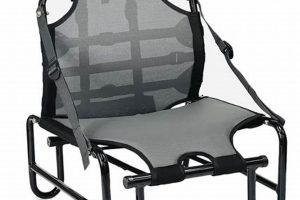
Outriggers, stabilizers, and specialized seating systems can enhance stability. Outriggers provide additional buoyancy and support, particularly beneficial for individuals new to kayaking or those operating in challenging conditions. Stabilizers attach to the hull and improve stability at rest or during slow movements. Specialized seating systems, such as elevated seats, can improve visibility and facilitate casting and shooting but may also raise the center of gravity and require careful balance management.
Prioritizing stability in kayak selection ensures a safe and productive experience for hunters and anglers. Careful consideration of hull design, weight distribution, water conditions, and additional stability features allows individuals to choose a kayak that balances stability with other essential performance characteristics, optimizing their time on the water and contributing to a successful and enjoyable outing.
2. Maneuverability

Maneuverability is a critical factor influencing the effectiveness of kayaks designed for hunting and fishing. The ability to navigate tight spaces, quickly change direction, and precisely position the vessel is essential for accessing prime fishing spots, approaching game stealthily, and responding effectively to changing conditions. Restricted waterways, shallow coves, and areas with dense vegetation often hold the highest concentrations of fish and wildlife. A highly maneuverable kayak allows access to these otherwise inaccessible locations, maximizing hunting and fishing opportunities. For example, navigating through a narrow, winding creek choked with fallen logs necessitates a kayak capable of sharp turns and precise paddling strokes. Similarly, pursuing waterfowl in shallow marshes requires a kayak that can be quickly and quietly maneuvered into position for a clean shot.
Several design elements contribute to kayak maneuverability. Shorter kayaks generally turn more quickly than longer ones due to their reduced waterline length. A kayak’s rocker profile, the curvature of the hull from bow to stern, also affects turning performance. A higher rocker facilitates tighter turns, while a lower rocker enhances tracking and speed in straight lines. The shape of the hull, particularly the keel or lack thereof, further influences maneuverability. A prominent keel improves tracking but can hinder turning, whereas a flat or shallow-V hull allows for quicker turns. Finally, the type of propulsion system can impact maneuverability. Paddle kayaks offer the greatest precision and control for navigating intricate environments, while pedal-drive systems allow hands-free maneuvering, beneficial when simultaneously handling fishing rods or hunting gear.
Understanding the relationship between kayak design and maneuverability empowers hunters and anglers to select the most suitable vessel for their needs. Prioritizing maneuverability is crucial for maximizing access to productive fishing grounds and hunting locations. Consideration of factors such as length, rocker, hull shape, and propulsion type ensures selection of a kayak optimized for navigating the specific environments targeted, thereby increasing the likelihood of a successful and rewarding outing. This knowledge translates directly to improved efficiency and effectiveness in pursuing game and fish, ultimately contributing to a more fulfilling experience on the water.
3. Storage Capacity

Adequate storage capacity is a critical consideration when selecting a kayak for hunting and fishing. These activities necessitate carrying a variety of equipment, including rods, reels, tackle boxes, decoys, firearms, ammunition, safety gear, and potentially harvested game or fish. Insufficient storage can lead to a cluttered cockpit, hindering movement and compromising safety. Well-designed storage solutions maximize space utilization, maintain organization, and protect essential equipment from the elements.
- Dedicated Compartments:
Purpose-built compartments offer secure and organized storage for specific items. Rod holders protect fishing rods from damage and keep them readily accessible. Tackle storage compartments offer organized space for lures, hooks, and other small items. Dry storage compartments safeguard sensitive electronics, ammunition, and other items requiring protection from water. Specialized compartments contribute to a clutter-free cockpit, enhancing both efficiency and safety.
- Tank Wells and Cargo Areas:
Tank wells, located behind the seat, and cargo areas, typically at the bow or stern, provide versatile storage for larger items such as coolers, dry bags, and game bags. Bungee cords or tie-down straps secure these items, preventing shifting during transit. Tank wells often accommodate larger items, while cargo areas provide additional space for gear or harvested game. The size and configuration of these areas influence the kayak’s overall carrying capacity.
- Weight Capacity and Distribution:
Understanding a kayak’s weight capacity is crucial. Exceeding this limit compromises stability and performance. Evenly distributing weight within the kayak maintains balance and prevents tipping. Considering the combined weight of the kayaker, gear, and potential harvest is essential for safe and efficient operation. Proper weight distribution not only enhances stability but also optimizes the kayak’s tracking and maneuverability.
- Accessibility and Security:
Easy access to stored gear is paramount for efficient hunting and fishing. Well-placed hatches and compartments allow quick retrieval of essential items without disrupting balance or requiring awkward reaching. Secure closures prevent water intrusion and protect gear from loss or damage. Accessibility combined with secure storage systems ensures that equipment remains readily available while protected from the elements and potential loss.
Careful consideration of storage capacity and features significantly enhances the overall experience. A well-organized kayak allows hunters and anglers to focus on their pursuits rather than managing gear. Prioritizing adequate and accessible storage contributes to a safer, more efficient, and ultimately more successful outing on the water. Selecting a kayak with appropriate storage solutions directly impacts the ability to carry necessary equipment, maintain organization, and maximize time spent pursuing game and fish.
4. Stealth

Stealth is a critical factor in the effectiveness of hunting and fishing from a kayak. Minimizing noise, visual presence, and other disturbances significantly increases the likelihood of approaching wildlife undetected, resulting in improved hunting and fishing success. A stealthy approach allows closer proximity to target species, increasing opportunities for observation, accurate casting or shooting, and ultimately, a more rewarding experience.
- Noise Reduction
Minimizing noise is paramount for maintaining stealth. Kayaks offer inherent advantages over motorized boats due to their quiet operation. However, even subtle noises, such as paddle drips, hull slap against the water, and gear shifting, can alert wildlife. Choosing paddles with quiet blade designs, using drip rings to prevent water from running down the shaft, and securing gear to minimize rattling contribute significantly to noise reduction. Careful paddle strokes and slow, deliberate movements further minimize disturbance, enhancing the chances of approaching wildlife undetected.
- Visual Camouflage
Visual camouflage is essential for blending seamlessly with the environment. Kayak color plays a significant role; muted earth tones, greens, and browns effectively blend with natural surroundings. Camouflage clothing and gear further reduce visual detection. Avoiding bright colors and reflective surfaces minimizes visibility, increasing the likelihood of remaining undetected by both prey and predators. Utilizing natural cover, such as overhanging vegetation and shadows, further enhances concealment and contributes to a successful stealth approach.
- Minimizing Movement
Excessive or sudden movements can easily alert wildlife. Slow, deliberate movements are crucial for maintaining a low profile. Avoiding jerky paddling strokes and abrupt changes in direction minimizes disturbances in the water and surrounding vegetation. Remaining still and patient when wildlife is nearby significantly increases observation opportunities and improves the chances of a successful hunt or fishing experience. Practicing smooth, controlled movements is essential for maximizing stealth and effectiveness.
- Scent Control
While often overlooked, scent control can be a crucial aspect of stealth, particularly when hunting. Animals rely heavily on their sense of smell, and human odors can easily alert them to potential danger. Minimizing the use of scented products, such as perfumes and lotions, is advisable. Washing clothing and gear with unscented detergent helps eliminate human odors. Utilizing scent-masking sprays or natural scents, such as cedar or pine, can further reduce detection. Careful attention to scent control enhances stealth and increases the likelihood of a successful hunt.
By implementing these stealth techniques, kayakers can significantly improve their hunting and fishing success rates. A comprehensive understanding of noise reduction, visual camouflage, movement minimization, and scent control allows for a more effective and rewarding experience on the water. These practices not only enhance the ability to approach wildlife undetected but also foster a deeper connection with the natural environment, contributing to a more immersive and fulfilling outdoor experience.
5. Propulsion
Propulsion systems significantly influence the effectiveness and suitability of kayaks for hunting and fishing. The choice of propulsion directly impacts access, maneuverability, stealth, and overall efficiency on the water. Different propulsion methods offer distinct advantages and disadvantages depending on the specific environment, target species, and individual preferences.
Paddle propulsion, the most traditional method, offers excellent maneuverability and precise control, particularly beneficial in tight spaces, shallow water, and areas with dense vegetation. Paddles allow for quiet movement, crucial for stealth approaches when hunting or fishing wary species. However, paddling requires physical exertion and can limit range, especially in challenging conditions or over long distances. For instance, navigating a narrow, winding creek choked with fallen logs necessitates the precise control offered by paddles. Conversely, traversing larger bodies of water or covering significant distances may necessitate alternative propulsion methods.
Pedal-drive systems provide hands-free propulsion, allowing anglers to focus on fishing or hunters to maintain weapon readiness. These systems offer greater speed and efficiency than paddling over longer distances, reducing fatigue and expanding access to more remote locations. However, pedal-drive kayaks often have higher initial costs and may be less maneuverable in tight quarters compared to paddle kayaks. Navigating open water or trolling along a shoreline benefits significantly from the speed and efficiency of a pedal drive, while sight fishing or casting to specific targets benefits from the hands-free operation. Electric motors offer the greatest speed and range, allowing access to distant fishing grounds and hunting areas. These systems require minimal physical effort and excel in challenging conditions such as strong currents or headwinds. However, electric motors add weight and complexity, increasing the kayak’s cost and potentially impacting maneuverability. Additionally, motor noise can compromise stealth, potentially disturbing wildlife. Long-distance travel, traversing large bodies of water, or battling adverse weather conditions benefits from the power and range of an electric motor.
Selecting the appropriate propulsion system requires careful consideration of individual needs, target environments, and desired fishing or hunting styles. Understanding the advantages and disadvantages of each propulsion method allows for informed decision-making and selection of the most suitable kayak for maximizing efficiency, effectiveness, and overall enjoyment on the water.
6. Safety Features

Safety features are paramount when selecting a kayak for hunting and fishing. These activities often take place in remote locations, sometimes under challenging conditions, increasing the importance of safety considerations. Prioritizing safety features mitigates risks, enhances self-sufficiency, and contributes to a more secure and enjoyable experience.
- Personal Flotation Devices (PFDs)
PFDs are essential safety equipment for any kayaking activity, especially hunting and fishing. A properly fitted PFD provides buoyancy and support in the event of a capsize, increasing the chances of survival in cold water or challenging conditions. Selecting a PFD designed for paddling, with unrestricted arm movement, enhances comfort and mobility while fishing or hunting. Regularly inspecting PFDs for wear and tear ensures their effectiveness in emergency situations.
- Communication Devices
Carrying communication devices is crucial for summoning assistance in emergencies. Whistles provide a simple and effective means of signaling distress. Waterproof VHF radios or satellite messengers enable communication with emergency services or other boaters, especially in remote locations with limited cellular coverage. Ensuring communication devices are readily accessible and in working order is essential for preparedness in unforeseen situations.
- Navigation and Lighting
Navigation aids and lighting equipment contribute significantly to safety, especially in low-light conditions or unfamiliar waters. A compass and chart, or a GPS device, provide essential navigational guidance. Carrying a waterproof headlamp or flashlight aids visibility during early morning or late evening outings. Navigation lights, required by regulations in many areas, enhance visibility to other boaters, reducing the risk of collisions, particularly in low-light or foggy conditions.
- Safety Equipment and First-Aid
Carrying essential safety equipment and a well-stocked first-aid kit is crucial for addressing minor injuries or emergencies. A bilge pump or bailing device helps remove water from the kayak in the event of a capsize or wave intrusion. A paddle float assists with re-entry after a capsize. A basic first-aid kit, including bandages, antiseptic wipes, pain relievers, and any personal medications, allows for immediate treatment of minor injuries. Regularly checking and replenishing safety equipment and first-aid supplies ensures preparedness for unexpected situations.
Prioritizing these safety features significantly enhances preparedness and mitigates potential risks associated with kayak hunting and fishing. A comprehensive safety approach contributes to a more secure and enjoyable experience, allowing hunters and anglers to focus on their pursuits with greater confidence and peace of mind. Investing in appropriate safety equipment and developing a comprehensive safety plan demonstrates responsible outdoor practices and contributes to a positive and sustainable relationship with the natural environment.
Frequently Asked Questions
Addressing common inquiries regarding the utilization of kayaks for hunting and fishing can provide clarity and enhance understanding of this specialized pursuit.
Question 1: What type of kayak is best suited for hunting and fishing?
Optimal kayak selection depends on individual needs and target environments. Sit-on-top kayaks offer inherent stability and self-bailing capabilities, advantageous for anglers. Wider, more stable hulls are generally preferred for activities requiring less maneuverability, while longer kayaks offer increased speed and tracking for covering greater distances. Specialized fishing kayaks often feature integrated rod holders, tackle storage, and other angler-specific amenities.
Question 2: What safety precautions are essential when kayak hunting and fishing?
Wearing a personal flotation device (PFD) is paramount. Carrying essential safety gear, including a whistle, signaling device, first-aid kit, and communication device, is crucial. Checking weather forecasts before embarking and informing someone of the intended location and return time are also essential safety practices.
Question 3: What are the advantages of using a kayak for these activities?
Kayaks offer access to shallow, secluded areas often inaccessible to larger boats, providing a stealthy approach for hunting and fishing. Their quiet operation minimizes disturbance to wildlife. Kayaks are generally more affordable and require less maintenance than motorized boats.
Question 4: What essential gear is recommended for kayak hunting and fishing?
Essential gear includes appropriate fishing tackle or hunting equipment, a dry bag for storing sensitive items, a cooler for preserving harvested game or fish, and appropriate clothing for anticipated weather conditions. Specialized gear, such as anchor systems or stake-out poles, can further enhance stability and positioning.
Question 5: Are there specific regulations regarding kayak hunting and fishing?
Regulations vary by location. Obtaining necessary licenses and permits for hunting and fishing is essential. Adhering to catch limits and size restrictions ensures responsible harvesting of natural resources. Familiarizing oneself with local regulations regarding watercraft operation and safety equipment is crucial.
Question 6: How does one transport and store a kayak for hunting and fishing?
Kayak transportation options include roof racks, trailers, and truck bed systems. Securely fastening the kayak during transport prevents damage and ensures safe travel. Storing kayaks in a protected environment, away from direct sunlight and extreme temperatures, prolongs their lifespan. Proper storage practices prevent warping, fading, and other damage.
Understanding these key aspects contributes significantly to informed decision-making and a safer, more rewarding experience on the water.
Further exploration of specific techniques and considerations will follow.
Kayak for Hunting and Fishing
Specialized kayaks offer a unique and effective approach to hunting and fishing, providing access to secluded waterways while minimizing disturbance to wildlife. Careful consideration of stability, maneuverability, storage capacity, stealth, propulsion systems, and safety features is essential for selecting the appropriate vessel and maximizing success. Understanding relevant regulations and ethical considerations ensures responsible engagement with natural resources. Preparation, including appropriate gear selection and safety precautions, contributes significantly to a safe and rewarding experience.
The evolving landscape of outdoor pursuits necessitates continuous adaptation and refinement of techniques. Embracing advancements in kayak design and technology while adhering to ethical principles ensures the sustainability of these activities for future generations. Responsible engagement with the natural environment fosters a deeper appreciation for its preservation and contributes to a more fulfilling and sustainable human-nature interaction.