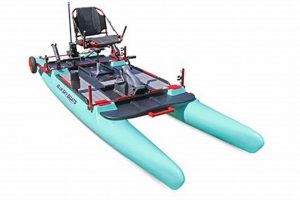
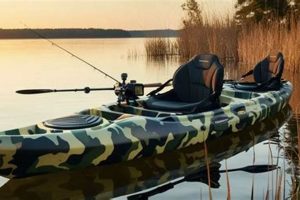
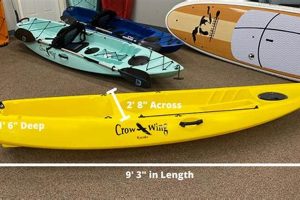
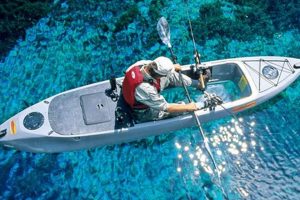
Inflatable kayaks designed for fishing offer anglers a portable and convenient way to access various waterways. These vessels typically incorporate features like rod holders, storage compartments, and high-pressure air chambers for stability. A typical example might include multiple air chambers, adjustable seats, and specialized mounts for fishing accessories.
The portability and affordability of these watercraft have broadened the accessibility of the sport. Easily transported and stored, they eliminate the need for roof racks or large storage spaces, appealing to those with limited space or seeking a simple setup. This ease of use has contributed to their rising popularity in recent years, providing a practical alternative to traditional hard-shell kayaks, particularly for recreational fishing.
This article will delve further into specific features, advantages, disadvantages, and various models available in the market, providing a comprehensive guide for anglers considering this type of watercraft.
Tips for Inflatable Fishing Kayak Use
Proper usage and maintenance ensure optimal performance and longevity of inflatable fishing kayaks. The following tips offer guidance for safe and enjoyable fishing excursions.
Tip 1: Inflation to Proper Pressure: Ensure the kayak is inflated to the manufacturer’s recommended pressure. Underinflation can compromise stability, while overinflation may damage seams. Use a pressure gauge for accurate measurement.
Tip 2: Regular Inspection for Leaks: Before each outing, inspect the kayak for leaks or damage. Address any issues promptly using appropriate repair kits. Pay close attention to seams and valves.
Tip 3: Proper Storage: Store the deflated kayak in a cool, dry place away from direct sunlight and sharp objects. Proper storage prolongs the life of the material and prevents premature degradation.
Tip 4: Secure Gear Properly: Utilize integrated D-rings and straps to secure gear and equipment. Prevent items from shifting during movement, maintaining balance and stability.
Tip 5: Choose Appropriate Waters: Select fishing locations suitable for inflatable kayaks. Consider water conditions, currents, and potential hazards. Avoid areas with sharp rocks or strong rapids.
Tip 6: Wear a Personal Flotation Device (PFD): Always wear a properly fitted PFD. Safety is paramount, regardless of swimming ability or water conditions.
Tip 7: Be Mindful of Weather Conditions: Check weather forecasts before embarking on fishing trips. Avoid venturing out in adverse conditions such as high winds or storms.
Tip 8: Practice Launching and Landing: Familiarize oneself with launching and landing techniques in calm, shallow water before venturing into more challenging environments. This can help prevent capsizing and ensure a smooth experience.
Adhering to these practices enhances safety and ensures long-lasting performance, allowing for enjoyable and productive fishing experiences.
By following these guidelines, anglers can maximize the benefits of their inflatable fishing kayaks and focus on the enjoyment of the sport.
1. Portability

Portability stands as a defining characteristic of inflatable fishing kayaks, significantly influencing their appeal and practicality. This feature allows anglers to access a wider range of fishing locations, regardless of vehicle type or storage limitations.
- Compact Storage:
Deflated, these kayaks occupy minimal storage space. They can be easily packed into trunks of cars, closets, or even carried as backpacks. This compact nature eliminates the need for dedicated storage solutions required by traditional hard-shell kayaks, making them ideal for individuals with limited space.
- Ease of Transport:
Lightweight and compact when deflated, transport is simplified. Carrying them to remote fishing spots inaccessible by larger vessels becomes feasible. This portability expands fishing opportunities, allowing anglers to explore diverse waterways.
- Quick Setup and Breakdown:
Inflation and deflation processes are typically straightforward and efficient. Rapid setup and breakdown minimize preparation time, allowing anglers to focus on fishing. This efficiency contributes to the overall convenience of using inflatable fishing kayaks.
- Travel Convenience:
Whether by car, plane, or other modes of transportation, inflatable kayaks travel easily. This makes them ideal companions for fishing trips further afield, expanding horizons for angling adventures.
The portability inherent in inflatable fishing kayaks unlocks new possibilities for anglers. By overcoming traditional barriers of transport and storage, these versatile vessels broaden access to diverse fishing locations, offering a convenient and adaptable approach to the sport.
2. Stability

Stability is a critical performance attribute in inflatable fishing kayaks, directly impacting angler safety, comfort, and fishing effectiveness. A stable platform allows for confident casting, reeling, and maneuvering, essential for a successful and enjoyable fishing experience. Various design elements contribute to the overall stability of these vessels.
- Multiple Air Chambers:
Multiple independent air chambers enhance stability and safety. Should one chamber be punctured, the others maintain buoyancy, preventing complete deflation and allowing the angler to return to shore safely. This compartmentalized design is crucial for mitigating risks associated with punctures or leaks.
- Wide Beam and Flat Bottom:
Inflatable fishing kayaks often feature a wider beam (width) and flatter bottom than recreational models. This design characteristic increases the kayak’s footprint on the water, enhancing primary stability (resistance to initial tipping). The wider base provides a more stable platform, particularly beneficial when casting or landing fish.
- Drop-Stitch Construction:
Drop-stitch construction, involving thousands of internal threads connecting the top and bottom layers, allows for high-pressure inflation, creating a rigid structure. This rigidity contributes to secondary stability (the ability to recover from tipping) and provides a more solid, responsive feel compared to less rigid inflatable structures.
- Outriggers and Stabilizers (Optional):
Some inflatable fishing kayaks offer optional outriggers or stabilizers that can be attached for enhanced stability. These additions broaden the base of support, further reducing the likelihood of tipping, particularly helpful in challenging conditions or for anglers seeking maximum stability. They are especially advantageous for stand-up fishing.
The stability of an inflatable fishing kayak directly influences its suitability for various fishing conditions and angler preferences. Understanding the factors contributing to stability allows for informed decisions when selecting a model, ensuring a safe, comfortable, and productive fishing experience. Prioritizing stability ensures confident maneuvering and contributes to overall fishing enjoyment.
3. Durability
Durability is a paramount concern for inflatable fishing kayaks, directly influencing their lifespan and overall value. These vessels must withstand abrasion, impacts, and exposure to various environmental factors. Material selection, construction techniques, and user care significantly impact the kayak’s ability to resist damage and maintain performance over time. A durable kayak ensures consistent performance, minimizes repair needs, and ultimately provides a greater return on investment.
Modern inflatable fishing kayaks typically utilize durable materials like PVC (polyvinyl chloride) and Hypalon. PVC offers a good balance of affordability and abrasion resistance, while Hypalon is known for its exceptional resistance to UV rays, chemicals, and extreme temperatures. Reinforced seams, often utilizing multiple layers of material and advanced bonding techniques, further enhance the kayak’s ability to withstand stress and prevent leaks. Proper inflation and deflation practices, along with careful handling and storage, are essential for maintaining the integrity of the materials and maximizing the kayak’s lifespan. For example, dragging the inflated kayak across rough surfaces can cause abrasion, while improper storage in extreme temperatures can degrade the material over time.
Understanding the factors that contribute to durability allows for informed purchasing decisions and promotes responsible ownership. By selecting a kayak constructed from durable materials and adhering to recommended care practices, anglers can ensure long-lasting performance and maximize the value of their investment. Durability directly correlates with the kayak’s ability to withstand the rigors of regular use and the demands of various fishing environments. This, in turn, contributes to a positive and reliable fishing experience.
4. Storage
Storage considerations are integral to the ownership experience of a blow-up fishing kayak. The compact nature of these vessels when deflated presents significant advantages compared to traditional hard-shell kayaks. Understanding storage requirements and best practices ensures convenient storage and contributes to the longevity of the kayak.
- Deflated Size and Weight:
The primary advantage of inflatable kayaks lies in their compact deflated size and reduced weight. This allows for easy storage in spaces where traditional kayaks would be impractical, such as closets, car trunks, or even under beds. This compact nature simplifies storage logistics for individuals with limited storage capacity.
- Storage Bag and Accessories:
Most inflatable fishing kayaks come with a dedicated storage bag, facilitating organized packing and transport. Properly storing the kayak, pump, and accessories within the designated bag protects the material from damage during transport and storage. Consider the size and design of the storage bag for ease of handling and storage.
- Environmental Considerations:
Proper storage practices safeguard the kayak’s materials from environmental degradation. Storing the deflated kayak in a cool, dry place, away from direct sunlight, extreme temperatures, and sharp objects, helps prevent material degradation, preserving its integrity and extending its lifespan.
- Long-Term Storage:
For extended periods of storage, ensure the kayak is clean and dry before packing. Loosely folding or rolling the kayak, rather than tightly creasing, helps prevent permanent creases and stress on the material. Periodically inspecting the stored kayak for signs of damage or moisture further contributes to long-term preservation.
Efficient storage practices are crucial for maintaining the condition and extending the lifespan of inflatable fishing kayaks. The compact nature of these vessels offers significant storage advantages, simplifying logistics and expanding accessibility for individuals with limited storage space. Proper storage contributes to the overall ownership experience, ensuring the kayak remains in optimal condition for future fishing excursions.
5. Fishing Features

Specialized features distinguish inflatable fishing kayaks from recreational models, enhancing their utility and effectiveness for angling. These features cater specifically to the needs of anglers, improving comfort, organization, and overall fishing performance. The thoughtful integration of these features directly impacts the angler’s experience and success on the water.
- Rod Holders:
Integrated rod holders, often adjustable and strategically positioned, provide secure storage for fishing rods while paddling or preparing tackle. Flush-mount rod holders minimize interference while trolling, while adjustable holders accommodate various rod lengths and fishing techniques. The availability of multiple rod holders allows anglers to carry several rods rigged for different target species or fishing styles.
- Storage Options:
Dedicated storage compartments, including dry bags, bungee cords, and tackle storage areas, keep essential gear organized and accessible. Dry storage protects sensitive items like electronics and wallets, while bungee cords secure larger items like tackle boxes or coolers. Ample storage capacity allows anglers to carry sufficient gear for extended fishing trips.
- Mounting Points and D-Rings:
Strategically placed mounting points and D-rings facilitate the attachment of fish finders, GPS units, anchors, and other accessories. These secure attachment points allow anglers to customize their setup based on individual needs and preferences. Securely mounting essential electronics enhances fishing effectiveness and situational awareness.
- Fishing-Specific Seats:
Elevated and adjustable seats improve comfort and visibility, contributing to a more enjoyable and less fatiguing fishing experience. Adjustable seating positions accommodate varying angler heights and fishing styles. Comfortable seating enhances endurance, allowing anglers to fish for longer periods with reduced strain.
These specialized features contribute directly to the effectiveness and enjoyment of inflatable fishing kayaks. The considered inclusion of these features enhances the overall fishing experience, providing anglers with the tools and organization necessary for successful and comfortable outings. By carefully evaluating these features, anglers can choose a kayak that best aligns with their individual fishing styles and preferences.
6. Affordability
Affordability represents a key advantage of inflatable fishing kayaks, contributing significantly to their accessibility within the angling community. Cost considerations play a crucial role in purchasing decisions, and the relative affordability of these kayaks compared to traditional hard-shell counterparts expands fishing opportunities for a broader audience. Examining the various facets of affordability provides a comprehensive understanding of the cost-saving potential of inflatable fishing kayaks.
- Initial Purchase Price:
Inflatable fishing kayaks generally have a lower initial purchase price than comparable hard-shell models. This lower entry cost makes them an attractive option for beginners or anglers on a budget. The price difference can be substantial, allowing anglers to allocate funds towards other essential fishing gear or accessories.
- Reduced Storage and Transportation Costs:
The compact nature of inflatable kayaks eliminates the need for expensive roof racks, trailers, or dedicated storage facilities often required for hard-shell kayaks. This translates to significant cost savings over time, eliminating recurring expenses associated with storage and transport. The ease of transport also reduces fuel costs associated with transporting larger, heavier kayaks.
- Maintenance and Repair Costs:
While routine maintenance is essential for any kayak, inflatable models generally require less frequent and less costly repairs compared to hard-shell kayaks. Minor punctures can often be repaired with readily available patch kits, minimizing downtime and expense. The relatively simple construction of inflatable kayaks simplifies repairs, often allowing for DIY solutions.
- Resale Value:
While depreciation occurs with any recreational equipment, inflatable fishing kayaks often retain a reasonable resale value, particularly if well-maintained. This allows anglers to recoup a portion of their initial investment should they decide to upgrade or transition to a different fishing platform in the future. A strong resale market contributes to the overall value proposition of inflatable fishing kayaks.
The affordability of inflatable fishing kayaks contributes significantly to their appeal, making them a viable option for a wider range of anglers. By considering the various aspects of cost savings, from initial purchase price to long-term maintenance, the economic advantages of inflatable kayaks become clear. This accessibility expands fishing opportunities, allowing more individuals to experience the enjoyment and rewards of the sport without significant financial barriers. The combination of affordability and performance makes inflatable fishing kayaks a compelling choice for both novice and experienced anglers.
Frequently Asked Questions
This section addresses common inquiries regarding inflatable fishing kayaks, providing concise and informative responses to facilitate informed decision-making and responsible ownership.
Question 1: How durable are inflatable fishing kayaks compared to traditional hard-shell kayaks?
While hard-shell kayaks offer inherent rigidity, modern inflatable kayaks constructed from durable materials like PVC and Hypalon demonstrate remarkable resilience. Reinforced seams and advanced construction techniques further enhance their resistance to punctures and abrasion. Proper care and maintenance ensure comparable longevity.
Question 2: Are inflatable fishing kayaks stable enough for standing and casting?
Stability varies depending on design and construction. Models with wider beams, flat bottoms, and drop-stitch construction offer enhanced stability suitable for standing and casting. Optional outriggers further enhance stability for anglers seeking maximum platform stability.
Question 3: How long does it take to inflate and deflate an inflatable fishing kayak?
Inflation and deflation times typically range from 5 to 15 minutes, depending on the kayak’s size and the type of pump used. High-volume pumps significantly expedite the process. Practice improves efficiency.
Question 4: What type of water conditions are suitable for inflatable fishing kayaks?
Inflatable fishing kayaks perform well in calm lakes, slow-moving rivers, and protected coastal waters. While some models handle moderate chop, they are generally not recommended for challenging whitewater conditions or open ocean environments.
Question 5: How do I repair a puncture in an inflatable fishing kayak?
Most inflatable kayaks include repair kits containing patches and adhesive. Locating and cleaning the damaged area, applying the patch, and allowing sufficient drying time typically resolves minor punctures. For larger tears or complex repairs, consulting professional repair services is recommended.
Question 6: What safety precautions should be taken when using an inflatable fishing kayak?
Always wear a personal flotation device (PFD). Check weather conditions before embarking on fishing trips. Carry a whistle or other signaling device. Inform someone of your intended fishing location and estimated return time. Adhering to safe boating practices ensures a safe and enjoyable fishing experience.
Addressing these common concerns provides a foundation for understanding the capabilities and limitations of inflatable fishing kayaks. Thorough research and careful consideration empower informed decisions, ensuring angler safety and satisfaction.
The subsequent sections will delve into specific models, offering detailed reviews and comparisons to further assist in the selection process.
Inflatable Fishing Kayaks
Inflatable fishing kayaks offer a compelling blend of portability, affordability, and performance. This exploration has highlighted their key advantages, including ease of transport and storage, specialized fishing features, and durable construction. Considerations regarding stability, maintenance, and appropriate usage scenarios empower informed purchasing decisions. From calm lakes to slow-moving rivers, these versatile vessels expand access to diverse fishing environments.
The evolving landscape of angling increasingly embraces inflatable kayaks as a practical and effective fishing platform. As technology advances and designs continue to refine, inflatable fishing kayaks are poised to remain a prominent force in the future of recreational fishing, offering anglers a dynamic and adaptable approach to pursuing their passion.