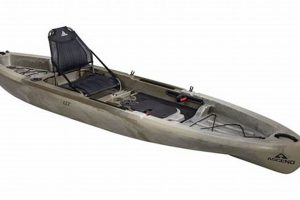
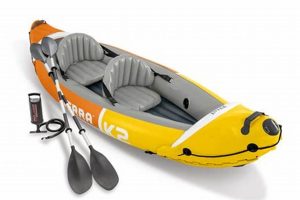
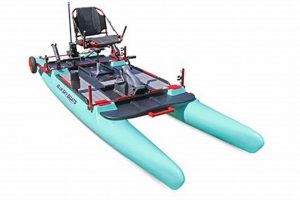
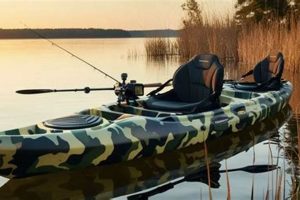
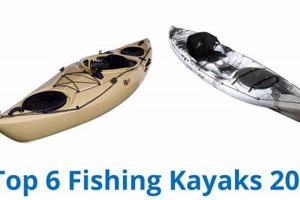
This activity involves angling from a small, human-powered watercraft within the protected waters of a specific coastal embayment. Huntington Harbor offers a unique blend of calm water and diverse marine life, creating an ideal environment for this pursuit. The harbor’s sheltered nature provides comfortable conditions for anglers of varying skill levels.
The relatively shallow, calm waters of this location provide excellent access to a variety of fish species, including halibut, calico bass, and spotted bay bass. The harbors proximity to the Pacific Ocean also allows for tidal influences that bring in nutrients and baitfish, attracting larger predatory fish. This accessibility fosters a thriving local angling community and contributes to the harbor’s recreational value. Historically, the area has supported various forms of fishing, and the growing popularity of this specific approach reflects a modern adaptation to the unique characteristics of this environment.
Further exploration of this topic will encompass practical considerations such as appropriate gear, recommended launch points, local regulations, and the ecological importance of responsible angling within this sensitive estuarine ecosystem.
Tips for a Successful Outing
Careful planning and preparation contribute significantly to a productive and enjoyable experience. The following tips offer valuable insights for anglers of all skill levels.
Tip 1: Check Tide Charts: Understanding tidal flows is crucial. Incoming tides often bring clearer water and active fish, while outgoing tides can concentrate fish in channels. Consult local tide charts before embarking.
Tip 2: Utilize a Fish Finder: Employing a fish finder can greatly enhance the ability to locate fish and understand the underwater terrain. Portable units are readily available and adaptable to kayaks.
Tip 3: Choose Appropriate Tackle: Light to medium tackle is generally recommended. Consider using live bait or lures that mimic common prey species in the harbor.
Tip 4: Observe Local Regulations: Familiarize oneself with all applicable fishing regulations, including licensing requirements and size/bag limits for specific species. This ensures responsible and legal angling practices.
Tip 5: Prioritize Safety: Always wear a personal flotation device (PFD) and carry essential safety equipment, including a whistle, a first-aid kit, and a communication device. Inform someone of intended fishing locations and estimated return time.
Tip 6: Respect the Environment: Practice catch-and-release whenever possible. Properly dispose of fishing line and other debris to maintain the harbor’s ecological integrity.
Tip 7: Be Mindful of Other Harbor Users: Maintain a safe distance from other boats and avoid congested areas. Respect private property and designated no-fishing zones.
By adhering to these guidelines, anglers can maximize their chances of success while contributing to a safe and sustainable harbor environment. Planning and responsible practices are essential for a positive and rewarding experience.
Careful consideration of these tips, combined with proper preparation, will contribute significantly to a safe and enjoyable outing.
1. Quiet Approach

A quiet approach is paramount for successful kayak fishing within Huntington Harbor. The harbor’s relatively shallow waters and diverse fish populations, including halibut, calico bass, and spotted bay bass, necessitate minimal disturbance. Kayaks, by their nature, offer a stealthy advantage over motorized boats, allowing anglers to navigate closer to fish without creating disruptive noise or vibrations. This is particularly crucial when targeting species sensitive to sound, which can readily spook in shallow, clear water environments. For example, approaching a shallow flat where halibut are known to feed requires minimizing paddle strokes and avoiding sudden movements that could transmit vibrations through the water. The quiet nature of kayak fishing thus becomes a defining feature of its effectiveness in Huntington Harbor.
This advantage extends beyond the initial approach. Maintaining a quiet presence while fishing is equally important. Loud noises from dropped tackle, excessive movement within the kayak, or even conversations can deter fish from biting or cause them to scatter. Consider the scenario of sight fishing for calico bass near a kelp bed. A quiet approach allows the angler to position the kayak strategically and make precise casts without alarming the fish, increasing the likelihood of a successful hookup. Understanding the significance of minimizing noise in all phases of kayak fishing, from initial approach to actively fishing, is key to maximizing catch rates in Huntington Harbor.
The quiet approach afforded by kayaks in Huntington Harbor translates to a heightened angling experience and contributes to the harbor’s ecological balance. It allows for closer interaction with the marine environment and promotes a more natural fishing experience. While challenging at times, mastering the techniques for quiet paddling and maintaining a low profile on the water are essential skills that contribute significantly to success. This understanding underscores the inherent connection between a stealthy approach and effective angling in this unique estuarine environment.
2. Shallow Water Access
Shallow water access represents a significant advantage of kayak fishing within Huntington Harbor. The harbor’s bathymetry, characterized by extensive shallow flats, eelgrass beds, and winding channels, creates a rich and diverse habitat for various fish species. Kayaks, with their minimal draft, provide unparalleled access to these productive areas, often inaccessible to larger, motorized vessels. This ability to navigate shallow water opens up a range of angling opportunities unique to kayak fishing.
- Targeting Specific Habitats
Kayaks allow anglers to precisely target specific shallow-water habitats favored by certain species. For instance, halibut often lie camouflaged on sandy flats, while calico bass tend to congregate around eelgrass beds and submerged structures. The shallow draft of a kayak allows for quiet maneuvering within these zones, maximizing the chances of presenting lures or bait effectively.
- Exploiting Tidal Changes
Tidal fluctuations significantly impact fish behavior in shallow water environments. During high tides, fish may move onto flooded flats to feed, while receding tides can concentrate them in channels and deeper pools. Kayaks provide the maneuverability to follow these movements and adjust fishing strategies accordingly. This adaptability is crucial for successful angling in Huntington Harbor’s dynamic tidal environment.
- Sight Fishing Opportunities
The clear, shallow waters of the harbor often provide opportunities for sight fishing, especially during calmer periods. Kayaks offer a stable platform for spotting fish in the shallows, allowing anglers to make precise casts and observe the fish’s reaction to the presentation. This engaging style of fishing adds another dimension to the kayak angling experience.
- Reduced Disturbance
The minimal draft and quiet operation of kayaks minimize disturbance to the shallow-water environment. This is particularly important in areas with sensitive habitats like eelgrass beds, which provide essential nursery grounds for many fish species. Responsible kayak angling practices help preserve these valuable ecosystems.
The ability to access shallow water distinguishes kayak fishing in Huntington Harbor. It allows anglers to exploit the harbor’s unique characteristics, target specific species, and engage with the environment in a minimally intrusive manner. This advantage, combined with the inherent portability and maneuverability of kayaks, contributes significantly to the growing popularity of this angling method within the harbor.
3. Species Diversity (Halibut, Bass)

The diverse fish population within Huntington Harbor significantly contributes to its appeal as a kayak fishing destination. The harbor’s unique blend of sheltered waters, shallow flats, and tidal influence creates a productive ecosystem supporting a variety of species, notably California halibut and several bass species, including calico bass and spotted sand bass. This diversity offers anglers a range of angling opportunities and challenges, requiring varied techniques and tackle.
- California Halibut
California halibut, prized for their size and fighting ability, are a frequent target for kayak anglers in Huntington Harbor. These ambush predators often lie camouflaged on sandy bottoms, waiting to ambush prey. Anglers typically target them using live bait, such as smelt or anchovies, or artificial lures that mimic these prey items. The shallow draft of kayaks allows anglers to quietly access the flats where halibut reside, increasing the likelihood of a successful encounter.
- Calico Bass
Calico bass are another popular target species within the harbor. These aggressive fish inhabit rocky reefs, kelp forests, and eelgrass beds, often found near structures like docks and pilings. Anglers often employ light tackle and lures, such as plastic swimbaits or jigs, to target calico bass. The maneuverability of kayaks allows anglers to navigate these complex structures and present lures effectively.
- Spotted Sand Bass (Spotted Bay Bass)
Spotted sand bass, often referred to as spotted bay bass, thrive in the harbor’s rocky areas and kelp beds. Similar to calico bass, they respond well to a variety of lures, and their aggressive nature provides an exciting angling experience. Kayaks offer a distinct advantage in targeting spotted sand bass, allowing anglers to position themselves close to these structure-oriented fish.
- Other Species
Beyond these primary targets, Huntington Harbor also supports populations of other species, including white seabass, yellowfin croaker, and various species of sharks and rays. This diversity adds an element of unpredictability to each fishing trip and provides opportunities for anglers to encounter a wide range of marine life.
The species diversity within Huntington Harbor contributes significantly to its popularity as a kayak fishing destination. The opportunity to target multiple species, each with unique behaviors and habitat preferences, provides a dynamic and rewarding angling experience. The ability of kayaks to access shallow water and maneuver within complex environments further enhances the angler’s ability to interact with this diverse fish population. This combination of factors solidifies the harbor’s position as a prime location for kayak angling in Southern California.
4. Tidal Currents
Tidal currents exert a significant influence on kayak fishing within Huntington Harbor. Understanding these currents is crucial for optimizing fishing strategies, enhancing safety, and maximizing the overall angling experience. The harbor’s connection to the Pacific Ocean creates dynamic tidal flows that impact fish behavior, water clarity, and navigable areas within the harbor. Comprehending the nuances of these tidal fluctuations provides anglers with a distinct advantage.
- Influence on Fish Behavior
Tidal currents directly affect fish behavior and feeding patterns within Huntington Harbor. Incoming tides often bring clearer, cooler water and an influx of baitfish, stimulating feeding activity. Fish may concentrate near inlets and channels where currents deliver food. Conversely, outgoing tides can concentrate fish in deeper holes and channels as water recedes from shallow flats. Recognizing these patterns allows anglers to position themselves strategically and select appropriate lures or bait.
- Impact on Water Clarity
Water clarity within the harbor fluctuates with tidal currents. Incoming tides generally improve visibility, allowing for sight fishing opportunities and easier identification of underwater structures. Outgoing tides, particularly after periods of rain, can decrease visibility due to sediment and debris being carried out of the harbor. Anglers should adapt their techniques based on prevailing water clarity, opting for brighter lures or scents in murky conditions.
- Navigation and Safety Considerations
Tidal currents can create strong flows, especially in narrow channels and near inlets. Kayak anglers must be mindful of these currents, particularly during peak flows, to avoid being swept into hazardous areas or encountering difficulties maneuvering. Understanding tidal predictions and planning routes accordingly is essential for safe and efficient navigation within the harbor.
- Optimal Fishing Times
Tidal stages often dictate the most productive fishing periods. Many experienced anglers prefer fishing during the incoming or outgoing tide when water movement stimulates feeding activity. Slack tide, the period between tidal changes, can also be productive as fish may concentrate in specific areas before currents shift. Observing and understanding these tidal influences helps anglers optimize their fishing time.
By considering the influence of tidal currents, kayak anglers in Huntington Harbor can significantly enhance their chances of success. Understanding the interplay between tides, fish behavior, and water conditions allows for strategic planning, safer navigation, and a more informed approach to angling within this dynamic estuarine environment. This knowledge translates to a more rewarding and productive fishing experience overall.
5. Launch Points (Various Locations)

Access to suitable launch points is a critical aspect of kayak fishing in Huntington Harbor. The harbor’s expansive area and varied shoreline offer multiple launch locations, each with unique characteristics and advantages. Selecting an appropriate launch point depends on factors such as targeted fishing areas, tidal conditions, and personal preferences. Careful consideration of these factors ensures efficient access to desired fishing grounds and contributes to a seamless angling experience.
- Public Boat Ramps
Several public boat ramps provide convenient access for launching kayaks into Huntington Harbor. These ramps typically offer ample parking and readily accessible shoreline, simplifying the launch process. However, they can be congested during peak hours, requiring careful maneuvering and consideration of other boaters. Examples include the launch ramps at Peter’s Landing Marina and the Huntington Harbour Yacht Club. Utilizing these public access points ensures adherence to local regulations and promotes safe launching practices.
- Beach Launches
Sandy beach areas within the harbor offer alternative launch points, particularly suitable for kayaks. These locations often provide calmer launching conditions compared to boat ramps and allow for direct access to shallow-water fishing grounds. However, navigating soft sand can require additional effort. Examples include the beach near Sunset Aquatic Marina and certain sections of Mother’s Beach. Beach launches provide a less congested option, particularly during peak boating seasons.
- Park Access Points
Several parks bordering the harbor offer designated kayak launch areas. These locations often provide amenities such as restrooms, picnic areas, and designated parking. They can offer a more tranquil setting for launching and retrieving kayaks. Examples include Huntington Beach Central Park and Bolsa Chica State Beach (adjacent to the harbor’s entrance). Park access points often provide a family-friendly environment and combine recreational fishing with other outdoor activities.
- Private Docks (with Permission)
Launching from private docks is possible with explicit permission from the property owner. This option offers convenient access to specific areas within the harbor but requires careful consideration of etiquette and respect for private property. Always obtain permission before utilizing private docks, ensuring responsible and respectful use of these facilities. Launching from private docks offers convenient access, but it is crucial to adhere to all regulations and prioritize respectful interactions with property owners.
The strategic selection of a launch point is integral to successful kayak fishing within Huntington Harbor. Choosing a location based on target fishing areas, tidal conditions, and personal preferences optimizes efficiency and enhances the overall angling experience. Utilizing public ramps, beach areas, park access points, or private docks (with permission) provides a variety of launch options, allowing anglers to tailor their approach to their specific needs and maximize their time on the water.
6. Conservation Practices

Maintaining the ecological health of Huntington Harbor is essential for the long-term sustainability of kayak fishing and the overall well-being of the harbor ecosystem. Conservation practices play a crucial role in preserving this valuable resource, ensuring its continued enjoyment for future generations. Integrating responsible angling practices with a broader understanding of environmental stewardship contributes significantly to the harbor’s health and the long-term viability of its diverse fish populations.
- Catch and Release
Practicing catch and release is a fundamental conservation practice for kayak anglers. Returning caught fish to the water, especially those of breeding age or exceeding size limits, helps maintain healthy fish populations and preserves the balance of the harbor ecosystem. Employing proper handling techniques, minimizing air exposure, and using barbless hooks contribute to higher fish survival rates post-release. This practice ensures the continued vitality of target species like halibut and bass, which are essential components of the harbor’s food web.
- Proper Waste Disposal
Disposing of fishing line, hooks, and other tackle properly is paramount for protecting the harbor environment. Discarded fishing gear poses a significant threat to marine life, including birds, turtles, and fish, which can become entangled or ingest these materials. Carrying a small container or reusable bag for collecting discarded line and other debris minimizes environmental impact. Responsible waste disposal prevents long-term damage to the harbor’s delicate ecosystem and safeguards its aesthetic appeal.
- Respecting Sensitive Habitats
Navigating kayaks with care and avoiding sensitive habitats, such as eelgrass beds and shallow spawning areas, is crucial for minimizing disturbance to these vital ecosystems. Eelgrass beds provide essential nursery grounds for juvenile fish and contribute significantly to water quality. Avoiding anchoring in these areas or disturbing sediment through excessive paddling helps preserve these fragile environments. Respectful navigation safeguards the harbor’s biodiversity and supports the long-term health of its fish populations.
- Minimizing Pollution
Preventing pollution from entering the harbor is a shared responsibility among all harbor users, including kayak anglers. Avoiding the discharge of any pollutants, such as oil, fuel, or cleaning agents, into the water is critical for protecting water quality and the health of marine life. Properly maintaining kayaks and ensuring they are free of leaks helps prevent the introduction of contaminants into the harbor. Minimizing pollution contributes to the overall health and resilience of the harbor ecosystem.
The integration of these conservation practices into kayak fishing activities within Huntington Harbor promotes a sustainable and responsible approach to angling. By prioritizing environmental stewardship, anglers contribute directly to the long-term health of the harbor, ensuring its continued viability as a thriving ecosystem and a cherished recreational resource. This commitment to conservation ensures that future generations can continue to enjoy the unique angling opportunities and natural beauty of Huntington Harbor.
Frequently Asked Questions
This section addresses common inquiries regarding kayak fishing within Huntington Harbor, providing concise and informative responses to facilitate a safe and productive angling experience.
Question 1: Are there specific license requirements for kayak fishing in Huntington Harbor?
A valid California fishing license is required for anglers aged 16 and older. Specific regulations regarding license types and endorsements can be found on the California Department of Fish and Wildlife website.
Question 2: What are the primary target species for kayak anglers in the harbor?
California halibut, calico bass, and spotted sand bass are among the most sought-after species. Other commonly encountered fish include white seabass, yellowfin croaker, and various species of sharks and rays.
Question 3: Where are recommended kayak launch points within Huntington Harbor?
Public boat ramps, designated beach launch areas, specific park access points, and private docks (with permission) offer various launch options. Selecting a suitable location depends on target fishing areas and tidal conditions.
Question 4: What safety precautions should kayak anglers observe in the harbor?
Wearing a personal flotation device (PFD) is mandatory. Carrying essential safety equipment, including a whistle, first-aid kit, and communication device, is strongly recommended. Checking weather forecasts and tide charts before embarking is crucial.
Question 5: What impact do tides have on fishing conditions within the harbor?
Tidal flows significantly influence fish behavior, water clarity, and navigable areas. Incoming tides often improve visibility and stimulate feeding activity, while outgoing tides can concentrate fish in channels and deeper holes.
Question 6: Are there any specific regulations regarding catch limits or fishing methods within Huntington Harbor?
Size and bag limits apply to specific species. Certain fishing methods, such as the use of certain types of nets, may be restricted. Consulting the California Department of Fish and Wildlife regulations is essential for ensuring legal compliance.
Adherence to regulations and responsible angling practices ensures the preservation of Huntington Harbor’s ecosystem for future enjoyment.
The following section offers further insights into recommended gear and tackle for kayak fishing in Huntington Harbor.
Kayak Fishing Huntington Harbor
Kayak fishing within Huntington Harbor offers a unique blend of accessibility, species diversity, and tranquil estuarine environment. Successful angling within this dynamic ecosystem hinges upon understanding key elements: a quiet approach maximizes stealth, shallow water access unlocks prime fishing grounds, and species-specific knowledge dictates effective targeting of halibut, bass, and other sought-after fish. Tidal currents exert a profound influence on fish behavior and optimal fishing times, while careful selection of launch points streamlines access. Prioritizing conservation practices, including catch and release, responsible waste disposal, and respect for sensitive habitats, ensures the harbor’s ecological integrity for future generations.
Huntington Harbor represents a valuable recreational resource, offering rewarding angling experiences for those who embrace responsible practices and seek to connect with the natural environment. Continued appreciation for the harbor’s delicate balance and active participation in its preservation will ensure its enduring appeal as a premier kayak fishing destination.