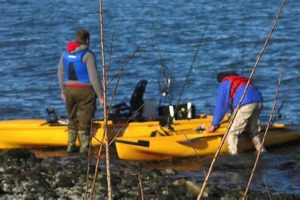
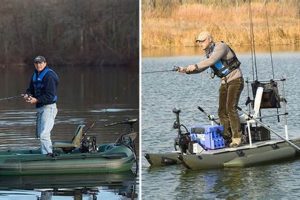
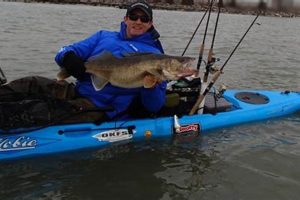
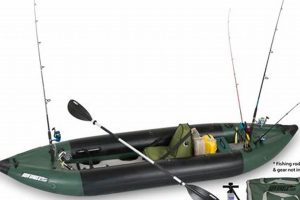
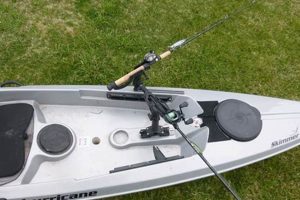
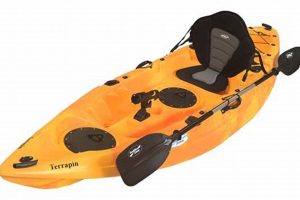
This activity involves angling from a small, human-powered watercraft in the shallow waters and bayous surrounding Pointe aux Chenes, Louisiana. This area, known for its diverse ecosystem and abundant fish populations, offers a unique and accessible experience for anglers of varying skill levels. The quiet maneuverability of a kayak allows exploration of otherwise inaccessible fishing spots, providing an intimate connection with the natural environment.
The relatively shallow and calm waters of this region make it an ideal location for this pursuit. The abundant species, including redfish, speckled trout, flounder, and black drum, attract anglers seeking a rewarding challenge. Historically, the Pointe aux Chenes area has been closely tied to the fishing industry, with local communities relying on its bounty for generations. Utilizing kayaks allows for a sustainable and low-impact approach to fishing, preserving the delicate ecosystem for future generations.
Further exploration will cover topics including recommended equipment, optimal fishing locations within the area, seasonal variations in fish activity, and the importance of respecting local regulations and conservation efforts.
Tips for Kayak Fishing in Pointe aux Chenes
Successful angling in Pointe aux Chenes by kayak requires preparation and awareness. These tips offer guidance for a safe and productive experience.
Tip 1: Prioritize Safety Equipment: A personal flotation device (PFD) is essential. A whistle, signaling mirror, and communication device are crucial in case of emergencies. A first-aid kit should be readily accessible.
Tip 2: Understand Tidal Influences: Tides significantly impact fish behavior and accessibility to shallow areas. Consulting tide charts prior to departure is recommended.
Tip 3: Utilize Appropriate Gear: Rod and reel combinations suitable for inshore saltwater fishing are recommended. Live bait or artificial lures effective for the target species should be chosen.
Tip 4: Respect Local Regulations: Awareness and adherence to Louisiana fishing regulations, including licensing requirements and size/catch limits, are mandatory.
Tip 5: Practice Kayak Control: Comfortable maneuvering a kayak, especially in windy conditions or around other boat traffic, is vital for safety and effective fishing.
Tip 6: Employ Stealth Techniques: Quiet paddling and minimizing noise within the kayak increase the likelihood of attracting fish.
Tip 7: Protect the Environment: Proper disposal of fishing line and other waste helps maintain the pristine nature of the Pointe aux Chenes ecosystem. Catch-and-release practices are encouraged when appropriate.
Careful planning and mindful practices contribute to a rewarding and sustainable fishing experience. These guidelines promote both angler safety and the preservation of this valuable natural resource.
These tips provide foundational knowledge for successful kayak fishing in Pointe aux Chenes. Further exploration of local resources and expert guidance can enhance proficiency and overall enjoyment.
1. Quiet Water Access

Quiet water access is a defining characteristic of the Pointe aux Chenes fishing experience, directly influencing angling success. Kayaks, due to their minimal disturbance of the water’s surface, are uniquely suited to these environments. This section explores the multiple facets of quiet water access and its significance.
- Stealth Approach:
Kayaks permit a stealthy approach to fish, crucial in shallow, clear waters where traditional motorized boats would easily spook them. The quiet operation allows anglers to get closer to their target species without creating disruptive noise or vibrations, increasing the likelihood of a successful catch. This advantage is particularly relevant in Pointe aux Chenes, given its expansive shallow flats and backwater bayous.
- Reaching Remote Areas:
Many prime fishing locations within Pointe aux Chenes are inaccessible to larger vessels. Kayaks, however, navigate shallows, narrow channels, and densely vegetated areas with ease, granting access to secluded fishing spots teeming with redfish, speckled trout, and other desirable species. This expands fishing opportunities beyond the limitations of motorized boats.
- Reduced Environmental Impact:
The quiet, non-motorized nature of kayaks minimizes environmental impact. Unlike motorized boats, they produce no noise pollution or exhaust fumes, preserving the natural tranquility of Pointe aux Chenes. This low-impact approach is crucial for maintaining the health and biodiversity of the delicate ecosystem.
- Enhanced Fishing Experience:
The quiet environment inherent in kayak fishing enhances the overall experience. Anglers can better appreciate the natural sounds of the marsh, observe wildlife more closely, and enjoy a more immersive connection with the surrounding environment. This tranquil setting contributes significantly to the appeal of kayak fishing in Pointe aux Chenes.
The combination of these facets contributes to the unique and rewarding experience of kayak fishing in Pointe aux Chenes. The quiet water access provided by kayaks allows for not only a more successful fishing trip but also a deeper appreciation for the natural environment.
2. Abundant Fish Species
The rich biodiversity of Pointe aux Chenes directly contributes to its popularity as a kayak fishing destination. The diverse range of species presents anglers with varied challenges and opportunities, enhancing the overall fishing experience. This section explores the key fish species found in the area and their significance for kayak anglers.
- Redfish (Red Drum):
Redfish are a prized game fish known for their strong fight and readily take both live bait and artificial lures. Their prevalence in the shallow flats and marshes of Pointe aux Chenes makes them a readily available target for kayak anglers. The shallow draft of a kayak allows access to areas where redfish congregate, offering increased opportunities for successful catches.
- Speckled Trout (Spotted Seatrout):
Speckled trout are another popular target, often found near grassy shorelines and oyster reefs. These ambush predators offer an exciting challenge, responding well to a variety of fishing techniques. The quiet approach afforded by kayaks allows anglers to target speckled trout without disturbing their feeding patterns.
- Flounder (Southern Flounder):
Flounder, masters of camouflage, inhabit the sandy and muddy bottoms of Pointe aux Chenes. Anglers often target them using live bait or jigs presented near the bottom. Kayak fishing provides an advantage in reaching shallower areas favored by flounder, increasing the likelihood of encountering these elusive fish.
- Black Drum:
Black drum, known for their powerful runs, frequent deeper channels and oyster reefs. Kayak anglers can access these areas, presenting bait or lures in close proximity to these hard-fighting fish. The stability of a fishing kayak is beneficial when battling larger black drum.
The diverse and abundant fish species in Pointe aux Chenes create a dynamic and rewarding kayak fishing experience. The ability of kayaks to navigate shallow waters and access diverse habitats provides anglers with unparalleled opportunities to target these prized fish. The abundance contributes significantly to the region’s reputation as a premier fishing destination.

Shallow water navigation forms an integral component of kayak fishing in Pointe aux Chenes. The region’s intricate network of shallow bays, marshes, and bayous necessitates specialized navigation skills. Kayaks, with their shallow drafts, excel in these environments, offering access to areas unreachable by larger, motorized boats. This accessibility significantly impacts fishing success. The ability to maneuver quietly through shallows allows anglers to approach fish undetected, a critical advantage when targeting species like redfish and speckled trout that inhabit these areas. For instance, navigating the shallow flats surrounding the islands in Pointe aux Chenes provides opportunities to target tailing redfish during high tides. Similarly, exploring the narrow, shallow bayous opens access to secluded pools holding speckled trout and flounder. Understanding water depth, tidal currents, and the presence of submerged obstacles is crucial for safe and effective shallow water navigation.
Effective shallow water navigation requires specialized techniques. Using a paddle with a shorter shaft allows for efficient paddling in shallows without hitting the bottom. Employing a push-pole for silent propulsion further enhances stealth. Reading the water’s surface for signs of changing depth or underwater obstructions becomes essential. Recognizing subtle changes in water color or vegetation can indicate deeper channels or shallow flats. Knowledge of local tides is paramount. Incoming tides provide access to previously unreachable areas, while outgoing tides can leave kayaks stranded. Planning routes based on tidal fluctuations is essential for a successful fishing trip. Careful observation of bird activity can also indicate the presence of baitfish and, consequently, larger game fish, further informing navigation decisions.
Proficient shallow water navigation maximizes fishing success in Pointe aux Chenes while minimizing environmental impact. It allows anglers to access prime fishing locations while respecting the delicate ecosystem. Understanding the interplay of tides, water depth, and kayak maneuverability unlocks the full potential of this unique fishery. Challenges, such as navigating soft mud bottoms or strong winds, can be mitigated through experience and appropriate techniques. This skill set differentiates successful kayak anglers in Pointe aux Chenes, enabling a deeper connection with the environment and increasing the likelihood of a rewarding fishing experience.
4. Specialized Kayak Gear
Specialized kayak gear plays a crucial role in successful and enjoyable kayak fishing within the Pointe aux Chenes environment. This equipment enhances angler efficiency, safety, and overall experience. The unique conditions of Pointe aux Chenesshallow waters, abundant vegetation, and the presence of specific fish speciesnecessitate gear tailored to these specifics. Cause and effect relationships exist between gear choices and fishing outcomes. For example, utilizing a shallow-water anchor system prevents drifting in the shallow flats and bayous, allowing anglers to maintain position near productive fishing spots. Similarly, rod holders specifically designed for kayaks free an angler’s hands for paddling, landing fish, or managing other equipment, directly impacting efficiency. Choosing appropriate fishing rods and reels designed for inshore saltwater species like redfish and speckled trout influences the likelihood of successful hookups and landing fish. Utilizing a fish finder with GPS capabilities aids navigation through the intricate waterways and identifies potentially productive areas, thereby enhancing the overall fishing experience.
Specific gear choices directly correlate with the desired fishing experience within Pointe aux Chenes. For instance, an angler targeting redfish in the shallow flats benefits from a kayak equipped with a pole anchor and a crate or storage system for holding live bait. Anglers pursuing speckled trout in the bayous benefit from a lighter, more maneuverable kayak equipped with rod holders and a tackle storage system designed for artificial lures. The importance of specialized gear as a component of kayak fishing in Pointe aux Chenes becomes evident when considering practical applications. A well-organized kayak equipped with appropriate gear allows anglers to focus on fishing, maximizing their time on the water and increasing their chances of success. Conversely, inadequate or improperly chosen gear can lead to frustration, decreased efficiency, and even safety concerns.
In summary, the selection and utilization of specialized kayak gear directly impact the efficiency, safety, and overall success of kayak fishing in Pointe aux Chenes. Understanding the relationship between gear choices and the specific environmental conditions and target species within this region is essential for a positive and rewarding fishing experience. While challenges, such as balancing gear weight and kayak stability, exist, careful planning and appropriate gear choices mitigate these concerns. This knowledge empowers anglers to make informed decisions, maximizing their enjoyment and success within this unique and productive fishery.
5. Local Fishing Regulations

Adherence to local fishing regulations is essential for the sustainability of kayak fishing in Pointe aux Chenes. Regulations established by the Louisiana Department of Wildlife and Fisheries govern aspects such as licensing requirements, catch limits, size restrictions, and permitted fishing methods. These regulations directly impact kayak anglers and play a crucial role in preserving the region’s fish populations and habitats. Cause and effect relationships exist between regulatory compliance and the long-term health of the fishery. For example, adhering to catch limits for redfish prevents overfishing and helps maintain a healthy population size, ensuring future angling opportunities. Similarly, observing size restrictions allows younger fish to mature and reproduce, contributing to the long-term sustainability of the species. Ignoring these regulations can lead to fines, license suspension, and damage to the ecosystem, negatively impacting the overall fishing experience for everyone.
The importance of local fishing regulations as a component of kayak fishing in Pointe aux Chenes is underscored by real-life examples. Consider the redfish regulations. Slot size limits mandate that harvested redfish must fall within a specific length range. This protects both juvenile and larger breeding-sized fish, ensuring population replenishment. Another example involves the use of specific gear. Regulations might prohibit certain types of nets or fishing methods known to be detrimental to fish populations or habitats. Kayak anglers contribute to the preservation of the Pointe aux Chenes ecosystem by adhering to these rules. Practical significance arises in the daily decisions anglers make on the water. Checking for updated regulations before each trip, carrying a measuring device to ensure compliance with size limits, and properly disposing of fishing line are all practical applications of this understanding. These actions contribute directly to the sustainability of the fishery.
In summary, compliance with local fishing regulations forms a cornerstone of responsible kayak fishing in Pointe aux Chenes. Understanding and adhering to these regulations contributes to the long-term health of the fish populations, protects the delicate ecosystem, and ensures continued angling opportunities for future generations. Challenges, such as staying informed about regulation changes and interpreting complex rules, can be mitigated through readily available resources, such as the Louisiana Department of Wildlife and Fisheries website and local bait shops. This knowledge and responsible action contribute significantly to the preservation of this valuable natural resource and the enjoyment of kayak fishing in Pointe aux Chenes for years to come.
6. Tidal Influence Awareness

Tidal influence awareness is paramount for successful kayak fishing in Pointe aux Chenes. The region’s estuarine environment experiences significant tidal fluctuations that directly impact fish behavior, accessibility to fishing grounds, and navigation safety. Understanding tidal cycles, currents, and their effects on the local ecosystem is crucial for maximizing fishing success and ensuring a safe experience. Cause and effect relationships are readily apparent. Incoming tides flood shallow flats and marshes, creating prime feeding opportunities for species like redfish and speckled trout. Conversely, outgoing tides concentrate fish in deeper channels and pools, necessitating adjustments in fishing locations and techniques. Tidal currents influence baitfish movement, which in turn affects predator behavior. Awareness of these patterns allows anglers to position themselves strategically for optimal results.
The importance of tidal influence awareness as a component of kayak fishing in Pointe aux Chenes is underscored by practical examples. Consider fishing the shallow flats for redfish. During an incoming tide, these flats become accessible, allowing kayak anglers to quietly approach tailing redfish. However, attempting to navigate these same flats during low tide could result in grounding the kayak. Similarly, understanding tidal currents is crucial when fishing near inlets or channels. Strong outgoing currents can create challenging paddling conditions, requiring careful planning and navigation. Local knowledge of specific areas, such as the timing of peak tidal flows around certain islands or points, significantly enhances fishing success.
In summary, tidal influence awareness is not merely a beneficial skill but a fundamental requirement for productive and safe kayak fishing in Pointe aux Chenes. Challenges, such as predicting localized current patterns and adapting to rapidly changing tidal conditions, can be mitigated through resources like tide charts, local knowledge from experienced anglers, and careful observation of the environment. This understanding allows anglers to anticipate fish behavior, access otherwise inaccessible areas, and navigate safely, ultimately contributing to a more rewarding and informed fishing experience within this dynamic ecosystem.
7. Ecosystem Preservation
Ecosystem preservation forms an integral aspect of kayak fishing in Pointe aux Chenes. The delicate balance of this estuarine environment, characterized by marshes, bayous, and shallow flats, requires careful consideration from anglers. Kayak fishing, due to its low-impact nature, offers a sustainable approach to enjoying this natural resource. Cause and effect relationships exist between angling practices and ecosystem health. Discarded fishing line, for example, poses a significant threat to wildlife, potentially entangling birds and marine animals. Improperly disposed of waste can pollute waterways and negatively impact water quality. Respectful angling practices, such as catch-and-release fishing and adherence to leave-no-trace principles, minimize environmental impact and contribute to long-term ecosystem health. These actions directly impact the sustainability of the fishery and the overall quality of the Pointe aux Chenes environment.
The importance of ecosystem preservation as a component of kayak fishing in Pointe aux Chenes is underscored by practical examples. Consider the practice of catch-and-release fishing, particularly for species like redfish, which are subject to strict size regulations. Returning these fish to the water unharmed ensures their contribution to future breeding populations, supporting the long-term health of the fishery. Another example involves minimizing disturbance to nesting birds. Kayak anglers, by maintaining a safe distance from nesting areas and avoiding loud noises, contribute to the reproductive success of these important species. The practical significance of this understanding manifests in the daily decisions anglers make. Carrying a reusable bag for trash, using biodegradable fishing line, and choosing designated launch sites to minimize erosion are all practical applications of this awareness. These actions translate into tangible benefits for the Pointe aux Chenes ecosystem.
In summary, ecosystem preservation represents not just a desirable practice but a fundamental responsibility for kayak anglers in Pointe aux Chenes. Challenges, such as balancing access to fishing areas with the need to protect sensitive habitats, require ongoing dialogue and adaptive management strategies. However, the understanding of cause and effect relationships between human actions and environmental outcomes empowers anglers to make informed decisions that minimize their impact. This mindful approach to kayak fishing ensures the long-term health and productivity of the Pointe aux Chenes ecosystem, preserving this valuable resource for future generations.
Frequently Asked Questions
This section addresses common inquiries regarding kayak fishing in Pointe aux Chenes, Louisiana, providing concise and informative responses.
Question 1: What are the primary target species for kayak anglers in Pointe aux Chenes?
Redfish, speckled trout, flounder, and black drum are among the primary target species. Other species, including sheepshead and various baitfish, also inhabit the area.
Question 2: Are there specific licensing requirements for fishing in Pointe aux Chenes?
A valid Louisiana fishing license is required. Specific regulations regarding license types and exemptions can be found on the Louisiana Department of Wildlife and Fisheries website.
Question 3: What are the recommended kayak types for fishing in this region?
Sit-on-top kayaks are generally preferred due to their stability and ease of use in shallow water. Fishing-specific kayaks often include features such as rod holders and built-in storage compartments.
Question 4: What safety precautions should be taken when kayak fishing in Pointe aux Chenes?
Wearing a personal flotation device (PFD) is essential. Carrying a whistle, signaling device, and communication device is recommended. Checking weather conditions and tide charts before departure is crucial.
Question 5: Are there guided fishing tours available for those unfamiliar with the area?
Numerous local guides offer kayak fishing tours in Pointe aux Chenes. These guided experiences provide valuable insights into local fishing spots and techniques.
Question 6: What impact do tides have on fishing in Pointe aux Chenes?
Tides significantly influence fish behavior and access to shallow fishing areas. Consulting tide charts before planning a fishing trip is highly recommended.
Understanding these fundamental aspects contributes to a safer and more successful fishing experience. Further research and local knowledge enhance angling proficiency and contribute to responsible enjoyment of this natural resource.
Additional information regarding regulations, safety guidelines, and local resources can be obtained from the Louisiana Department of Wildlife and Fisheries and local outfitters.
Kayak Fishing Pointe aux Chenes
Kayak fishing Pointe aux Chenes offers a unique blend of angling opportunity and ecological immersion. This exploration has highlighted the importance of understanding the interplay of factors influencing success and sustainability: specialized gear, tidal awareness, local regulations, shallow water navigation, and respect for the abundant fish species and the fragile ecosystem they inhabit. Each element contributes to a rewarding experience, demonstrating the interconnectedness of angler skill and environmental stewardship.
The future of kayak fishing Pointe aux Chenes rests on the continued commitment to responsible angling practices. Preservation of this valuable resource requires informed decision-making and active participation in conservation efforts. The potential for continued enjoyment of this unique fishery hinges on a collective understanding of its delicate balance and the actions taken to protect it.