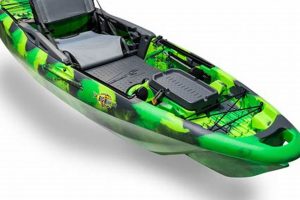
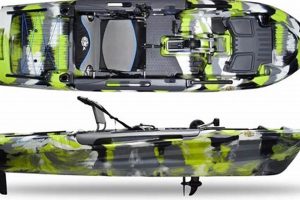
The pursuit of finned quarry from small, human-powered vessels in Norwegian waters offers a unique blend of sport, nature, and cultural immersion. This activity typically involves specialized kayaks outfitted with fishing gear such as rod holders, fish finders, and storage compartments for tackle and catches. Anglers explore fjords, coastlines, and inland lakes, targeting a variety of species depending on location and season.
This approach to angling provides a close-to-nature experience, allowing access to shallow waters and secluded areas often unreachable by larger boats. It fosters a sense of self-reliance and offers a sustainable, low-impact way to interact with the marine environment. The rich history of fishing in Norway, interwoven with traditional boat-building techniques and a deep respect for the sea, adds another layer of significance to this contemporary pursuit.
Further exploration will cover essential aspects such as target species, ideal locations, necessary equipment, safety considerations, regulations, and the growing popularity of guided tours for those seeking expert assistance in navigating Norwegian waters.
Tips for Kayak Angling in Norway
Successful angling from a kayak in Norwegian waters requires careful planning and preparation. The following tips offer guidance for a safe and rewarding experience.
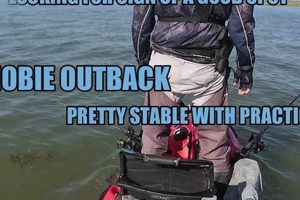
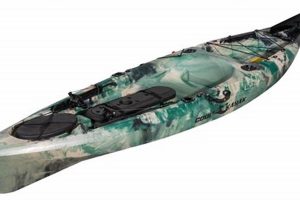
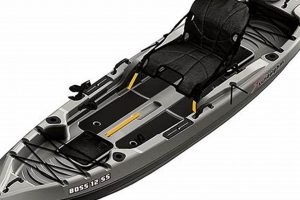
Tip 1: Choose the Right Kayak: Select a kayak specifically designed for fishing, prioritizing stability, storage capacity, and ease of maneuverability in varying conditions. Sit-on-top kayaks are often preferred for their self-bailing capabilities and ease of re-entry after an accidental capsize.
Tip 2: Dress for Immersion: Cold water poses a significant risk. Wearing a dry suit or a high-quality wetsuit is crucial, even in summer. Appropriate layering underneath and waterproof outerwear are essential for maintaining core body temperature.
Tip 3: Prioritize Safety Equipment: A personal flotation device (PFD) is mandatory. Carry a VHF radio, signaling devices (flares, whistle), a first-aid kit, and a bilge pump. Inform someone ashore of your planned route and estimated return time.
Tip 4: Understand Local Regulations: Obtain necessary fishing permits and familiarize oneself with local regulations concerning catch limits, protected species, and permitted fishing areas. Awareness of these rules contributes to sustainable fishing practices.
Tip 5: Check Weather Conditions: Norwegian weather can change rapidly. Consult marine forecasts before embarking and be prepared to alter plans if conditions deteriorate. Wind, waves, and currents can significantly impact kayak handling.
Tip 6: Plan Your Route Carefully: Research potential fishing spots, taking into account tides, currents, and potential hazards such as boat traffic. Carry nautical charts or use GPS navigation, and be aware of suitable landing sites in case of emergencies.
Tip 7: Practice Kayak Handling Skills: Develop proficiency in basic paddling techniques, self-rescue maneuvers, and re-entry methods before venturing into open water. Consider taking a kayaking course specifically designed for anglers.
Careful consideration of these tips contributes significantly to angler safety and increases the likelihood of a successful and enjoyable fishing experience. Preparedness enhances the ability to fully appreciate the beauty and bounty of Norwegian waters.
With these preparations complete, one can confidently approach the prospect of exploring specific fishing locations and targeting particular species.
1. Location

Location plays a pivotal role in kayak fishing within Norway. The diverse Norwegian landscape, encompassing sheltered fjords, exposed coastlines, and tranquil inland lakes, presents a variety of fishing opportunities, each with specific characteristics influencing species availability, fishing techniques, and required safety precautions. The strategic choice of location directly impacts the overall angling experience.
For instance, the calm waters of the fjords, carved deep into the coastline, provide excellent habitat for cod, pollock, and halibut. These sheltered waters offer relatively stable conditions for kayak anglers, allowing for focused fishing using techniques such as jigging or bottom fishing. Conversely, the exposed outer coastline, subject to stronger winds and currents, presents a more challenging environment, attracting species like sea trout, mackerel, and coalfish. Kayak anglers venturing into these areas require advanced paddling skills and a heightened awareness of changing weather patterns. Inland lakes, often overlooked, offer opportunities for trout and char fishing, demanding different techniques and tackle compared to saltwater environments.
Understanding the specific characteristics of chosen fishing grounds is crucial. Factors such as water depth, tidal currents, prevailing winds, and proximity to underwater structures like reefs or kelp forests directly influence fish behavior and distribution. Informed location selection, combined with appropriate tackle and techniques, significantly enhances the chances of a successful fishing expedition. Careful consideration of these factors enables anglers to maximize their experience and contribute to responsible fishing practices within Norways diverse aquatic ecosystems. This understanding underscores the critical interplay between location and successful kayak angling.
2. Species
The diverse fish species inhabiting Norwegian waters constitute a core element of the kayak fishing experience. Target species vary considerably depending on locationfjord, coastline, or inland lakeand seasonality influences their availability and behavior. Understanding these factors enhances angler success and promotes responsible fishing practices. Cod, often found in deeper fjord waters, represent a popular target, readily taking jigs and bait presented near the bottom. Pollock, another common species, prefer shallower, rocky areas and respond well to similar techniques. Along the coastline, sea trout and mackerel offer exciting challenges, often pursued with lures and flies. Inland lakes, rich with trout and char, require lighter tackle and finesse presentations. Matching fishing techniques and tackle to the target species significantly increases the probability of successful catches.
Consideration of species-specific behavior and habitat preferences further refines angling strategies. Cod, for example, often congregate around underwater structures such as wrecks and reefs. Targeting these areas increases the likelihood of encounters. Sea trout, known for their aggressive feeding habits, respond well to fast-retrieved lures that mimic small baitfish. Understanding these nuances differentiates a novice angler from a skilled practitioner. Knowledge of fish behavior enables anglers to predict their movements and tailor their approach accordingly. This understanding translates directly into improved catch rates and a deeper appreciation of the intricate interplay between predator and prey.
Responsible angling practices, including adherence to catch limits and size restrictions specific to each species, ensure the long-term sustainability of Norwegian fisheries. Respect for these regulations safeguards the delicate balance of the marine ecosystem. Selective harvesting, practiced by experienced anglers, involves targeting specific sizes and species, minimizing bycatch and promoting healthy fish populations. This approach, prioritizing conservation, ensures future generations can enjoy the rich angling opportunities provided by Norway’s diverse aquatic environment. The interplay between species knowledge, angler skill, and conservation principles defines the ethical and sustainable practice of kayak fishing in Norway.
3. Equipment

Specialized equipment plays a crucial role in successful kayak angling within Norwegian waters. Appropriate gear enhances safety, improves fishing effectiveness, and contributes to overall enjoyment. Selection should consider the specific target species, the chosen fishing location, and the prevailing environmental conditions. A well-outfitted kayak forms the foundation of this specialized pursuit. Stability, storage capacity, and maneuverability are key considerations. Sit-on-top kayaks, favored for their self-bailing properties and ease of re-entry, prove particularly suitable for the often challenging Norwegian waters. Rods and reels should match the target species and anticipated fishing techniques. Shorter rods offer advantages in the confined space of a kayak, while robust reels equipped with sufficient line capacity handle larger fish encountered in deeper waters or stronger currents. Tackle selection, including lures, jigs, and bait, depends on the target species. Local knowledge provides invaluable insight into effective choices.
Beyond fishing-specific gear, safety equipment forms an indispensable component of responsible kayak angling. A personal flotation device (PFD) remains non-negotiable. Communication devices, such as VHF radios and mobile phones, provide essential links to shore in case of emergencies. Navigation aids, including GPS units and nautical charts, ensure accurate positioning and safe passage, particularly in complex fjord systems or along exposed coastlines. Appropriate clothing provides protection against the elements. Dry suits or high-quality wetsuits, combined with thermal layers, offer essential insulation against cold water immersion. Waterproof outerwear shields against rain and spray, maintaining core body temperature even in challenging conditions. Carrying essential safety gear contributes significantly to angler well-being and preparedness for unforeseen circumstances.
Careful equipment selection and maintenance contribute significantly to successful kayak fishing experiences in Norway. Prioritizing quality and functionality ensures reliable performance in demanding conditions. Regular inspection and maintenance of equipment, particularly kayaks, paddles, and fishing gear, prevent malfunctions and enhance safety. Understanding the specific requirements of the chosen fishing location and target species informs equipment choices, optimizing fishing effectiveness. Investing in appropriate gear enhances both safety and enjoyment, allowing anglers to fully appreciate the challenges and rewards of kayak fishing in Norway’s unique and often demanding environment.
4. Safety

Safety considerations are paramount in kayak fishing within Norwegian waters. The environment presents unique challenges, including cold water temperatures, unpredictable weather patterns, and remote locations. A comprehensive understanding of potential hazards and proactive implementation of safety measures are crucial for mitigating risks and ensuring a positive experience. Neglecting these precautions can have severe consequences, potentially jeopardizing angler well-being.
- Cold Water Immersion:
Norwegian waters remain cold year-round, posing a significant risk of hypothermia. Immersion, even for short periods, can rapidly incapacitate. Wearing appropriate protective clothing, such as a dry suit or a high-quality wetsuit, is essential. Practicing self-rescue and re-entry techniques in controlled environments prepares anglers for potential capsize situations.
- Changing Weather Conditions:
Weather patterns in Norway can shift dramatically, impacting sea conditions and visibility. Checking marine forecasts before embarking and continuously monitoring weather updates during the trip are crucial. Having a contingency plan, including readily accessible landing sites, is vital for managing unexpected changes in weather. Postponing trips if conditions deteriorate demonstrates responsible decision-making.
- Navigation and Communication:
Fjords and coastal areas present navigational challenges, including strong currents, tidal flows, and limited visibility. Carrying appropriate navigational aids, such as GPS devices and nautical charts, is essential for accurate positioning. Maintaining communication with shore through VHF radio or mobile phone allows for emergency contact and provides an additional safety net.
- Wildlife Encounters:
Norwegian waters are home to diverse marine wildlife, some of which may pose potential hazards to kayakers. Maintaining a safe distance from marine mammals, avoiding sudden movements, and storing food securely minimize the risk of unwanted interactions. Understanding local wildlife behavior and following established guidelines contribute to respectful coexistence.
Integrating these safety practices into every kayak fishing expedition in Norway significantly reduces inherent risks. Preparedness enhances angler confidence and allows for a more focused and enjoyable experience. Prioritizing safety promotes responsible engagement with the environment and contributes to a culture of safe and sustainable kayak angling within Norway’s unique and challenging waters.
5. Regulations

Regulations governing kayak fishing in Norway are essential for preserving fish stocks, protecting vulnerable ecosystems, and ensuring the sustainability of this recreational activity. Compliance with these rules is not merely a legal obligation but a demonstration of respect for the environment and a commitment to responsible angling practices. Ignoring these regulations can lead to penalties and contribute to the degradation of natural resources.
- Fishing Licenses:
Obtaining the appropriate fishing license is a prerequisite for angling in Norwegian waters. Different licenses exist for freshwater and saltwater fishing, and specific regulations apply to certain regions or species. Anglers must ensure they possess the correct license for their intended fishing location and target species. Failure to comply can result in fines and confiscation of equipment.
- Catch Limits and Size Restrictions:
Regulations stipulate catch limits for various species, designed to prevent overfishing and maintain healthy fish populations. Size restrictions, specifying minimum lengths for certain species, protect juvenile fish and allow them to reach maturity and reproduce. Adhering to these limits contributes to the long-term health of the fish stocks and the overall ecosystem.
- Protected Species:
Certain species are designated as protected due to their vulnerability or ecological importance. Fishing for these species is strictly prohibited. Anglers must familiarize themselves with the list of protected species in their intended fishing area to avoid unintentional violations. Respecting these regulations safeguards biodiversity and contributes to the preservation of Norway’s marine environment.
- Designated Fishing Areas:
Specific areas may be designated as protected zones, fish sanctuaries, or areas closed to fishing during certain seasons. These designations aim to protect sensitive habitats or spawning grounds. Anglers must respect these restrictions and choose fishing locations accordingly. Awareness of designated fishing areas prevents unintended disruption of critical ecological processes.
Adherence to these regulations ensures the continued health and viability of kayak fishing in Norway. By understanding and respecting these rules, anglers contribute to the preservation of Norway’s rich aquatic resources for future generations. Responsible angling practices, underpinned by a commitment to regulatory compliance, foster a sustainable and enjoyable experience for all. This conscious approach safeguards the delicate balance of the Norwegian marine environment while preserving the opportunity for future angling enjoyment.
Frequently Asked Questions
This section addresses common inquiries regarding kayak angling in Norway, providing concise and informative responses to facilitate informed decision-making and enhance angler preparedness.
Question 1: What are the prime locations for kayak fishing in Norway?
The Norwegian coastline, extending over thousands of kilometers, offers numerous exceptional locations. Fjords provide sheltered waters ideal for targeting cod, pollock, and halibut. The outer coastline, while more exposed, presents opportunities for sea trout, mackerel, and coalfish. Inland lakes offer diverse freshwater fishing experiences.
Question 2: What species can one expect to catch while kayak fishing in Norway?
Target species vary based on location and season. Common catches include cod, pollock, halibut, sea trout, mackerel, coalfish, and various freshwater species such as trout and char. Researching specific locations beforehand provides insight into prevalent species and their seasonal availability.
Question 3: What essential equipment is required for kayak fishing in Norway?
Essential equipment includes a stable fishing kayak, appropriate rods and reels, relevant tackle, safety gear (PFD, VHF radio, signaling devices, first-aid kit), and navigational aids. Proper clothing, including a dry suit or wetsuit, is crucial for thermal protection.
Question 4: What safety precautions should one take when kayak fishing in Norwegian waters?
Prioritizing safety is paramount. Always wear a PFD, check weather forecasts before embarking, inform someone of planned routes and return times, carry communication devices, and be aware of potential hazards such as cold water immersion and changing weather conditions. Practicing self-rescue techniques is highly recommended.
Question 5: Are there specific regulations regarding kayak fishing in Norway?
Fishing licenses are mandatory, with specific variations for freshwater and saltwater fishing. Regulations exist regarding catch limits, size restrictions, and protected species. Familiarization with these regulations before fishing is essential for legal compliance and responsible resource management.
Question 6: Are guided kayak fishing tours available in Norway?
Numerous guided tours cater to varying skill levels, offering expert instruction, local knowledge, and access to prime fishing locations. Guided tours provide a valuable resource for those seeking enhanced safety and increased fishing success, particularly for newcomers to Norwegian waters.
Careful consideration of these commonly raised points enhances preparedness and contributes to a safer and more rewarding kayak fishing experience in Norway. Informed decision-making and proactive planning are essential for maximizing enjoyment while minimizing potential risks.
Further exploration of specific locations, target species, and advanced techniques will deepen understanding and enhance angling proficiency.
Kayak Fishing Norway
Exploration of kayak fishing in Norway reveals a multifaceted activity demanding careful planning, specialized equipment, and a deep respect for the environment. From the tranquil fjords to the challenging open coastline, opportunities abound for anglers seeking unique experiences. Species diversity, ranging from cod and pollock to sea trout and char, presents exciting challenges. Prioritizing safety through appropriate attire, communication preparedness, and adherence to regulations ensures responsible engagement with this demanding pursuit.
The growing popularity of kayak fishing in Norway underscores its appeal as a sustainable and immersive way to experience the country’s natural beauty. Continued emphasis on responsible angling practices, including adherence to catch limits and respect for protected species, will safeguard this unique resource for future generations. Thorough preparation and a commitment to ethical angling practices promise rewarding experiences within Norway’s remarkable aquatic ecosystems.