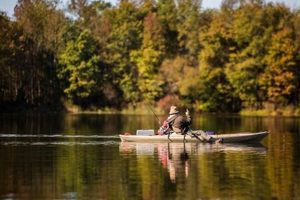
A specialized trip centered around angling from a small, human-powered watercraft offers a unique blend of outdoor recreation and sport. Imagine casting a line in tranquil, secluded waters accessible only by such a vessel, a scenario often central to this type of adventure. These excursions can range from short day trips on local lakes to extended expeditions in remote coastal areas or inland waterways.
This style of outdoor adventure offers several advantages. The quiet, non-motorized approach allows for stealthy access to shallow waters and areas teeming with fish, often undisturbed by conventional motorboats. It provides a close-to-nature experience, fostering a deeper connection with the environment. Furthermore, the physical activity inherent in paddling adds an element of exercise and contributes to a holistic wellness experience. While historically, small boats were primarily utilized for subsistence fishing, their modern recreational use has evolved and grown significantly in recent decades, reflecting an increased appreciation for self-powered exploration and sustainable tourism.
The following sections will explore key aspects of planning and executing a successful angling trip using a small, human-powered boat, including gear selection, location scouting, safety considerations, and responsible fishing practices.
Tips for Kayak Angling Trips
Careful planning contributes significantly to a successful and enjoyable experience on the water. These tips offer guidance for both novice and experienced anglers.
Tip 1: Choose the Right Watercraft: Selecting a suitable vessel is paramount. Consider stability, storage capacity, and the intended fishing environment. Longer kayaks offer better tracking in open water, while shorter, wider models provide superior stability in calmer environments. Specialized fishing kayaks often feature built-in rod holders and other angler-specific amenities.
Tip 2: Prioritize Safety Equipment: A personal flotation device (PFD) is essential and should be worn at all times. Carry a whistle, signaling mirror, and a waterproof communication device. A first-aid kit and basic repair tools are also recommended.
Tip 3: Plan for Proper Storage: Secure gear and equipment to prevent loss or damage in the event of a capsize. Dry bags and waterproof containers protect sensitive items from moisture.
Tip 4: Research Fishing Regulations: Obtain necessary licenses and familiarize oneself with local fishing regulations, including size and catch limits. Practice catch-and-release techniques whenever possible.
Tip 5: Check Weather Conditions: Monitor weather forecasts closely before embarking on any trip. Avoid venturing out in strong winds, storms, or extreme temperatures.
Tip 6: Pack Essential Gear: Assemble appropriate fishing tackle, including rods, reels, lines, lures, and bait suitable for the target species. Pack sunscreen, a hat, and polarized sunglasses for sun protection.
Tip 7: Navigate Responsibly: Be mindful of other boaters and wildlife. Avoid disturbing nesting areas or sensitive habitats. Adhere to designated paddling zones and waterway markers.
Tip 8: Inform Someone of Your Plans: Share trip details, including planned launch and return times, with a friend or family member. This precaution ensures someone is aware of your whereabouts in case of an emergency.
By adhering to these guidelines, individuals can enhance their safety, improve their chances of angling success, and minimize their environmental impact. A well-planned trip fosters a more enjoyable and rewarding experience overall.
The following section provides further details on specific gear recommendations and techniques to maximize angling success from a kayak.
1. Destination Research
Thorough destination research forms the cornerstone of a successful kayak fishing vacation. Careful consideration of factors such as target species, water conditions, local regulations, and access points significantly impacts the overall experience. A well-researched location increases the likelihood of encountering desirable fish populations while ensuring compatibility with the angler’s skill level and equipment. For instance, an individual seeking trophy-sized trout might research alpine lakes known for their large specimens, while a novice angler might prioritize calm, easily accessible waters with diverse fish populations. Conversely, neglecting proper research can lead to disappointment, wasted time, and potential safety risks.
The practical application of destination research extends beyond simply identifying fishing spots. It involves understanding local nuances such as optimal fishing times, prevailing currents, and potential hazards like submerged rocks or strong tides. Accessing local fishing reports, consulting with experienced guides, and utilizing online mapping tools can provide valuable insights. For example, researching tide charts is crucial for coastal kayak fishing, as it dictates water depth and fish movement. Similarly, understanding local boating regulations ensures compliance and avoids potential fines or conflicts with other water users. In remote locations, pre-trip research regarding access points, emergency services, and communication availability is paramount for safety.
In summary, comprehensive destination research serves as a critical preparatory step for any kayak fishing vacation. It directly influences the likelihood of angling success, enhances safety, and contributes to a more rewarding and enjoyable experience. The time invested in pre-trip planning translates directly to a more fulfilling time on the water, mitigating potential challenges and maximizing the potential for a memorable adventure.
2. Kayak Selection
Appropriate kayak selection is fundamental to a successful kayak fishing vacation. The vessel serves as the angler’s primary platform, influencing stability, mobility, and access to fishing grounds. A well-chosen kayak enhances both safety and fishing effectiveness, while an unsuitable choice can compromise both.
- Hull Design
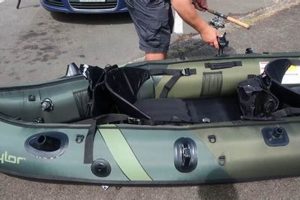
Hull design significantly impacts kayak performance. Sit-on-top kayaks offer inherent stability and self-bailing capabilities, advantageous in warmer climates and rougher waters. Sit-in kayaks provide better protection from the elements and a drier ride, suitable for colder conditions. Specialized fishing kayaks often incorporate features like rod holders, tackle storage, and anchor trolleys, optimizing the angling experience. Choosing between these designs requires careful consideration of the intended fishing environment and personal preferences.
- Length and Width
Kayak dimensions directly influence maneuverability and tracking. Longer kayaks track straighter and glide more efficiently, covering greater distances with less effort. Shorter kayaks offer enhanced maneuverability in tight spaces, beneficial in rivers or mangrove-lined estuaries. Wider kayaks provide increased stability, while narrower kayaks offer greater speed. Selecting the optimal length and width depends on the specific fishing location and the angler’s experience level.
- Weight Capacity
Weight capacity dictates the total load a kayak can safely carry, including the angler, gear, and any potential catch. Exceeding the weight capacity compromises stability and increases the risk of capsizing. Anglers must accurately assess the combined weight of all onboard items and select a kayak with sufficient capacity. This consideration becomes particularly crucial when carrying heavier fishing equipment or planning multi-day trips with substantial supplies.
- Propulsion System
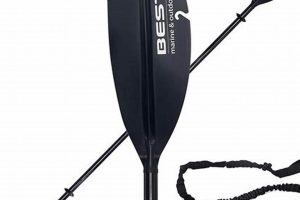
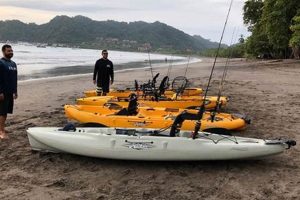
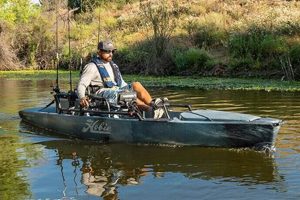
Kayaks employ various propulsion systems, each with advantages and disadvantages. Paddle kayaks offer simplicity, affordability, and a quiet approach, ideal for stealthy fishing. Pedal kayaks provide hands-free operation, allowing anglers to focus on fishing while maintaining position or covering ground efficiently. Motorized kayaks offer increased speed and range, suitable for covering large bodies of water. The choice of propulsion system depends on individual preferences, fishing style, and the specific demands of the chosen fishing location.
Careful consideration of these factors ensures the chosen kayak aligns with the specific needs and goals of the kayak fishing vacation. A properly selected vessel enhances safety, maximizes fishing effectiveness, and contributes significantly to an enjoyable and rewarding experience on the water.
3. Essential Gear

Essential gear plays a crucial role in the success and safety of a kayak fishing vacation. The right equipment enables anglers to effectively target fish, navigate waterways safely, and respond to unforeseen circumstances. This careful selection of gear directly impacts the overall experience, influencing both the likelihood of angling success and the overall enjoyment of the trip. A thoughtfully assembled kit distinguishes a well-prepared angler from one susceptible to preventable challenges. For example, packing a high-quality fish finder can significantly improve the odds of locating productive fishing spots, while neglecting basic safety equipment like a personal flotation device (PFD) can have life-threatening consequences.
Several categories of essential gear contribute to a successful kayak fishing vacation. Fishing-specific items include rods, reels, lines, lures, and tackle appropriate for the target species. Safety equipment comprises a PFD, signaling devices like a whistle and mirror, a first-aid kit, and communication tools. Navigation aids such as charts, GPS devices, and compasses ensure accurate positioning and efficient route planning. Comfort and convenience items like appropriate clothing, sun protection, and hydration systems enhance the overall experience. For instance, packing lightweight, breathable rain gear ensures comfort even in unexpected downpours, while a well-stocked tackle box provides readily accessible lures and tools. The specific items within each category vary based on the location, duration, and style of the fishing trip.
Understanding the function and importance of each piece of essential gear empowers anglers to make informed decisions and pack efficiently. Proper gear selection contributes directly to a safe, productive, and enjoyable kayak fishing experience. It mitigates potential risks, optimizes fishing effectiveness, and enhances overall comfort on the water. Preparation through meticulous gear selection distinguishes a successful kayak fishing vacation from a potentially frustrating or even hazardous one. Investing time and consideration into this aspect of planning pays dividends in terms of safety, angling success, and overall enjoyment.
4. Safety Precautions

Safety precautions form an integral part of any kayak fishing vacation, directly impacting the overall experience. Neglecting these precautions can transform a recreational outing into a hazardous situation. Understanding and implementing appropriate safety measures mitigates risks and ensures a more enjoyable and worry-free trip. A comprehensive approach to safety planning considers potential hazards and equips anglers with the knowledge and tools to respond effectively. For example, understanding weather patterns and carrying appropriate communication devices can prevent anglers from being caught in unexpected storms or allow them to call for assistance if needed.
Several key safety precautions warrant careful consideration. Wearing a personal flotation device (PFD) is paramount, providing essential buoyancy in the event of a capsize. Carrying a signaling device, such as a whistle or mirror, enables communication with other boaters or rescuers in emergencies. Checking weather forecasts before embarking and continuously monitoring conditions throughout the trip helps avoid hazardous situations. Informing someone of the planned route and estimated return time provides an additional layer of security. Furthermore, understanding basic navigation principles and carrying a map or GPS device helps prevent disorientation, especially in unfamiliar waters. For instance, knowing how to read nautical charts and interpret buoy markers can prevent groundings or collisions. Carrying a well-stocked first-aid kit allows for immediate treatment of minor injuries, minimizing discomfort and preventing complications. Regularly inspecting kayak equipment for wear and tear helps identify potential problems before they escalate into safety hazards.
Prioritizing safety precautions during a kayak fishing vacation demonstrates responsible angling practices and contributes to a positive overall experience. It minimizes potential risks, allowing anglers to focus on enjoying the sport and the natural environment. A proactive approach to safety planning fosters confidence and peace of mind, transforming a potentially hazardous situation into a safe and rewarding adventure. This emphasis on safety not only protects individual anglers but also contributes to the overall sustainability of the sport by minimizing the need for rescue operations and preserving the natural environment.
5. Fishing Techniques

Effective fishing techniques are integral to a successful kayak fishing vacation. The confined space and unique mobility of a kayak necessitate adaptations to conventional angling methods. Specialized techniques maximize angling opportunities from this specialized platform, increasing the likelihood of success while enhancing the overall experience. Understanding these nuances distinguishes a proficient kayak angler from one struggling to adapt traditional methods to this unique environment. Mastery of these specialized techniques allows anglers to effectively target specific species and navigate diverse water conditions, significantly impacting the overall outcome of the fishing trip.
- Casting Techniques
Kayak fishing often requires modified casting techniques due to limited space and the need to maintain balance. Underhand and sidearm casts minimize the risk of snagging overhead obstacles or capsizing the kayak. Precision casting becomes crucial for targeting specific pockets of water or structure, maximizing lure presentation in confined areas. For example, accurately skipping a lure under overhanging branches can access fish holding in shaded areas inaccessible to conventional casting methods. Mastering these adapted casting techniques significantly improves lure placement and hookup ratios, contributing directly to angling success from a kayak.
- Drift Fishing
Drift fishing from a kayak allows anglers to cover water efficiently, presenting bait or lures to a wider range of fish. Utilizing the natural current or wind to propel the kayak creates a dynamic fishing presentation, mimicking the movement of natural prey. This technique proves particularly effective in rivers, streams, or tidal flows, where fish often position themselves to ambush drifting food items. Skillful manipulation of the kayak’s position and speed, combined with precise casting and retrieval techniques, maximizes the effectiveness of drift fishing. For example, adjusting drift speed to match the prevailing current allows for a natural lure presentation, enticing strikes from wary fish. Understanding how to control drift and position the kayak strategically unlocks the full potential of this versatile technique.
- Trolling
Trolling from a kayak offers a hands-free method for covering large expanses of water and locating active fish. Trailing lures or bait behind the moving kayak presents a dynamic and enticing target, attracting predatory species. This technique proves particularly effective in open water environments like lakes or reservoirs, where fish may be dispersed over a wider area. Controlling trolling speed and utilizing depth-specific lures allows anglers to target different sections of the water column and specific fish species. For instance, using a diving lure allows anglers to target deeper-dwelling fish, while a surface lure attracts fish feeding near the top. Mastering trolling techniques from a kayak involves understanding lure selection, speed control, and the use of specialized equipment like rod holders and line counters.
- Anchoring and Positioning
Precise anchoring and positioning are crucial for maximizing fishing success from a kayak, particularly in areas with defined structure or current breaks. A well-placed anchor keeps the kayak stationary in a prime fishing location, allowing anglers to focus on lure presentation and fish fighting. Specialized anchor systems designed for kayaks offer ease of use and quick deployment, essential for adapting to changing fishing conditions. For instance, a stake-out pole allows for quick and quiet anchoring in shallow water, while a drift sock controls drift speed and maintains the kayak’s position in moving water. Mastering these techniques allows anglers to hold position in optimal fishing zones, maximizing their chances of hooking and landing fish. Skilled kayak anglers leverage these techniques to maintain an ideal fishing position, optimizing lure presentation and minimizing the impact of wind or current.
These specialized techniques are essential components of successful kayak fishing, adapting traditional methods to the unique demands of the platform. Mastery of these skills enhances both fishing effectiveness and overall enjoyment of the kayak fishing vacation. By understanding the nuances of casting, drift fishing, trolling, and anchoring from a kayak, anglers gain a significant advantage, maximizing their opportunities for a memorable and productive fishing experience.
Frequently Asked Questions
This section addresses common inquiries regarding kayak fishing vacations, providing concise and informative responses to facilitate informed decision-making and enhance the overall experience. Clarification of these frequently raised points aims to mitigate potential concerns and promote a safe and enjoyable adventure.
Question 1: What are the physical demands associated with a kayak fishing vacation?
Physical exertion levels vary depending on trip duration, water conditions, and chosen fishing location. Paddling, casting, and reeling can engage various muscle groups. Prior physical conditioning and appropriate stretching can enhance comfort and prevent strain.
Question 2: What type of fishing license is required?
Licensing requirements vary by jurisdiction and fishing location. Researching and obtaining necessary licenses prior to the trip ensures compliance with local regulations. Contacting local fish and wildlife agencies provides specific information regarding license types and associated fees.
Question 3: What safety equipment is considered essential?
Essential safety gear includes a personal flotation device (PFD), a signaling device (whistle or mirror), and a communication device (waterproof cell phone or VHF radio). A first-aid kit, navigation tools, and basic repair equipment are also recommended.
Question 4: What factors should influence kayak selection?
Kayak choice depends on individual needs and the intended fishing environment. Consider factors such as stability, maneuverability, storage capacity, and the presence of fishing-specific features like rod holders and anchor trolleys. Matching kayak characteristics to the specific fishing location and angler experience level ensures optimal performance and safety.
Question 5: What are the best times of year for kayak fishing?
Optimal fishing seasons vary based on target species and geographic location. Researching local fish behavior and seasonal patterns provides insight into the most productive times to fish. Consulting local fishing reports and guides can offer valuable information regarding seasonal fishing trends.
Question 6: What are the typical costs associated with a kayak fishing vacation?
Expenses vary depending on trip duration, travel distance, accommodation choices, and equipment needs. Costs can range from budget-friendly camping trips to more luxurious lodge-based excursions. Developing a realistic budget and researching available options allows for effective financial planning.
Understanding these key aspects contributes significantly to planning a safe, enjoyable, and successful kayak fishing vacation. Thorough preparation enhances the overall experience and allows anglers to fully appreciate the unique rewards of this specialized angling pursuit.
The next section offers a concluding perspective on the benefits and rewards of kayak fishing vacations.
Conclusion
Specialized angling trips centered around human-powered watercraft offer a unique blend of outdoor recreation, sporting challenge, and environmental engagement. Exploration of this activity reveals multifaceted benefits, from accessing secluded fisheries to fostering a deeper connection with nature. Key planning considerations, including destination research, equipment selection, and safety precautions, contribute significantly to a successful and rewarding experience. Understanding specialized fishing techniques further enhances angling effectiveness from these versatile vessels.
The increasing popularity of this activity reflects a growing appreciation for sustainable outdoor pursuits and the unique angling opportunities afforded by human-powered watercraft. Continued exploration and responsible engagement within this specialized niche promise enriching experiences for anglers while contributing to the long-term health of aquatic ecosystems. Careful planning and a commitment to responsible angling practices ensure the sustainability and enjoyment of these unique excursions for future generations.