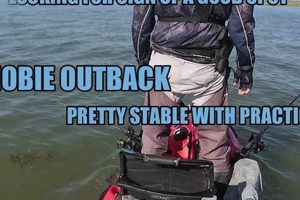
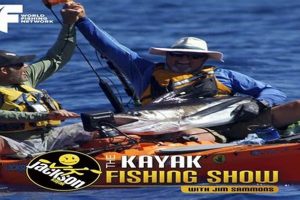
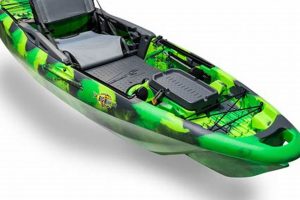
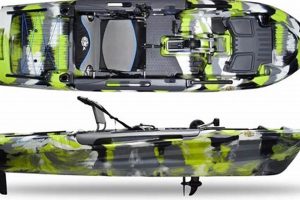
This activity involves angling from a small, human-powered vessel in the waters surrounding Jupiter, Florida. It offers a unique way to experience the diverse marine ecosystems of the area, from the tranquil Loxahatchee River to the vibrant nearshore reefs of the Atlantic Ocean. Examples include targeting snook and tarpon in the brackish estuaries or pursuing snapper and grouper in the ocean.
The shallow-water access afforded by kayaks opens up numerous fishing opportunities often inaccessible to larger boats. This approach can be particularly effective for sight fishing in the clear waters of the region. Additionally, the quiet, non-motorized nature of kayaks allows anglers to approach fish with minimal disturbance, increasing the chances of a successful catch. Historically, small boats and canoes have been utilized for fishing in these waters, and the modern adaptation with specialized fishing kayaks continues this tradition with enhanced stability and features.
Further exploration could delve into specific techniques, recommended equipment, local regulations, conservation efforts, and the overall impact of this recreational pursuit on the Jupiter ecosystem.
Tips for Kayak Fishing in Jupiter
Successful kayak fishing in Jupiter requires preparation and awareness. The following tips enhance safety and improve the chances of a productive fishing experience.
Tip 1: Check Weather and Tide Charts: Prior to departure, consult marine weather forecasts and tide charts. Wind, currents, and tidal flow significantly impact kayak handling and fish behavior.
Tip 2: Utilize Appropriate Safety Gear: A personal flotation device (PFD) is essential. A whistle, signaling device, and communication equipment are also recommended. Carry a first-aid kit and necessary tools for minor repairs.
Tip 3: Plan and Share Float Plans: Inform someone on shore of the intended fishing location and estimated return time. This precautionary measure ensures assistance is available if needed.
Tip 4: Choose Suitable Fishing Tackle and Gear: Select rods, reels, and lines appropriate for target species. Kayak fishing necessitates compact and easily accessible storage solutions.
Tip 5: Respect Local Regulations and Guidelines: Obtain necessary fishing licenses and familiarize oneself with local regulations, including size and catch limits. Adhere to designated fishing zones and avoid restricted areas.
Tip 6: Practice Responsible Angling Practices: Utilize proper catch-and-release techniques to minimize stress on fish populations. Dispose of fishing line and tackle responsibly to protect the environment.
Tip 7: Be Aware of Wildlife and Navigation Hazards: Manatees, dolphins, and other marine life frequent Jupiter waters. Maintain a safe distance and avoid disturbing them. Be mindful of shallow areas, submerged structures, and boat traffic.
Adherence to these guidelines contributes to a safer and more rewarding experience on the water. Planning and responsible angling ensure the preservation of Jupiter’s valuable aquatic resources.
These preparatory measures pave the way for a rewarding and successful fishing trip.
1. Location

Jupiter, Florida, plays a pivotal role in the distinct character of kayak fishing in the area. The town’s location, situated along the Loxahatchee River and near the Jupiter Inlet, provides direct access to diverse ecosystems, including brackish estuaries, mangrove forests, and the Atlantic Ocean. This varied environment supports a rich array of fish species, making it an attractive destination for anglers. The confluence of these habitats creates unique fishing opportunities not readily available elsewhere. For instance, the intersection of freshwater and saltwater environments allows anglers to target both snook, a primarily saltwater species, and largemouth bass, a freshwater species, within a relatively small area. The proximity of the Gulf Stream further enhances the biodiversity, bringing pelagic species closer to shore and expanding fishing possibilities.
The clear, shallow waters surrounding Jupiter are particularly well-suited for kayak fishing. Kayaks enable anglers to navigate shallow flats, creeks, and mangrove tunnels inaccessible to larger vessels. This advantage offers increased opportunities for sight fishing and targeting species that inhabit these shallow areas. Moreover, the relatively calm waters within the Loxahatchee River and the sheltered areas near the inlet provide favorable conditions for kayak fishing, even during periods of moderate wind or sea conditions. This consistent accessibility extends the fishing season and allows for more frequent excursions.
The significance of Jupiter’s location extends beyond mere accessibility to productive fishing grounds. The area’s natural beauty, combined with the tranquility afforded by kayak fishing, creates a unique recreational experience. Local conservation efforts contribute to the preservation of these valuable ecosystems, ensuring the sustainability of this pursuit for future generations. Understanding the interconnectedness of Jupiters geographic attributes, its diverse fish populations, and the advantages of kayak fishing provides a deeper appreciation for the experience. This knowledge empowers anglers to make informed decisions about their fishing strategies and contributes to a more successful and fulfilling time on the water.
2. Activity
Kayak fishing, as an activity, forms the core of the “Jupiter kayak fishing” experience. It dictates the mode of interaction with the environment and influences the overall angling approach. The choice of kayak fishing, as opposed to fishing from shore or a larger vessel, directly impacts accessibility to specific locations and the types of fish targeted. In Jupiter, this translates to the ability to navigate shallow grass flats, mangrove creeks, and other areas often inaccessible to motorized boats. This enhanced access increases the likelihood of encountering species like snook, redfish, and tarpon that favor these habitats. The quiet, non-intrusive nature of kayaks allows for a stealthier approach, minimizing disturbance to fish and potentially increasing catch rates. This is particularly advantageous in the clear waters around Jupiter, where sight fishing is a common technique.
The physical act of kayak fishing also shapes the experience. Paddling provides a low-impact form of exercise, immersing anglers in the natural surroundings. The elevated vantage point from a kayak offers improved visibility for spotting fish and navigating shallow areas. Furthermore, the physical engagement of paddling, combined with the focus required for fishing, creates a sense of active participation in the environment. For example, navigating through mangrove tunnels requires skillful maneuvering and an awareness of tidal currents, adding another layer of engagement to the fishing experience. This physical and mental engagement enhances the connection between angler and environment, making it a more immersive and rewarding pursuit.
Understanding the role of “kayak fishing” as the core activity within the broader context of “Jupiter kayak fishing” allows for a more nuanced appreciation of this recreational pursuit. It underscores the importance of choosing appropriate kayak fishing gear, developing paddling skills, and employing fishing techniques suited to this specific mode of angling. Recognizing the connection between activity and location clarifies the unique advantages and challenges inherent in Jupiter kayak fishing, ultimately contributing to a more informed and successful angling experience.
3. Target

The target of inshore game fish significantly shapes the “Jupiter kayak fishing” experience. These species, adapted to the brackish estuaries, mangrove forests, and nearshore reefs surrounding Jupiter, present unique challenges and rewards for anglers. Their behavior, habitat preferences, and fighting ability influence tackle choices, fishing techniques, and overall strategy. Understanding the characteristics of these target species is crucial for a successful and enjoyable outing.
- Species Diversity
Jupiter’s inshore waters boast a diverse range of game fish, including snook, redfish, tarpon, spotted seatrout, and jack crevalle. Each species exhibits distinct behaviors and habitat preferences. Snook, for example, often ambush prey around mangrove roots and structures, while redfish patrol shallow grass flats. This diversity requires anglers to adapt their techniques and tackle accordingly, adding complexity and excitement to the fishing experience. A thorough understanding of each species’ habits is vital for successful targeting.
- Sporting Qualities
Inshore game fish are prized for their sporting qualities. Their aggressive strikes, powerful runs, and acrobatic leaps provide an exhilarating challenge for anglers. Tarpon, known for their spectacular jumps and tenacious fights, exemplify the thrill of inshore fishing. The challenge of landing these strong fish from a kayak adds an additional element of excitement and requires specialized techniques and equipment. This focus on the sporting aspect of the catch underscores the importance of conservation and responsible angling practices.
- Habitat and Accessibility
Kayaks provide exceptional access to the shallow-water habitats favored by inshore game fish. Navigating through mangrove tunnels, exploring shallow grass flats, and reaching secluded creeks allows anglers to target fish in their preferred environments. This accessibility enhances the effectiveness of sight fishing techniques and increases the chances of encountering these species. The ability of kayaks to reach areas inaccessible to larger boats provides a distinct advantage in targeting inshore game fish.
- Conservation and Regulations
Conservation efforts and regulations play a critical role in maintaining healthy populations of inshore game fish. Size and catch limits, seasonal closures, and specific gear restrictions help protect these valuable resources. Understanding and adhering to these regulations is essential for responsible angling. Practicing catch-and-release techniques, minimizing handling time, and using appropriate tackle contribute to the long-term sustainability of these fisheries. This responsible approach ensures future generations can enjoy the thrill of Jupiter kayak fishing for inshore game fish.
These facets collectively highlight the importance of “Target: Inshore Game Fish” within the framework of “Jupiter kayak fishing.” The pursuit of these specific species shapes the overall experience, influencing location choices, tackle selection, and angling techniques. By understanding the characteristics, behaviors, and conservation needs of these fish, anglers can maximize their chances of success while contributing to the preservation of Jupiter’s valuable inshore fishery.
4. Equipment

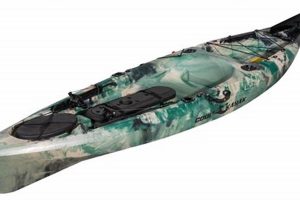
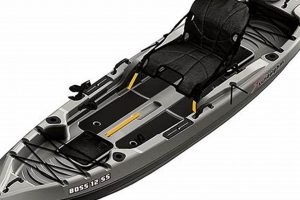
Specialized kayaks play a crucial role in the effectiveness and enjoyment of Jupiter kayak fishing. The selection of an appropriate kayak influences maneuverability, stability, and the ability to access prime fishing locations. Different kayak designs cater to specific fishing styles and environmental conditions prevalent in the Jupiter area. Understanding the features and benefits of specialized fishing kayaks is essential for maximizing success and comfort on the water.
- Hull Design and Stability
Kayak hull design directly impacts stability and maneuverability. Wider, flatter hulls offer increased stability, particularly advantageous in calm waters and for stand-up fishing, a popular technique in Jupiter’s shallow flats. However, these designs may sacrifice some maneuverability in tighter spaces like mangrove creeks. Longer, narrower hulls provide better tracking and speed, suitable for covering greater distances in open water, such as when targeting nearshore reefs. The choice between stability and maneuverability depends on the intended fishing locations and personal preferences. For example, a shorter, wider kayak might be preferred for fishing the Loxahatchee River, while a longer, narrower kayak might be better suited for fishing near the Jupiter Inlet.
- Features for Fishing
Specialized fishing kayaks often incorporate features designed to enhance angling efficiency. Built-in rod holders, tackle storage compartments, and anchor trolleys streamline the fishing process. Elevated seating positions improve visibility for spotting fish and casting. Live wells or bait tanks provide convenient storage for live bait, crucial for targeting certain species. These specialized features contribute to a more organized and productive fishing experience. For example, rod holders allow anglers to keep multiple rods rigged and ready, while tackle storage compartments keep lures and tools organized and easily accessible.
- Propulsion Systems
While traditional paddle kayaks offer a quiet and immersive experience, other propulsion systems, such as pedal drives or electric motors, provide advantages for covering larger distances or fishing in stronger currents. Pedal drives allow anglers to maintain a fishing position while simultaneously propelling the kayak, freeing their hands for casting and retrieving. Electric motors offer increased speed and range, beneficial for reaching offshore fishing spots or navigating against strong tides. The choice of propulsion depends on the specific fishing needs and the physical capabilities of the angler. For instance, an electric motor might be preferable for reaching deeper reefs offshore, while a pedal drive might be more efficient for covering large, shallow flats.
- Material and Durability
Kayak construction materials influence durability, weight, and performance. Polyethylene kayaks are commonly chosen for their affordability and impact resistance, suitable for navigating shallow, obstacle-filled environments. Composite materials, such as fiberglass or carbon fiber, offer lighter weight and improved performance, but typically come at a higher cost. The choice of material should align with the intended use and budget. For example, a durable polyethylene kayak might be more suitable for navigating oyster beds and shallow mangrove areas, while a lighter composite kayak might be preferred for longer expeditions or enhanced speed.
The selection of a specialized kayak directly impacts the overall effectiveness and enjoyment of Jupiter kayak fishing. Matching the kayak’s features to the specific fishing environment, target species, and personal preferences maximizes efficiency and comfort on the water. Investing in appropriate equipment contributes significantly to a more productive and rewarding fishing experience in Jupiters diverse waters. Consideration of these factors ultimately ensures anglers are well-equipped to tackle the challenges and opportunities presented by Jupiter’s unique inshore fishery.
5. Technique

Shallow water angling forms a cornerstone of the Jupiter kayak fishing experience. The shallow flats, mangrove-lined creeks, and seagrass beds characteristic of Jupiter’s inshore waters necessitate specialized techniques. Kayak fishing, by its nature, allows access to these shallow areas often inaccessible to larger vessels. This access, combined with the clear water conditions frequently encountered, makes sight fishing a prominent technique. Anglers spot fish in the shallows and present lures or bait with precision. For example, casting a shrimp imitation lure near a submerged oyster bar or mangrove root can entice a snook or redfish. Similarly, drifting a live crab across a seagrass flat can attract a hungry tarpon. The shallow water environment dictates the types of lures and presentations used, often favoring weedless rigged soft plastics or topwater lures that minimize snags in the vegetation.
The shallow water environment also influences fish behavior and feeding patterns. Tides play a significant role, dictating water depth and current flow. Anglers must understand tidal movements to predict fish location and activity. During high tides, fish may move into flooded mangroves or onto shallow flats to feed. During low tides, they may concentrate in deeper channels or potholes. Knowledge of these tidal influences is critical for successful shallow water angling. Furthermore, wind and weather conditions affect water clarity and fish behavior. Calm, sunny days often provide optimal sight fishing opportunities, while windy or cloudy conditions may require anglers to adjust their techniques and target different areas. Adapting to these environmental factors is essential for consistent success.
Mastery of shallow water angling techniques is crucial for maximizing the Jupiter kayak fishing experience. This includes understanding fish behavior, utilizing appropriate tackle and lures, and adapting to changing environmental conditions. The shallow water focus distinguishes Jupiter kayak fishing from other forms of angling and presents unique challenges and rewards. This specialization requires anglers to develop a keen understanding of the interplay between environment, species, and technique. Successful application of these principles results in a more productive and fulfilling angling experience in Jupiter’s rich inshore waters.
6. Regulations
Regulations, specifically local fishing licenses, are integral to the sustainability of jupiter kayak fishing. Licensing requirements directly contribute to conservation efforts by funding resource management, habitat restoration, and enforcement activities. These regulations ensure the long-term health of fish populations and the preservation of the diverse ecosystems supporting them. For example, license fees contribute to the Florida Fish and Wildlife Conservation Commission’s efforts to monitor fish stocks, enforce regulations, and conduct research on important game fish species like snook and redfish, which are popular targets in Jupiter’s waters. Without proper licensing and regulation, overfishing could deplete these populations, negatively impacting the local ecosystem and the recreational opportunities it provides.
Furthermore, fishing licenses in Jupiter, like elsewhere in Florida, often include specific regulations tailored to local conditions. These may encompass size limits, bag limits, seasonal closures, and gear restrictions designed to protect vulnerable species or habitats. For example, snook fishing in the Jupiter area is often subject to strict regulations, including closed seasons designed to coincide with their spawning periods. Similarly, regulations may prohibit the harvest of certain species within designated areas, like seagrass beds crucial for juvenile fish development. Understanding and adhering to these local regulations demonstrates responsible angling practices and ensures compliance with conservation efforts. Ignoring regulations can lead to penalties and undermines the collective effort to maintain a healthy fishery. Resources like the FWC website and local bait and tackle shops provide up-to-date information on specific regulations applicable to Jupiter kayak fishing.
In summary, obtaining and adhering to local fishing license regulations in Jupiter is not merely a legal requirement but a crucial element of responsible kayak fishing. It represents a direct contribution to the long-term sustainability of the fishery and the preservation of the unique ecosystem that supports it. Understanding the connection between licensing, conservation, and the specific regulations governing Jupiter’s waters ensures anglers can enjoy this recreational activity responsibly and contribute to its continued viability for future generations. This responsible approach benefits both the environment and the anglers who enjoy its bounty.
Frequently Asked Questions about Kayak Fishing in Jupiter
This section addresses common inquiries regarding kayak fishing in Jupiter, Florida, providing concise and informative responses.
Question 1: What are the primary target species for kayak anglers in Jupiter?
Common targets include snook, redfish, tarpon, spotted seatrout, and various snapper species. The specific species encountered can vary depending on the season and location.
Question 2: Are fishing licenses required for kayak fishing in Jupiter?
Yes, a valid Florida fishing license is required for residents and non-residents. Specific license requirements vary based on age and residency status. Consult the Florida Fish and Wildlife Conservation Commission (FWC) for detailed information.
Question 3: What are the recommended safety precautions for kayak fishing in Jupiter?
Essential safety measures include wearing a personal flotation device (PFD), carrying a whistle or signaling device, informing someone of fishing plans, checking weather forecasts, and being aware of boat traffic and potential hazards like shallow areas or submerged structures.
Question 4: What type of kayak is best suited for fishing in Jupiter?
Sit-on-top kayaks designed specifically for fishing are generally recommended. These kayaks offer stability, specialized features like rod holders and storage compartments, and ease of re-entry in case of capsizing.
Question 5: What are the best times to fish from a kayak in Jupiter?
Fishing success can be influenced by tides, weather, and seasonal patterns. Incoming and outgoing tides often create favorable feeding conditions for inshore species. Early morning and late afternoon can also be productive periods. Local knowledge and fishing reports can provide more specific guidance.
Question 6: Are guided kayak fishing tours available in Jupiter?
Yes, several local outfitters offer guided kayak fishing tours in Jupiter. These tours provide novice anglers with instruction, equipment, and access to productive fishing locations. Guided tours can enhance safety and increase the likelihood of a successful fishing experience.
Understanding these frequently asked questions provides a foundation for planning a successful and enjoyable kayak fishing trip in Jupiter. Further research and consultation with local resources can offer additional insights and enhance preparedness.
Additional resources and detailed information can be found on the Florida Fish and Wildlife Conservation Commission website and through local outfitters.
Conclusion
Exploration of this activity reveals a complex interplay of factors contributing to its unique character. The geographic attributes of Jupiter, Florida, provide access to diverse inshore and nearshore ecosystems, supporting a rich array of game fish species. The use of specialized kayaks enhances angler access to shallow-water habitats, while adherence to local regulations and conservation practices ensures the sustainability of this resource. Understanding fish behavior, mastering shallow-water angling techniques, and employing appropriate equipment maximizes the potential for a rewarding experience.
This pursuit offers more than simply catching fish; it represents a connection with the natural environment and a commitment to responsible recreational practices. Continued exploration of this activity promises further insights into the delicate balance between human interaction and the preservation of valuable coastal ecosystems. The future of this activity relies on informed decision-making, promoting conservation, and fostering a deep respect for the natural resources that sustain it.