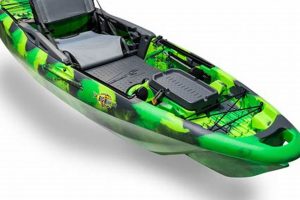
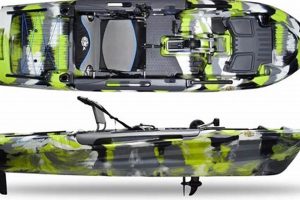
Essential equipment for angling from a kayak enhances safety, improves fishing success, and contributes to a more enjoyable experience on the water. This specialized equipment addresses the unique challenges and opportunities presented by kayak fishing, from stability and navigation to fish finding and landing.
Appropriate equipment selection plays a vital role in ensuring a safe and productive fishing trip. Historically, kayak fishing relied on adaptations of general angling gear. However, the growing popularity of this sport has fueled the development of purpose-built equipment, reflecting an understanding of the specific needs and demands of anglers operating from kayaks. This evolution has led to significant improvements in functionality, comfort, and safety.
The following sections will explore key categories of specialized equipment recommended for kayak anglers, offering insights into selection criteria and practical usage advice.
Essential Kayak Fishing Equipment Tips
Careful selection of specialized equipment significantly impacts safety and success while kayak fishing. These tips offer guidance on choosing and utilizing essential gear.
Tip 1: Prioritize a Personal Flotation Device (PFD). A properly fitted PFD is paramount for safety. Consider designs specifically engineered for kayak fishing, offering enhanced mobility and storage options.
Tip 2: Choose a Stable and Maneuverable Kayak. Kayak selection depends on fishing style and water conditions. Shorter kayaks offer greater maneuverability, while longer kayaks track better in open water. Sit-on-top kayaks provide superior stability and ease of re-entry.
Tip 3: Invest in a Quality Paddle. Lightweight paddles with adjustable drip rings reduce fatigue and keep the kayak drier. Consider a spare paddle for emergencies.
Tip 4: Equip the Kayak with a Reliable Anchor. A lightweight anchor with adequate line allows anglers to maintain position in currents or wind. Anchor trolleys further enhance control.
Tip 5: Utilize a Fish Finder. Fish finders significantly improve angling success by locating fish and identifying underwater structures. Choose models designed for kayak use with compact displays and transducer mounting options.
Tip 6: Organize Tackle with a Dedicated Storage System. Kayak-specific tackle boxes and storage solutions maximize space and ensure easy access to essential gear while maintaining stability.
Tip 7: Protect Electronics with Waterproof Cases. Waterproof cases and bags safeguard valuable electronics like phones, GPS units, and cameras from water damage.
Tip 8: Carry Essential Safety Gear. A whistle, signaling mirror, first-aid kit, and knife are crucial for safety and emergency preparedness.
Implementing these recommendations will enhance safety, improve fishing success, and contribute to a more enjoyable kayak fishing experience.
By considering these equipment tips, anglers can confidently embark on their kayak fishing adventures, prepared for a productive and safe experience on the water.
1. Personal Flotation Device (PFD)

A Personal Flotation Device (PFD) stands as a cornerstone of essential kayak fishing equipment. Its primary function, ensuring angler safety, makes it a non-negotiable component of responsible angling practice. Understanding the diverse types of PFDs and their specific features contributes significantly to informed decision-making and enhanced on-water safety.
- Inherent Buoyancy and Flotation Assistance
PFDs provide inherent buoyancy, keeping anglers afloat in the event of capsizing or accidental immersion. Inherently buoyant PFDs rely on closed-cell foam for flotation, requiring minimal maintenance. Inflatable PFDs, offering greater comfort and range of motion, rely on CO2 cartridges for inflation. Regardless of type, adequate flotation assistance is critical for self-rescue and survival in aquatic environments.
- PFD Types and Kayak Fishing Suitability
Various PFD types exist, each designed for specific activities. Type III PFDs, designed for calm, inland waters where rapid rescue is likely, are generally preferred for kayak fishing due to their balance of comfort and functionality. These allow for a wide range of motion ideal for casting and paddling. Type V PFDs, specialized for specific activities, may offer additional features like automatic inflation, but require careful consideration of their suitability for individual fishing scenarios.
- Fit and Comfort Considerations
Proper fit is paramount for PFD effectiveness and comfort. A correctly fitted PFD should allow for unrestricted movement while paddling and casting, yet remain secure and in place during capsizing. Adjustable straps and buckles facilitate a customized fit. Discomfort or restricted movement can lead to improper wear or removal, negating the safety benefits of the PFD.
- Additional Features and Considerations
Modern PFDs often incorporate features like pockets and attachment points for accessories such as whistles, knives, and GPS devices. High-visibility colors and reflective elements enhance visibility in low-light conditions. Integrating these features further contributes to both safety and functionality during kayak fishing excursions.
Selecting an appropriate PFD is a critical aspect of pre-trip planning for kayak anglers. Prioritizing proper fit, understanding the different PFD types, and considering additional features ensures optimal safety and contributes to a more enjoyable and secure fishing experience. A properly chosen and consistently worn PFD significantly mitigates risk and enhances the overall safety profile of kayak fishing.
2. Paddle
A paddle’s vital role in kayak fishing positions it as a cornerstone of essential equipment. Effective propulsion and maneuverability depend entirely on this tool, directly impacting angling success and safety. Consider the scenario of navigating through dense vegetation or precisely positioning a kayak for an optimal cast: paddle selection significantly influences the angler’s ability to execute these maneuvers effectively. The paddle functions as the primary means of propulsion, enabling exploration of diverse fishing locations and precise boat control in challenging conditions.
Paddle characteristics influence performance. Blade shape, shaft length, and material construction affect paddling efficiency and comfort. A shorter paddle with wider blades provides greater maneuverability in tight spaces, while a longer, narrower blade suits open water paddling. Lightweight materials, such as carbon fiber, reduce fatigue during extended trips. The choice of paddle directly impacts physical exertion, comfort, and overall fishing experience. For instance, a feathered paddle reduces wind resistance, improving efficiency, while an adjustable-length paddle accommodates varying water conditions and paddling styles. Investing in a high-quality paddle tailored to individual needs and fishing style significantly improves performance.
Understanding the critical relationship between paddle selection and successful kayak angling underscores its inclusion among essential equipment. Choosing a paddle suited to individual physical attributes, fishing style, and anticipated water conditions contributes significantly to efficient propulsion, precise boat control, and a positive overall fishing experience. Overlooking paddle selection can compromise maneuverability, create unnecessary physical strain, and ultimately detract from fishing success. Appropriate paddle selection empowers anglers to navigate efficiently, position effectively, and fully engage with their chosen fishing environment.
3. Rod and Reel

Rod and reel selection significantly influences effectiveness in kayak fishing. Their combined function as the primary means of presenting lures and battling fish necessitates careful consideration within the context of essential kayak fishing equipment. Cause and effect relationships exist between rod and reel choice and fishing outcomes. For example, a shorter, more robust rod may be necessary for targeting powerful fish in close quarters, while a longer, lighter rod might be preferable for casting lighter lures at distance. Selecting an inappropriate rod and reel combination can lead to lost fish, decreased casting accuracy, and an overall less productive fishing experience. The relationship between rod, reel, and targeted species plays a crucial role in successful kayak angling.
As integral components of essential gear, rods and reels specifically designed for kayak fishing offer advantages. Shorter rod lengths facilitate maneuverability within the confines of a kayak. Low-profile reels minimize tangling with other equipment. Specialized rod holders integrated into kayak designs secure rods during transport and while fighting fish. Real-world examples illustrate the practical implications of these adaptations. Anglers targeting largemouth bass from a kayak might opt for a shorter, baitcasting rod paired with a low-profile reel, enabling accurate casts beneath overhanging branches while providing the power to control strong fish. Conversely, anglers trolling for trout might choose a longer spinning rod with a sensitive reel to detect subtle bites. Appropriately chosen rod and reel combinations directly contribute to angling success from a kayak.
Understanding the significance of rod and reel selection contributes meaningfully to positive kayak fishing outcomes. Recognizing the interplay between equipment choice and fishing technique enhances efficiency and enjoyment. Challenges, such as limited space and the need for specialized equipment, underscore the importance of careful rod and reel selection. This critical component of essential kayak fishing gear enables anglers to effectively target specific species, maneuver within the constraints of a kayak, and ultimately achieve a more productive and rewarding fishing experience. The angler’s understanding of the limitations and advantages conferred by rod and reel choices directly influences their success and enjoyment on the water.
4. Tackle Box

Effective tackle organization is paramount in kayak fishing, elevating the tackle box to a position of critical importance among essential gear. Limited space and the need for efficient access necessitate a well-organized and readily accessible tackle system. A disorganized or cumbersome tackle arrangement can disrupt fishing flow, leading to wasted time and missed opportunities. The tackle box serves as the central hub for lures, tools, and terminal tackle, directly impacting an angler’s preparedness and responsiveness to changing fishing conditions.
- Storage Capacity and Compartmentalization
Tackle boxes designed for kayak fishing often prioritize compact design and efficient compartmentalization. Multiple compartments, trays, and dividers allow for organized storage of various lure types, hooks, weights, and tools. This structured organization facilitates rapid retrieval of specific items, minimizing search time and maximizing fishing efficiency. Consider the scenario of needing to quickly switch from a topwater lure to a bottom-jig based on changing fish behavior: a well-compartmentalized tackle box allows for a seamless transition, maintaining fishing momentum.
- Portability and Secure Closure
Kayak-specific tackle boxes emphasize portability and secure closure mechanisms. Lightweight construction and compact dimensions facilitate easy transport and storage within the limited confines of a kayak. Secure latches and waterproof seals safeguard against accidental spills and water damage, preserving valuable tackle investments. Imagine navigating rough water or experiencing an unexpected capsize: a securely closed and waterproof tackle box protects essential gear from loss or damage.
- Integration with Kayak Systems
Many kayaks feature integrated tackle storage systems or mounting points designed to accommodate tackle boxes securely. This integration ensures that the tackle box remains within easy reach while maintaining stability and maximizing usable space within the kayak. Consider the efficiency of reaching for a needed lure without having to shift body weight or search through a cluttered storage area: integrated tackle systems streamline the fishing process and enhance overall angling efficiency.
- Customization and Adaptability
Modular tackle box designs offer customizable storage solutions tailored to individual angling preferences. Adjustable dividers and removable trays allow anglers to configure compartments based on specific tackle requirements. This adaptability accommodates diverse fishing styles and target species, ensuring that the tackle box remains a versatile and efficient organizational tool. For example, an angler focusing on fly fishing might configure their tackle box with compartments specifically designed for flies, tippet material, and other fly-fishing essentials, while a bass angler might prioritize compartments for various lures and terminal tackle.
The tackle box, therefore, transcends its role as a simple storage container and becomes an integral component of the essential gear ensemble for kayak fishing. By facilitating efficient organization, accessibility, and protection of tackle, a well-chosen tackle box contributes significantly to a streamlined and productive fishing experience. Its impact on preparedness, responsiveness, and overall fishing efficiency solidifies its place as a must-have item for any serious kayak angler. The strategic selection and organization of a tackle box directly correlate with an anglers ability to adapt to changing conditions and maximize fishing success from a kayak.
5. Fish Finder

Fish finders have become integral to contemporary kayak angling, significantly influencing success and efficiency. Their ability to provide real-time underwater insights elevates them beyond mere convenience to a crucial component of essential kayak fishing gear. Cause and effect relationships directly link fish finder utilization to improved angling outcomes. Locating fish concentrations, identifying underwater structures, and understanding bottom composition empowers anglers to make informed decisions about lure selection, presentation, and fishing location. Without a fish finder, anglers rely primarily on guesswork and experience, potentially missing prime fishing opportunities. For example, locating a submerged rock pile or drop-off using a fish finder can drastically increase the likelihood of encountering target species. The information provided by a fish finder directly translates into increased efficiency and catch rates, solidifying its position as essential equipment.
Several practical applications underscore the importance of fish finders in kayak fishing. Drift fishing, a common kayak angling technique, benefits significantly from real-time depth and bottom contour information provided by fish finders. This data allows anglers to maintain optimal lure depth and presentation, increasing the chances of enticing a strike. Similarly, trolling from a kayak becomes significantly more efficient with a fish finder. Identifying areas with baitfish or favorable bottom structures enhances lure placement and maximizes the likelihood of encountering target species. Real-world scenarios highlight the practical value of fish finders. An angler seeking crappie suspended over deep water can use a fish finder to pinpoint the precise depth and location of the fish, maximizing the effectiveness of their jigging technique. Similarly, an angler targeting offshore reefs can utilize a fish finder to navigate directly to the structure and identify promising fishing spots. Such applications demonstrate the fish finder’s capacity to transform kayak fishing from a passive pursuit into a strategic and data-driven endeavor.
In summary, fish finders offer substantial advantages to kayak anglers, impacting efficiency, success, and overall fishing experience. Addressing the challenges of limited visibility and dynamic underwater environments, these devices provide critical insights that inform strategic decision-making. Their practical applications in various kayak fishing techniques, coupled with demonstrable improvements in catch rates, cement their place as a key component of “kayak fishing must-have gear.” Integrating fish finder technology empowers anglers to optimize their approach, maximize their time on the water, and ultimately achieve a more productive and fulfilling kayak fishing experience. The evolution of kayak fishing towards a more data-driven and technology-enhanced pursuit places the fish finder firmly within the realm of essential equipment for the modern kayak angler.
Frequently Asked Questions about Essential Kayak Fishing Equipment
Addressing common queries regarding essential equipment contributes to informed decision-making and enhances the overall kayak fishing experience. Clarity regarding equipment choices promotes safety and improves angling success.
Question 1: How important is a kayak-specific PFD?
While any approved PFD enhances safety, kayak-specific designs prioritize comfort and mobility during paddling and casting. Features like high-back flotation and strategically placed pockets minimize interference with kayak movements.
Question 2: What paddle length is suitable for kayak fishing?
Optimal paddle length depends on factors such as kayak width, angler height, and paddling style. Shorter paddles offer greater maneuverability, while longer paddles provide more leverage and speed. Consulting paddle sizing charts or experienced kayak anglers assists in determining the appropriate length.
Question 3: What type of rod and reel is best suited for kayak fishing?
Rod and reel selection hinges on target species and fishing techniques. Shorter rods offer advantages in confined spaces, while longer rods facilitate longer casts. Baitcasting reels excel in handling heavier lines and larger fish, while spinning reels offer versatility for various lure types.
Question 4: How does one choose an appropriate anchor for a kayak?
Anchor selection depends on factors such as water depth, current strength, and bottom composition. Folding anchors offer convenient storage, while grapple anchors excel in gripping rocky bottoms. Appropriate anchor sizing ensures effective holding power while minimizing weight.
Question 5: Are waterproof bags necessary for kayak fishing electronics?
Waterproof bags and cases provide essential protection for electronics such as phones, GPS units, and fish finders. Safeguarding these devices against water damage ensures continued functionality and prevents costly replacements.
Question 6: What other safety gear should accompany essential kayak fishing equipment?
Essential safety gear includes a whistle, signaling mirror, first-aid kit, knife, and bilge pump. These items enhance preparedness for emergencies and contribute significantly to on-water safety.
Careful consideration of these frequently asked questions equips prospective kayak anglers with the knowledge necessary to make informed decisions about essential equipment. Prioritizing safety and functionality in gear selection contributes to productive and enjoyable fishing experiences.
For a deeper exploration of specific equipment categories and recommendations, consult the detailed sections provided below.
Essential Kayak Fishing Equipment
Appropriate equipment selection remains paramount for safe and successful kayak angling. This exploration has highlighted key gear categories, including personal flotation devices, paddles, rods and reels, tackle management systems, fish finders, and essential safety equipment. Each element contributes significantly to angler safety, fishing efficiency, and overall enjoyment on the water. Careful consideration of individual needs, target species, and anticipated fishing conditions informs effective equipment choices. Prioritizing quality and functionality ensures preparedness for the unique challenges and opportunities presented by the kayak fishing environment.
Strategic equipment acquisition empowers anglers to confidently navigate diverse waterways, target specific species effectively, and maximize their time on the water. An investment in essential kayak fishing gear translates directly into enhanced safety, improved fishing outcomes, and a deeper appreciation for the sport. Continued exploration of specialized equipment advancements and refined angling techniques further contributes to the evolution and enjoyment of kayak fishing. The pursuit of knowledge and preparedness remains central to responsible and rewarding angling experiences.