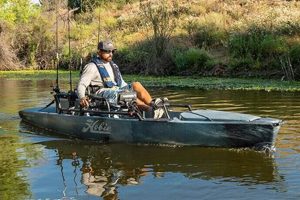
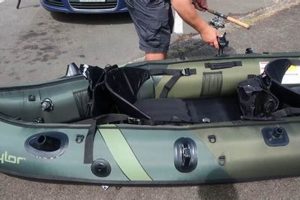
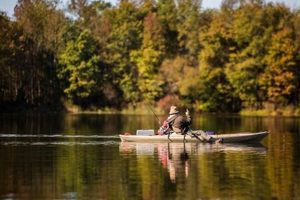
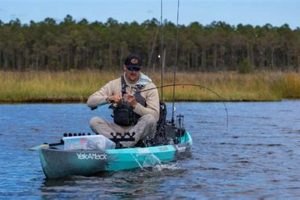
This activity involves angling from a small, human-powered watercraft within the canals, estuaries, and nearshore waters surrounding Cape Coral, Florida. It offers a unique way to explore the area’s diverse ecosystem while pursuing a variety of fish species.
The shallow-water access afforded by this approach allows anglers to target species like redfish, snook, and tarpon in their natural habitats. It’s a physically engaging pursuit offering a close connection with nature. The relatively low cost of entry compared to motorized boating makes it an accessible recreational activity. Furthermore, it contributes to the local economy through kayak rentals, fishing gear sales, and tourism.
The following sections will explore specific techniques, ideal locations, necessary equipment, and relevant regulations for successful and sustainable angling in this vibrant coastal environment.
Tips for Kayak Fishing in Cape Coral
Successful angling from a kayak in Cape Coral requires preparation and adherence to best practices. The following tips offer guidance for a safe and productive experience.
Tip 1: Prioritize Safety Equipment. Always wear a personal flotation device (PFD). Carry a whistle, signaling mirror, and waterproof communication device. Inform someone of the intended fishing location and estimated return time.
Tip 2: Understand Tidal Influences. Tides significantly impact fish behavior and access to shallow areas. Consult tide charts before venturing out and plan accordingly.
Tip 3: Employ Stealth Techniques. Minimize noise and sudden movements. Approach fishing spots quietly using paddle strokes designed for minimal disturbance.
Tip 4: Select Appropriate Tackle. Use lighter tackle suited for the target species. Shorter rods and reels are often advantageous in the confined space of a kayak.
Tip 5: Practice Catch and Release. Proper handling and release techniques ensure the sustainability of fish populations. Use appropriate tools and minimize handling time.
Tip 6: Respect Wildlife and the Environment. Avoid disturbing nesting birds and other wildlife. Pack out all trash and fishing line. Adhere to designated no-fishing zones.
Tip 7: Check Weather Conditions. Be aware of wind speeds and potential storms. Postpone trips if conditions are unfavorable.
By adhering to these guidelines, anglers can enjoy a rewarding experience while minimizing risks and contributing to the preservation of Cape Coral’s natural resources. These practices enhance the likelihood of a successful and enjoyable fishing trip.
Careful planning, mindful angling, and respect for the environment are key elements of successful kayak fishing in Cape Coral.
1. Quiet Launching

Quiet launching is a crucial element of successful kayak fishing in Cape Coral. Minimizing disturbance upon entering the water increases the likelihood of encountering fish, particularly in shallow or heavily fished areas. A stealthy approach allows anglers to get closer to their target species without alarming them.
- Minimizing Noise Pollution
Sound travels easily through water. Loud splashes, banging equipment, or even excessive conversation can spook fish. Quiet launching involves gentle entry into the water, careful placement of gear, and minimized on-the-water chatter. This approach is especially important in the shallow backwater areas common in Cape Coral.
- Reducing Water Disturbance
Sudden movements and excessive splashing create pressure waves that fish can detect. A smooth, controlled launch minimizes these disturbances, allowing anglers to approach fish undetected. Sliding the kayak gently into the water, avoiding abrupt drops or rocking motions, contributes significantly to a stealthy entry. This is particularly relevant when targeting species like snook or redfish, which are known to be sensitive to disturbances.
- Respecting Other Anglers and Wildlife
A quiet launch contributes to a more peaceful and enjoyable experience for everyone on the water. Minimizing noise respects other anglers by not disrupting their fishing. It also minimizes disturbance to local wildlife, contributing to a more harmonious environment. This practice is particularly pertinent in areas with high angling pressure or sensitive ecosystems.
- Improving Stealth and Approach
Quiet launching sets the stage for a more stealthy approach to fishing spots. By minimizing initial disturbance, anglers can maintain a low profile as they navigate to their desired locations. This enhanced stealth contributes to a more natural presentation of lures or bait, increasing the chances of attracting and hooking fish.
In Cape Coral’s intricate network of canals and estuaries, where fish are often wary of human activity, quiet launching becomes essential for maximizing fishing success. It’s a fundamental technique that contributes to both an angler’s effectiveness and the overall enjoyment of the fishing experience.
2. Shallow Water Access

Shallow water access represents a significant advantage of kayak fishing in Cape Coral. The intricate network of canals, estuaries, and back bays provides ample opportunities to explore shallow-water habitats often inaccessible to larger vessels. This access is crucial for targeting species that prefer these environments.
- Targeting Shallow-Water Species
Many prized game fish, including redfish, snook, and baby tarpon, thrive in the shallow flats and mangrove-lined shorelines of Cape Coral. Kayaks allow anglers to silently navigate these areas, presenting lures or bait directly to these target species. This direct access significantly increases the chances of a successful catch compared to fishing from deeper water or from shore.
- Exploiting Tidal Flows
Shallow water fishing in Cape Coral is closely tied to tidal movements. Incoming tides bring baitfish and other prey into the shallows, attracting larger game fish. Kayaks offer the maneuverability to navigate these dynamic environments, allowing anglers to position themselves strategically along channels and drop-offs where fish concentrate during tidal changes. Understanding tidal flows and their impact on fish behavior is key to maximizing shallow water access.
- Sight Fishing Opportunities
The clear, shallow waters of Cape Coral provide excellent sight fishing opportunities. Anglers in kayaks have a lower profile and can approach fish with less disturbance, allowing them to spot fish and present their offerings with precision. Sight fishing adds an exciting dimension to the experience, requiring careful observation, accurate casting, and a keen understanding of fish behavior.
- Navigating Restricted Areas
Kayaks can access shallow creeks, narrow channels, and areas dense with vegetation that are often inaccessible to larger boats. This maneuverability opens up a wider range of fishing spots, allowing anglers to explore less pressured areas and discover hidden pockets where fish may congregate. This advantage is particularly valuable in Cape Coral, with its extensive network of shallow, interconnected waterways.
The ability to access shallow water environments is a defining characteristic of kayak fishing in Cape Coral. It provides anglers with unique opportunities to target specific species, exploit tidal flows, engage in sight fishing, and explore areas beyond the reach of larger vessels. This access enhances the overall fishing experience and contributes significantly to the appeal of kayak angling in this region.
3. Species-specific tackle
Effective kayak fishing in Cape Coral necessitates utilizing species-specific tackle. Targeted approaches maximize catch rates and minimize environmental impact through efficient hooksets and reduced fight times. Understanding the preferred prey and feeding habits of target species informs tackle choices.
- Rod and Reel Selection
Rod length and action, combined with appropriate reel size and line capacity, should align with the target species. Lighter tackle suits smaller species like speckled trout, while heavier setups are necessary for larger game fish such as tarpon or snook. Shorter rods offer advantages in the confined space of a kayak.
- Line and Leader Choice
Line weight and leader material should be appropriate for the target species and fishing environment. Braided line offers strength and sensitivity for detecting bites, while fluorocarbon leaders provide abrasion resistance and low visibility in clear water. Leader strength should match the potential size of the target species.
- Lure and Bait Considerations
Lure selection should mimic the prevalent forage in the area. Live bait, such as shrimp or pilchards, is often effective. Artificial lures, including topwater plugs, jigs, and soft plastics, can also be successful. Matching lure size and color to the target species’ prey preferences increases the likelihood of attracting strikes.
- Hook Selection and Rigging
Hook size and style should match the target species and chosen bait or lure. Circle hooks are recommended for catch-and-release fishing, as they reduce the likelihood of deep hooking. Proper rigging techniques ensure optimal lure presentation and hookset effectiveness. Understanding knot tying and rigging techniques is crucial for maximizing fishing success.
Employing species-specific tackle significantly improves fishing success and promotes responsible angling practices in Cape Coral’s diverse fishery. Adapting tackle to the target species enhances efficiency and minimizes environmental impact by reducing fight times and promoting successful catch and release. Consideration of these factors contributes to a more rewarding and sustainable fishing experience.
4. Tidal Flow Awareness
Tidal flow awareness is paramount for successful kayak fishing in Cape Coral. The region’s extensive network of canals, estuaries, and back bays experiences significant tidal fluctuations, directly influencing fish behavior and movement. Understanding these patterns is crucial for locating feeding zones and predicting fish activity.
Tidal currents create predictable pathways for baitfish and crustaceans, concentrating prey and subsequently attracting larger game fish. Incoming tides often flood shallow flats and mangroves, providing feeding opportunities for species like redfish and snook. Conversely, outgoing tides flush these areas, pushing baitfish and predators into deeper channels and creating ambush points. Anglers aware of these patterns can position themselves strategically to intercept fish during these transitions. For example, fishing near channel mouths or along drop-offs during an outgoing tide can yield significant results. Conversely, targeting shallow flats during an incoming tide allows anglers to access areas teeming with baitfish and the predators that follow them. Failure to account for tidal flow can result in fishing unproductive areas or struggling against strong currents, diminishing the chances of success.
Effective kayak fishing in Cape Coral requires integrating tidal flow awareness into every aspect of the angling strategy. Consulting tide charts before venturing out is essential for planning launch times, identifying potential fishing spots, and anticipating fish movement. This knowledge allows anglers to optimize their time on the water and significantly improves their chances of a successful and rewarding fishing experience. Ignoring tidal influence can lead to frustration and limited success, while understanding and utilizing this natural force significantly enhances angling effectiveness.
5. Effective Fish Handling

Effective fish handling is crucial for the conservation of Cape Coral’s diverse fish populations and the long-term sustainability of kayak fishing in the region. The practice minimizes stress and injury to fish, promoting their survival after release. This is especially important in a popular fishing destination like Cape Coral, where catch-and-release practices are vital for maintaining healthy fish stocks. Proper handling contributes directly to the preservation of the ecosystem and ensures the enjoyment of future generations of anglers.
Minimizing air exposure is a key element of effective fish handling. Fish extracted from water require oxygen, and prolonged air exposure can lead to stress and suffocation. Supporting a fish horizontally keeps its internal organs aligned and reduces stress. Wet hands or a wet landing net further protect the fish’s sensitive slime coat, which provides defense against pathogens. Using appropriate tools, such as dehookers and pliers, facilitates quick and efficient hook removal, minimizing handling time and potential injury. Avoiding squeezing or putting pressure on the fishs gills is crucial, as these organs are delicate and essential for respiration. When photographing a catch, holding the fish gently and supporting its weight minimizes stress. Reviving a fish by gently moving it back and forth in the water until it swims away strongly ensures its successful return to the ecosystem. For example, a quickly revived and released snook has a much higher chance of survival than one held out of water for an extended period.
Effective fish handling techniques are not merely recommendations but essential practices for responsible angling in Cape Coral. They are a cornerstone of conservation efforts and contribute directly to the health and sustainability of the fishery. Implementing these methods ensures the continued vitality of the local fish populations and preserves the quality of the kayak fishing experience for years to come. Challenges remain, such as educating anglers about best practices and encouraging widespread adoption of these techniques. However, continued emphasis on proper fish handling will play a key role in protecting Cape Coral’s valuable aquatic resources.
6. Safety Precautions

Safety precautions are paramount in cape coral kayak fishing due to the inherent risks associated with navigating open water and encountering diverse environmental conditions. The shallow, often secluded nature of the waterways frequented by kayak anglers necessitates heightened vigilance. Potential hazards include shifting tides, strong winds, submerged obstacles, interactions with motorized vessels, and wildlife encounters. Neglecting safety protocols can lead to serious consequences, ranging from minor injuries to life-threatening situations. For instance, an angler failing to wear a personal flotation device (PFD) risks drowning if capsized by unexpected waves or a collision. Similarly, ignoring weather forecasts can expose kayakers to sudden storms, creating dangerous navigation challenges. Understanding and mitigating these risks is essential for a safe and enjoyable experience.
Several key safety precautions apply specifically to cape coral kayak fishing. Carrying a waterproof communication device allows anglers to contact emergency services if necessary. Informing someone ashore of the intended fishing location and estimated return time provides an additional layer of security. A first-aid kit equipped to address common fishing-related injuries, such as hook punctures and minor cuts, is essential. Navigation equipment, including a compass and GPS device, helps anglers maintain their bearings, especially in the intricate network of canals and waterways. Awareness of local regulations, such as speed limits and no-fishing zones, further contributes to safe navigation and responsible angling practices. A readily accessible paddle leash prevents losing the primary means of propulsion in the event of a capsize. Employing these precautionary measures significantly reduces the potential for accidents and enhances the overall safety of the fishing experience.
Prioritizing safety precautions is not merely advisable but crucial for responsible kayak fishing in Cape Coral. While the natural beauty and diverse fishery of the region offer a rewarding angling experience, the inherent risks demand careful planning and preparation. Integrating safety protocols into every aspect of the fishing trip ensures both personal well-being and the preservation of a positive recreational environment. Continued emphasis on safety education and responsible angling practices will contribute to the long-term sustainability and enjoyment of kayak fishing in Cape Coral.
7. Environmental Respect

Environmental respect forms an integral component of sustainable kayak fishing practices within Cape Coral. The delicate ecosystem, encompassing mangrove forests, seagrass beds, and estuarine habitats, supports a diverse range of species and plays a crucial role in the region’s ecological balance. Responsible angling practices are essential for preserving this environment for future generations. Disregarding environmental considerations can lead to habitat degradation, pollution, and disruption of the natural food chain, negatively impacting both the fish populations and the overall health of the ecosystem.
- Minimizing Disturbance to Wildlife
Kayak fishing offers a quiet and non-intrusive approach to angling, allowing access to shallow-water habitats without the noise and disturbance associated with motorized vessels. However, it’s crucial to avoid disturbing nesting birds, marine mammals, and other wildlife encountered during fishing excursions. Maintaining a respectful distance, minimizing noise, and refraining from interfering with natural behaviors are essential aspects of responsible kayak fishing. For instance, approaching nesting areas too closely can cause stress to birds and may lead to nest abandonment. Similarly, disturbing manatees or dolphins disrupts their natural feeding and resting patterns. Respectful observation contributes to the preservation of these species and the overall health of the ecosystem.
- Proper Waste Disposal
Discarding fishing line, hooks, and other debris can have detrimental effects on the marine environment. Discarded fishing line poses entanglement risks to marine animals, while ingested hooks can cause internal injuries. Plastic lures and other non-biodegradable materials contribute to pollution and can harm marine life. Responsible kayak anglers carry a dedicated trash bag or container to collect all waste generated during their fishing trip and dispose of it properly onshore. This practice minimizes pollution and protects the health of the ecosystem. Even seemingly small items like cigarette butts or food wrappers can have cumulative negative impacts if left behind.
- Preserving Habitats
Kayaks offer access to shallow, sensitive habitats like seagrass beds and mangrove forests, crucial nurseries for many fish species. Avoiding contact with these areas, particularly during low tides, helps prevent damage to these vital ecosystems. Seagrass beds provide essential habitat and food sources for a variety of marine life, while mangroves offer protection from storms and filter pollutants from the water. Damage to these habitats can disrupt the natural food chain and negatively impact fish populations. Responsible anchoring practices, such as using designated anchoring areas or employing shallow-water anchors, further minimize potential damage. Additionally, avoiding dragging kayaks across sensitive vegetation helps preserve these critical habitats.
- Adhering to Regulations
Compliance with fishing regulations, including catch limits, size restrictions, and seasonal closures, is essential for maintaining healthy fish populations and protecting the overall ecosystem. These regulations are based on scientific data and designed to ensure sustainable fishing practices. Exceeding catch limits or targeting protected species can deplete fish stocks and disrupt the natural balance of the ecosystem. Responsible anglers familiarize themselves with local fishing regulations and adhere to them strictly. This practice contributes to the long-term health and sustainability of the fishery and the overall well-being of the Cape Coral environment.
Integrating environmental respect into all aspects of kayak fishing in Cape Coral contributes directly to the long-term health and sustainability of the region’s valuable natural resources. These practices, while seemingly small on an individual level, have a cumulative positive impact on the ecosystem when adopted widely. Continued education and promotion of responsible angling practices are essential for preserving the unique beauty and diverse fishery of Cape Coral for future generations. The future of kayak fishing in the area depends on the collective commitment of anglers to prioritize environmental stewardship.
Frequently Asked Questions
This section addresses common inquiries regarding kayak fishing in Cape Coral, Florida, providing concise and informative responses.
Question 1: What are the most common fish species targeted by kayak anglers in Cape Coral?
Common targets include redfish, snook, speckled trout, tarpon, and snapper. The diverse ecosystem supports a variety of species accessible to kayak anglers.
Question 2: Are fishing licenses required for kayak fishing in Cape Coral?
Yes, a valid Florida fishing license is required for residents and non-residents. Licenses can be obtained online through the Florida Fish and Wildlife Conservation Commission (FWC) or at authorized vendors.
Question 3: What are the best times to fish from a kayak in Cape Coral?
Fishing success is often influenced by tidal movements. Incoming and outgoing tides create feeding opportunities for many species. Dawn and dusk are generally productive periods. Consulting tide charts and considering seasonal patterns is recommended.
Question 4: Where are suitable launch points for kayaks in Cape Coral?
Cape Coral offers numerous public boat ramps and kayak launch sites. Several parks and marinas provide convenient access points to the canals and waterways. Researching locations beforehand is advisable.
Question 5: What essential safety equipment should kayak anglers carry in Cape Coral?
Essential safety gear includes a personal flotation device (PFD), a whistle, a signaling mirror, a waterproof communication device, and a first-aid kit. Informing someone of the fishing plan is also recommended.
Question 6: Are there guided kayak fishing tours available in Cape Coral?
Several local outfitters offer guided kayak fishing tours catering to various skill levels. Guided tours provide instruction, local knowledge, and access to productive fishing spots. Researching reputable tour operators is recommended.
Careful consideration of these commonly asked questions contributes to a more informed and successful kayak fishing experience in Cape Coral.
The following section will delve deeper into specific techniques for targeting popular game fish species in Cape Coral’s unique inshore fishery.
Cape Coral Kayak Fishing
This exploration of Cape Coral kayak fishing has highlighted key elements contributing to a successful and sustainable angling experience. From understanding tidal influences and employing species-specific tackle to prioritizing safety precautions and practicing environmental respect, each aspect plays a crucial role. Shallow water access, a defining characteristic of this style of fishing, offers unique opportunities to target prized game fish in their natural habitats. Effective fish handling techniques ensure the preservation of these valuable resources, while adherence to safety protocols safeguards anglers navigating the intricate waterways. The quiet and non-intrusive nature of kayak fishing allows for a close connection with the natural environment, enhancing the overall angling experience.
Cape Coral kayak fishing offers a rewarding pursuit for those seeking a close connection with nature and the thrill of angling. Continued emphasis on responsible practices will ensure the preservation of this valuable resource and the enjoyment of future generations. The future of this unique fishery rests on the collective commitment to sustainable practices and the appreciation of the delicate balance within this vibrant ecosystem.