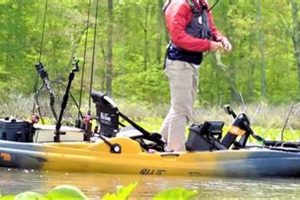
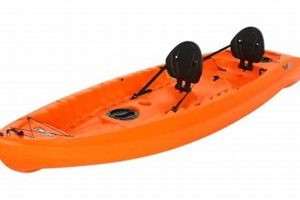
This activity involves angling from a small, human-powered watercraft in the waters surrounding the island nation of Mauritius. It offers a unique blend of sport and connection with nature, enabling anglers to access shallow, secluded areas teeming with diverse marine life often unreachable by larger vessels. The stability and maneuverability of kayaks make them ideal platforms for various fishing techniques.
The practice offers significant advantages for anglers seeking an intimate fishing experience. The quiet approach minimizes disturbance to fish, improving catch rates. Furthermore, the physical exertion inherent in paddling provides a rewarding physical challenge. Historically, small boats have been utilized for fishing in the region, showcasing a long-standing connection between the local population and the sea. The modern adaptation with specialized kayaks offers a sustainable and engaging way to carry on this tradition.
This discussion will further explore key aspects of this popular pursuit, including suitable kayak selection, essential equipment, ideal fishing locations around the island, local regulations, and sustainable fishing practices to ensure the preservation of this valuable resource.
Tips for Kayak Fishing in Mauritius
Successful outings require careful planning and preparation. The following tips offer valuable guidance for anglers of all experience levels.
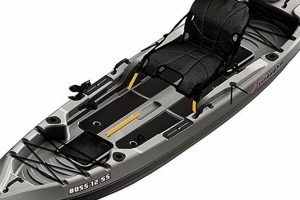
Tip 1: Choose the Right Kayak: Select a kayak designed for stability and fishing. Sit-on-top models offer greater maneuverability and ease of access to gear. Consider weight capacity and storage options based on individual needs.
Tip 2: Essential Equipment: Pack appropriate safety gear, including a personal flotation device, a whistle, and a communication device. Fishing-specific equipment should include rods, reels, tackle, and a landing net.
Tip 3: Research Fishing Locations: Explore various locations around the island to identify areas known for specific target species. Consider factors like water depth, currents, and accessibility.
Tip 4: Understand Local Regulations: Familiarize oneself with local fishing regulations, including licensing requirements and size limits for different species. Sustainable fishing practices are essential for preserving the marine environment.
Tip 5: Check Weather Conditions: Monitor weather forecasts before venturing out. Avoid fishing during strong winds or storms. Be aware of changing tides and currents.
Tip 6: Hire a Guide (Optional): For those unfamiliar with the area, hiring a local guide can enhance the experience. Guides possess valuable knowledge of fishing spots and techniques.
Tip 7: Practice Kayak Handling: Gain experience maneuvering a kayak before venturing into open waters. Practice essential skills, including paddling, turning, and maintaining balance.
Tip 8: Respect the Environment: Dispose of waste responsibly. Avoid disturbing marine life and coral reefs. Practice catch-and-release techniques whenever possible.
By adhering to these guidelines, individuals can maximize their chances of a successful and enjoyable experience while contributing to the preservation of the local marine ecosystem.
This concludes the discussion of essential tips for kayak fishing in Mauritius. The following section will offer further insights and resources.
1. Target Species

The diverse marine life surrounding Mauritius presents a variety of target species for kayak anglers. Species selection significantly influences equipment choices, fishing techniques, and location preferences. For example, targeting bonefish necessitates shallow-draft kayaks and specialized fly fishing gear, while pursuing larger pelagic species like marlin requires heavier tackle and robust ocean-going kayaks. Understanding the habits and habitats of target species is crucial for successful angling.
Marlin, tuna, dorado, wahoo, and sailfish represent popular pelagic targets, often found further offshore. Inshore species such as bonefish, permit, giant trevally, and various reef fish offer exciting opportunities in calmer waters. Matching fishing techniques to the target species enhances catch rates. Trolling lures works effectively for pelagic fish, while sight-fishing with flies or light tackle is productive for inshore species. Local knowledge regarding migratory patterns and seasonal availability of specific species proves invaluable.
Selecting appropriate target species based on skill level and available equipment contributes significantly to a successful and enjoyable experience. Furthermore, respecting size and bag limits for specific species, as outlined by local regulations, ensures sustainable fishing practices and the preservation of Mauritius’ valuable marine resources. Proper handling and release techniques minimize stress on caught fish, promoting healthy populations.
2. Kayak Selection

Appropriate kayak selection is paramount for successful kayak fishing in Mauritius. The chosen vessel directly impacts stability, maneuverability, and overall fishing effectiveness. Consideration of specific features, including hull design, length, and weight capacity, is essential. A stable platform is crucial for casting, reeling, and landing fish, particularly in challenging conditions. Maneuverability is key for navigating shallow waters, reefs, and currents prevalent in the region. Sufficient storage space accommodates essential fishing gear and safety equipment.
For example, a longer, narrower kayak offers superior tracking and speed in open water when targeting pelagic species like marlin or tuna. Conversely, a shorter, wider kayak provides enhanced stability and maneuverability in shallower, calmer waters suitable for pursuing bonefish or reef fish. Weight capacity dictates the amount of gear and supplies that can be safely carried. Features like rod holders, anchor trolleys, and fish finder mounts enhance the fishing experience. Furthermore, the choice between sit-on-top and sit-in kayaks depends on individual preferences and fishing conditions. Sit-on-tops offer greater stability and ease of re-entry in the event of a capsize, a significant advantage in the often unpredictable ocean environment.
Ultimately, careful kayak selection directly influences safety, comfort, and fishing success in the unique conditions of Mauritius. Understanding the interplay between vessel characteristics and the specific demands of the local fishing environment is essential for maximizing the overall experience. Failure to select an appropriate kayak can compromise safety and hinder fishing effectiveness. Investing time and research in selecting the correct kayak ensures a productive and enjoyable experience.
3. Location Scouting
Effective location scouting is fundamental to successful kayak fishing in Mauritius. Identifying productive fishing grounds requires careful consideration of various factors, including target species, prevailing currents, water depth, and accessibility. Thorough pre-fishing research significantly increases the likelihood of encountering desired species and enhances the overall fishing experience.
- Species-Specific Habitats
Different species inhabit specific areas. Bonefish frequent shallow flats and lagoons, while marlin prefer deeper offshore waters. Understanding these habitat preferences is crucial for effective location selection. For instance, targeting dorado requires venturing further offshore around fish aggregating devices (FADs), while seeking giant trevally might involve exploring rocky outcrops and reefs closer to shore. Matching location to target species maximizes catch rates.
- Currents and Tides
Ocean currents and tidal movements influence fish behavior and feeding patterns. Strong currents can concentrate baitfish, attracting larger predatory species. Understanding tidal flows helps predict optimal fishing times and locations. Consulting tide charts and local knowledge about current patterns provides a strategic advantage. For example, fishing near river mouths during outgoing tides can prove particularly productive.
- Water Depth and Bottom Structure
Water depth and underlying bottom structure play critical roles in fish distribution. Reefs, drop-offs, and seamounts attract various species. Utilizing nautical charts and depth finders helps identify promising fishing spots. For instance, locating underwater structures like submerged reefs increases the likelihood of encountering groupers or snappers. Understanding bathymetry enhances targeted fishing efforts.
- Accessibility and Safety
Accessibility and safety considerations are paramount when selecting fishing locations. Launching and landing sites must be suitable for kayaks. Prevailing weather conditions and potential hazards, like strong currents or reefs, must be assessed. Choosing locations within reasonable paddling distance ensures a safe and enjoyable experience. Prioritizing safety through careful planning minimizes risks associated with changing weather patterns or unforeseen circumstances.
Integrating these location-scouting considerations into pre-fishing planning significantly contributes to a successful kayak fishing experience in Mauritius. Strategic location selection maximizes opportunities to encounter target species while ensuring a safe and productive outing. Neglecting these factors can lead to unproductive fishing trips and potentially hazardous situations. Thorough preparation and informed decision-making are essential for maximizing the unique angling opportunities this island nation offers.
4. Safety Precautions
Safety precautions are paramount in kayak fishing around Mauritius. The ocean environment, while beautiful, presents inherent risks. Strong currents, changing weather conditions, and the presence of marine life necessitate careful planning and preparation. Neglecting safety protocols can lead to serious consequences, ranging from minor injuries to life-threatening situations. For example, venturing out without a personal flotation device (PFD) significantly increases the risk of drowning in the event of a capsize. Similarly, ignoring weather forecasts can expose anglers to sudden storms or rough seas, potentially leading to capsizing or stranding.
Several key safety measures must be observed. Wearing a PFD is non-negotiable. Carrying a communication device, such as a waterproof VHF radio or a mobile phone in a waterproof case, enables communication in emergencies. Checking weather forecasts before embarking ensures awareness of potential hazards and allows for informed decisions. Informing someone on shore of planned fishing locations and estimated return times provides an additional layer of security. Carrying essential safety equipment, including a whistle, flares, and a first-aid kit, further enhances preparedness for unforeseen events. Understanding local regulations regarding boating and fishing contributes to overall safety and legal compliance.
Prioritizing safety precautions is essential for a responsible and enjoyable experience. These measures mitigate potential risks associated with the marine environment, allowing anglers to focus on the sport. Adequate preparation empowers individuals to respond effectively to unexpected situations and promotes a culture of safety consciousness. Ultimately, responsible behavior ensures the well-being of anglers and contributes to the sustainable enjoyment of Mauritius’s marine resources.
5. Legal Compliance

Adhering to legal regulations governing fishing activities is crucial for the sustainability of marine resources and the preservation of the ecosystem in Mauritius. Compliance ensures responsible fishing practices, protecting fish populations and their habitats. Ignoring these regulations can lead to penalties, damage to the environment, and disruption of local communities dependent on healthy marine ecosystems. Understanding and respecting these legal frameworks is fundamental for all anglers, regardless of experience level.
- Fishing Permits and Licenses
Obtaining necessary permits and licenses is a prerequisite for legal fishing in Mauritian waters. Different permits may be required depending on the fishing method, target species, and fishing location. For instance, a specific permit might be required for angling in designated marine protected areas. Failure to possess valid documentation can result in fines and confiscation of equipment. Information on permit requirements is available from local authorities and fishing associations.
- Size and Bag Limits
Regulations dictate size and bag limits for various fish species to prevent overfishing and protect vulnerable populations. Adhering to these limits ensures the long-term health of fish stocks. For example, catching and keeping undersized fish disrupts breeding cycles and impacts future populations. Similarly, exceeding bag limits depletes resources and can negatively impact the ecosystem. Awareness of these limits and responsible catch-and-release practices are essential for conservation efforts.
- Restricted Fishing Areas and Seasons
Certain areas may be designated as no-fishing zones or have seasonal closures to protect sensitive habitats or breeding grounds. Respecting these restrictions safeguards critical ecosystems and allows fish populations to recover. Fishing in restricted areas during closed seasons disrupts breeding cycles and damages vulnerable habitats. Awareness of these closures and alternative fishing locations promotes sustainable fishing practices.
- Gear Restrictions
Regulations may restrict the type of fishing gear permitted in certain areas or for specific species. These restrictions aim to minimize environmental impact and ensure fair fishing practices. For instance, using certain types of nets might be prohibited to prevent bycatch and damage to coral reefs. Similarly, restrictions on hook sizes may be in place to protect specific fish species. Adhering to gear restrictions contributes to the preservation of marine ecosystems and promotes responsible angling.
Legal compliance in kayak fishing is not merely a matter of adhering to rules; it is a commitment to responsible environmental stewardship. By understanding and respecting these regulations, anglers contribute directly to the long-term health of Mauritius’s marine ecosystem, ensuring its sustainability for future generations. This commitment benefits both the environment and the angling community, preserving the rich biodiversity and fishing opportunities that Mauritius offers.
6. Environmental Impact
Minimizing environmental impact is a crucial aspect of responsible kayak fishing in Mauritius. The fragility of coastal ecosystems necessitates careful consideration of potential disturbances caused by fishing activities. Sustainable practices ensure the preservation of these valuable resources for future generations. Understanding the interconnectedness of human actions and environmental consequences is fundamental for all anglers.
- Disturbance to Marine Life
Kayaks, while less intrusive than motorized vessels, can still disturb marine life if not operated considerately. Approaching fish too closely or paddling through sensitive habitats like seagrass beds can cause stress and displacement. Maintaining a respectful distance and avoiding shallow, ecologically important areas minimizes disturbance. For example, excessive noise and sudden movements can frighten fish and disrupt their natural behavior. Similarly, anchoring directly on coral reefs can cause physical damage to these fragile structures. Practicing mindful kayaking promotes a healthy marine environment.
- Pollution from Fishing Gear
Discarded fishing line, hooks, and other gear pose significant threats to marine life. Entanglement in fishing line can injure or kill marine animals, while ingested hooks can cause internal injuries. Retrieving lost gear and disposing of waste responsibly minimizes these risks. For instance, discarded fishing line can entangle seabirds, turtles, and marine mammals, leading to injury or death. Similarly, plastic lures and other debris can be ingested by fish, causing digestive problems or accumulating toxins in the food chain. Proper disposal of fishing gear is essential for protecting marine life.
- Habitat Degradation
Improper anchoring practices and careless navigation can damage sensitive habitats like coral reefs and seagrass beds. Dragging anchors across reefs causes physical damage, while grounding kayaks in shallow seagrass areas can uproot and destroy these vital ecosystems. Employing appropriate anchoring techniques and navigating carefully minimizes habitat degradation. For example, using sand anchors instead of coral anchors prevents damage to reef structures. Similarly, avoiding shallow, vegetated areas when paddling protects seagrass beds, which serve as nurseries for many fish species.
- Chemical Pollution
Sunscreens, insect repellents, and other chemicals used by anglers can contaminate waterways and harm marine life. Choosing eco-friendly products and minimizing their use reduces chemical pollution. For example, some sunscreen chemicals can damage coral reefs, while insect repellents can contaminate water and harm aquatic organisms. Opting for biodegradable, reef-safe products minimizes the impact of these chemicals on the marine environment.
By minimizing these environmental impacts, kayak anglers contribute to the long-term health and sustainability of Mauritius’s marine ecosystem. Responsible practices ensure that future generations can continue to enjoy the rich biodiversity and fishing opportunities that this island nation offers. Integrating environmental awareness into every aspect of kayak fishing promotes a culture of conservation and fosters a harmonious relationship between humans and the marine world.
Frequently Asked Questions
This section addresses common inquiries regarding kayak fishing in Mauritius, providing concise and informative responses.
Question 1: What are the typical costs associated with kayak fishing in Mauritius?
Costs vary depending on whether one rents equipment or owns a kayak. Rental fees, guide services, and transportation expenses contribute to overall expenditure. Owning a kayak involves upfront investment but reduces long-term costs. Additional expenses include fishing licenses, tackle, and safety gear.
Question 2: Are there specific licensing requirements for kayak fishing?
A valid fishing license is generally required for angling in Mauritian waters. Specific requirements may vary based on fishing location and target species. Consulting local authorities or fishing associations provides accurate information regarding licensing procedures and regulations.
Question 3: What are the recommended fishing locations for kayak anglers in Mauritius?
Recommended locations vary based on target species and angler experience. Sheltered lagoons and bays offer calmer waters suitable for beginners, while experienced anglers might explore offshore reefs and deeper waters. Local guides possess valuable knowledge of productive fishing spots.
Question 4: What safety precautions are essential for kayak fishing in Mauritius?
Prioritizing safety is paramount. Wearing a personal flotation device (PFD), carrying a communication device, checking weather forecasts, and informing someone of fishing plans are essential precautions. Carrying a first-aid kit, flares, and a whistle enhances preparedness for unforeseen circumstances.
Question 5: What are the primary target species for kayak anglers in the region?
Target species range from inshore reef fish, like grouper and snapper, to pelagic species like marlin and tuna. Bonefish, giant trevally, and dorado are also popular targets. Species availability varies seasonally, and understanding local fish behavior enhances fishing success.
Question 6: What is the best time of year for kayak fishing in Mauritius?
Fishing is generally productive year-round, though specific species availability varies seasonally. Summer months (November to April) offer calmer seas ideal for inshore fishing, while winter (May to October) provides opportunities for targeting pelagic species further offshore. Consulting local fishing calendars provides further guidance.
Addressing these frequently asked questions provides a comprehensive overview of key considerations for kayak fishing in Mauritius. Thorough planning and preparation contribute significantly to a safe, enjoyable, and successful fishing experience.
Further information and resources are available through local fishing associations and tourism authorities.
Kayak Fishing Mauritius
This exploration of kayak fishing in Mauritius has highlighted key aspects of this rewarding pursuit. From equipment selection and location scouting to safety precautions and legal compliance, careful planning and preparation are essential for a successful and sustainable experience. Understanding the diverse marine ecosystem and respecting its delicate balance ensures the preservation of this valuable resource. The potential for encountering a wide array of fish species, combined with the intimate connection with the ocean environment, makes this activity a unique and enriching experience.
Kayak fishing in Mauritius offers more than just a sporting activity; it represents an opportunity for connection with nature and a responsibility for its preservation. The future of this pursuit relies on the continued commitment to sustainable practices and the responsible stewardship of the marine environment. Through informed decision-making and a dedication to conservation, the rich biodiversity and unique fishing opportunities of Mauritius can be enjoyed for generations to come.