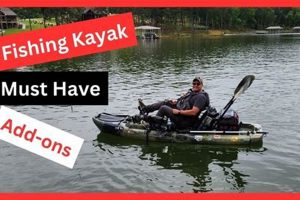
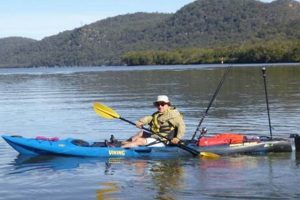
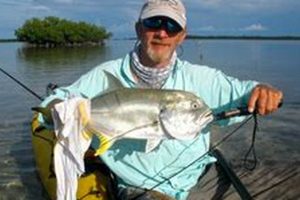
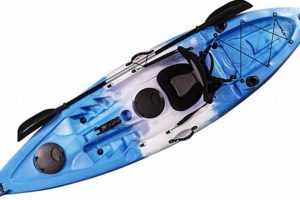
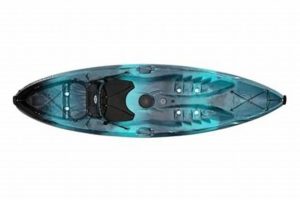
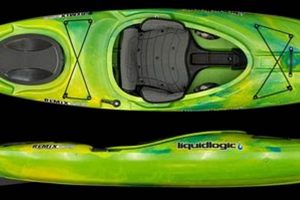
A specialized watercraft designed for angling, this type of vessel combines stability, maneuverability, and features tailored to the needs of fishermen. These features often include rod holders, tackle storage, and comfortable seating arrangements optimized for casting and reeling. An example might be a compact, sit-on-top model ideal for navigating shallow rivers or a larger, pedal-driven version suited for open lakes.
Such vessels offer significant advantages over traditional boats or shore fishing. Their smaller size allows access to secluded fishing spots, while specialized designs enhance stability and control, crucial for a successful angling experience. Historically, fishing from small, human-powered watercraft has been practiced for centuries. Modern iterations leverage advanced materials and design principles to create highly efficient and enjoyable platforms for recreational and sport fishing.
This discussion will further explore specific design elements, popular models, and essential accessories relevant to this specialized category of watercraft, offering a comprehensive guide for both novice and experienced anglers.
Tips for Optimized Angling
Proper preparation and technique are essential for a successful and enjoyable fishing experience from a specialized kayak.
Tip 1: Stability is paramount. Prioritize a vessel design offering inherent stability, especially for activities like standing casting. Consider outrigger systems or stabilizers for added security.
Tip 2: Plan efficient tackle organization. Utilize specialized storage compartments and tackle boxes designed for kayak fishing. Keep essential gear readily accessible while minimizing clutter.
Tip 3: Practice paddling and maneuvering. Master basic paddling strokes and turning techniques before venturing into open water or challenging conditions. Consider specialized kayak paddles designed for fishing.
Tip 4: Prioritize safety equipment. Always wear a personal flotation device (PFD). Carry a whistle, signaling device, and communication equipment for emergencies. Inform someone of your fishing plans and estimated return time.
Tip 5: Understand local regulations. Research fishing licenses, catch limits, and permitted areas. Adhere to responsible fishing practices for conservation and sustainability.
Tip 6: Adapt to weather conditions. Check weather forecasts before embarking on a fishing trip. Dress appropriately for anticipated conditions and be prepared for changes in weather.
Tip 7: Respect the environment. Practice “leave no trace” principles. Pack out all trash and avoid disturbing natural habitats. Handle fish carefully and release them responsibly.
By adhering to these guidelines, anglers can enhance safety, improve fishing success, and contribute to a positive and sustainable angling experience.
These tips provide a solid foundation for successful kayak angling. The following section will delve into specific techniques and strategies for various fishing styles and target species.
1. Stability

Stability forms a cornerstone of effective kayak fishing. A stable platform allows anglers to cast, reel, and land fish without compromising balance or safety. This is particularly crucial when standing to cast, fighting larger fish, or navigating challenging water conditions. Loss of stability can lead to capsizing, equipment loss, and potentially dangerous situations. Wider hulls, lower centers of gravity, and outrigger systems contribute to enhanced stability. For example, a wider, flatter-bottomed hull provides greater initial stability, resisting tipping, while a lower center of gravity enhances secondary stability, aiding recovery from near-capsize events.
Consider the scenario of an angler hooking a large fish in choppy water. A stable kayak provides the necessary platform to manage the fight without risking capsize. Conversely, an unstable kayak might easily tip, jeopardizing both the angler and the catch. Similarly, standing to cast requires a stable base, enabling accurate and controlled casts without compromising balance. The degree of stability required varies based on intended use, angler experience, and prevailing conditions. Anglers fishing in calm, protected waters may prioritize maneuverability over absolute stability, while those fishing in rougher conditions or engaging in stand-up fishing require maximum stability.
Prioritizing stability in kayak selection directly impacts angling success and safety. Understanding the factors that influence stability, including hull design, center of gravity, and added stability systems, enables informed decisions. Ultimately, selecting a kayak with appropriate stability enhances angling performance, improves safety, and contributes to a more enjoyable and productive experience on the water.
2. Maneuverability

Maneuverability is a critical factor influencing the effectiveness and enjoyment of fishing kayaks. The ability to precisely position the vessel, navigate tight spaces, and efficiently cover water significantly impacts angling success. A highly maneuverable kayak allows anglers to access secluded fishing spots, adjust position quickly in response to changing conditions, and effectively present lures or bait. Conversely, a less maneuverable kayak can hinder access to prime fishing areas and limit responsiveness to fish activity.
- Hull Design and Length
Hull design and length play a crucial role in maneuverability. Shorter kayaks generally turn more quickly than longer ones, making them ideal for navigating tight quarters such as narrow creeks or rivers choked with vegetation. Longer kayaks, while generally faster in a straight line, require more effort and space to turn. Hull shape also influences maneuverability. A kayak with a more pronounced keel will track straighter and resist turning, while a flatter-bottomed hull turns more readily. For example, a short, flat-bottomed kayak excels in tight, shallow environments, while a longer, keeled kayak is better suited for open water and longer distances.
- Paddle Type and Technique
Paddle type and paddling technique also contribute to maneuverability. A shorter paddle with wider blades provides more powerful strokes for quick turns, while a longer, narrower paddle is better suited for efficient straight-line paddling. Proper paddling technique, including sweep strokes and draw strokes, allows for precise maneuvering and controlled turning. Mastering these techniques enables anglers to position their kayaks effectively for casting and retrieving, even in challenging currents or wind.
- Rudder or Skeg Systems
Rudders and skegs can enhance directional stability and maneuverability, particularly in windy conditions or when paddling longer distances. A rudder provides active control over steering, allowing for precise adjustments to course. A skeg, on the other hand, provides passive directional stability, reducing the tendency of the kayak to yaw or turn unintentionally. These systems improve tracking and reduce the need for corrective strokes, conserving energy and allowing anglers to focus on fishing. For instance, a rudder is beneficial for navigating strong currents or crosswinds, while a skeg improves tracking in open water.
- Water Conditions and Obstacles
Water conditions and the presence of obstacles influence maneuverability. Currents, waves, and wind can affect the kayak’s tracking and require adjustments to paddling technique. Navigating around obstacles such as rocks, logs, or vegetation requires precise control and maneuvering skills. A highly maneuverable kayak allows anglers to navigate complex environments effectively and safely, reaching prime fishing locations that might be inaccessible to less maneuverable vessels.
The interplay of these factors determines a fishing kayak’s overall maneuverability, influencing its suitability for specific fishing environments and techniques. Careful consideration of hull design, paddling equipment, and potential water conditions allows anglers to select a kayak that optimizes maneuverability for their specific needs, enhancing fishing success and enjoyment on the water.
3. Storage Capacity

Storage capacity is a critical consideration in fishing kayak selection, directly impacting organization, efficiency, and overall angling success. Adequate storage allows anglers to carry essential gear, including tackle boxes, rods, safety equipment, and personal items, ensuring a prepared and productive fishing experience. Insufficient storage can lead to clutter, disorganization, and difficulty accessing necessary equipment, hindering fishing effectiveness and potentially compromising safety. The type and amount of storage required depend on the angler’s specific needs and fishing style. For example, a bass angler targeting multiple species might require more storage for a variety of lures and tackle, while a fly fisherman might prioritize specialized fly box storage.
Well-designed storage solutions enhance organization and accessibility. Dedicated compartments for specific items, such as tackle boxes or rods, keep gear secure and readily available. Dry storage compartments protect sensitive electronics and personal items from water damage. Bungee cords and tie-down points secure larger items like coolers or crates. Consider the scenario of an angler needing to quickly change lures in response to changing fish behavior. Easy access to a well-organized tackle box significantly improves efficiency, maximizing fishing time and increasing the likelihood of success. Conversely, rummaging through a cluttered kayak wastes valuable time and can lead to missed opportunities.
Optimizing storage capacity contributes directly to a more efficient, enjoyable, and successful angling experience. Understanding storage needs based on fishing style, selecting a kayak with appropriate storage features, and implementing effective organization strategies maximize available space and ensure essential gear remains readily accessible. This preparedness allows anglers to focus on fishing, enhancing their chances of success while enjoying a more organized and streamlined experience on the water.
4. Comfort and Ergonomics

Comfort and ergonomics are paramount considerations in fishing kayak selection, directly impacting endurance, focus, and overall enjoyment on the water. Extended fishing trips require sustained comfort, allowing anglers to maintain focus and effectively react to fish activity. A poorly designed kayak can lead to discomfort, fatigue, and even pain, significantly detracting from the fishing experience. Ergonomic design, tailored to the angler’s body, optimizes paddling efficiency, reduces strain, and promotes prolonged comfort, contributing to a more productive and enjoyable outing.
- Seating System
The seating system plays a crucial role in overall comfort. A well-designed seat provides adequate support, cushioning, and adjustability, accommodating individual preferences and body types. Features like adjustable backrests, lumbar support, and breathable fabrics enhance comfort during long hours on the water. An uncomfortable seat can lead to back pain, fatigue, and decreased fishing effectiveness. For example, a high-back seat with adjustable lumbar support offers superior comfort compared to a basic molded seat, particularly during extended fishing trips.
- Footrest Positioning
Proper footrest positioning is essential for efficient paddling and overall comfort. Adjustable footrests allow anglers to customize the leg position, optimizing leverage and reducing strain on leg muscles. Proper leg support enhances paddling power, reduces fatigue, and contributes to a more stable and comfortable paddling posture. Fixed or poorly positioned footrests can lead to discomfort, cramping, and decreased paddling efficiency. Adjustable foot braces that accommodate different leg lengths ensure optimal comfort and power transfer during paddling.
- Deck Layout and Accessibility
Deck layout and accessibility significantly impact comfort and efficiency. Well-placed rod holders, tackle storage compartments, and other essential gear within easy reach minimize the need for excessive stretching or bending, reducing strain and improving fishing efficiency. A cluttered or poorly organized deck can lead to frustration, wasted time, and potential safety hazards. A well-designed deck layout with strategically placed storage and accessories contributes to a more comfortable and efficient fishing experience. For instance, readily accessible rod holders and tackle storage allow for quick lure changes and efficient gear management.
- Paddle Ergonomics
Paddle ergonomics also contribute to comfort and efficiency. A properly sized and shaped paddle reduces strain on hands, wrists, and shoulders, allowing for prolonged paddling without fatigue. Features such as adjustable feathering angles and ergonomic grips further enhance comfort and control. An improperly sized or designed paddle can lead to blisters, pain, and decreased paddling efficiency. Lightweight paddles with ergonomic grips and adjustable feathering angles minimize strain and maximize paddling comfort, particularly during long paddling sessions.
These ergonomic considerations significantly impact the overall fishing kayak experience. Prioritizing comfort and ergonomics enhances endurance, improves fishing efficiency, and contributes to a more enjoyable time on the water. Selecting a kayak with a comfortable seating system, adjustable footrests, a well-designed deck layout, and an ergonomic paddle allows anglers to focus on fishing, maximizing their enjoyment and potential for success.
5. Durability and Materials
Durability and material selection are critical factors influencing the lifespan, performance, and overall value of a fishing kayak. These specialized vessels are subjected to harsh environments, including UV exposure, saltwater corrosion, impacts with rocks or submerged obstacles, and the wear and tear of regular use. Robust materials and construction techniques ensure the kayak withstands these challenges, providing years of reliable service. Material selection also influences weight, performance, and cost. For example, a kayak constructed from high-density polyethylene (HDPE) offers excellent impact resistance and durability, while a lighter-weight fiberglass or carbon fiber kayak provides enhanced speed and maneuverability but may be more susceptible to damage from impacts. The choice of materials depends on the intended use, fishing environment, and budget considerations. A kayak intended for rocky rivers requires greater impact resistance than one used primarily on calm lakes.
Understanding the properties of different kayak materials informs selection and maintenance. HDPE is known for its durability and affordability, making it a popular choice for recreational kayaks. Fiberglass and carbon fiber offer higher performance characteristics but require more careful handling and maintenance. Thermoformed ABS plastic provides a balance between durability and weight, while rotomolded polyethylene offers exceptional impact resistance. Proper maintenance, including regular cleaning, UV protection, and timely repairs, extends the lifespan of any kayak, regardless of material. For example, rinsing a saltwater kayak after each use prevents corrosion and prolongs its lifespan. Similarly, storing a kayak out of direct sunlight protects it from UV degradation. These practices preserve the kayak’s structural integrity and maintain its performance characteristics over time.
The relationship between durability, materials, and overall kayak performance is crucial for informed decision-making. Selecting a kayak constructed from appropriate materials ensures long-term durability and reliable performance in the intended fishing environment. Understanding material properties and implementing proper maintenance practices maximize the kayak’s lifespan and preserve its value, contributing to a more sustainable and enjoyable fishing experience. This knowledge empowers anglers to choose a kayak that meets their specific needs and withstands the rigors of their fishing environment, ensuring years of reliable service and enjoyment on the water.
6. Propulsion Systems
Propulsion systems are fundamental to the functionality and versatility of fishing kayaks, directly influencing access to fishing grounds, speed, and overall angling effectiveness. Efficient propulsion enables anglers to cover greater distances, reach secluded spots, and position themselves strategically for optimal fishing. The choice of propulsion system depends on factors such as fishing environment, physical capabilities, desired speed, and budget considerations. Understanding the advantages and disadvantages of various propulsion systems empowers anglers to select the most suitable option for their specific needs and fishing style. This knowledge enhances fishing efficiency, expands access to fishing locations, and contributes to a more productive and enjoyable experience on the water.
- Paddle Propulsion
Traditional paddle propulsion remains a popular choice for its simplicity, affordability, and versatility. Paddles provide direct control over speed and direction, allowing for precise maneuvering in tight spaces and shallow water. Different paddle designs, lengths, and blade shapes cater to various paddling styles and kayak types. While paddle propulsion offers excellent control and maneuverability, it requires physical exertion and can limit the distance covered, particularly in challenging conditions. For example, a shorter, wider-bladed paddle is suitable for maneuvering in tight creeks, while a longer, narrower-bladed paddle is better suited for open water paddling. This versatility makes paddle propulsion adaptable to diverse fishing environments.
- Pedal Propulsion
Pedal-powered kayaks offer hands-free propulsion, allowing anglers to focus on fishing while maintaining speed and control. Pedal drives utilize either propeller or fin systems to propel the kayak, offering efficient and relatively effortless movement. This hands-free operation allows for simultaneous fishing and maneuvering, enhancing angling effectiveness. Pedal drives, however, can add complexity and cost compared to paddle propulsion. They are also less effective in very shallow water or areas with dense vegetation. For instance, a pedal kayak allows anglers to troll lures or maintain position in a current while keeping their hands free for casting and reeling.
- Motorized Propulsion
Motorized kayaks utilize electric motors to provide effortless propulsion, covering larger distances with minimal physical exertion. Electric motors offer speed and range advantages, particularly in larger bodies of water or against strong currents. However, motorized kayaks are typically heavier, more expensive, and require battery management and maintenance. Regulations regarding motorized watercraft may also apply in certain areas. Motorized kayaks are particularly well-suited for covering long distances on large lakes or reservoirs, accessing distant fishing spots that would be difficult to reach by paddle or pedal power.
- Sail Propulsion
While less common, sail propulsion offers an alternative method for harnessing wind power to propel a fishing kayak. Sails provide a sustainable and effortless means of propulsion, particularly in open water with consistent winds. However, sails require specific skills and knowledge to operate effectively and can be less predictable than other propulsion methods. Sailing kayaks are best suited for open water environments with favorable wind conditions, offering a unique and environmentally friendly approach to kayak fishing.
The selection of a propulsion system significantly influences the overall fishing kayak experience. Factors such as fishing environment, physical capabilities, desired speed and range, and budget considerations guide this decision. Understanding the characteristics of each propulsion system, including paddles, pedals, motors, and sails, allows anglers to choose the most suitable option for their individual needs and fishing style. This informed decision enhances fishing efficiency, expands access to fishing locations, and ultimately contributes to a more productive and enjoyable experience on the water.
7. Specialized Features

Specialized features distinguish fishing kayaks from recreational models, enhancing their utility and effectiveness for angling. These features are integral to the overall design and contribute significantly to the angler’s experience and success on the water. They represent a thoughtful integration of form and function, addressing specific needs and challenges inherent in kayak fishing. The presence and quality of these specialized features significantly impact the kayak’s suitability for various fishing styles and environments. For example, dedicated rod holders securely hold rods while paddling or fighting fish, preventing loss and facilitating quick access. Similarly, integrated fish finders provide crucial real-time information about water depth, structure, and fish location, enhancing angling strategy and effectiveness.
Several key specialized features contribute to the effectiveness of fishing kayaks. Adjustable rod holders accommodate various rod lengths and fishing techniques. Tackle storage compartments keep lures, hooks, and other essential gear organized and readily accessible. Anchor trolleys allow for precise anchor positioning and controlled drift fishing. Integrated live wells maintain baitfish or caught fish in optimal condition. These features enhance angling efficiency, improve organization, and contribute to a more productive fishing experience. Consider a scenario where an angler needs to quickly switch to a different fishing rod in response to changing fish behavior. A readily accessible and securely positioned rod holder facilitates a seamless transition, maximizing fishing time and opportunity. Similarly, a well-organized tackle storage system enables efficient lure retrieval and replacement, minimizing disruption and maintaining focus on the task at hand.
Understanding the purpose and functionality of specialized features is crucial for selecting an appropriate fishing kayak. The specific features required depend on the target species, fishing style, and environment. Evaluating these features in the context of individual angling needs ensures informed decision-making, maximizing investment value and enhancing on-the-water performance. Ultimately, specialized features enhance the functionality, efficiency, and enjoyment of kayak fishing. Their presence and quality directly impact angling success and contribute to a more productive and fulfilling experience on the water. Careful consideration of these features during kayak selection ensures the vessel aligns with the angler’s specific needs and fishing goals.
Frequently Asked Questions
This section addresses common inquiries regarding specialized fishing kayaks, providing concise and informative responses to aid in informed decision-making.
Question 1: What are the primary advantages of a specialized fishing kayak compared to a traditional recreational kayak?
Specialized fishing kayaks offer enhanced stability, specialized storage for tackle and gear, rod holders, and often features like anchor trolleys and live wells, optimizing them for angling activities. Traditional recreational kayaks lack these specialized features, making them less suitable for serious fishing.
Question 2: How does one choose the appropriate size and type of fishing kayak?
Selection depends on factors such as angler size and weight, intended fishing environment (calm lakes vs. flowing rivers), and desired features. Longer kayaks offer speed and tracking, while shorter kayaks provide better maneuverability in tight spaces. Sit-on-top kayaks offer superior stability and ease of entry/exit, while sit-inside kayaks provide better protection from the elements.
Question 3: What safety precautions are essential when using a fishing kayak?
Always wear a personal flotation device (PFD). Inform someone of fishing plans and estimated return time. Carry a whistle, signaling device, and communication equipment. Check weather forecasts and dress appropriately. Understand and adhere to local boating regulations.
Question 4: What essential accessories enhance the fishing kayak experience?
Essential accessories include a paddle, PFD, rod holders, a dry bag for personal items, an anchor and trolley system, a fish finder, and appropriate safety gear. Additional accessories like fishing lights, rod leashes, and specialized tackle storage further enhance functionality and convenience.
Question 5: How does one maintain and care for a fishing kayak to maximize its lifespan?
Regular cleaning with mild soap and water removes dirt and grime. Rinse with fresh water after saltwater use to prevent corrosion. Store the kayak out of direct sunlight to prevent UV damage. Inspect and repair any damage promptly. Proper storage and maintenance significantly extend the kayak’s lifespan.
Question 6: What are the typical costs associated with purchasing and maintaining a fishing kayak?
Costs vary significantly depending on features, materials, and propulsion systems. Entry-level fishing kayaks can range from a few hundred dollars to several thousand dollars for high-end models. Ongoing maintenance costs include paddle or pedal drive maintenance, occasional repairs, and replacement of accessories.
Careful consideration of these frequently asked questions enables informed decisions regarding kayak selection, usage, and maintenance. Understanding these aspects contributes to a safer, more enjoyable, and productive fishing experience.
The next section offers an in-depth exploration of popular fishing kayak models currently available on the market.
Conclusion
Specialized fishing kayaks offer distinct advantages for anglers seeking enhanced on-the-water experiences. Careful consideration of factors such as stability, maneuverability, storage capacity, comfort, durability, propulsion systems, and specialized features ensures selection aligns with individual angling needs and preferences. Prioritizing these elements contributes to optimized performance, increased fishing success, and enhanced enjoyment on the water.
Investing in a well-equipped, appropriately chosen vessel represents a commitment to maximizing angling potential. The evolving landscape of kayak fishing technology promises further advancements in design and functionality, offering exciting prospects for future angling endeavors. Choosing a suitable vessel unlocks new possibilities and fosters a deeper connection with the aquatic environment.