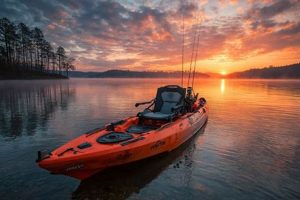
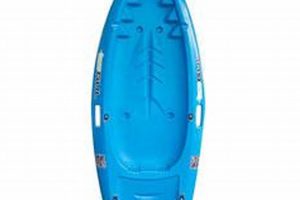
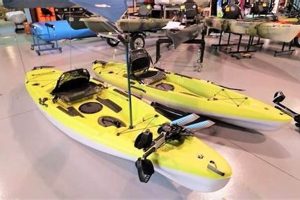
Recent advancements in the realm of angling from kayaks encompass a broad spectrum, from cutting-edge vessel designs and specialized fishing gear to innovative electronics and evolving techniques. For example, new kayak models often feature improved stability, enhanced storage solutions, and integrated fish finders. Similarly, purpose-built rods, reels, and lures cater specifically to the needs of kayak anglers.
These developments offer significant advantages, including improved angler comfort, increased fishing efficiency, and enhanced access to previously unreachable fishing grounds. Historically, kayak fishing was a relatively niche activity. However, the convergence of technological advancements and growing interest in outdoor recreation has propelled its popularity, leading to a surge in innovation within the sector. This progress empowers anglers to pursue their passion with greater precision, safety, and enjoyment.
The following sections will explore specific advancements in kayak design, fishing gear, electronics, and techniques in greater detail, providing a comprehensive overview of the current state of the art in this dynamic and evolving field.
Tips for Modern Kayak Angling
Maximizing success and safety on the water requires awareness of current best practices and equipment. The following tips offer valuable insights for enhancing the kayak fishing experience.
Tip 1: Prioritize Stability: Kayak selection should prioritize stability, especially for anglers new to the sport. Wider kayaks with a lower center of gravity offer greater stability, reducing the risk of capsizing. Consider specialized fishing kayaks designed for enhanced stability and gear storage.
Tip 2: Master Paddle Strokes: Efficient paddling techniques conserve energy and allow for precise maneuvering. Learning forward and reverse strokes, sweep strokes, and draw strokes provides greater control and reduces fatigue.
Tip 3: Utilize Modern Fish Finders: Electronic fish finders significantly improve the odds of locating fish. Compact, kayak-specific models provide detailed underwater information, including depth, bottom structure, and fish location.
Tip 4: Choose Specialized Tackle: Fishing rods, reels, and lures designed specifically for kayak fishing offer advantages in confined spaces. Shorter rods and low-profile reels facilitate casting and retrieving, while specialized lures cater to target species and fishing conditions.
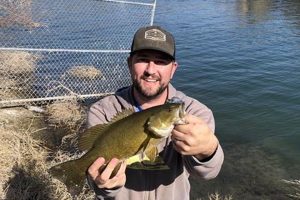
Tip 5: Practice Catch and Release Techniques: Conservation-minded angling ensures the sustainability of fish populations. Proper catch and release techniques minimize stress on fish, promoting their healthy return to the water. Using barbless hooks and landing nets facilitates safe and efficient release.
Tip 6: Plan and Prepare: Thorough pre-trip planning enhances safety and enjoyment. Checking weather forecasts, informing someone of your itinerary, and packing essential safety gear, including a personal flotation device and a communication device, are crucial steps.
Tip 7: Respect the Environment: Responsible angling practices minimize environmental impact. Proper disposal of fishing line and other waste materials helps preserve the natural beauty of waterways.
By incorporating these tips, anglers can enhance their skills, improve their catch rates, and foster a deeper appreciation for the sport. Preparation, appropriate equipment, and respect for the environment contribute to a more rewarding and sustainable kayak fishing experience.
The following section will offer concluding remarks on the future of kayak angling and its continued evolution.
1. Advanced Kayak Designs

Advanced kayak designs represent a cornerstone of recent advancements in kayak fishing. These designs directly address the specific needs and challenges anglers face on the water, leading to improved performance, comfort, and overall fishing success. Understanding these advancements is crucial for appreciating the current state of the sport.
- Hull Design and Stability
Modern kayak hulls are engineered for enhanced stability, a critical factor for anglers casting lines, fighting fish, and navigating various water conditions. Wider beams, flatter bottoms, and specialized features like outriggers contribute to stability. For example, Hobie’s MirageDrive system offers exceptional stability while allowing hands-free propulsion. This stability translates to greater confidence and safety on the water, allowing anglers to focus on fishing.
- Integrated Features and Storage
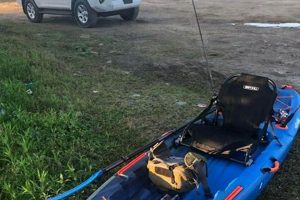
Contemporary kayak designs often incorporate specialized features tailored for fishing. Rod holders, tackle storage compartments, and even live wells are integrated seamlessly into the kayak’s structure. Models like the Old Town Predator PDL offer ample storage and strategically placed rod holders, maximizing space and efficiency. This integration streamlines the fishing experience, allowing anglers to keep essential gear organized and readily accessible.
- Propulsion Systems
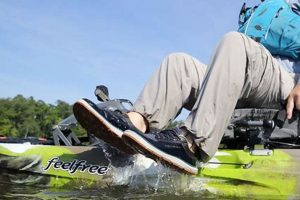
Beyond traditional paddling, advanced propulsion systems offer alternative methods for navigating the water. Pedal-driven kayaks, like those from Native Watercraft, provide efficient and hands-free propulsion, allowing anglers to cover greater distances and focus on fishing. Similarly, electric motors offer increased speed and maneuverability, particularly in challenging currents or larger bodies of water. These advancements expand the range and capabilities of kayak anglers.
- Lightweight and Durable Materials
The use of advanced materials like rotomolded polyethylene and fiberglass contributes to lighter and more durable kayaks. These materials offer increased impact resistance and UV protection, extending the lifespan of the kayak. Lightweight construction makes transportation and launching easier, particularly for solo anglers. This durability and portability enhance the overall practicality and longevity of the fishing kayak.
These advancements in kayak design collectively enhance the angling experience, contributing to greater efficiency, comfort, and safety on the water. By understanding the interplay of these design elements, anglers can select the kayak best suited to their individual needs and fishing style, further optimizing their pursuit of the latest in kayak fishing technology and techniques.
2. Specialized Fishing Gear

Optimized gear plays a crucial role in modern kayak angling. The confined space and unique demands of fishing from a kayak necessitate specialized equipment designed for efficiency, effectiveness, and safety. Understanding the nuances of this specialized gear is essential for maximizing success and enjoyment on the water.
- Rods and Reels
Shorter, more versatile rods are ideal for kayak fishing, allowing for easier casting and maneuverability within the limited space of a kayak. Lightweight yet powerful spinning and baitcasting reels, often featuring corrosion-resistant materials, are preferred for their durability in saltwater environments. Brands like St. Croix and Shimano offer rods and reels specifically designed for kayak angling. These specialized tools improve casting accuracy and enhance control when fighting fish.
- Lines and Leaders
Braided fishing lines are favored for their sensitivity and strength, allowing anglers to detect subtle bites and handle larger fish. Fluorocarbon leaders, due to their low visibility and abrasion resistance, are often used to connect the main line to the lure or hook. Choosing the appropriate line and leader strength depends on the target species and fishing environment. These specialized lines and leaders maximize sensitivity and durability, crucial factors in kayak fishing.
- Lures and Baits
Lure selection depends largely on the target species and the fishing conditions. Topwater lures, crankbaits, jigs, and soft plastics are popular choices for kayak anglers. Compact tackle boxes and storage solutions are essential for organizing and accessing lures efficiently. Companies like Z-Man and Rapala produce lures specifically designed for various kayak fishing techniques. Effective lure selection and efficient storage solutions contribute to a more organized and successful fishing experience.
- Accessories
Essential accessories include a landing net, lip grips, and a cutting tool for removing hooks. Kayak-specific anchor systems and drift chutes allow for controlled positioning in various water conditions. These tools enhance safety and efficiency while handling fish and managing the kayak’s position. YakAttack and RAILBLAZA offer a range of accessories designed to integrate seamlessly with kayak fishing setups, optimizing organization and accessibility.
The interplay of these specialized gear components contributes significantly to the overall effectiveness and enjoyment of modern kayak fishing. Selecting the right equipment not only improves fishing success but also enhances safety and comfort on the water, aligning with the broader trends of increased specialization and performance within the sport. Understanding these specialized gear choices allows anglers to fully embrace the latest advancements in kayak fishing and maximize their time on the water.
3. Cutting-Edge Electronics

Technological advancements in electronics have significantly impacted modern kayak fishing, offering anglers enhanced tools for locating fish, navigating waterways, and ensuring safety. These cutting-edge devices contribute to a more informed, efficient, and enjoyable fishing experience. Integrating electronics seamlessly into the kayak fishing setup empowers anglers with real-time data and enhanced capabilities on the water.
- Fish Finders and Chartplotters
Fish finders utilize sonar technology to provide detailed information about underwater terrain, fish location, and depth. Chartplotters offer GPS navigation and mapping capabilities, crucial for safe and efficient navigation, especially in unfamiliar waters. Integrated units combining both functionalities, such as the Garmin Echomap UHD series, offer comprehensive underwater and navigational awareness. These devices empower anglers to make informed decisions about where to fish and how to navigate safely. Advanced features like side-scanning sonar provide detailed images of the underwater environment, further enhancing fish-finding capabilities.
- GPS and Navigation Systems
Dedicated GPS devices and navigation apps provide accurate location data, allowing anglers to mark waypoints, track their routes, and navigate safely, especially in challenging conditions like fog or darkness. Integration with smartphones and smartwatches expands the range of navigational tools available to kayak anglers. Apps like Navionics offer detailed charts and navigational information directly on mobile devices. These technologies enhance safety and efficiency on the water, allowing anglers to explore new areas and return to productive fishing spots with confidence.
- Trolling Motors and Power Systems
Electric trolling motors offer hands-free propulsion, enabling anglers to focus on fishing while maintaining precise boat control. Integrated power systems, including batteries and solar panels, provide sustainable power for electronics and trolling motors, extending fishing time and range. MotorGuide and Minn Kota offer trolling motors specifically designed for kayaks, minimizing weight and maximizing efficiency. These systems enhance maneuverability and allow anglers to cover larger distances, particularly in areas with current or wind.
- Communication and Safety Devices
VHF radios provide essential communication capabilities, enabling anglers to contact other boaters or emergency services in case of an emergency. Personal locator beacons (PLBs) offer an additional layer of safety, transmitting emergency signals in life-threatening situations. Waterproof cases and mounts protect electronic devices from the elements. ACR and Standard Horizon offer reliable communication and safety devices specifically designed for marine environments. These devices enhance safety and provide peace of mind, especially when fishing in remote locations.
The integration of these cutting-edge electronics transforms the kayak fishing experience, providing anglers with unprecedented levels of information, control, and safety. This fusion of technology and angling enhances efficiency on the water, allowing for more informed decisions about where to fish, how to navigate, and how to respond to changing conditions. The ongoing evolution of these technologies promises even greater advancements in the future, further solidifying the role of electronics in shaping the future of kayak fishing.
4. Evolving Fishing Techniques

Evolving fishing techniques represent a dynamic aspect of “kayak fishing latest,” driven by advancements in kayak design, specialized gear, and electronics. This evolution allows anglers to exploit the unique advantages of kayaks for accessing previously unreachable waters and targeting specific species with greater precision. Cause and effect relationships exist between these advancements and the development of new techniques. For example, the increased stability of modern kayaks facilitates stand-up fishing, enabling sight casting and improved leverage when fighting fish. Specialized gear like lightweight, long-casting rods enables techniques previously impractical from a kayak, opening possibilities for targeting pelagic species offshore. The development of underwater drones and advanced sonar technologies further expands the angler’s ability to locate and target fish in diverse environments, leading to innovative approaches previously unavailable.
The importance of evolving fishing techniques as a component of “kayak fishing latest” stems from their ability to maximize angling success and expand the possibilities within the sport. Techniques like vertical jigging, trolling with specialized diving lures, and utilizing drone-deployed baits offer distinct advantages in specific scenarios. For instance, vertical jigging near underwater structures allows precise targeting of bottom-dwelling species, while trolling with diving lures effectively covers larger areas when searching for pelagic fish. Drone fishing opens up opportunities for reaching areas inaccessible by traditional casting methods, presenting novel approaches for targeting species in challenging environments. Real-life examples include anglers successfully targeting tuna and marlin from kayaks using specialized trolling techniques and gear, leveraging the kayak’s mobility and stealth to approach these pelagic species effectively.
A practical understanding of evolving fishing techniques is crucial for anglers seeking to maximize their success and explore the full potential of kayak fishing. This understanding involves not only mastering new techniques but also recognizing how these techniques interact with advancements in kayak design, gear, and electronics. Recognizing the interplay of these factors allows anglers to tailor their approach based on target species, fishing location, and environmental conditions. The continued evolution of fishing techniques underscores the dynamic nature of kayak fishing and emphasizes the importance of staying informed about the latest innovations. This ongoing development promises to further expand the boundaries of the sport, offering anglers ever-evolving opportunities for enhancing their skills and achieving greater success on the water.
5. Enhanced Safety Measures

Enhanced safety measures represent a critical aspect of “kayak fishing latest,” directly impacting angler well-being and fostering responsible participation in the sport. Advancements in safety equipment and practices contribute significantly to mitigating risks inherent in the activity. A direct correlation exists between improved safety measures and increased angler confidence, allowing individuals to explore more challenging environments and extend fishing excursions with reduced concern. For example, advancements in personal flotation device (PFD) design, incorporating features like integrated inflation mechanisms and increased buoyancy, provide enhanced protection in the event of capsizing. Similarly, improved communication technologies, such as satellite-based messaging devices and VHF radios with integrated GPS, enable rapid communication with emergency services in distress situations, significantly improving the likelihood of timely assistance. The development of kayak-specific safety courses and certifications further contributes to improved safety awareness and preparedness among anglers. These advancements collectively foster a safer environment, enabling a broader range of individuals to participate in the sport with greater confidence.
The importance of enhanced safety measures as a component of “kayak fishing latest” stems from their direct contribution to risk mitigation and the promotion of responsible angling practices. Carrying essential safety equipment, including a first-aid kit, signaling devices, and a bilge pump, prepares anglers for unforeseen circumstances and empowers them to respond effectively to emergencies. Regularly inspecting and maintaining safety equipment ensures proper functionality when needed. Real-life examples underscore the importance of these measures: instances of anglers surviving capsizing incidents due to properly fitted PFDs and utilizing communication devices to summon assistance highlight the potentially life-saving impact of these precautions. Sharing safety information and best practices within the kayak fishing community contributes to a culture of preparedness and responsible angling, fostering a safer environment for all participants.
A practical understanding of enhanced safety measures is paramount for all kayak anglers. This understanding involves not only acquiring appropriate safety equipment but also developing the knowledge and skills to utilize it effectively. Regular practice of self-rescue techniques, such as re-entering a capsized kayak, builds confidence and preparedness for challenging situations. Staying informed about the latest safety recommendations and technological advancements empowers anglers to make informed decisions about risk mitigation strategies. Continuous improvement in safety measures remains an integral part of the evolution of kayak fishing, reflecting the community’s commitment to responsible enjoyment of the sport. This focus on safety fosters a sustainable and accessible environment for anglers of all skill levels, ensuring the continued growth and enjoyment of kayak fishing for future generations.
6. Growing Online Communities
The rise of online communities significantly impacts the evolution of kayak fishing. These digital platforms serve as dynamic hubs for information exchange, fostering connections among anglers and driving innovation within the sport. Understanding the role of these communities is crucial for appreciating the multifaceted nature of “kayak fishing latest.”
- Knowledge Sharing and Skill Development
Online forums, social media groups, and dedicated kayak fishing websites facilitate the exchange of knowledge, tips, and techniques. Anglers share experiences, discuss gear modifications, and offer advice on fishing locations and strategies. This collaborative environment accelerates skill development and fosters a sense of camaraderie among participants. Examples include anglers sharing GPS coordinates of productive fishing spots, discussing effective lure modifications for specific species, and providing real-time feedback on new kayak models and fishing gear.
- Gear Reviews and Recommendations
Online communities provide platforms for unbiased gear reviews and recommendations. Anglers share their experiences with various products, offering valuable insights into the performance, durability, and suitability of different kayaks, rods, reels, and other fishing equipment. This peer-to-peer feedback informs purchasing decisions and drives innovation within the industry. Examples include detailed reviews of fish finders, comparisons of different kayak propulsion systems, and discussions on the effectiveness of various fishing lines and lures.
- Safety Information and Best Practices
Online communities play a crucial role in disseminating safety information and promoting best practices. Anglers share safety tips, discuss rescue techniques, and provide updates on relevant regulations and guidelines. This collective awareness contributes to a safer and more responsible kayak fishing environment. Examples include discussions on proper PFD usage, sharing experiences with self-rescue techniques, and disseminating information about local fishing regulations and waterway access restrictions.
- Conservation Advocacy and Environmental Awareness
Online communities often serve as platforms for promoting conservation efforts and raising environmental awareness among kayak anglers. Discussions on catch-and-release practices, responsible fishing techniques, and the importance of protecting aquatic ecosystems foster a sense of stewardship among participants. Examples include organizing local cleanup events, advocating for responsible fishing regulations, and sharing information about the impact of pollution and habitat destruction on fish populations.
The interconnected nature of these online communities underscores their significance within the broader context of “kayak fishing latest.” These platforms not only facilitate the dissemination of information but also foster a sense of community and shared responsibility among kayak anglers. This collective engagement drives innovation, promotes safety, and contributes to the sustainable growth of the sport. By actively participating in these online communities, anglers gain access to a wealth of knowledge, connect with fellow enthusiasts, and contribute to the ongoing evolution of kayak fishing.
Frequently Asked Questions
This section addresses common inquiries regarding recent developments in kayak fishing, aiming to provide clear and concise information for anglers of all experience levels.
Question 1: What are the most significant advancements in kayak design specific to fishing?
Recent advancements focus on stability, propulsion, and integration of fishing-specific features. Wider hulls, pedal-drive systems, and integrated rod holders and tackle storage significantly enhance angler comfort, efficiency, and safety.
Question 2: How do modern fish finders improve kayak angling success?
Advanced fish finders provide detailed underwater mapping, revealing bottom structure, fish location, and depth. This information allows anglers to target specific areas with greater precision, improving catch rates and overall fishing efficiency. Side-scan and down-scan imaging further enhance underwater awareness.
Question 3: What specialized fishing gear is essential for kayak angling?
Shorter rods, low-profile reels, braided fishing lines, and specialized lures designed for kayak fishing are essential. A landing net, lip grips, and appropriate safety gear, such as a PFD and a signaling device, are also crucial.
Question 4: How do evolving fishing techniques contribute to “kayak fishing latest”?
Evolving techniques, such as vertical jigging, trolling with specialized lures, and utilizing drone-deployed baits, leverage the unique advantages of kayaks to access previously unreachable areas and target specific species with greater precision. These techniques, combined with advancements in kayak design and gear, expand the possibilities of kayak fishing.
Question 5: What safety considerations are paramount in modern kayak fishing?
Wearing a properly fitted PFD, carrying communication devices (VHF radio, personal locator beacon), checking weather forecasts before embarking, and informing someone of the fishing plan are crucial safety precautions. Regularly inspecting and maintaining safety equipment is also essential.
Question 6: How do online communities contribute to the advancement of kayak fishing?
Online communities facilitate information sharing, gear reviews, safety discussions, and conservation advocacy. These platforms connect anglers, accelerate skill development, and promote responsible fishing practices. This collective engagement drives innovation and contributes to the continued evolution of the sport.
Staying informed about the latest advancements in kayak design, fishing gear, electronics, techniques, and safety measures significantly enhances the kayak fishing experience. Continuous learning and engagement within the kayak fishing community ensure anglers can fully leverage the latest innovations and enjoy the sport responsibly.
The following section will provide concluding remarks and future perspectives on kayak fishing.
Conclusion
This exploration of recent developments in kayak angling underscores the dynamic and evolving nature of the sport. Advancements in kayak design, specialized fishing gear, cutting-edge electronics, evolving fishing techniques, enhanced safety measures, and the growth of online communities collectively contribute to a richer, more efficient, and safer angling experience. These advancements empower anglers to explore new waters, target diverse species with greater precision, and connect with a passionate community of like-minded individuals.
The future of kayak fishing promises continued innovation, driven by technological advancements and the growing popularity of the sport. Anglers embracing these developments will find enhanced opportunities for success on the water and deeper connections within the expanding kayak fishing community. Continued emphasis on safety, conservation, and responsible angling practices will ensure the sustainability and enjoyment of this dynamic sport for generations to come.