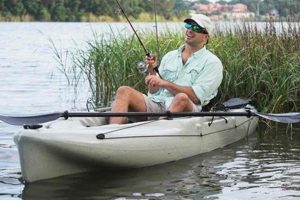
Angling from small, human-powered vessels on this renowned Texas reservoir offers a unique blend of sport and connection with nature. This approach allows anglers to access shallow, vegetated areas often unreachable by larger boats, providing opportunities to target various fish species in their natural habitat. For example, navigating the cypress-lined coves in a shallow-draft boat opens up possibilities for targeting largemouth bass seeking cover in these protected areas.
This method’s popularity stems from its affordability, maneuverability, and the intimate experience it provides. It presents a sustainable and less intrusive way to enjoy the natural beauty of the lake while pursuing trophy-sized fish. Historically, smaller boats have been used for fishing on the reservoir, but the recent surge in interest in this particular approach reflects a growing appreciation for its advantages and the rising popularity of human-powered watercraft. This growing trend contributes to the local economy through increased tourism and related businesses.
Exploring this specific fishing style further requires delving into essential topics such as suitable watercraft selection, effective tackle and techniques, ideal locations on the reservoir, and relevant regulations. Understanding these aspects is crucial for a successful and enjoyable experience on the water.
Tips for Angling from a Kayak on Lake Fork
Optimizing angling success from a small, human-powered vessel on this large reservoir necessitates careful planning and execution. The following tips provide valuable insights for enhancing the experience.
Tip 1: Prioritize Safety Gear: Always wear a personal flotation device and carry essential safety equipment, including a whistle, signaling device, and first-aid kit. Weather conditions can change rapidly, necessitating preparedness for unexpected situations.
Tip 2: Choose the Right Vessel: Select a stable and maneuverable watercraft appropriate for the reservoir’s conditions. Consider factors like storage capacity, seating comfort, and compatibility with fishing accessories.
Tip 3: Plan Routes Strategically: Study maps and identify target areas based on species preferences and seasonal patterns. Utilize online resources and local knowledge to maximize fishing opportunities.
Tip 4: Employ Effective Tackle and Techniques: Adapt tackle choices to the targeted species and prevailing conditions. Experiment with various lures and presentations to determine the most effective approach.
Tip 5: Respect Local Regulations: Obtain necessary licenses and familiarize oneself with all applicable fishing regulations. Adhere to catch limits and size restrictions to ensure sustainable fishing practices.
Tip 6: Minimize Environmental Impact: Practice Leave No Trace principles by packing out all trash and avoiding disturbances to the shoreline and vegetation. Responsible angling ensures the preservation of the reservoir’s natural beauty.
Tip 7: Utilize Technology Wisely: Fish finders, GPS devices, and weather apps can enhance the experience. However, maintaining situational awareness and respecting the tranquility of the environment remain paramount.
By adhering to these guidelines, anglers can significantly improve their chances of success while ensuring a safe and enjoyable outing. Preparation, responsible practices, and respect for the environment are key to a rewarding experience.
These insights equip anglers with the knowledge to maximize their chances of success on Lake Fork. Careful consideration of these factors will contribute to a memorable and productive experience.
1. Kayak Selection

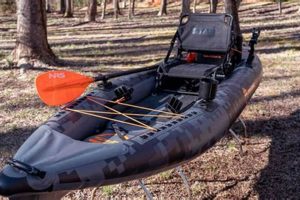
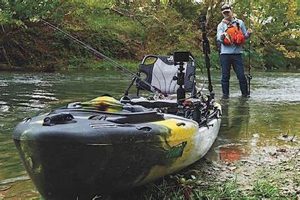
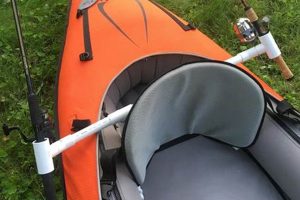
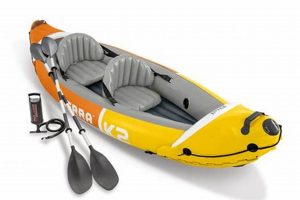
Appropriate kayak selection significantly impacts the success and enjoyment of angling on Lake Fork. The reservoir’s size and conditions necessitate careful consideration of vessel characteristics. Stability, maneuverability, and storage capacity are paramount. A stable kayak enhances safety and casting accuracy, crucial for navigating open water and handling larger fish. Maneuverability allows efficient exploration of diverse habitats, from shallow coves to deeper channels. Ample storage accommodates essential gear, including tackle boxes, rods, and safety equipment. Choosing a sit-on-top model offers advantages in warmer weather and facilitates easier re-entry after accidental submersion. Conversely, sit-inside kayaks provide better protection from the elements during colder seasons. For example, a longer, narrower kayak might be suitable for covering larger distances on open water, while a shorter, wider model offers greater stability when fishing in tighter, vegetated areas. Therefore, aligning kayak characteristics with individual needs and fishing styles optimizes performance on Lake Fork.
Further considerations include the kayak’s weight capacity and compatibility with fishing accessories. Matching the capacity to the angler’s weight and gear ensures safe operation. Compatibility with fish finders, rod holders, and anchor trolleys enhances angling efficiency. Pedal-driven kayaks offer hands-free propulsion, allowing anglers to focus on fishing. However, their higher cost and increased weight compared to paddle kayaks necessitate careful evaluation. An angler targeting largemouth bass in shallow areas might prioritize stability and maneuverability, while someone pursuing crappie in deeper water might favor a kayak equipped with a fish finder and rod holders. This targeted approach maximizes the kayak’s utility for specific fishing scenarios on Lake Fork.
In conclusion, meticulous kayak selection directly influences angling success on Lake Fork. Balancing stability, maneuverability, storage, and compatibility with individual needs and fishing styles is essential. Choosing the appropriate vessel ensures a safe, efficient, and enjoyable experience, maximizing the potential for a productive outing on this renowned Texas reservoir. Overlooking these aspects can negatively impact performance and overall satisfaction, highlighting the importance of informed kayak selection within the broader context of Lake Fork fishing.
2. Tackle and Bait

Tackle and bait selection are critical components of successful kayak fishing on Lake Fork. The diverse fish species inhabiting the reservoir, combined with varying seasonal patterns and fishing locations, necessitate a tailored approach to gear selection. Understanding the interplay between these elements significantly influences angling outcomes.
- Rods and Reels
Rod and reel combinations should be balanced and appropriate for the target species. Lightweight yet durable rods, typically in the 6-7 foot range, offer optimal control and casting accuracy from a kayak. Baitcasting reels provide power and precision for heavier lures and larger fish like largemouth bass, while spinning reels are versatile choices for lighter lures and species like crappie or white bass. For example, a medium-heavy baitcasting setup with braided line is well-suited for flipping and pitching Texas-rigged soft plastics in heavy cover, a common tactic for bass fishing on Lake Fork.
- Line and Leaders
Line selection depends on target species, fishing location, and lure presentation. Braided line offers high sensitivity and strength, ideal for detecting subtle bites and navigating heavy vegetation. Fluorocarbon line, with its low visibility and abrasion resistance, excels in clear water situations. Leaders, such as fluorocarbon or steel, can be added to protect the main line from sharp teeth or abrasive structures. For instance, using a braided main line with a fluorocarbon leader is a common practice when fishing around submerged timber, as it combines sensitivity with abrasion resistance.
- Lures and Baits
Lake Fork’s diverse fish populations require a varied lure selection. Soft plastic worms, crankbaits, spinnerbaits, and topwater lures are effective for targeting largemouth bass. Smaller jigs, minnows, and crappie jigs are productive for crappie and other panfish. Live bait, such as shiners or nightcrawlers, can also be highly effective. Matching lure selection to the target species’ feeding habits and the prevailing water conditions, such as clarity and temperature, is essential for optimizing success. For example, during the spring spawn, bass often gravitate towards shallow beds, making sight fishing with soft plastic creature baits or lizards an effective tactic.
- Terminal Tackle
Terminal tackle components, such as hooks, weights, and swivels, play a vital role in lure presentation and hookup ratios. Hook selection should match the size and type of bait used, while weight selection influences the lure’s depth and action. Swivels prevent line twist, particularly when using spinning lures or fishing in areas with heavy current or vegetation. Employing the appropriate terminal tackle ensures optimal lure performance and maximizes the likelihood of successful hooksets. For example, using offset worm hooks with soft plastic baits allows for weedless rigging, essential for fishing in heavy cover prevalent throughout Lake Fork.
The interplay between these tackle and bait components influences the overall success of kayak fishing on Lake Fork. A balanced and well-thought-out approach to gear selection, tailored to the target species and fishing conditions, significantly improves the likelihood of a productive and enjoyable angling experience. Matching the appropriate tackle and bait to the specific fishing scenario and the target species’ behavior is crucial for maximizing success on this renowned reservoir.
3. Location Scouting

Effective location scouting is paramount for successful kayak fishing on Lake Fork. This vast reservoir presents diverse habitats, ranging from shallow, vegetated flats to deep, open-water areas. Each habitat attracts different fish species and necessitates distinct angling approaches. Understanding these nuances and strategically selecting fishing locations based on target species behavior and seasonal patterns significantly influences angling outcomes. Pre-fishing research using online resources, such as maps, fishing reports, and forums, provides valuable insights into productive areas. For example, during the spring spawn, focusing on shallow coves with submerged vegetation increases the likelihood of encountering largemouth bass guarding their nests. Conversely, during the summer months, targeting deeper offshore structures or points where fish congregate in cooler water can yield better results.
Observing environmental factors, such as water temperature, clarity, and current flow, further refines location selection. Water temperature influences fish metabolism and dictates their preferred locations. Clarity affects visibility and dictates lure choices. Current flow impacts baitfish movement and consequently predator positioning. Leveraging these factors allows anglers to anticipate fish behavior and choose locations accordingly. For instance, fishing near creek channels or river inlets where cooler water enters the reservoir during hot summer months can be highly productive. Similarly, targeting wind-blown points where baitfish accumulate provides opportunities to intercept feeding game fish. Moreover, utilizing a fish finder or depth sounder from the kayak allows anglers to identify underwater structures, drop-offs, and submerged vegetation, further enhancing location scouting efforts and increasing the chances of encountering fish.
In conclusion, thorough location scouting is an indispensable aspect of kayak fishing on Lake Fork. Understanding fish behavior, seasonal patterns, and environmental factors, combined with pre-fishing research and on-the-water observation, enables strategic location selection. This proactive approach maximizes angling efficiency and enhances the overall fishing experience. Failing to scout effectively can lead to unproductive fishing trips, highlighting the crucial role of location scouting in optimizing success on this renowned Texas reservoir.
4. Safety Precautions
Prioritizing safety is paramount when kayak fishing on Lake Fork. The reservoir’s size, fluctuating weather conditions, and potential hazards necessitate careful planning and adherence to safety guidelines. Neglecting these precautions can lead to dangerous situations, jeopardizing angler well-being and potentially impacting other lake users. Implementing appropriate safety measures ensures a secure and enjoyable fishing experience.
- Personal Flotation Devices (PFDs)
Wearing a properly fitted PFD is non-negotiable. PFDs provide essential buoyancy in the event of capsizing or accidental submersion, significantly increasing survival chances. Lake Fork’s unpredictable weather can create sudden waves or strong winds, increasing the risk of capsizing. A PFD is the single most important piece of safety equipment for any kayak angler.
- Weather Awareness
Checking weather forecasts before embarking on a fishing trip is crucial. Sudden storms, strong winds, and lightning strikes pose significant threats on open water. Having a plan for seeking shelter or returning to shore quickly is essential. Portable weather radios or smartphone apps provide real-time updates and warnings, allowing anglers to react promptly to changing conditions. Ignoring weather warnings can lead to life-threatening situations on Lake Fork.
- Communication Devices
Carrying a reliable communication device, such as a waterproof cell phone or VHF radio, allows anglers to contact emergency services or other boaters if needed. Lake Fork’s vastness can make it challenging to locate stranded individuals, highlighting the importance of effective communication. Informing someone onshore of the intended fishing location and estimated return time adds another layer of safety.
- Navigation and Lighting
Carrying a map, compass, or GPS device aids navigation, especially in low-light conditions or unfamiliar areas. Lake Fork’s size and complex shoreline can make it easy to become disoriented. A brightly colored kayak and proper lighting, including a headlamp or navigation lights, enhance visibility, particularly during early morning or evening hours, reducing the risk of collisions with other vessels.
These safety precautions are essential for mitigating risks associated with kayak fishing on Lake Fork. Adhering to these guidelines ensures a safer and more enjoyable experience, allowing anglers to focus on fishing while minimizing potential hazards. Prioritizing safety enhances the overall Lake Fork experience and contributes to responsible angling practices on this popular reservoir.
5. Seasonal Patterns

Seasonal variations significantly influence fish behavior and, consequently, the effectiveness of kayak fishing strategies on Lake Fork. Water temperature fluctuations, changing forage availability, and fish spawning cycles dictate preferred habitats and feeding patterns throughout the year. Understanding these seasonal nuances allows anglers to adapt their approach, maximizing their chances of success on the water. Ignoring seasonal patterns often results in unproductive fishing trips, highlighting the importance of aligning fishing strategies with the prevailing seasonal conditions.
- Spring
Springtime on Lake Fork marks the transition from colder winter temperatures to warmer conditions, triggering increased fish activity and the onset of the spawning season. Largemouth bass move towards shallow, vegetated areas to prepare their nests, presenting excellent sight-fishing opportunities for kayak anglers. Pre-spawn bass actively feed, making them receptive to a variety of lures, including crankbaits, spinnerbaits, and soft plastic presentations. As water temperatures rise, crappie begin their spawning cycle, congregating near brush piles and other structures in shallower water. Targeting these areas with jigs or minnows can yield productive results.
- Summer
Summer on Lake Fork brings hot temperatures and stable water conditions. Fish seek refuge in deeper, cooler water or shaded areas during the hottest parts of the day. Targeting offshore structures, such as humps, points, and drop-offs, with deep-diving crankbaits, Carolina rigs, or Texas-rigged worms can be effective for locating bass. Early morning and late evening hours, when temperatures are cooler, provide opportunities for topwater fishing in shallower areas. Crappie often suspend over deep brush piles or submerged timber during the summer months, requiring vertical jigging techniques or the use of live bait.
- Fall
As temperatures cool in the fall, fish become more active and feed aggressively in preparation for winter. Baitfish begin to school, attracting larger predators. Targeting these baitfish schools with crankbaits, spinnerbaits, or topwater lures can produce explosive action. Bass often move shallower during the fall, taking advantage of the cooler water and abundant forage. Crappie can be found near deeper structures or along creek channels, transitioning to their wintering grounds.
- Winter
Winter on Lake Fork presents unique challenges due to colder water temperatures and decreased fish activity. Fish metabolism slows down, and they become less responsive to lures. Focusing on deeper areas where fish concentrate during the winter months is key. Slow-rolling spinnerbaits or jigging spoons near the bottom can entice sluggish bass. Crappie often suspend near brush piles or other structures in deeper water, requiring precise presentations with small jigs or live minnows.
By understanding and adapting to these seasonal patterns, kayak anglers can significantly enhance their fishing success on Lake Fork. Matching tackle and bait choices, fishing locations, and retrieval techniques to the prevailing seasonal conditions optimizes the chances of encountering active fish and experiencing productive fishing trips throughout the year. The cyclical nature of these patterns emphasizes the dynamic environment of Lake Fork and the importance of continuous learning and adaptation for consistent angling success.
6. Fishing Techniques
Specific fishing techniques employed on Lake Fork from a kayak must be adapted to the unique constraints and advantages presented by this mode of fishing. The limited space and mobility inherent in kayak fishing influence tackle choices, casting methods, and fish-fighting strategies. Effective techniques maximize angler success while ensuring safety and minimizing environmental impact. Understanding these specialized approaches differentiates successful kayak anglers from those less familiar with this distinct fishing style.
- Casting Techniques
Kayak anglers utilize modified casting techniques to compensate for the limited space and stability of their vessels. Underhand and sidearm casts minimize the risk of snagging overhead branches or capsizing. Short, accurate casts are often more effective than long casts, particularly in shallow, vegetated areas. Practicing these adapted casting methods enhances lure placement and minimizes disruptions, maximizing fishing efficiency from the confined space of a kayak.
- Drift Fishing
Drift fishing is a productive technique for covering large areas of Lake Fork from a kayak. Utilizing wind or current to propel the kayak allows anglers to present lures or bait to a wider range of fish-holding locations. This method is particularly effective for targeting schooling fish or exploring expansive flats. Controlling drift speed with a drift sock or anchor allows for precise lure presentation and maximizes the chances of encountering fish.
- Trolling
Trolling from a kayak presents a unique approach to covering water and locating active fish on Lake Fork. Slowly paddling or pedaling while trailing lures behind the kayak allows anglers to explore different depths and cover various areas efficiently. This technique is particularly useful for identifying productive zones or targeting specific structures. Varying trolling speed and lure depth enhances the effectiveness of this method, increasing the likelihood of attracting strikes.
- Fighting Fish from a Kayak
Fighting large fish from a kayak requires specialized techniques to maintain control and prevent capsizing. Keeping the rod tip low and using the kayak’s maneuverability to steer the fish away from obstacles are crucial strategies. Using a landing net or lip grip facilitates safe and efficient retrieval, minimizing stress on both the fish and the angler. Understanding these techniques ensures a successful and safe conclusion to the angling encounter.
Adapting these fishing techniques to the specific conditions and target species on Lake Fork enhances the overall kayak fishing experience. The combination of appropriate tackle, strategic location selection, and skillful execution of these specialized techniques optimizes angler success and contributes to a rewarding outing on this renowned Texas reservoir. Mastering these nuances distinguishes proficient kayak anglers and underscores the specialized skill set required for successful fishing from these versatile vessels.
7. Local Regulations
Adherence to local regulations is essential for responsible and legal kayak fishing on Lake Fork. These regulations, established by the Texas Parks and Wildlife Department, aim to conserve fish populations, protect the aquatic environment, and ensure fair and sustainable angling practices. Ignoring these rules can result in fines, legal repercussions, and negatively impact the lake’s ecosystem. Understanding and complying with these regulations contributes to the long-term health and enjoyment of Lake Fork for all anglers.
- Fishing Licenses
A valid Texas fishing license is mandatory for anyone engaging in angling activities on Lake Fork, including those fishing from kayaks. Different license types cater to residents, non-residents, and specific age groups. Acquiring the appropriate license before fishing is crucial. Licenses can be obtained online, through authorized retailers, or by contacting the Texas Parks and Wildlife Department. Failure to possess a valid license can result in penalties.
- Catch and Size Limits
Specific catch and size limits exist for various fish species in Lake Fork, including largemouth bass, crappie, and catfish. These limits dictate the number and size of fish that an angler can legally harvest. Adhering to these limits ensures sustainable fish populations and protects the lake’s biodiversity. Regulations may vary by species and season, requiring anglers to consult current regulations before fishing. Exceeding catch limits or harvesting undersized fish can result in legal consequences.
- Restricted Areas and Closures
Certain areas of Lake Fork may be designated as restricted or closed to fishing, often to protect spawning areas or sensitive habitats. Kayak anglers must be aware of these restrictions and avoid fishing in prohibited zones. These closures are clearly marked with signage or buoys, and information regarding closures can be found on the Texas Parks and Wildlife Department website. Respecting these restrictions contributes to the long-term preservation of Lake Fork’s ecosystem.
- Permitted Fishing Methods and Tackle
Local regulations may dictate permitted fishing methods and tackle on Lake Fork. Restrictions on certain types of gear, such as nets or specific lure types, may be in place to protect fish populations or maintain fair angling practices. For example, the use of live baitfish may be restricted in certain areas or during specific seasons. Anglers should consult current regulations to ensure compliance and avoid using prohibited methods or tackle.
Compliance with these local regulations ensures the ecological integrity of Lake Fork and promotes responsible angling practices for all who enjoy this valuable resource. By adhering to these rules, kayak anglers contribute to the long-term sustainability of the fishery and preserve the recreational opportunities it provides. Disregarding these regulations not only jeopardizes the health of the lake but also undermines the ethical principles of angling and can result in legal repercussions, underscoring the importance of responsible and informed participation in kayak fishing on Lake Fork.
Frequently Asked Questions
This section addresses common inquiries regarding angling from a kayak on Lake Fork Reservoir, providing concise and informative responses to facilitate a comprehensive understanding of this popular activity.
Question 1: What are the advantages of kayak fishing on Lake Fork compared to fishing from a motorized boat?
Kayaks offer enhanced access to shallow, vegetated areas often inaccessible to larger vessels, enabling anglers to target fish in their preferred habitats. Their quiet operation minimizes disturbance, increasing the likelihood of successful approaches. Lower costs associated with kayak ownership and operation compared to motorized boats present a significant advantage for budget-conscious anglers.
Question 2: What essential safety equipment should one carry when kayak fishing on Lake Fork?
Essential safety gear includes a properly fitted personal flotation device (PFD), a whistle, a signaling device (such as a mirror or flare), a first-aid kit, and a communication device (waterproof cell phone or VHF radio). Weather conditions can change rapidly, necessitating preparedness for unexpected situations.
Question 3: Are there specific regulations regarding kayak fishing on Lake Fork?
A valid Texas fishing license is required. Specific catch and size limits apply to various fish species. Designated restricted areas must be observed. Regulations regarding permitted fishing methods and tackle may apply. Consulting the Texas Parks and Wildlife Department website provides comprehensive information on current regulations.
Question 4: What are the most effective fishing techniques for kayak anglers on Lake Fork?
Effective techniques include adapted casting methods (underhand and sidearm), drift fishing, trolling, and specialized fish-fighting strategies. Technique selection depends on target species, location, and prevailing conditions. Adaptability and an understanding of kayak-specific limitations are crucial for maximizing success.
Question 5: How does one choose the right kayak for fishing on Lake Fork?
Kayak selection should consider stability, maneuverability, storage capacity, and compatibility with fishing accessories. Sit-on-top models offer advantages in warmer weather, while sit-inside kayaks provide better protection in colder conditions. Matching kayak characteristics to individual needs and fishing styles optimizes performance.
Question 6: What are the primary target fish species for kayak anglers on Lake Fork?
Lake Fork is renowned for its largemouth bass population, making it a primary target for many kayak anglers. Other popular species include crappie, white bass, and catfish. Species-specific tackle, bait, and techniques optimize success.
Understanding these frequently asked questions enhances angler preparedness and contributes to a safer and more productive kayak fishing experience on Lake Fork. Prioritizing safety, adhering to regulations, and adapting techniques to the specific conditions of this reservoir maximize the potential for a rewarding outing.
Further exploration of specific topics, such as detailed tackle recommendations or advanced fishing techniques, can provide additional insights for refining angling approaches on Lake Fork.
Kayak Fishing Lake Fork
Angling from a kayak on Lake Fork presents a unique blend of challenges and rewards. Successful navigation of this expansive reservoir requires careful consideration of various factors, including appropriate kayak selection, effective tackle and bait choices, strategic location scouting, adherence to safety precautions, understanding seasonal patterns, and employing specialized fishing techniques. Compliance with local regulations ensures the sustainability of the fishery and preserves its ecological integrity for future generations. Mastering these elements enhances the likelihood of a productive and enjoyable experience, maximizing the potential of this renowned Texas fishing destination.
Lake Fork offers exceptional opportunities for anglers seeking a closer connection with nature and the thrill of pursuing trophy-sized fish from the unique perspective of a kayak. Continued exploration of this specialized angling approach, combined with a commitment to responsible fishing practices, ensures the enduring appeal and ecological health of Lake Fork for years to come. The reservoir’s dynamic environment and diverse fish populations offer a continuous learning experience, encouraging anglers to refine their skills and deepen their appreciation for the intricate interplay between angler, equipment, and the natural world.