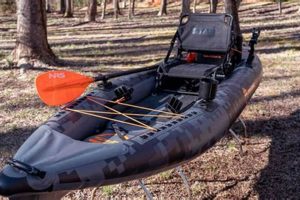
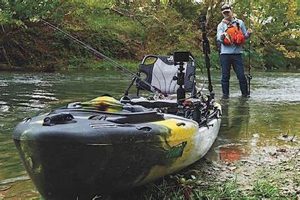
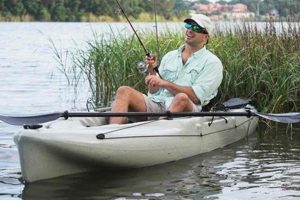
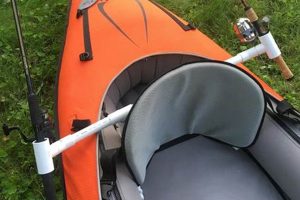
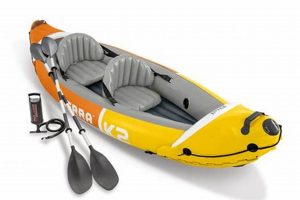
A high-quality vessel designed for angling offers stability, comfortable seating, ample storage for gear, and specialized features like rod holders and mounting points for fish finders. A well-equipped angler might choose a kayak with a pedal drive system or ample deck space for stand-up fishing. These features enhance the fishing experience by providing comfort, convenience, and the ability to access a wider range of fishing spots.
Choosing the right watercraft significantly impacts an angler’s success and enjoyment. A stable and well-equipped vessel allows for longer fishing trips, easier navigation in various water conditions, and improved casting accuracy. Historically, anglers relied on traditional boats, but kayaks have gained popularity due to their affordability, portability, and maneuverability in shallow water and hard-to-reach areas. This shift reflects a growing appreciation for environmentally friendly and personalized fishing experiences.
This article will explore key factors to consider when selecting a suitable watercraft for angling, including hull design, propulsion systems, and essential features. Further discussion will encompass various types available on the market, catering to different fishing styles and budgets. Ultimately, this information will empower anglers to make informed decisions and enhance their time on the water.
Tips for Selecting a Fishing Kayak
Choosing a suitable vessel for angling requires careful consideration of various factors. These tips offer guidance for selecting a kayak that enhances on-the-water performance and overall fishing experience.
Tip 1: Consider Hull Design: Hull design significantly impacts stability and maneuverability. A wider, flatter hull offers greater stability, ideal for calm waters and stand-up fishing. A longer, narrower hull provides better tracking and speed, suited for covering larger distances and paddling in currents.
Tip 2: Evaluate Propulsion Systems: Paddle kayaks offer excellent exercise and affordability, while pedal-driven kayaks provide hands-free fishing and increased speed. Motorized kayaks offer the greatest range and speed but come with added cost and maintenance.
Tip 3: Prioritize Comfort and Ergonomics: A comfortable seat and adjustable footrests are crucial for long hours on the water. Consider seat back height and padding for optimal support.
Tip 4: Assess Storage Capacity: Ample storage space is essential for carrying tackle boxes, rods, and other fishing gear. Look for dry storage compartments and bungee cords for securing equipment.
Tip 5: Examine Rod Holders and Mounting Points: Integrated rod holders and mounting points for fish finders and other accessories enhance fishing efficiency and convenience.
Tip 6: Factor in Weight Capacity: Ensure the kayak’s weight capacity accommodates the angler’s weight, gear, and potential catch.
Tip 7: Research Materials and Durability: Kayaks are typically made of polyethylene or composite materials. Polyethylene kayaks are durable and affordable, while composite kayaks are lighter and offer better performance but are generally more expensive.
Careful consideration of these factors will lead to the selection of a kayak optimized for individual fishing needs and preferences. The right vessel can significantly enhance angling success and overall enjoyment on the water.
By understanding these key considerations, anglers can confidently choose a kayak that meets their specific requirements and maximizes their fishing experience. The next section will delve into specific kayak models suitable for various fishing styles.
1. Stability

Stability forms a cornerstone of a successful fishing kayak. A stable platform allows anglers to cast, reel, and land fish effectively, minimizing the risk of capsizing, especially in challenging conditions such as windy weather or choppy water. This stability contributes significantly to angler safety and confidence, permitting focus on the fishing task rather than maintaining balance. For instance, the ability to stand up in a kayak, crucial for sight fishing or fly fishing, relies heavily on platform stability. Compromised stability can lead to difficulties in hooking and landing fish, decreased casting accuracy, and ultimately, a less productive and enjoyable fishing experience. Kayak design features, such as hull width and shape, play a crucial role in determining stability.
The importance of stability varies based on intended fishing styles and water conditions. Anglers frequently fishing in calm lakes or slow-moving rivers may prioritize maneuverability over absolute stability, opting for a narrower hull. However, those venturing into rougher waters or engaging in techniques requiring standing benefit significantly from a wider, more stable hull design. Considering the target fishing environment and techniques is therefore essential in selecting a kayak with appropriate stability characteristics. Specialized features like outriggers can further enhance stability for anglers prioritizing this aspect.
In summary, stability is a crucial factor in evaluating fishing kayaks. It directly impacts angler safety, fishing effectiveness, and overall enjoyment on the water. Careful consideration of hull design, anticipated fishing conditions, and personal preferences allows anglers to select a kayak with the optimal stability profile for their needs, maximizing both performance and safety. Understanding the relationship between stability and kayak design empowers informed decision-making, contributing to a positive and productive fishing experience.
2. Maneuverability

Maneuverability represents a critical performance attribute in fishing kayaks, directly influencing an angler’s ability to navigate diverse water environments and access prime fishing locations. A highly maneuverable vessel allows for efficient navigation through tight spaces, swift turns, and precise positioning in challenging conditions. This characteristic becomes particularly significant when navigating complex waterways, pursuing agile fish species, or accessing shallow, secluded areas often teeming with fish. The following facets explore the components and implications of maneuverability in detail.
- Hull Design and Length
Hull design plays a pivotal role in determining a kayak’s maneuverability. Shorter kayaks with wider, flatter hulls generally offer enhanced maneuverability, enabling tight turns and quick changes in direction. Longer, narrower hulls, while offering superior tracking in open water, may be less agile in confined spaces. For example, a short, wide kayak excels in navigating narrow creeks or mangrove tunnels, whereas a longer kayak might be preferable for traversing open lakes or coastal waters. The choice of hull design depends significantly on the intended fishing environment and the angler’s maneuvering requirements.
- Water Resistance and Tracking
Water resistance and tracking significantly affect maneuverability. Kayaks with reduced water resistance and improved tracking require less effort to turn and maintain desired headings. Features like a pronounced keel or tracking fins enhance straight-line tracking, while potentially compromising turning agility. A kayak designed for river fishing might prioritize maneuverability over straight-line tracking, allowing for quick adjustments in currents and around obstacles. Conversely, a kayak intended for open-water fishing may benefit from enhanced tracking for covering longer distances efficiently.
- Propulsion System Influence
The chosen propulsion system impacts maneuverability. Paddle kayaks offer excellent control and maneuverability in tight spaces, allowing for precise adjustments and quick turns. Pedal-driven kayaks, while offering hands-free operation, may have a slightly larger turning radius. Motorized kayaks provide power and speed but might sacrifice some agility in confined areas. Consider a paddle kayak for navigating tight, shallow streams, while a pedal-drive system might be preferable for larger bodies of water where hands-free fishing is advantageous.
- Impact of Weight and Load
The overall weight of the kayak, including gear and angler, influences its maneuverability. A heavier kayak requires more effort to turn and maneuver, impacting responsiveness and agility. Distributing weight evenly within the kayak can improve stability and maneuverability. For instance, a heavily loaded kayak may be less responsive than a lighter one, particularly in windy conditions or strong currents. Careful consideration of weight capacity and efficient gear storage contributes to optimal maneuverability.
These facets collectively influence the overall maneuverability of a fishing kayak. A well-balanced design considers the interplay between hull design, propulsion, and weight to optimize performance in the intended fishing environment. Prioritizing maneuverability allows anglers to confidently navigate diverse waters, access productive fishing spots, and ultimately enhance their fishing experience.
3. Storage Capacity

Ample and well-designed storage is a defining characteristic of a good fishing kayak. The ability to carry essential gear, tackle, and personal items directly impacts fishing success and overall comfort on the water. Insufficient storage can lead to a cluttered cockpit, hindering movement and casting, while also limiting the range of tackle and equipment that can be carried. This section explores the key facets of storage capacity in relation to effective kayak fishing.
- Types of Storage
Fishing kayaks offer various storage solutions, each catering to different needs. Common storage types include open deck storage with bungee cords for securing larger items, sealed hatches for protecting valuables from water, and recessed compartments for organizing smaller tackle and tools. A good fishing kayak often incorporates a combination of these storage types to accommodate a wide range of gear. For instance, a large open deck area might be used to store a tackle crate, while a sealed hatch protects electronics and personal items. Understanding the types of storage available and their intended uses allows anglers to effectively organize and access their equipment.
- Capacity and Weight Distribution
The overall storage capacity and its distribution within the kayak influence stability and performance. Excessive weight in the stern or bow can negatively impact tracking and maneuverability. A well-designed kayak distributes storage compartments strategically to maintain balance and optimize performance. Consider the combined weight of planned gear and its placement within the kayak to ensure optimal weight distribution and prevent instability. For example, distributing heavier items lower in the hull improves stability, while keeping frequently used items within easy reach enhances fishing efficiency.
- Accessibility and Organization
Easy access to stored gear is essential for maintaining fishing momentum and efficiency. Well-placed hatches, readily accessible compartments, and intuitive organization systems minimize disruptions during fishing. Features like tackle trays, rod holders, and designated storage for electronics enhance organization and streamline access to essential items. For instance, readily accessible tackle trays allow for quick lure changes without rummaging through a cluttered storage area. Efficient organization contributes to a more productive and enjoyable fishing experience.
- Material and Durability
The material and construction of storage compartments contribute to their durability and longevity. High-quality hatches and seals prevent water intrusion, protecting valuable equipment. Durable materials resist wear and tear from repeated use and exposure to the elements. For example, robust hatch seals prevent water damage to electronics and other sensitive gear, while durable storage compartments withstand impacts and abrasion from tackle and equipment. Investing in a kayak with well-constructed and durable storage ensures long-term functionality and protection of essential gear.
Effective storage solutions are integral to a good fishing kayak. A well-designed storage system considers capacity, accessibility, durability, and weight distribution to maximize angler efficiency and enjoyment. By understanding these facets, anglers can select a kayak that accommodates their specific storage needs and enhances their overall fishing experience. Appropriate storage capacity contributes significantly to a well-organized and productive fishing trip, allowing anglers to focus on the task at hand and maximize their time on the water.
4. Comfort

Comfort is integral to a positive fishing kayak experience. Extended periods on the water necessitate a comfortable seating arrangement to minimize fatigue and maximize fishing effectiveness. Discomfort can detract from focus, hinder performance, and curtail the duration of fishing trips. A well-designed kayak seat provides adequate support, cushioning, and adjustability to accommodate individual preferences and physical requirements. For example, a high-back seat with lumbar support can significantly alleviate strain during long hours on the water. Adjustable footrests further enhance comfort by allowing for proper leg positioning and weight distribution. Conversely, an uncomfortable seat can lead to back pain, stiffness, and a decreased enjoyment of the fishing experience. Prioritizing comfort contributes directly to angler well-being and the ability to focus on the task at hand.
Beyond seating, overall cockpit design contributes to comfort. Ample legroom allows for comfortable movement and stretching, reducing cramped sensations during extended trips. A well-placed and accessible array of features, such as rod holders, cup holders, and storage compartments, minimizes awkward reaching and bending, enhancing both comfort and efficiency. Consider a kayak with an adjustable seat position to accommodate different paddling styles and body types. Similarly, ample deck space allows for comfortable movement and gear storage, reducing clutter and enhancing the overall fishing experience. Practical considerations like these contribute significantly to a comfortable and enjoyable environment on the water.
In summary, comfort is not a luxury but a necessity in a good fishing kayak. It directly influences angler endurance, focus, and overall enjoyment. A comfortable kayak enables longer, more productive fishing trips by minimizing fatigue and maximizing enjoyment. Careful consideration of seat design, cockpit layout, and ergonomic features allows anglers to prioritize comfort and enhance their overall fishing experience. This emphasis on comfort ultimately translates to greater enjoyment and success on the water.
5. Durability

Durability is a critical factor in evaluating fishing kayaks, directly impacting the vessel’s longevity, resistance to damage, and overall performance. A durable kayak withstands the rigors of frequent use, exposure to various environmental conditions, and occasional impacts, ensuring reliable performance over time. This characteristic is essential for maintaining the kayak’s structural integrity, preserving its functionality, and ensuring angler safety. The following facets explore the key components and implications of durability in detail.
- Material Selection
The choice of material significantly influences a kayak’s durability. Common materials include polyethylene (PE), which is known for its impact resistance and affordability, and composite materials like fiberglass or carbon fiber, which offer greater strength and lighter weight but often come at a higher cost. PE kayaks are well-suited for navigating rocky rivers or shallow waters where impacts are more likely, while composite kayaks might be preferred for open-water fishing where weight and speed are prioritized. Selecting the appropriate material depends on the intended use and environmental conditions.
- Construction Quality
Construction quality plays a crucial role in determining a kayak’s long-term durability. Proper hull construction, seam welding, and hardware installation are essential for preventing leaks, cracks, and structural failures. High-quality construction ensures that the kayak can withstand stress and strain from paddling, impacts, and exposure to the elements. For example, reinforced seams and robust hull construction contribute to the kayak’s ability to withstand impacts and maintain its structural integrity over time. Careful inspection of construction details is essential in assessing a kayak’s durability.
- UV Resistance
Exposure to ultraviolet (UV) radiation from sunlight can degrade kayak materials over time, leading to fading, brittleness, and reduced structural integrity. UV-resistant coatings and additives protect the kayak from the damaging effects of sunlight, prolonging its lifespan and maintaining its appearance. Kayaks frequently stored outdoors or used in sunny climates benefit significantly from UV protection. For example, a kayak with a UV-resistant coating retains its color and structural integrity longer than one without protection, even with prolonged exposure to sunlight. This resistance contributes to the kayak’s overall longevity and aesthetic appeal.
- Impact and Abrasion Resistance
Fishing kayaks often encounter impacts and abrasion from rocks, logs, and other obstacles in the water. A durable kayak features impact-resistant materials and reinforced areas prone to abrasion, minimizing damage and maintaining performance. For instance, a kayak designed for river fishing might have reinforced keel and sidewalls to withstand impacts and abrasion from rocks and other underwater hazards. This resistance to damage is essential for maintaining the kayak’s structural integrity and ensuring angler safety in challenging environments.
Durability is a key consideration in selecting a good fishing kayak. A durable kayak provides reliable performance over time, withstands the rigors of various fishing environments, and ensures angler safety. Careful evaluation of material selection, construction quality, UV resistance, and impact/abrasion resistance allows anglers to choose a kayak that will provide years of reliable service. Investing in a durable kayak contributes to a positive and long-lasting fishing experience, maximizing time on the water and minimizing the need for repairs or replacements.
6. Propulsion System
The propulsion system of a fishing kayak significantly influences its performance, range, and adaptability to various fishing environments. An effective propulsion system allows anglers to cover greater distances, access remote fishing spots, and navigate diverse water conditions with efficiency. Understanding the nuances of various propulsion systems is crucial for selecting a kayak that aligns with individual fishing styles and preferences. The following facets explore the key propulsion methods and their implications for kayak fishing.
- Paddle Propulsion
Paddle propulsion represents the traditional and most accessible method for powering a kayak. Utilizing a double-bladed paddle, anglers propel the kayak through the water using upper body strength and paddling technique. This method offers excellent maneuverability, control, and affordability, making it suitable for a wide range of fishing environments, particularly those requiring precise navigation in tight spaces or shallow waters. Paddle kayaks excel in navigating complex waterways, such as mangrove tunnels or narrow creeks, where maneuverability is paramount. While requiring physical exertion, paddle propulsion provides a direct connection to the water and enhances angler engagement with the surrounding environment.
- Pedal Propulsion
Pedal-powered kayaks utilize a foot-pedal system, similar to a bicycle, to drive a propeller or flipper system. This hands-free propulsion method allows anglers to dedicate their attention to fishing, enhancing casting accuracy and line management. Pedal kayaks offer increased speed and range compared to paddle kayaks, making them well-suited for covering larger distances or fishing in open water. The hands-free operation also benefits techniques like trolling or fly fishing, where maintaining precise boat control while simultaneously handling fishing gear is crucial. However, pedal-drive systems typically add cost and complexity to the kayak, requiring occasional maintenance and potentially limiting maneuverability in very shallow or obstacle-laden waters.
- Motorized Propulsion
Motorized kayaks offer the greatest speed and range of any propulsion system, allowing anglers to quickly access distant fishing spots and cover vast expanses of water. Electric motors provide quiet and environmentally friendly operation, while gasoline-powered motors offer greater power and range. Motorized kayaks are particularly advantageous for larger bodies of water, such as lakes or coastal areas, where covering long distances is essential. However, the added weight and complexity of a motor, along with potential battery life limitations for electric models, require careful consideration. Additionally, motorized kayaks may be subject to specific regulations and licensing requirements depending on local boating laws.
- Choosing the Right Propulsion
Selecting the appropriate propulsion system depends on several factors, including fishing style, target environment, physical capabilities, and budget. Anglers prioritizing maneuverability and affordability might opt for a paddle kayak, while those seeking hands-free operation and increased range might prefer a pedal-driven system. Motorized kayaks cater to anglers requiring maximum speed and range, but come with added cost and complexity. Careful consideration of these factors ensures that the chosen propulsion system aligns with individual needs and maximizes fishing efficiency and enjoyment.
The propulsion system is a fundamental component of a good fishing kayak. Understanding the advantages and limitations of each propulsion method allows anglers to make informed decisions based on their individual fishing styles, target environments, and desired level of performance. By carefully considering these factors, anglers can choose a kayak that enhances their fishing experience, maximizing efficiency, range, and overall enjoyment on the water.
7. Special Features (e.g., rod holders)

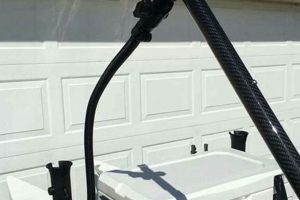
Specialized features distinguish a good fishing kayak from a standard recreational model. These features enhance functionality, efficiency, and overall angler performance. Rod holders, for example, provide secure storage and quick access to fishing rods, freeing hands for paddling, baiting hooks, or landing fish. Integrated mounting points accommodate fish finders, GPS units, and other electronic accessories, crucial for locating fish and navigating waterways. Similarly, strategically placed gear tracks allow for customized mounting of accessories like camera mounts or additional rod holders, tailoring the kayak to individual needs. Without these features, anglers face limitations in gear organization, accessibility, and overall fishing effectiveness.
Consider the scenario of trolling multiple lines. A kayak equipped with multiple rod holders, strategically positioned for optimal line spread, enables efficient trolling and increases the likelihood of hooking fish. Conversely, without dedicated rod holders, managing multiple lines becomes cumbersome and potentially hazardous. Similarly, integrated storage compartments for tackle boxes and gear keep essential items organized and within easy reach, minimizing disruptions during critical moments. A well-designed kayak incorporates these features seamlessly, enhancing both functionality and angler comfort. For instance, recessed storage compartments protect valuable equipment from water damage while maintaining a clean and uncluttered deck space. These practical considerations contribute significantly to a positive and productive fishing experience.
In summary, specialized features are integral to a good fishing kayak. These features, ranging from rod holders and mounting points to integrated storage solutions, directly enhance angler efficiency, comfort, and overall fishing success. Careful consideration of these features during kayak selection is essential for creating a well-equipped and functional fishing platform. The presence and thoughtful integration of these features distinguish a purpose-built fishing kayak, optimized for performance and angler convenience, from a standard recreational model. Ultimately, these features contribute significantly to a more organized, efficient, and enjoyable fishing experience.
Frequently Asked Questions
This section addresses common inquiries regarding the selection and use of fishing kayaks, providing concise and informative responses to assist in making informed decisions.
Question 1: What hull design is best suited for ocean fishing?
Longer kayaks with a V-shaped hull generally perform well in ocean conditions due to their enhanced tracking and ability to handle waves. However, specific design considerations should account for prevailing conditions and target species.
Question 2: How important is weight capacity when choosing a kayak?
Weight capacity is crucial. It must accommodate the combined weight of the angler, gear, and potential catch to ensure safe and stable performance. Exceeding the specified weight capacity compromises stability and can lead to capsizing.
Question 3: What are the advantages of a pedal-driven kayak over a paddle kayak?
Pedal kayaks offer hands-free operation, enabling anglers to focus on fishing rather than paddling. This is particularly advantageous for techniques like trolling or fly fishing. However, pedal drives add cost and complexity compared to paddle propulsion.
Question 4: What essential safety gear should be carried on a fishing kayak?
Essential safety gear includes a personal flotation device (PFD), a whistle, a visual distress signal, a first-aid kit, and a communication device. Local regulations may mandate additional safety equipment.
Question 5: How does one choose between a sit-on-top and a sit-inside kayak for fishing?
Sit-on-top kayaks offer superior stability and ease of entry/exit, making them suitable for warmer climates and anglers prone to accidental submersion. Sit-inside kayaks provide greater protection from the elements and offer drier seating, advantageous in colder conditions.
Question 6: What maintenance is required for a fishing kayak?
Regular maintenance includes rinsing the kayak with fresh water after each use, especially after saltwater exposure. Periodic inspection and lubrication of moving parts, such as pedal drives or rudder systems, are essential for maintaining optimal performance and longevity.
Careful consideration of these frequently asked questions empowers informed decision-making in selecting and utilizing a fishing kayak. A comprehensive understanding of these aspects ensures a safe, efficient, and enjoyable fishing experience.
This concludes the FAQ section. The following section will offer concluding thoughts and recommendations.
Conclusion
Selecting a high-quality vessel designed for angling involves careful consideration of various factors. Hull design, propulsion system, storage capacity, comfort, durability, and specialized features contribute significantly to on-the-water performance and overall fishing experience. Prioritizing stability ensures angler safety and effective casting, while maneuverability allows access to diverse fishing locations. Ample storage accommodates essential gear, and comfort features, such as ergonomic seating, promote extended fishing trips. Durability ensures long-term reliability, and specialized features like rod holders and mounting points enhance fishing efficiency. A balanced approach to these elements defines a truly effective platform for angling.
Investing in a well-equipped, purpose-built watercraft optimized for angling enhances not only fishing success but also the overall connection with the aquatic environment. Understanding the nuances of kayak design and features empowers informed decision-making, leading to a more rewarding and sustainable approach to angling. The appropriate vessel becomes an extension of the angler’s skill, facilitating a deeper appreciation for the sport and the natural world.