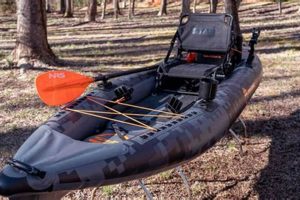
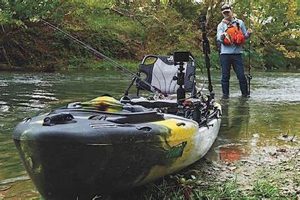
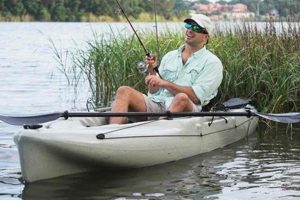
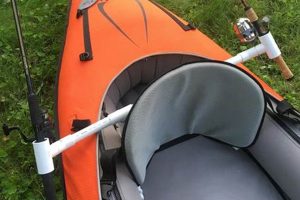
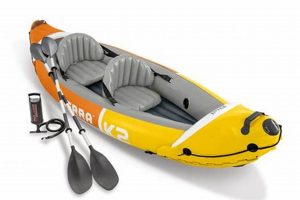
This type of boat, designed specifically for angling, blends stability, maneuverability, and specialized features. Imagine a compact vessel equipped with rod holders, tackle storage, and often a livewell or cooler for keeping catches fresh. This specialized watercraft allows anglers to access shallow waters and hard-to-reach fishing spots often inaccessible to larger boats.
The advantages of such a craft are numerous, including affordability compared to motorized boats, ease of transport and storage, and the quiet, non-intrusive approach it offers, minimizing disturbance to fish and their environment. Historically, fishing from small, human-powered vessels has existed for centuries. The modern iteration represents a culmination of design advancements and material innovations, resulting in highly efficient and enjoyable fishing platforms.
This article delves deeper into key aspects, examining popular models, essential accessories, and effective techniques for maximizing fishing success from this unique platform. Further discussion will cover safety considerations, maintenance tips, and the growing community surrounding this specialized angling approach.
Tips for Kayak Fishing Success
Effective angling from this specialized platform requires preparation and technique. The following tips offer guidance for enhancing fishing success and overall experience.
Tip 1: Stability is Paramount: Prioritize stability, especially for beginners. Wider, flatter-hulled designs offer greater initial stability. Practice entering, exiting, and casting in calm water before venturing into more challenging conditions.
Tip 2: Plan and Prepare: Research potential fishing locations, considering water conditions, species targeted, and access points. Organize tackle beforehand and pack essential safety gear, including a personal flotation device and a signaling device.
Tip 3: Master Paddle Strokes: Efficient paddling conserves energy and allows precise boat control. Practice forward, reverse, and turning strokes to maneuver effectively in various currents and wind conditions.
Tip 4: Choose the Right Gear: Select rods, reels, and tackle appropriate for the target species and fishing environment. Shorter rods are often preferred for maneuverability within the confines of the kayak.
Tip 5: Anchor Effectively: Utilizing a suitable anchor system prevents drifting and maintains position in desired fishing locations. Consider anchor trolleys for precise positioning adjustments.
Tip 6: Practice Catch and Release Techniques: Proper handling minimizes stress on released fish, promoting healthy fish populations. Use appropriate tools and techniques to minimize handling time and potential injury.
Tip 7: Respect the Environment: Pack out all trash and fishing line. Adhere to local regulations and minimize disturbance to wildlife and their habitats.
By adhering to these guidelines, anglers can maximize their success and enjoyment on the water while promoting responsible fishing practices.
These preparatory steps and on-the-water strategies contribute significantly to a rewarding experience. The following section concludes this discussion with final thoughts and recommendations.
1. Stability

Stability forms the cornerstone of a successful fishing experience from a kayak. A stable platform allows anglers to cast, reel, and land fish efficiently and safely, while also providing a comfortable and confident foundation for navigating varying water conditions. Without adequate stability, the angler’s focus shifts from fishing to maintaining balance, diminishing overall enjoyment and effectiveness.
- Hull Design:
Hull design significantly impacts stability. Wider, flatter hulls generally provide greater initial stability, making them suitable for beginners or calmer waters. Conversely, narrower, V-shaped hulls offer better tracking and speed but compromise initial stability. Pontoon-style hulls represent another option, maximizing stability but potentially sacrificing maneuverability. Choosing the right hull design depends on individual preferences and intended fishing environments.
- Center of Gravity:
Maintaining a low center of gravity is crucial for stability. Distributing weight evenly within the kayak and avoiding sudden movements minimizes the risk of capsizing. Adding weight low in the hull can further enhance stability. The angler’s body position also plays a role; sitting upright and centered maintains optimal balance.
- Water Conditions:
Calm, flat water naturally provides a more stable environment. However, factors like wind, currents, and waves can significantly impact stability. Anglers should assess water conditions before venturing out and adjust their techniques accordingly. In rougher waters, maintaining a lower center of gravity and avoiding sudden movements becomes even more critical.
- Standing vs. Sitting:
While some specialized kayaks allow for stand-up fishing, this inherently reduces stability. Anglers should practice standing and casting in calm water before attempting this in more challenging conditions. Consider using a stand-assist strap or outriggers for added stability when fishing from a standing position.
Ultimately, understanding the factors influencing stability allows anglers to select the appropriate kayak and adapt their techniques to ensure a safe and productive fishing experience. Prioritizing stability enhances not only safety but also angling effectiveness, allowing for confident casting, accurate retrieves, and successful fish landings. The interplay of these elements significantly contributes to the overall enjoyment and success of fishing from a kayak.
2. Maneuverability
Maneuverability represents a critical performance attribute in a sport fisher kayak, directly influencing an angler’s ability to navigate diverse water environments and access prime fishing locations. Efficient and precise boat control allows for strategic positioning in currents, wind, and around obstacles like vegetation or submerged structures. This capability is essential for pursuing target species effectively and maximizing fishing success.
- Hull Design:
Hull design significantly impacts maneuverability. Shorter kayaks with a more rounded hull tend to turn more quickly, while longer, narrower kayaks track straighter and glide more efficiently. The presence of a keel improves tracking but can reduce turning responsiveness. Understanding these design trade-offs is crucial for selecting a kayak suited to specific fishing environments and angling styles.
- Rudder System:
A rudder system enhances directional control, especially in windy conditions or strong currents. By allowing for course adjustments without paddling, rudders conserve energy and maintain precise positioning. Foot-controlled rudder systems offer hands-free operation, enabling anglers to maintain paddle strokes and fishing readiness.
- Paddle Type and Technique:
Paddle length and blade shape influence paddling efficiency and maneuverability. Longer paddles generate more power, while shorter paddles offer quicker strokes for tighter turns. Asymmetrical blades provide smoother, more efficient paddling. Proper paddling technique, including forward, reverse, and sweep strokes, further enhances boat control and precise maneuvering.
- Water Conditions:
Water conditions, including current strength and wind direction, significantly affect maneuverability. Kayakers must adapt their paddling techniques and utilize rudder systems effectively to navigate these dynamic forces. Understanding how water flow interacts with the kayak’s hull is crucial for maintaining desired positions and navigating challenging environments.
The interplay of these factors directly impacts the angler’s ability to access productive fishing areas, maintain optimal positioning, and present lures or bait effectively. Superior maneuverability translates to greater efficiency on the water and ultimately enhances the overall fishing experience. Therefore, careful consideration of these elements is paramount when selecting and utilizing a sport fisher kayak.
3. Storage Capacity

Adequate storage capacity is a defining feature of a well-equipped sport fisher kayak, directly impacting an angler’s preparedness and efficiency on the water. Sufficient storage allows for organized transport of essential gear, including tackle boxes, rods, reels, safety equipment, and personal items. This organizational capability streamlines access to necessary items, minimizing time spent searching and maximizing time spent fishing. Furthermore, proper storage protects gear from the elements, ensuring its longevity and functionality.
- Tankwell Storage:
Tankwells, typically located at the rear of the kayak, offer large, open storage areas ideal for larger items like tackle crates, coolers, or even a battery for powering fish finders. Bungee cords or tie-down straps secure these items, preventing shifting or loss during transit or navigation. The accessibility of tankwell storage allows for quick retrieval of frequently used equipment.
- Hatch Storage:
Hatches provide enclosed, waterproof compartments suitable for protecting sensitive items like electronics, wallets, and keys. These compartments safeguard against water damage and offer secure storage for valuable belongings. Multiple hatches, strategically positioned throughout the kayak, allow for organized storage of various items and efficient retrieval.
- Side Storage:
Side storage pockets or compartments, often located within easy reach of the angler’s seated position, provide convenient access to frequently used items like pliers, line cutters, or small tackle boxes. These designated spaces keep essential tools readily available, streamlining fishing operations and minimizing disruption.
- Rod Holders:
Dedicated rod holders, integrated into the kayak’s design, secure fishing rods while not in use, preventing loss or damage. Flush-mounted rod holders minimize interference with paddling, while adjustable rod holders offer flexibility in positioning rods for trolling or other fishing techniques. The number and placement of rod holders directly influence an angler’s ability to carry multiple rods rigged for different species or fishing styles.
The strategic combination of these storage solutions directly contributes to a well-organized and efficient fishing experience. Ample and accessible storage allows anglers to focus on the task at hand catching fish rather than managing gear or searching for misplaced items. This enhanced organizational capability elevates the overall fishing experience, transforming the sport fisher kayak into a highly effective and streamlined angling platform.
4. Fishing Features
Specialized fishing features distinguish a sport fisher kayak from recreational models, transforming it into a dedicated angling platform. These integrated design elements enhance efficiency, organization, and overall fishing success. Understanding these key features is crucial for selecting the right kayak and maximizing its potential on the water.
- Rod Holders:
Rod holders are fundamental components, securing rods while paddling, trolling, or rigging. Various types exist, including flush-mounted, adjustable, and rotating holders. Multiple rod holders allow anglers to carry several rods rigged for different techniques or target species. For example, a kayak might feature two flush-mounted rod holders behind the seat for trolling and two adjustable rod holders up front for casting.
- Tackle Storage:
Integrated tackle storage systems keep essential gear organized and accessible. This can include dedicated tackle boxes, trays, or compartments within easy reach of the angler. Examples include a center console with removable tackle trays or side pockets designed to hold small tackle boxes and tools. Efficient tackle storage minimizes time spent searching for gear, maximizing fishing time.
- Livewells and Bait Tanks:
Livewells or bait tanks maintain the health and viability of live bait or caught fish. These integrated systems typically include aeration and water circulation to keep bait lively and catches fresh. An insulated livewell preserves bait in warmer temperatures, while a larger bait tank accommodates larger baitfish or multiple catches. These features are crucial for anglers targeting species requiring live bait or those practicing catch and release.
- Mounting Systems:
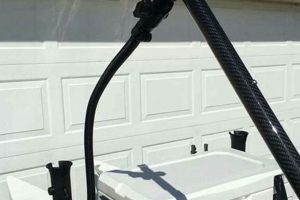
Mounting systems provide attachment points for fish finders, GPS units, cameras, and other electronic accessories. Tracks, rails, and inserts offer versatile mounting options, allowing anglers to customize their setups. For example, a kayak with integrated tracks can accommodate a fish finder mount at the console and a camera mount at the bow. These systems enhance angling capabilities and provide valuable data for locating fish and navigating waterways.
These integrated fishing features collectively enhance the angling experience, transforming a standard kayak into a purpose-built fishing machine. The strategic selection and utilization of these features directly contribute to increased efficiency, organization, and ultimately, fishing success. Consideration of these elements is essential when selecting a sport fisher kayak to ensure it aligns with individual angling needs and preferences.
5. Comfort

Comfort plays a pivotal role in the overall experience of sport fisher kayak angling. Extended periods on the water, often involving repetitive paddling and varied body positions, necessitate a comfortable and supportive environment. Discomfort can detract from focus, diminish enjoyment, and ultimately curtail fishing time. A comfortable kayak enables anglers to maintain concentration, react effectively to fish strikes, and enjoy the experience to the fullest. Consider the impact of a poorly designed seat on a multi-hour fishing trip. Back pain, leg cramps, and general discomfort can quickly transform an enjoyable outing into an ordeal, hindering performance and diminishing overall satisfaction.
Several factors contribute to kayak fishing comfort. Seat design is paramount, with adjustable backrests, padded cushions, and breathable fabrics promoting proper posture and reducing pressure points. Ergonomic considerations, such as footrest placement and cockpit dimensions, accommodate varying body sizes and leg lengths, preventing cramping and promoting efficient paddling. Ample deck space allows for comfortable movement and gear access within the kayak. For instance, a well-designed kayak might feature a high-back seat with lumbar support, adjustable foot braces, and a spacious cockpit, allowing anglers to maintain a comfortable and stable position throughout the day, even in challenging conditions. The practical significance of these features becomes readily apparent during long fishing trips, where comfort directly translates to sustained focus and enjoyment.
Prioritizing comfort in a sport fisher kayak directly translates to enhanced fishing performance and enjoyment. A comfortable angler remains alert, focused, and able to react quickly to fish strikes. Furthermore, a comfortable environment promotes longer fishing sessions, increasing opportunities for success. Addressing comfort needs through thoughtful design and appropriate gear selection significantly elevates the overall kayak fishing experience, transforming it from a potentially arduous undertaking into a truly rewarding pursuit. Neglecting comfort, conversely, can lead to premature fatigue, diminished performance, and a less fulfilling experience on the water.
6. Durability
Durability stands as a critical factor in the evaluation and selection of a sport fisher kayak. These vessels operate in demanding environments, encountering abrasive shorelines, submerged obstacles, and fluctuating temperatures. A durable kayak withstands these rigors, minimizing the risk of damage and ensuring a long lifespan. Construction materials, hull design, and hardware quality directly influence a kayak’s ability to endure these challenges. Consider the impact of repeatedly dragging a kayak across rocky terrain; a robust hull material, such as high-density polyethylene, resists abrasion and impact, preserving the kayak’s structural integrity. Conversely, a less durable material might sustain cracks or punctures, compromising performance and necessitating repairs.
The practical implications of durability extend beyond mere longevity. A durable kayak offers a safer and more reliable platform for fishing expeditions. Resistance to punctures and impacts safeguards against leaks and maintains buoyancy, critical safety considerations in open water. Furthermore, robust construction minimizes maintenance requirements and associated costs, allowing anglers to focus on fishing rather than repairs. For example, reinforced attachment points for seats and accessories prevent stress fractures and ensure the secure mounting of essential gear. This robust design enhances safety and minimizes the risk of equipment failure during use. The long-term cost-effectiveness of a durable kayak becomes evident over time, as fewer repairs and replacements translate to lower overall ownership costs and more time spent on the water.
Durability, therefore, represents a crucial investment in the long-term viability and enjoyment of a sport fisher kayak. Selecting a kayak built with high-quality materials and robust construction ensures resilience against the inevitable wear and tear of regular use. This durability translates to enhanced safety, reduced maintenance, and ultimately, a more rewarding and cost-effective fishing experience. Prioritizing durability during the selection process ultimately empowers anglers to focus on what matters most pursuing their passion on the water with confidence and peace of mind.
Frequently Asked Questions
This section addresses common inquiries regarding specialized fishing kayaks, providing concise and informative responses to assist prospective buyers and current owners.
Question 1: What key features differentiate a specialized fishing kayak from a recreational model?
Dedicated fishing kayaks incorporate features like rod holders, tackle storage, anchor trolleys, and often livewells or bait tanks. These specialized features enhance angling efficiency and organization, setting them apart from recreational kayaks designed for general-purpose paddling.
Question 2: How stable are these specialized kayaks, especially in challenging conditions?
Stability varies depending on hull design. Wider, flatter hulls offer greater initial stability, while longer, narrower hulls prioritize speed and tracking. Consider water conditions and personal preferences when evaluating stability requirements. Testing a kayak before purchase is advisable.
Question 3: What is the typical weight capacity of this type of kayak?
Weight capacity varies significantly depending on the kayak’s size and design. Consult manufacturer specifications to determine the appropriate weight limit for individual needs and gear. Exceeding the weight capacity compromises stability and performance.
Question 4: Are these kayaks suitable for ocean fishing, or are they primarily designed for freshwater use?
Certain models are specifically designed for ocean fishing, featuring enhanced stability and tracking capabilities to handle rougher waters. Consider intended fishing environments when selecting a kayak. Consult product descriptions and reviews for suitability in specific conditions.
Question 5: What essential safety gear should one carry when fishing from this type of vessel?
Essential safety gear includes a personal flotation device (PFD), a whistle or other signaling device, a first-aid kit, and appropriate navigation lights if fishing in low-light conditions. Check local regulations for specific safety requirements.
Question 6: What maintenance is required to ensure the longevity of a specialized fishing kayak?
Regular rinsing with fresh water after each use, especially in saltwater environments, helps prevent corrosion and prolongs the lifespan of the kayak. Periodic inspection and maintenance of hardware, such as rudder systems and hatches, ensures proper functionality and prevents potential issues. Store the kayak properly, protected from direct sunlight and extreme temperatures.
Addressing these common questions provides a foundational understanding for making informed decisions regarding the selection, use, and maintenance of specialized fishing kayaks. Thorough research and consideration of individual needs and preferences are paramount for maximizing enjoyment and safety on the water.
The following section offers concluding remarks and further resources for exploring the world of sport fisher kayaking.
Conclusion
This exploration of specialized fishing kayaks has highlighted their unique blend of stability, maneuverability, and specialized features designed to enhance angling effectiveness. Key considerations, including hull design, storage capacity, comfort, and durability, directly impact performance and long-term satisfaction. Understanding these elements empowers informed decision-making, enabling anglers to select the optimal vessel for individual needs and fishing styles. Proper preparation, safety precautions, and adherence to responsible fishing practices further contribute to a positive and productive experience on the water.
The evolution of specialized fishing kayaks continues to refine the angling experience, offering ever-increasing opportunities to connect with the aquatic environment and pursue targeted species. Careful consideration of the factors discussed herein empowers anglers to make informed choices, maximizing both enjoyment and success on the water. The future of this specialized angling approach promises continued innovation, enhancing accessibility and fostering a deeper appreciation for the sport.