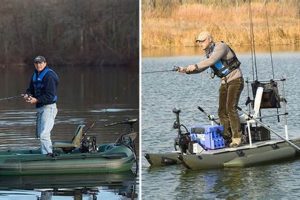
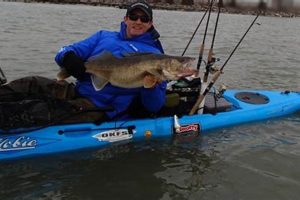
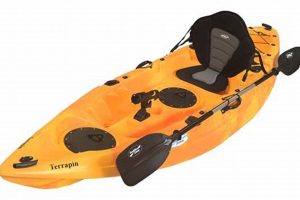
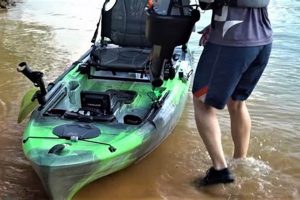
Recreational angling from small, human-powered vessels offers a unique way to experience the UK’s diverse waterways. This pursuit allows close-to-water interaction with nature, providing opportunities to target various freshwater and saltwater species in locations often inaccessible from shore or larger boats. The relatively low cost of entry compared to motorized boating makes it an attractive option for newcomers to the sport.
This accessible activity fosters a deep connection with the environment, encourages physical activity, and promotes mindful engagement with the outdoors. The historical roots of small boat fishing stretch back centuries, with kayaks and similar craft traditionally employed for subsistence fishing in various cultures. Today, this evolved practice offers a blend of traditional methods and modern angling techniques, attracting a growing community of enthusiasts.
Further exploration of this subject will cover essential equipment choices, including vessel selection, paddle types, and appropriate safety gear. Effective fishing techniques, ideal locations within the UK, and relevant licensing/regulatory information will also be addressed. Finally, advice on responsible angling practices and environmental stewardship will be provided.
Tips for Novice Kayak Anglers in the UK
Careful planning and preparation are essential for safe and successful outings on the water. The following tips provide guidance for individuals new to this activity within the United Kingdom.
Tip 1: Select Appropriate Gear: Choosing a stable kayak designed for fishing is paramount. Consider factors such as storage capacity, seat comfort, and hull design based on intended fishing locations (calm lakes versus coastal waters). A comfortable personal flotation device (PFD) designed for angling is mandatory.
Tip 2: Prioritize Safety: Check weather forecasts meticulously before each trip and avoid venturing out in adverse conditions. Inform someone of intended launch and return times, and carry a reliable communication device. A waterproof first-aid kit should always be on board.
Tip 3: Master Basic Paddling Techniques: Practice maneuvering the kayak effectively in calm water before attempting to fish. Understanding efficient paddling strokes and turning techniques enhances boat control and safety.
Tip 4: Learn Essential Knots and Rigging: Familiarize oneself with fundamental fishing knots for attaching lines, hooks, and lures. Appropriate rigging varies depending on target species, so research effective setups beforehand.
Tip 5: Start in Calm Waters: Beginners should gain experience on sheltered lakes or slow-moving rivers before tackling more challenging environments like coastal areas or fast-flowing currents.
Tip 6: Understand Local Regulations: Research and adhere to all relevant fishing license requirements and regulations for the specific waters being fished. Be mindful of any restrictions on catch limits or permitted fishing methods.
Tip 7: Practice Catch and Release Techniques: Handling fish with care and employing proper release techniques ensures their well-being and contributes to sustainable fisheries management.
By adhering to these guidelines, individuals can enhance their safety, improve their fishing success, and foster a responsible approach to enjoying this rewarding outdoor pursuit.
This foundation of knowledge provides a solid starting point for newcomers. Further exploration of specific techniques, location recommendations, and advanced skill development will help enhance proficiency and enjoyment over time.
1. Stable Kayak Selection

Stable kayak selection forms a cornerstone of safe and successful kayak angling, particularly for beginners in the UK. Kayak stability directly influences an angler’s ability to cast, retrieve, and land fish without compromising balance. Initial instability can lead to capsizing, posing significant safety risks, especially in colder UK waters. A stable platform also allows for more comfortable fishing over extended periods, reducing fatigue and enhancing overall enjoyment. For instance, wider, flatter-bottomed kayaks offer greater primary stability, making them suitable for beginners fishing in calm lakes or slow-moving rivers. Conversely, longer, narrower kayaks prioritize speed and tracking but require more experience to maintain balance.
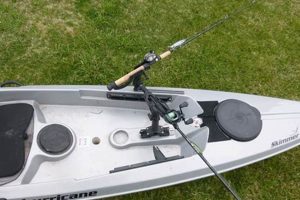
The choice of kayak hull design also impacts stability. Sit-on-top kayaks, favored by many anglers for their self-bailing properties and ease of entry/exit, generally offer superior stability compared to sit-inside kayaks. However, sit-inside kayaks provide better protection from the elements, a crucial factor in the often-changeable UK climate. The weight capacity of the kayak must also be considered, factoring in not only the angler’s weight but also the combined weight of fishing gear, tackle, and potential catches. Exceeding the manufacturer’s recommended weight capacity can significantly compromise stability and safety. Beginners should prioritize stability over speed and maneuverability, gradually progressing to more specialized kayak designs as their skills and confidence develop.
In summary, selecting a stable kayak is paramount for novice anglers in the UK. Prioritizing stability through informed hull design and weight capacity considerations mitigates safety risks and enhances the overall fishing experience. Understanding these factors empowers beginners to choose appropriate equipment, fostering confidence and promoting long-term enjoyment of this demanding yet rewarding activity.
2. Essential Safety Gear

Safeguarding well-being while kayak fishing in the UK necessitates specific safety equipment. Understanding the function and importance of each item is crucial for mitigating risks inherent in this activity, particularly for novices. Appropriate gear promotes a secure and enjoyable experience, allowing focus to remain on angling rather than potential hazards.
- Personal Flotation Device (PFD)
A properly fitted PFD is non-negotiable. UK waters present cold-water risks, increasing the likelihood of cold water shock and reducing survival time if capsizing occurs. A PFD provides essential buoyancy, keeping the angler afloat and aiding in self-rescue or recovery by others. Angling-specific PFDs offer features like pockets for small tools and equipment.
- Communication Device
Maintaining communication is vital in case of emergencies. A waterproof mobile phone in a floating pouch or a dedicated marine VHF radio enables contact with emergency services or shore-based contacts. Informing someone of planned launch and return times, along with fishing location, is crucial, irrespective of communication device carried.
- First-Aid Kit
A waterproof first-aid kit equipped to handle common angling-related injuries, such as hook removals, line cuts, and minor sprains, is essential. Contents should include antiseptic wipes, bandages, pain relievers, and any personal medications. Familiarization with basic first aid procedures is also recommended.
- Appropriate Clothing
Dressing for immersion, even in warmer months, is crucial given the low temperature of UK waters. Multiple layers of clothing provide insulation, and a waterproof outer layer protects against wind and spray. Avoid cotton garments, which lose insulating properties when wet, and opt for quick-drying synthetic fabrics or wool. Sturdy footwear with good grip is also vital for safe launching and landing.
These elements of safety equipment are not mere accessories; they are fundamental requirements for responsible kayak angling in the UK. Prioritizing safety allows for a more focused and enjoyable experience, minimizing risks and promoting confidence on the water. Neglecting these precautions can have serious consequences, jeopardizing angler safety and potentially impacting rescue efforts. Thorough preparation and appropriate gear selection are integral to a positive and safe kayak fishing experience.
3. UK Fishing Regulations

Adherence to UK fishing regulations is paramount for anyone engaging in angling activities, including kayak fishing. These regulations, designed to ensure sustainable fish stocks and protect the aquatic environment, apply equally to all anglers regardless of their chosen fishing platform. Understanding and complying with these rules is not merely a legal obligation; it is a fundamental aspect of responsible angling practice. For beginners, navigating these regulations might appear complex initially. However, grasping the core principles ensures legal compliance and fosters a sustainable approach to the sport. A key aspect of UK fishing regulations revolves around licensing. Different licenses exist depending on the target species (e.g., salmon, trout) and the region being fished. Acquiring the correct license before commencing any fishing activity is crucial. Ignorance of licensing requirements is not a valid defense against legal penalties.
Furthermore, regulations dictate minimum size limits for specific fish species. This measure protects younger fish, allowing them to reach maturity and contribute to breeding populations. Anglers must familiarize themselves with these size limits and possess appropriate measuring tools to ensure compliance. Returning undersized fish to the water quickly and carefully minimizes stress on the animal. In addition to size limits, some areas implement catch limits, restricting the number of fish an angler can retain within a specific timeframe. These limits aim to prevent overfishing and maintain healthy fish populations. Regulations can also specify permitted fishing methods and tackle. For example, certain lures or bait types might be restricted in specific locations or during particular seasons. Understanding these nuances is vital for legal compliance and responsible angling practice. Real-life examples of regulatory breaches include fishing without a valid license, exceeding catch limits, or retaining undersized fish. Such infringements can result in fines, confiscation of equipment, and even prosecution. These consequences underscore the seriousness with which authorities view compliance with fishing regulations.
In conclusion, understanding and adhering to UK fishing regulations is an integral part of kayak fishing. It contributes to the long-term sustainability of fish populations and the overall health of the aquatic environment. For beginners, taking the time to research and comprehend these regulations is essential for a legal and ethical start to their kayak angling journey. Resources such as the Environment Agency website provide detailed information on licensing, catch limits, and permitted fishing methods, empowering anglers to fish responsibly and contribute to the preservation of the UK’s valuable aquatic resources. Neglecting this critical aspect undermines the principles of sustainable angling and jeopardizes the future of the sport.
4. Basic Paddling Skills

Effective paddling forms the foundation of successful kayak fishing in the UK. Beyond mere propulsion, proficient paddling enables precise boat control, crucial for navigating varying water conditions, approaching fishing spots stealthily, and maintaining position against wind or current. A lack of basic paddling skills compromises fishing effectiveness and can present safety risks, particularly for beginners navigating unfamiliar waters. Developing these fundamental skills is paramount before venturing out to fish from a kayak.
- Forward Stroke
The forward stroke propels the kayak efficiently. It involves a smooth, rhythmic motion, engaging core muscles for power and minimizing upper body fatigue. Proper technique maximizes forward momentum while conserving energy, vital for longer fishing trips. For example, a novice angler struggling with an inefficient forward stroke might find it challenging to reach desired fishing locations or maintain position against a moderate current, hindering their fishing effectiveness and potentially compromising safety.
- Turning Strokes
Efficient turning strokes facilitate maneuvering in tight spaces, navigating around obstacles, and adjusting position for optimal casting. Sweep strokes, draw strokes, and reverse sweeps enable precise directional changes. Consider a scenario where an angler hooks a fish near submerged branches. Proficient turning strokes allow quick maneuvering to avoid snagging the line, increasing the likelihood of landing the catch. Conversely, poor turning skills might lead to entanglement and loss of both fish and tackle.
- Bracing
Bracing techniques prevent capsizing in unstable conditions. High and low braces provide corrective support when the kayak tips, maintaining balance and preventing a full overturn. For example, an unexpected wave or the sudden movement of a hooked fish can destabilize the kayak. Effective bracing maintains equilibrium, preventing a potentially dangerous capsize, especially in colder UK waters. Mastering these techniques is crucial for angler safety and confidence.
- Wind and Current Compensation
UK waters often present windy conditions and varying currents. Understanding how to adjust paddling techniques to compensate for these factors is crucial for maintaining position and reaching desired locations. For instance, paddling against a strong headwind requires increased power and adjusted paddle angles. Similarly, navigating tidal currents necessitates understanding their flow and direction to plan efficient routes and avoid being swept off course. Failure to account for these factors can significantly impact fishing success and potentially lead to hazardous situations.
Mastery of these basic paddling skills is intrinsically linked to successful and safe kayak fishing in the UK. These skills empower anglers to navigate effectively, position themselves strategically, and maintain stability in varying conditions. This proficiency allows for a more focused and enjoyable fishing experience, reducing frustration and mitigating potential risks. Neglecting these foundational skills not only hinders fishing effectiveness but also compromises safety, making dedicated practice essential for all beginners. Building a strong paddling foundation enhances overall kayak angling proficiency and promotes confidence on the water, fostering a more rewarding experience in the long term.
5. Suitable Fishing Locations

Location selection significantly impacts the success and enjoyment of kayak fishing, especially for beginners in the UK. Choosing appropriate locations allows novice anglers to develop skills, build confidence, and gain experience in manageable environments before tackling more challenging waters. Suitable locations minimize potential hazards and maximize opportunities for catching target species, fostering a positive and rewarding introduction to the activity. The following considerations are key for identifying optimal fishing spots for beginners within the UK.
- Calm and Sheltered Waters
Calm, sheltered waters, such as small lakes, canals, and slow-moving rivers, provide ideal learning environments for novice kayak anglers. These locations minimize the impact of wind and waves, allowing beginners to focus on developing fundamental paddling and fishing techniques without the added challenge of managing unstable conditions. Sheltered bays within larger lakes also offer suitable starting points. For example, the Kennet and Avon Canal offers a tranquil setting for beginners, while sheltered bays within the Lake District provide opportunities to gain experience in a more varied environment. Starting in calm waters allows novices to build confidence and refine techniques before venturing into more exposed areas.
- Accessibility and Launch Points
Easy access to the water’s edge with designated launch points simplifies the process of entering and exiting the kayak, especially for those unfamiliar with launching techniques. Gentle slopes, slipways, or dedicated kayak launch areas minimize the risk of capsizing or damaging the kayak during entry and exit. Locations with difficult access, such as steep banks or rocky shorelines, should be avoided by beginners. A suitable launch area might include a designated slipway at a local reservoir or a gently sloping bank along a canal towpath. These accessible entry points reduce the risk of incidents and contribute to a smoother, more enjoyable experience.
- Target Species and Habitat
Consideration of target species influences location choice. Different species inhabit specific habitats, so researching local fish populations and their preferred environments is crucial. For example, targeting coarse fish like roach or perch might lead a beginner to choose a slow-moving river or canal rich in aquatic vegetation. Conversely, seeking pike might involve exploring weedy margins of lakes or reservoirs. Understanding the relationship between species and habitat optimizes fishing success and provides valuable learning opportunities about fish behavior and ecology. Resources such as online fishing forums or local angling clubs can provide valuable insights into species distribution and productive fishing spots within a region.
- Regulations and Access Restrictions
Before fishing any location, understanding specific regulations and access restrictions is paramount. Some waters might require specific permits or licenses beyond standard rod licenses, while others may have limitations on permitted fishing methods or designated no-fishing zones. For example, some stretches of rivers might have restrictions during spawning seasons to protect breeding fish. Ignoring these regulations can result in fines or other legal consequences. Thorough research and adherence to local rules ensure legal compliance and contribute to responsible angling practice. Information on access restrictions and local regulations can often be found on the websites of local angling clubs, the Environment Agency, or relevant waterway authorities.
By carefully considering these factors, beginners can identify suitable fishing locations within the UK that offer both enjoyable and productive experiences. Choosing appropriate locations allows novice kayak anglers to focus on skill development, build confidence, and foster a positive introduction to this demanding yet rewarding activity. Starting in manageable environments and gradually progressing to more challenging waters enhances long-term enjoyment and promotes responsible angling practices. This careful approach not only improves fishing success but also contributes to a safer and more rewarding overall experience, laying the groundwork for years of fulfilling kayak angling pursuits.
Frequently Asked Questions
This section addresses common queries regarding kayak angling within the United Kingdom, providing concise and informative responses for those new to the activity.
Question 1: What type of kayak is best suited for beginners?
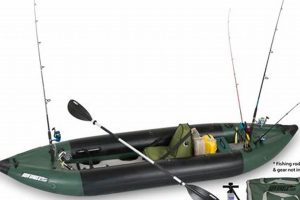
Wider, sit-on-top kayaks offer enhanced stability, making them ideal for novice anglers. Their self-bailing design minimizes the risk of flooding, while the open deck facilitates easy entry and exit. Inflatable kayaks also present a viable option due to their portability and affordability.
Question 2: Is a fishing license required for kayak angling?
Yes, a valid Environment Agency rod license is mandatory for angling in any freshwater location within the UK, including from a kayak. Specific licenses may be required for certain species or regions; thorough research is advised.
Question 3: What essential safety equipment is recommended?
Essential safety gear comprises a properly fitted personal flotation device (PFD), a reliable communication device (e.g., waterproof mobile phone, VHF radio), and a waterproof first-aid kit. Informing someone of planned launch and return times is also crucial.
Question 4: Where are suitable locations for beginners to start kayak fishing?
Calm, sheltered waters like canals, slow-moving rivers, or protected bays offer ideal learning environments for novices. Prioritize locations with easy access and designated launch points to simplify entry and exit.
Question 5: What basic fishing equipment is needed to begin?
A basic setup includes a medium-light spinning rod and reel combination, suitable line and hooks, and a selection of lures or bait appropriate for target species. A tackle box, pliers, and a knife are also useful additions.
Question 6: How can one learn essential paddling techniques?
Practicing in calm water before venturing into more challenging environments is crucial. Online resources, local kayaking clubs, or guided introductory sessions can provide valuable instruction on fundamental paddling strokes and maneuvering techniques.
Careful consideration of these frequently asked questions enhances preparedness and promotes safe, responsible kayak angling practices. Thorough planning and a focus on safety contribute significantly to a positive and enjoyable experience for beginners.
The following sections will delve into more specific aspects of kayak fishing within the UK, providing further guidance and insights for novice anglers.
Kayak Fishing for Beginners UK
This exploration has provided a foundational understanding of recreational angling from kayaks within the United Kingdom, specifically addressing the needs of novice participants. Key aspects covered include equipment selection, prioritizing safety measures, understanding relevant regulations, developing fundamental paddling skills, and identifying suitable fishing locations. Emphasis has been placed on the importance of stability in kayak choice, the necessity of appropriate safety gear, and the legal obligation to adhere to all applicable fishing regulations. The development of proficient paddling skills is presented as crucial for both fishing effectiveness and personal safety. Finally, careful consideration of location characteristics, including water conditions, accessibility, and species-specific habitats, is highlighted as essential for a positive and productive angling experience.
Careful preparation and a commitment to responsible angling practices are crucial for maximizing enjoyment and contributing to the sustainability of this increasingly popular activity. Informed decision-making regarding equipment, location, and adherence to regulations ensures a safe and rewarding experience, fostering a deeper appreciation for the unique challenges and rewards inherent in kayak fishing within the diverse waterways of the UK. Continued learning and skill development will further enhance proficiency and contribute to long-term enjoyment of this demanding yet fulfilling pursuit.