This activity involves angling from a small, human-powered watercraft in the coastal waters surrounding Cornwall, England. It offers a unique blend of outdoor recreation, connecting participants directly with the marine environment while pursuing various fish species. Imagine casting a line for bass amidst dramatic cliffs, or paddling quietly into a secluded cove in pursuit of mackerel.
The accessibility and relatively low cost of entry make this pursuit a popular choice for both residents and visitors. Cornwall’s extensive coastline, diverse marine life, and sheltered estuaries provide ideal conditions. Furthermore, this approach to angling offers a sustainable and environmentally friendly way to experience the region’s natural beauty, minimizing disturbance to marine ecosystems compared to larger motorized vessels. Historically, small boats have been used for fishing in Cornwall for centuries, and the modern adaptation with specialized kayaks continues this tradition while incorporating contemporary technology and techniques.
Further exploration will delve into the specific locations suitable for this activity, the types of fish commonly caught, recommended equipment, safety precautions, licensing requirements, and the potential impact of tourism on the local environment. Understanding these elements is crucial for a safe and rewarding experience.
Tips for Kayak Angling in Cornwall
Careful planning and preparation are essential for a safe and successful fishing trip from a kayak in Cornish waters. The following tips provide valuable guidance for anglers of all skill levels.
Tip 1: Check Weather and Tide Conditions: Before embarking, consult marine forecasts for wind speed, wave height, and tidal currents. Strong winds and offshore currents can create hazardous situations. Opt for calmer days and familiarize oneself with local tide charts.
Tip 2: Choose Appropriate Launch Sites: Select sheltered coves or beaches with gentle slopes for easy kayak entry and exit. Research potential launch points in advance and consider factors like parking availability and proximity to target fishing areas.
Tip 3: Wear a Personal Flotation Device (PFD): A PFD is essential safety equipment and should be worn at all times while on the water. Ensure the PFD fits correctly and is in good condition.
Tip 4: Carry Essential Safety Gear: Equip the kayak with a whistle, signaling mirror, flares, and a VHF radio for communication in emergencies. A first-aid kit, knife, and bilge pump are also recommended.
Tip 5: Use Appropriate Fishing Tackle: Select rods, reels, and lures suited to the target species and the environment. Shorter rods are often preferable for kayak fishing due to space constraints. Pack tackle securely to prevent loss or damage.
Tip 6: Practice Kayak Handling Skills: Gain experience maneuvering and controlling the kayak in various conditions before venturing into open water. Practice essential techniques such as paddling, turning, and recovering from a capsize.
Tip 7: Respect the Environment: Adhere to local fishing regulations and practice catch-and-release whenever possible. Dispose of fishing line and other waste responsibly to minimize environmental impact.
Tip 8: Inform Someone of Your Plans: Always tell someone where you are going and when you expect to return. This crucial step allows for a quicker response in case of an emergency.
By following these guidelines, anglers can enhance their safety, improve their chances of a successful catch, and contribute to the preservation of Cornwall’s coastal environment.
This careful consideration of safety and best practices allows for a more fulfilling and responsible experience. The following conclusion will summarize the key aspects of kayak angling in Cornwall and offer final recommendations for prospective participants.
1. Coastal Exploration
Coastal exploration forms an integral part of kayak fishing in Cornwall. The region’s intricate coastline, characterized by varied geological formations, hidden coves, and estuaries, presents a wealth of angling opportunities. Effective exploration involves identifying productive fishing grounds, understanding tidal influences on fish behavior, and locating sheltered areas suitable for launching and landing a kayak. For example, exploring the Fal estuary might reveal shallow flats ideal for targeting flounder, while investigating the rocky headlands near Land’s End could lead to encounters with bass or pollack. This active engagement with the coastal environment distinguishes kayak fishing from shore-based angling, enabling access to remote locations and diverse habitats.
Successful coastal exploration necessitates careful planning and preparation. Consulting nautical charts and utilizing navigation tools, such as GPS devices or smartphone apps, helps anglers identify potential hazards, navigate safely, and pinpoint promising fishing spots. Understanding local tidal patterns and currents is crucial for optimizing fishing strategies and ensuring safe passage. For instance, exploring the Helford River during an ebbing tide might concentrate fish near the river mouth, presenting a favorable opportunity for anglers. Moreover, observing bird activity and other natural indicators can provide valuable insights into fish location and behavior, enriching the exploratory aspect of kayak fishing.
Coastal exploration in the context of kayak fishing offers more than simply locating fish; it fosters a deeper appreciation for the marine environment and the interconnectedness of coastal ecosystems. Challenges such as changing weather conditions and navigating complex shorelines add an element of adventure and require careful decision-making. By embracing responsible exploration practices, anglers can minimize their impact on fragile coastal habitats while maximizing the rewards of discovering hidden gems along Cornwall’s stunning coastline.
2. Specialized Equipment
Specialized equipment plays a crucial role in successful and enjoyable kayak angling in Cornwall. Appropriate gear enhances both safety and fishing effectiveness, allowing anglers to adapt to the specific challenges and opportunities presented by the Cornish coastal environment. From the kayak itself to rods, reels, and safety gear, informed equipment choices significantly impact the overall experience.
- Kayaks Designed for Fishing
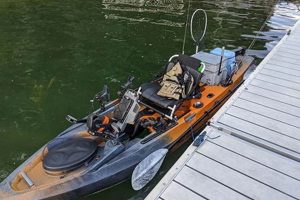
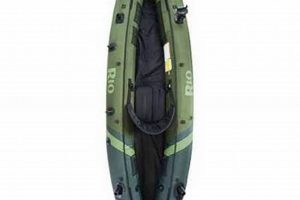
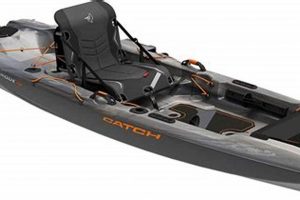
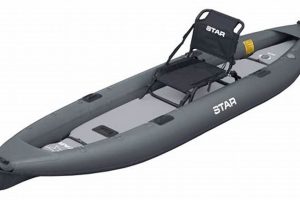
Specialized fishing kayaks offer features tailored to the needs of anglers. These include rod holders, integrated storage compartments for tackle and gear, and often a sit-on-top design for stability and ease of re-entry after a capsize. For example, a shorter, wider kayak provides greater stability in calmer waters, while a longer, narrower kayak offers better tracking and speed for covering greater distances in open water. The choice of kayak significantly influences maneuverability and access to specific fishing locations.
- Rods and Reels Suited for Kayak Angling
Shorter, more robust rods are generally preferred for kayak fishing due to limited space and the need for quick handling. Spinning reels or baitcasting reels paired with appropriate line weight and lures are essential for targeting the diverse species found in Cornish waters. For instance, a lighter rod and reel setup is suitable for mackerel or pollack, whereas a heavier setup is necessary for larger species like bass or cod. Selecting the correct rod and reel combination optimizes casting accuracy, retrieval efficiency, and the ability to handle different fish sizes and fighting styles.
- Safety Equipment for Coastal Conditions
Essential safety equipment includes a personal flotation device (PFD), a VHF radio for communication, flares, a signaling mirror, and a bilge pump. These items are crucial for mitigating risks associated with changing weather conditions, capsizes, and potential encounters with other vessels. A reliable PFD, for example, ensures buoyancy in case of an accidental immersion, while a VHF radio enables communication with emergency services or other boaters in distress. Prioritizing safety equipment contributes significantly to a secure and responsible angling experience.
- Specialized Tackle and Accessories
Kayak anglers often utilize specialized tackle and accessories to enhance their fishing effectiveness. These can include anchor trolleys for controlled drift fishing, fish finders for locating fish concentrations, and specialized lures designed for specific target species or water conditions. For example, an anchor trolley allows anglers to maintain a desired position relative to the current or structure, maximizing fishing opportunities. These specialized accessories contribute to a more refined and productive angling experience from a kayak.
The thoughtful selection and utilization of specialized equipment are integral to successful kayak fishing in Cornwall. Appropriate gear enhances safety, improves fishing efficiency, and allows anglers to fully engage with the unique challenges and rewards of angling in this dynamic coastal environment. The choice of equipment reflects not only the angler’s individual preferences but also an understanding of the specific conditions and target species encountered in Cornish waters.
3. Safety Precautions

Safety precautions are paramount in kayak fishing around Cornwall. The coastal environment presents inherent risks, including unpredictable weather, strong currents, and changing sea conditions. Neglecting these precautions can lead to serious incidents, impacting not only individual safety but also requiring coastal rescue services. A clear understanding of potential hazards and appropriate safety measures is crucial for a responsible and enjoyable experience. For instance, venturing out without checking the marine weather forecast can expose anglers to sudden squalls or strong offshore winds, creating challenging and potentially dangerous situations. Similarly, ignoring tidal patterns can lead to kayaks being swept out to sea or stranded on exposed sandbars during a falling tide.
Practical safety measures encompass several key areas. Wearing a properly fitted personal flotation device (PFD) is non-negotiable. Carrying essential safety equipment, including a VHF radio, flares, a signaling mirror, and a bilge pump, is crucial for effective communication and self-rescue in emergencies. Checking the weather forecast and understanding local tidal conditions before embarking is fundamental. Informing someone of planned launch and return times, along with intended fishing locations, enables a prompt response in case of overdue return. Carrying a fully charged mobile phone in a waterproof pouch allows for communication in areas with cellular coverage. These precautions mitigate risks and contribute significantly to angler safety.
Understanding the interplay between safety precautions and the specific environment of Cornwalls coastline is essential for mitigating potential risks. The exposed nature of certain stretches of coast, combined with the potential for rapidly changing weather conditions, emphasizes the need for vigilance and preparedness. Prioritizing safety fosters a culture of responsible angling, minimizing the burden on rescue services and ensuring a more enjoyable and sustainable experience for all participants. By integrating these precautions into every fishing trip, anglers demonstrate respect for the inherent power of the coastal environment and prioritize personal well-being.
4. Target Species

The diverse range of target species significantly shapes the practice of kayak fishing in Cornwall. The region’s waters host a variety of fish, each with specific habitat preferences and behavioral patterns. Understanding these nuances influences angler choices regarding location, tackle, and techniques. For instance, pursuing bass often involves targeting rocky reefs and headlands with lures that mimic sandeels or other prey fish. Conversely, seeking flatfish like flounder or plaice requires focusing on sandy or muddy bottomed areas with bait presentations fished close to the seabed. This knowledge of target species distribution and behavior is essential for successful kayak angling.
The connection between target species and kayak fishing in Cornwall extends beyond simply catching fish. It influences the overall experience, from the thrill of the chase to the culinary possibilities of the catch. Landing a powerful bass after a spirited fight amidst crashing waves offers a different experience compared to the more subtle challenge of tempting a wary flounder from its sandy lair. Furthermore, the choice of target species can influence the timing of fishing trips. Mackerel, for example, are often targeted during the summer months when they migrate closer to shore, while cod fishing typically improves during the colder winter months. This seasonal variation adds another layer of complexity and excitement to kayak fishing in Cornwall.
Effective targeting of specific species requires not only knowledge of their habits but also a commitment to responsible angling practices. Understanding size and catch limits, practicing catch-and-release when appropriate, and using tackle and techniques that minimize stress on fish contribute to sustainable fisheries management. This awareness of the ecological role of target species within the wider marine ecosystem is crucial for preserving Cornwall’s rich fishing heritage for future generations. The pursuit of target species within the context of kayak fishing offers a unique blend of challenge, reward, and environmental stewardship, enriching the overall experience and contributing to the long-term health of Cornish waters.
5. Sustainable Practice

Sustainable practice forms an integral component of responsible kayak fishing in Cornwall. The fragility of the coastal environment necessitates a mindful approach to angling, minimizing impact on marine ecosystems and preserving fish stocks for future generations. This involves adhering to established regulations, adopting best practices, and promoting a culture of environmental stewardship among anglers. For example, practicing catch-and-release, especially for non-target or undersized species, helps maintain healthy fish populations. Proper disposal of fishing line and other waste prevents entanglement of marine animals and minimizes pollution. Avoiding sensitive habitats, such as seagrass beds or breeding grounds, safeguards critical areas within the coastal ecosystem. These practices, while seemingly small, collectively contribute to the long-term health of Cornish waters.
The practical significance of sustainable practice extends beyond environmental protection. It contributes to the longevity of kayak fishing as a recreational activity. Overfishing or habitat destruction can deplete fish stocks, impacting both the enjoyment and the economic viability of fishing. Sustainable practices, such as using circle hooks to reduce fish injury during catch-and-release, enhance the survival rates of released fish, ensuring healthy populations for future angling opportunities. Moreover, respecting local regulations regarding fishing seasons and size limits demonstrates a commitment to responsible resource management. This alignment between environmental protection and recreational enjoyment fosters a sustainable balance that benefits both the ecosystem and the angling community.
Sustainable practice in kayak fishing represents a crucial intersection of environmental awareness and responsible recreation. Challenges such as increasing angler participation and the potential impact of climate change underscore the importance of continued education and advocacy. By embracing sustainable practices, anglers in Cornwall contribute not only to the preservation of a valuable natural resource but also to the long-term viability of their chosen activity. This interconnectedness reinforces the need for a collective commitment to stewardship, ensuring that the enjoyment of kayak fishing remains compatible with the health and resilience of the Cornish coastal environment.
Frequently Asked Questions
This section addresses common inquiries regarding kayak angling in Cornwall, providing concise and informative responses to facilitate a deeper understanding of this activity.
Question 1: What are the licensing requirements for kayak fishing in Cornwall?
Anglers targeting sea fish from a kayak in Cornwall generally do not require a license. However, it is essential to adhere to local regulations regarding minimum size limits and catch quotas for specific species. Regulations can be obtained from the Environment Agency or the Inshore Fisheries and Conservation Authorities (IFCA).
Question 2: What are the primary target species for kayak anglers in Cornwall?
Common target species include bass, pollack, mackerel, wrasse, and various flatfish species. Specific locations and seasonal variations influence species availability and preferred angling techniques.
Question 3: What safety precautions are essential for kayak fishing in Cornwall?
Essential precautions include wearing a personal flotation device (PFD), carrying a VHF radio, flares, and a signaling mirror, checking weather forecasts before embarking, and informing someone of planned launch and return times. Knowledge of local tidal currents is also crucial.
Question 4: Where can suitable kayaks and fishing equipment be rented or purchased in Cornwall?
Several outfitters and retailers throughout Cornwall offer kayak rentals and fishing equipment. Online resources and local directories can provide specific locations and contact details.
Question 5: What are the best times of year for kayak fishing in Cornwall?
While kayak fishing is possible year-round, the most favorable conditions generally occur during the calmer months from spring to autumn. Specific species availability also varies seasonally.
Question 6: Are guided kayak fishing tours available in Cornwall?
Guided tours offer an excellent introduction to kayak fishing in Cornwall. Experienced guides provide instruction on techniques, safety procedures, and local fishing regulations. Several operators offer guided tours throughout the region.
Addressing these common inquiries provides a foundation for informed participation in kayak fishing within the Cornish coastal environment. A clear understanding of regulations, safety procedures, and local resources contributes to a more rewarding and responsible angling experience.
The following section offers a concluding perspective on kayak angling in Cornwall, summarizing key aspects and offering final recommendations.
Kayak Fishing Cornwall
Kayak fishing in Cornwall offers a distinctive blend of angling and coastal exploration. The region’s diverse marine environment, coupled with the maneuverability and accessibility of kayaks, presents unique opportunities for anglers. Successful engagement requires careful consideration of several key aspects. Prioritizing safety through appropriate equipment and adherence to precautionary measures is paramount. Understanding target species’ behavior, habitat preferences, and relevant regulations ensures responsible and effective angling. Selecting specialized equipment enhances both safety and fishing success. Finally, embracing sustainable practices preserves the integrity of the coastal ecosystem for future generations.
The future of kayak fishing in Cornwall relies on a continued commitment to responsible angling practices and environmental stewardship. Increasing awareness of the delicate balance within coastal ecosystems is crucial for mitigating potential impacts and ensuring the long-term sustainability of this rewarding activity. Careful consideration of these factors allows individuals to experience the unique rewards of kayak fishing while contributing to the preservation of Cornwall’s exceptional coastal environment.