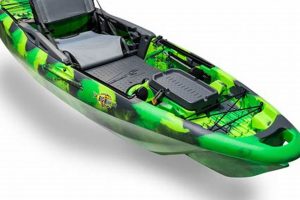
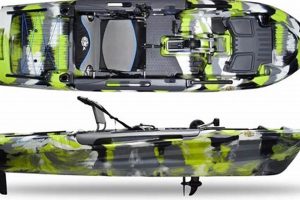
A group of individuals united by their shared passion for angling from kayaks forms an organization dedicated to this specific activity. This type of organization may offer opportunities for shared excursions, skill development workshops, and conservation initiatives. For example, such a group might organize a weekend trip to a remote lake known for its abundant fish population, or host a seminar on advanced kayak fishing techniques.
These organizations provide a valuable platform for camaraderie, learning, and advocacy. Members benefit from shared experiences, access to collective knowledge, and a stronger voice in matters related to waterway access and conservation. Historically, anglers have formed groups based on shared interests; the advent of specialized equipment like fishing kayaks has naturally led to more niche communities. This sense of community fosters a deeper appreciation for the sport and the natural environment.
The following sections will explore various aspects relevant to this topic, including equipment selection, safety guidelines, popular fishing locations, and responsible angling practices.
Tips for Kayak Anglers
Improving angling success and overall safety on the water requires careful planning and execution. The following tips offer valuable guidance for both novice and experienced anglers.
Tip 1: Stability is Paramount: Select a kayak designed for stability, especially in challenging conditions. Wider hulls generally offer greater stability than narrower designs. Consider factors such as water conditions and anticipated catches when selecting a kayak.
Tip 2: Safety First: Always wear a personal flotation device (PFD). Check weather forecasts before embarking and inform someone of the intended fishing location and return time. Carry a communication device for emergencies.
Tip 3: Essential Gear: Pack essential safety gear, including a whistle, signaling mirror, and first-aid kit. A waterproof bag or dry box can protect electronic devices and other valuable items.
Tip 4: Paddle Proficiency: Practice efficient paddling techniques to conserve energy and navigate effectively. Consider using a rudder or skeg for improved tracking in windy conditions.
Tip 5: Respectful Angling Practices: Observe all applicable fishing regulations, including catch limits and size restrictions. Practice catch-and-release whenever possible, handling fish carefully to minimize stress. Pack out all trash and fishing line.
Tip 6: Smart Anchor Deployment: Utilize an anchor trolley system for optimal anchor placement and control, allowing adjustments based on wind and current. This ensures the kayak remains positioned effectively for fishing.
Tip 7: Fish-Friendly Handling: Wet hands before handling fish to minimize damage to their protective slime coat. Use appropriate fishing tools, such as dehookers and pliers, for safe and efficient hook removal.
Adhering to these guidelines enhances angling experiences while promoting responsible enjoyment of the natural environment. Careful preparation and mindful practices contribute to a safer and more rewarding time on the water.
By implementing these strategies, anglers can maximize their chances of a successful and enjoyable outing.
1. Community

The concept of community forms a cornerstone of successful kayak fishing clubs. It provides a framework for social interaction, shared learning, and collective action. A thriving community enhances member satisfaction and promotes long-term engagement within the club.
- Shared Passion
A common interest in kayak fishing provides the initial foundation for community building. This shared passion creates a natural connection between members, fostering a sense of belonging and mutual understanding. Members find common ground in discussing techniques, equipment, and favorite fishing spots. This shared enthusiasm fuels participation in club activities and strengthens interpersonal bonds.
- Mentorship and Skill Development
Experienced anglers within the community often serve as mentors to newer members, sharing their knowledge and expertise. This mentorship fosters skill development and accelerates learning. For example, a seasoned angler might offer guidance on knot tying, paddling techniques, or fish identification. This exchange of knowledge strengthens the community and builds individual capabilities.
- Social Connections and Camaraderie
Regular club gatherings, both on and off the water, create opportunities for social interaction and camaraderie. These gatherings might include fishing trips, workshops, or social events. These interactions foster friendships and create a supportive network within the community. Sharing stories, celebrating successes, and offering encouragement build strong interpersonal bonds.
- Collective Advocacy
A united community possesses a stronger voice in advocating for issues related to waterway access, conservation, and responsible fishing practices. Collective action, such as participating in conservation initiatives or engaging with local authorities, can achieve positive outcomes for the environment and the sport. This shared responsibility strengthens the community and reinforces its role in protecting shared resources.
These interconnected facets of community contribute significantly to the overall success and longevity of a kayak fishing club. A strong community fosters a welcoming environment, promotes skill development, and empowers members to advocate for shared interests. This collective strength enhances the individual experience and contributes to the broader angling community.
Within a kayak fishing club, the collective experience and expertise of members form a valuable resource known as shared knowledge. This resource significantly enhances individual skill development, promotes safer angling practices, and fosters a deeper understanding of the sport and the environment. Access to this collective wisdom distinguishes club membership from solitary angling.
- Techniques and Tactics
Members share insights into effective fishing techniques tailored to specific species and environments. This exchange might include information on lure selection, retrieval methods, or optimal fishing locations. For example, experienced anglers can advise on techniques for targeting specific species like bass in heavily vegetated areas. This shared knowledge allows less experienced members to rapidly improve their skills and increase their chances of success.
- Equipment and Technology
Knowledge regarding kayak selection, modification, and outfitting is readily shared amongst members. Discussions often revolve around the advantages and disadvantages of different kayak types, propulsion systems, fish finders, and other relevant equipment. A member considering a new fish finder can benefit from the experiences of others who have already used various models. This shared knowledge helps members make informed decisions about their equipment investments, maximizing efficiency and performance on the water.
- Safety Practices and Navigation
Crucial safety information, including navigation tips, weather interpretation, and emergency procedures, is disseminated within the club. Members share experiences and best practices related to self-rescue techniques, proper paddling form, and responsible boating etiquette. Knowledge of local currents, tides, and potential hazards improves overall safety and reduces the risk of incidents. This shared emphasis on safety fosters a culture of responsible angling and contributes to a more secure environment for all members.
- Conservation and Environmental Awareness
Members educate each other about sustainable fishing practices, habitat preservation, and responsible resource management. This shared understanding of environmental issues fosters a sense of stewardship and encourages responsible behavior on the water. Discussions might focus on proper catch-and-release techniques, minimizing the impact of fishing activities on local ecosystems, or participating in conservation initiatives. This collective commitment to environmental responsibility strengthens the club’s role in protecting the natural resources essential to the sport.
The continuous exchange of shared knowledge strengthens the bonds within the kayak fishing club while fostering individual growth and promoting responsible angling practices. This collaborative learning environment elevates the overall experience, transforming the club into a valuable resource for anglers of all skill levels. The collective wisdom empowers members to become more proficient, safer, and environmentally conscious anglers.
3. Organized Trips

Organized trips serve as a cornerstone of kayak fishing clubs, offering a structured framework for members to explore new waterways, share experiences, and strengthen community bonds. These excursions provide opportunities beyond individual fishing outings, fostering camaraderie and skill development within a supportive environment. A well-planned trip maximizes fishing potential while minimizing logistical challenges, allowing participants to focus on the enjoyment of the sport. For example, a club might organize a multi-day trip to a coastal estuary known for its diverse fish population, offering members the chance to target new species and learn advanced techniques in a guided setting.
The benefits extend beyond the immediate fishing experience. Organized trips offer opportunities for members to learn from one another, sharing techniques and insights in a real-world setting. Experienced anglers can mentor less experienced participants, offering guidance on everything from kayak handling to fish identification. These shared experiences enhance individual skills and contribute to the collective knowledge base of the club. Furthermore, the shared challenges and triumphs of a fishing trip strengthen interpersonal bonds, fostering a deeper sense of community among members. For instance, navigating a challenging waterway together or celebrating a successful catch creates lasting memories and strengthens the connections within the group.
Successful execution requires careful planning and coordination. Considerations include selecting suitable locations, assessing participant skill levels, ensuring appropriate safety measures, and managing logistical details such as transportation and accommodation. Clear communication and established protocols are essential for ensuring a safe and enjoyable experience for all participants. By addressing these logistical aspects effectively, clubs can maximize the value of organized trips, creating opportunities for members to enhance their angling skills, explore new fishing grounds, and strengthen the bonds of community within the club. This careful orchestration of shared experiences contributes significantly to the overall success and vibrancy of the kayak fishing club.
4. Conservation Efforts

Environmental stewardship represents a crucial aspect of responsible kayak fishing. Clubs dedicated to this pursuit often play a vital role in conservation efforts, recognizing the importance of protecting the waterways and ecosystems they enjoy. Active participation in conservation initiatives strengthens the connection between anglers and the environment, ensuring the sustainability of the sport for future generations. These efforts demonstrate a commitment to preserving the natural resources that underpin the recreational activity.
- Habitat Restoration
Participating in habitat restoration projects, such as planting native vegetation or removing invasive species, directly benefits fish populations and overall ecosystem health. For example, a club might organize a volunteer day to remove debris and plant shoreline vegetation along a frequently used waterway. These efforts improve water quality, provide shelter for fish, and enhance the aesthetic value of the area. Such initiatives demonstrate a tangible commitment to environmental preservation and contribute to the long-term health of the ecosystem.
- Water Quality Monitoring
Clubs can contribute to scientific understanding and resource management by participating in water quality monitoring programs. Collecting data on water temperature, pH levels, and dissolved oxygen provides valuable information for assessing ecosystem health and identifying potential pollution sources. This data can be shared with local authorities or environmental organizations to inform management decisions and guide conservation strategies. This active involvement in scientific monitoring empowers clubs to contribute directly to the protection of their local waterways.
- Advocacy and Education
Educating members and the wider community about responsible fishing practices, conservation issues, and the importance of environmental stewardship is vital. Clubs can organize educational workshops, participate in community outreach events, or advocate for policies that protect waterways and fish populations. For example, a club might host a workshop on proper catch-and-release techniques or participate in a local cleanup event. These actions raise awareness about environmental issues and promote responsible behavior among anglers and the public.
- Access and Stewardship
Working collaboratively with local authorities and other stakeholders to ensure responsible access to waterways and promote sustainable fishing practices is essential. Clubs can participate in discussions about access regulations, advocate for improved infrastructure, and promote responsible use of public resources. This collaborative approach fosters a sense of shared responsibility for managing and protecting natural resources, ensuring their long-term availability for recreational use.
By actively engaging in these conservation efforts, kayak fishing clubs demonstrate their commitment to environmental stewardship, ensuring the health and sustainability of the waterways they cherish. These initiatives not only benefit the environment but also enhance the overall angling experience, fostering a deeper appreciation for the natural world and strengthening the connection between anglers and the ecosystems they rely upon. The collective action of club members amplifies their impact, contributing significantly to the long-term preservation of these valuable resources.
5. Skill Development
Within the context of a kayak fishing club, skill development represents a continuous process of improvement, encompassing various techniques and knowledge essential for successful and safe angling. This ongoing learning process distinguishes club membership from solitary practice, offering structured opportunities for advancement through shared experience and expert guidance. A supportive learning environment fosters individual growth and elevates the overall proficiency of the club’s members. This emphasis on continuous improvement contributes not only to individual success but also to the collective expertise and shared knowledge within the club.
- Paddle Technique and Boat Control
Efficient paddling conserves energy and allows for precise maneuvering, crucial for navigating challenging waterways and maintaining optimal fishing positions. Learning proper paddle strokes, bracing techniques, and rudder or skeg utilization improves boat control, especially in windy or current-prone areas. Mastering these skills allows anglers to focus on fishing rather than constantly battling the elements, ultimately increasing their chances of success. Within a club setting, experienced paddlers can offer guidance and demonstrations, accelerating the learning process for newer members.
- Casting and Retrieval Methods
Accurate casting and effective retrieval techniques are fundamental to presenting lures effectively and enticing fish to strike. Practicing various casting styles, understanding lure action, and adjusting retrieval speed based on target species and conditions significantly impacts angling success. For example, learning to cast accurately under overhanging branches or mastering a specific retrieve for topwater lures can dramatically improve catch rates. Club environments offer opportunities to practice these skills in a controlled setting, with experienced members providing feedback and guidance.
- Knot Tying and Rigging
Proficiency in knot tying and rigging ensures secure connections between line, hooks, lures, and other terminal tackle. Mastering essential knots, such as the improved clinch knot or the Palomar knot, prevents lost fish due to tackle failure. Understanding various rigging techniques, such as drop-shotting or Texas rigging, expands angling versatility and allows for targeted presentations in different environments. Club workshops can provide hands-on instruction in these essential skills, ensuring members develop a strong foundation for successful angling.
- Fish Handling and Release Techniques
Proper fish handling and release practices minimize stress on captured fish, promoting conservation and ensuring healthy fish populations. Learning how to handle fish gently, remove hooks efficiently, and revive exhausted fish contributes to sustainable angling. Using appropriate tools, such as dehookers and pliers, and understanding species-specific handling guidelines minimizes injury and maximizes post-release survival rates. Experienced club members can demonstrate these techniques, promoting responsible angling practices within the group.
These interconnected skills form the foundation for successful kayak fishing. A kayak fishing club provides a structured learning environment, offering opportunities for members to acquire, refine, and share these essential skills. This collaborative approach to skill development strengthens the individual angler, enhances the collective expertise within the club, and promotes responsible angling practices for the benefit of the sport and the environment. The ongoing exchange of knowledge and experience elevates the overall proficiency of the club’s members, creating a community of skilled and conscientious anglers.
Frequently Asked Questions
Addressing common inquiries regarding organized angling groups provides clarity for prospective members and the broader community. The following responses aim to offer informative and concise answers.
Question 1: What are the typical membership requirements?
Requirements vary depending on the specific organization. Common requirements may include an interest in the sport, ownership of a kayak, and adherence to safety guidelines. Some groups may require a nominal membership fee to cover operational costs.
Question 2: How does one locate these organizations?
Online search engines, social media platforms, and local tackle shops serve as valuable resources for locating relevant organizations. Inquiring at local paddling or fishing retailers may also yield helpful information.
Question 3: Are there skill level prerequisites for joining?
Most organizations welcome anglers of all skill levels, from beginners to seasoned professionals. Opportunities often exist for skill development and mentorship within the group setting.
Question 4: What are the primary benefits of membership?
Benefits typically include access to organized fishing trips, skill development workshops, a supportive community of like-minded individuals, and opportunities for collective advocacy regarding access and conservation.
Question 5: What types of activities do these organizations typically organize?
Activities often include group fishing excursions, educational seminars, safety training sessions, conservation projects, and social gatherings.
Question 6: How can one contribute to such an organization?
Contributing to the community can take various forms, including active participation in events, sharing knowledge and expertise, volunteering for organizational tasks, and supporting conservation initiatives.
Understanding these common inquiries provides a foundational understanding of these specialized angling groups. Prospective members are encouraged to research specific organizations to determine alignment with personal interests and goals.
For further information, one may consult online resources or contact established organizations directly.
Conclusion
This exploration has highlighted the multifaceted nature of kayak fishing clubs, emphasizing their role as hubs for community building, skill development, and environmental stewardship. Key aspects examined include the benefits of shared knowledge, the importance of organized trips, the significance of conservation efforts, and the opportunities for continuous skill development within a supportive group setting. These elements collectively contribute to a rich and rewarding angling experience, fostering camaraderie and promoting responsible enjoyment of the natural environment.
The future of the sport relies on the continued growth and engagement of such communities. Active participation in these organizations not only enhances individual angling experiences but also contributes to the broader conservation efforts crucial for preserving aquatic ecosystems. Individuals passionate about kayak fishing are encouraged to seek out and engage with local clubs, contributing to the collective effort to protect and enjoy the sport for generations to come.