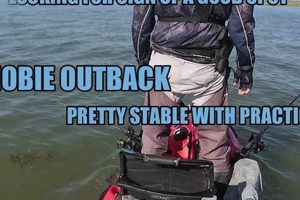
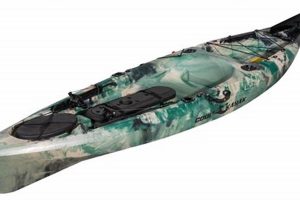
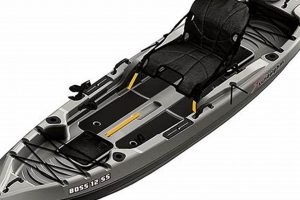
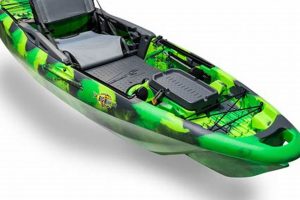
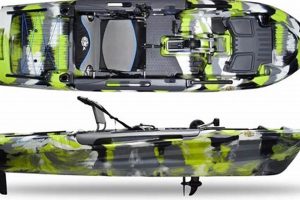
The practice involves angling from a small, portable watercraft constructed of flexible, air-filled chambers. This method allows access to diverse aquatic environments, from calm lakes and slow-moving rivers to sheltered coastal waters. Imagine casting a line for bass in a secluded cove or drifting along a riverbank pursuing trout this type of watercraft opens up such opportunities.
Lightweight and easily transported, these vessels provide an affordable and convenient means of accessing fishing spots often unreachable by larger boats or from shore. Their portability makes them ideal for those with limited storage space or who enjoy exploring remote locations. Historically, smaller, more portable boats have played a role in fishing cultures worldwide, and modern inflatable designs build on that heritage, incorporating advanced materials and construction techniques for enhanced performance and durability. The relatively low cost of entry compared to traditional boats makes this pursuit an appealing option for anglers of all experience levels.
This article will delve into various aspects of angling from these versatile craft, covering topics such as choosing the right vessel, essential equipment, safety considerations, popular fishing techniques, and responsible angling practices. Further exploration will also touch upon the growing community surrounding this activity and its positive impact on accessibility to the sport.
Tips for Kayak Angling
Effective angling from inflatable kayaks requires careful planning and execution. The following tips offer guidance for a safe and productive experience.
Tip 1: Stability is Paramount: Select a wider, flatter-bottomed design for enhanced stability, especially when casting or reeling in. Consider outriggers for added reassurance.
Tip 2: Essential Gear Selection: Pack light and choose specialized equipment designed for kayak fishing, such as shorter rods and compact tackle boxes. A floating net and appropriate personal flotation device are indispensable.
Tip 3: Paddle and Anchor Effectively: Learn efficient paddling techniques and anchoring strategies to maintain position and control in various water conditions. A drift sock can be invaluable in moving water.
Tip 4: Fish Finder Integration: Mounting a fish finder provides valuable underwater insights, aiding in locating fish and understanding bottom structure. Choose a portable model designed for kayak use.
Tip 5: Safety First Approach: Always check weather conditions before embarking and inform someone of your fishing plans. Carry a whistle, signaling device, and basic first-aid kit. Dress appropriately for the water temperature.
Tip 6: Respectful Angling Practices: Adhere to catch-and-release guidelines when appropriate and minimize environmental impact. Properly dispose of fishing line and other waste materials.
Tip 7: Mastering Kayak Control: Practice maneuvering the kayak in calm waters before venturing into more challenging environments. Learn how to recover from a capsize.
By following these tips, anglers can maximize their success and enjoyment while ensuring a safe and responsible experience on the water. Preparation and awareness are key elements for a rewarding outing.
This collection of tips aims to enhance angling experiences from inflatable kayaks. The subsequent sections will further elaborate on specific techniques and equipment choices for various fishing scenarios.
1. Kayak Selection

Appropriate kayak selection is paramount for successful inflatable kayak angling. The vessel’s characteristics significantly influence stability, maneuverability, and overall fishing experience. Choosing the right kayak ensures angler comfort, safety, and effectiveness on the water.
- Hull Design:
Hull design dictates stability and tracking. Flat-bottomed hulls offer excellent stability, ideal for calm waters and stand-up fishing, but sacrifice tracking ability. V-shaped hulls track well in moving water but are less stable. Pontoon-style hulls provide a balance of stability and tracking, suitable for diverse conditions. Consider a flat-bottomed hull for pond fishing and a V-shaped hull for river fishing.
- Length and Width:
Length affects tracking and speed, while width influences stability. Longer kayaks track straighter and glide more efficiently, but shorter kayaks are more maneuverable. Wider kayaks offer increased stability, particularly beneficial for casting and reeling. A shorter, wider kayak suits small ponds, while a longer, narrower one is preferable for open water.
- Weight Capacity:
Weight capacity determines the maximum load a kayak can safely carry, encompassing angler weight, gear, and potential catch. Exceeding the weight capacity compromises stability and performance. Match the kayak’s weight capacity to the anticipated total load, including equipment and potential catch weight.
- Material and Construction:
Inflatable kayaks utilize durable materials like PVC or Hypalon. Construction quality influences durability and resistance to punctures and abrasion. Reinforced seams and multiple air chambers enhance safety and longevity. Consider kayaks with thicker materials and reinforced seams for challenging environments.
These factors, collectively considered, determine a kayak’s suitability for specific fishing environments and techniques. A well-chosen kayak contributes significantly to a positive and productive inflatable kayak angling experience, enhancing both safety and enjoyment on the water.
2. Essential Gear

Specialized gear enhances both safety and effectiveness when fishing from an inflatable kayak. Careful consideration of equipment contributes significantly to a productive and enjoyable angling experience. The following facets highlight essential gear tailored for this specific fishing style.
- Paddles and PFDs:
A kayak-specific paddle, sized appropriately for the angler, ensures efficient propulsion and maneuverability. A properly fitted personal flotation device (PFD) is paramount for safety and should always be worn. Lightweight, inflatable PFDs designed for paddling offer comfort and freedom of movement. For instance, a shorter paddle is preferable for confined spaces while a longer paddle is better suited for open water. A PFD with high visibility features enhances safety in low-light conditions.
- Rods and Reels:
Shorter rods, typically between 6 and 7 feet, are ideal for kayak fishing, facilitating casting and retrieval within the confined space of the kayak. Spinning or baitcasting reels spooled with appropriate line weight match the target species and fishing conditions. A shorter, lighter rod improves handling within the kayak, and a reel with a smooth drag system aids in landing larger fish. For example, a 7-foot medium-power spinning rod paired with a 2500-size reel suits bass fishing in most freshwater environments.
- Tackle and Storage:
Tackle selection varies according to target species and fishing location. Compact tackle boxes or bags optimize storage space within the kayak. Essential items include hooks, lures, weights, line, and tools like pliers and scissors. A waterproof tackle box protects gear from splashes and accidental submersion. For example, a selection of soft plastic lures and jig heads proves versatile for targeting various species in different water conditions.
- Anchors and Drift Socks:
Anchors or drift socks help maintain position in currents or wind. Folding anchors are compact and easily stored. Drift socks, deployed from the kayak, create drag, slowing the vessel’s drift and allowing for controlled fishing in moving water. A small folding anchor suffices for calm lakes, while a drift sock proves essential for river fishing. Using these tools strategically enhances fishing effectiveness by maintaining position in desired locations.
Proper selection and utilization of this essential gear significantly contribute to a safe and successful inflatable kayak angling experience. The interplay of these elements enhances angler comfort, efficiency, and overall enjoyment on the water. Combining the right kayak with appropriate gear allows anglers to fully appreciate the versatility and accessibility this fishing style offers.
3. Fishing Techniques
Adapting fishing techniques to the unique platform of an inflatable kayak is crucial for maximizing angling success. These vessels offer inherent advantages and limitations that influence approach and execution. Understanding these nuances allows anglers to leverage the kayak’s strengths while mitigating potential challenges. The following facets explore key fishing techniques specifically tailored for inflatable kayaks.
- Casting Techniques:
Casting from a seated position in an inflatable kayak requires adjustments to traditional techniques. Sidearm or underhand casts minimize the risk of snagging overhead obstacles or losing balance. Practicing these casts in a controlled environment prior to fishing enhances accuracy and efficiency on the water. For instance, a sidearm cast proves effective when fishing close to overhanging branches or when limited space restricts backcasts. Mastering these adapted casting techniques is essential for presenting lures effectively from the kayak’s lower profile.
- Drift Fishing:
Inflatable kayaks excel in drift fishing applications, allowing anglers to cover water efficiently and present baits or lures naturally along currents or seams. Utilizing a drift sock or anchor controls the kayak’s drift speed and position, maximizing fishing effectiveness. In a river setting, a drift sock allows an angler to maintain a controlled drift through prime fishing areas. This technique proves highly effective for species like trout or smallmouth bass that often hold in current breaks or along defined seams.
- Still-Water Techniques:
In calm lakes or ponds, inflatable kayaks provide a stealthy platform for approaching fish without disturbing the water. Positioning the kayak near structure like weed beds or drop-offs increases the likelihood of encountering fish. Techniques like drop-shotting or sight-fishing prove particularly effective in these environments. For example, quietly paddling into a shallow cove and then using a drop-shot rig around submerged vegetation can yield excellent results for species like panfish or bass. The kayak’s low profile minimizes disturbance and allows for precise lure presentations.
- Trolling:
While not as common as other techniques, trolling from an inflatable kayak can be effective for covering larger areas and locating active fish. Slow trolling with lures or bait allows anglers to explore different depths and water columns. Maintaining a consistent speed and monitoring rod tips for strikes are key to successful trolling. Trolling a crankbait or spinnerbait along a shoreline can be an effective way to locate active fish in a reservoir or larger lake. The kayak’s portability allows anglers to access remote areas and troll in locations inaccessible to larger boats.
Mastering these adapted fishing techniques significantly enhances angling success from inflatable kayaks. By recognizing the kayak’s unique properties and adjusting approaches accordingly, anglers can fully capitalize on the platform’s versatility and access to diverse fishing environments. The combination of appropriate techniques and a well-chosen kayak unlocks a world of angling opportunities, from tranquil ponds to flowing rivers.
4. Safety Procedures

Prioritizing safety procedures is paramount when fishing from an inflatable kayak. The inherent risks associated with on-water activities necessitate careful planning and preparation. Understanding and implementing these procedures significantly mitigates potential hazards, ensuring a secure and enjoyable angling experience.
- Personal Flotation Devices (PFDs):
A properly fitted PFD is non-negotiable. It provides essential buoyancy in the event of capsizing or accidental immersion. Inflatable PFDs designed for paddling offer comfort and freedom of movement while providing crucial flotation when activated. Statistics demonstrate a significant reduction in fatalities among individuals wearing PFDs during boating accidents. A PFD is the single most important piece of safety equipment for any kayak angler.
- Communication and Float Plans:
Informing someone of planned fishing locations, estimated return times, and emergency contacts is a critical safety precaution. This information allows for prompt assistance if unforeseen circumstances arise. Carrying a waterproof communication device, such as a VHF radio or mobile phone in a waterproof case, enables contact in emergencies. Consider, for example, an angler encountering unexpected weather conditions or experiencing equipment malfunction; a pre-filed float plan enables efficient response from rescue services.
- Weather Awareness and Monitoring:
Checking weather forecasts before embarking and continuously monitoring conditions throughout the fishing trip is crucial. Sudden changes in weather, such as strong winds or thunderstorms, can create hazardous conditions for inflatable kayaks. Postponing trips in unfavorable weather demonstrates prudent decision-making and prioritizes safety. For instance, unexpectedly strong winds can quickly create challenging paddling conditions and increase the risk of capsizing, especially in open water.
- Navigation and Awareness of Surroundings:
Carrying navigational tools, such as charts, GPS devices, or compass, aids in maintaining orientation and avoiding hazards. Awareness of potential obstacles, including other boats, submerged debris, or changing water depths, is essential. Understanding local regulations and navigation rules further contributes to a safe environment. For example, navigating a river system requires awareness of currents, rapids, and potential strainers (partially submerged objects that allow water to pass through but trap solid objects). Careful route planning and observation mitigate these risks.
These safety procedures, when practiced diligently, create a safer and more enjoyable inflatable kayak angling experience. They represent a proactive approach to risk management, minimizing potential hazards and promoting responsible on-water conduct. Integrating these practices ensures that anglers can focus on the enjoyment of the sport while prioritizing their well-being.
5. Location Scouting

Effective location scouting is integral to successful fishing from an inflatable kayak. Identifying productive fishing areas accessible by these versatile vessels significantly enhances angling opportunities. Understanding the interplay between location characteristics and kayak capabilities allows anglers to maximize their chances of success. The following facets explore key components of location scouting specifically tailored for inflatable kayak angling.
- Accessibility and Launch Points:
Inflatable kayaks, due to their portability, grant access to locations often unreachable by larger boats. However, identifying suitable launch points remains crucial. Factors such as shoreline accessibility, parking availability, and water conditions influence launch site selection. A secluded cove accessible by a short trail, for example, offers an ideal launch point for exploring a larger lake’s quieter areas. Conversely, a steep, rocky shoreline presents challenges for launching and landing an inflatable kayak.
- Habitat and Species Targeting:
Understanding the target species’ habitat preferences guides location selection. Different fish species thrive in specific environments, such as rocky bottoms, weed beds, or deeper channels. Researching the target species’ preferred habitat within a chosen body of water allows for strategic location selection. For instance, targeting smallmouth bass might lead an angler to focus on rocky areas with current breaks in a river system, whereas seeking panfish might involve exploring shallow, weedy bays in a lake.
- Water Conditions and Flow Dynamics:
Water conditions, including current speed, depth, and clarity, influence fishing effectiveness and kayak maneuverability. Inflatable kayaks, while generally stable, are susceptible to wind and current. Assessing these factors before launching ensures safe and productive fishing. A slow-moving river with clear water provides favorable conditions for sight-fishing, whereas a fast-flowing, turbid river necessitates different techniques and location choices. Understanding these dynamics is crucial for both safety and fishing success.
- Mapping and Resources:
Utilizing resources like nautical charts, bathymetric maps, and local fishing reports informs location decisions. These tools provide valuable insights into underwater structures, depths, and potential fishing hotspots. Combining this information with personal observation and experience further refines location selection. A bathymetric map, for example, reveals underwater drop-offs and humps, potential ambush points for predatory fish. Coupling this information with local fishing reports indicating recent catches in specific areas further enhances location scouting effectiveness.
Strategic location scouting, informed by these considerations, significantly increases the likelihood of successful inflatable kayak angling. By aligning location characteristics with target species and kayak capabilities, anglers optimize their fishing experience, combining access to unique locations with informed decision-making. This proactive approach enhances not only catch rates but also the overall enjoyment of exploring diverse aquatic environments from the perspective of an inflatable kayak.
Frequently Asked Questions
This section addresses common inquiries regarding fishing from inflatable kayaks, providing concise and informative responses to clarify potential uncertainties and enhance understanding of this specialized angling approach.
Question 1: Are inflatable kayaks stable enough for fishing?
Stability varies depending on kayak design. Wider, flatter-bottomed kayaks offer greater stability than narrower, V-shaped hulls. Choosing a kayak specifically designed for fishing, potentially with outriggers, maximizes stability. Anglers should consider their individual balance and comfort levels when selecting a kayak.
Question 2: What are the advantages of fishing from an inflatable kayak?
Key advantages include portability, affordability, and accessibility to shallow or remote waters often unreachable by larger boats. Their lightweight nature simplifies transport and storage, making them ideal for anglers with limited space or those seeking to explore diverse fishing locations.
Question 3: How durable are inflatable kayaks for fishing?
Modern inflatable kayaks constructed from durable materials like PVC or Hypalon exhibit considerable resilience. Reinforced seams and multiple air chambers enhance puncture resistance. Proper care and maintenance, including thorough drying and avoiding contact with sharp objects, contribute to extended lifespan.
Question 4: What essential safety precautions should one take when fishing from an inflatable kayak?
Wearing a personal flotation device (PFD) is paramount. Informing someone of fishing plans and estimated return times is crucial. Checking weather forecasts before embarking and continuously monitoring conditions ensures preparedness for changing weather patterns. Carrying a communication device and essential safety gear enhances preparedness for unforeseen circumstances.
Question 5: Can one stand up and fish from an inflatable kayak?
Standing depends on kayak design and individual balance. Specifically designed inflatable kayaks with wide, stable platforms accommodate stand-up fishing. Anglers should prioritize stability and exercise caution, particularly in windy or choppy conditions.
Question 6: What type of fishing rod is best suited for an inflatable kayak?
Shorter rods, typically between 6 and 7 feet, are generally preferred for kayak fishing. Their shorter length facilitates casting and maneuvering within the confined space of the kayak. Rod choice also depends on target species and fishing techniques employed.
Careful consideration of these frequently asked questions fosters a comprehensive understanding of inflatable kayak angling, promoting informed decisions regarding equipment selection, safety practices, and effective fishing techniques.
This FAQ section has addressed key considerations related to inflatable kayak fishing. The following section will delve further into specific equipment recommendations and advanced techniques tailored for experienced kayak anglers.
Conclusion
Angling from inflatable kayaks offers a unique blend of accessibility, affordability, and versatility. This approach opens avenues for exploring diverse aquatic environments, from secluded coves to expansive lakes and rivers. Successful implementation hinges on careful equipment selection, informed location scouting, and adherence to essential safety protocols. Adapting fishing techniques to the kayak’s platform maximizes angling effectiveness. Considerations encompassing kayak design, essential gear, and appropriate fishing methodologies contribute significantly to a rewarding experience.
The evolving landscape of angling increasingly recognizes the merits of inflatable kayaks. Their portability and adaptability empower anglers to explore previously inaccessible waters, fostering deeper connections with the natural world. Continued exploration of advanced techniques and specialized equipment promises to further elevate the inflatable kayak fishing experience. This approach represents not merely a trend but a significant evolution in angling accessibility and a testament to the enduring human pursuit of connecting with aquatic environments.