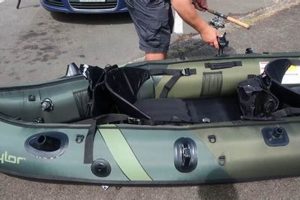
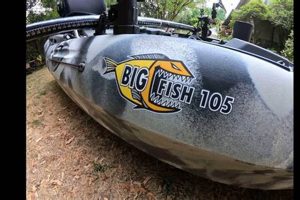
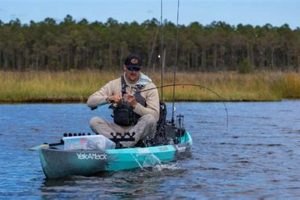
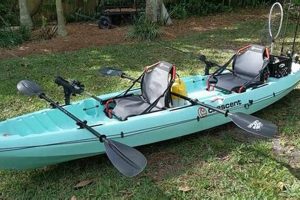
A compact, portable vessel designed for individual anglers, this type of watercraft offers a blend of convenience and functionality. Typically constructed from durable, puncture-resistant materials, these boats are easily transported and stored, inflating quickly for use on lakes, rivers, and other calm waters. They often feature specialized design elements like rod holders, storage compartments, and adjustable seating to enhance the fishing experience.
The portability and affordability of these small fishing craft have broadened access to the sport. Their lightweight nature makes them easy to transport to remote fishing locations, while their compact storage requirements eliminate the need for trailers or large storage spaces. This democratizing aspect, combined with advancements in materials and design, has contributed to a surge in popularity for this style of personal watercraft. Historically, fishing from small, human-powered vessels has been a common practice across cultures. These modern iterations build upon that tradition, incorporating modern technology for enhanced performance and convenience.
This discussion will further explore the advantages and disadvantages of this style of fishing boat, covering topics such as material selection, construction techniques, essential features, safety considerations, and popular models available on the market. It will also delve into proper maintenance and care to ensure longevity and optimal performance.
Tips for Utilizing Compact Inflatable Fishing Kayaks
Proper preparation and mindful usage enhance the fishing experience and ensure safety when using compact, inflatable fishing kayaks.
Tip 1: Pre-Trip Inspection: Thoroughly inspect the vessel for any signs of wear, abrasion, or leaks before each outing. Pay close attention to seams and valves. A small leak can significantly impact performance and safety.
Tip 2: Inflation Technique: Ensure the vessel is inflated to the manufacturer’s recommended pressure. Over-inflation can stress seams, while under-inflation compromises stability and tracking.
Tip 3: Weight Distribution: Distribute weight evenly within the kayak to maintain balance and prevent tipping. Consider the placement of fishing gear and other equipment.
Tip 4: Water Conditions: These vessels are best suited for calm waters. Avoid strong currents, rough waves, and areas with submerged obstacles. Always check weather forecasts before embarking.
Tip 5: Safety Gear: Always wear a personal flotation device (PFD). Carry a whistle, signaling device, and a waterproof bag for essential items like a phone or first aid kit. Inform someone of your fishing plans and estimated return time.
Tip 6: Paddle Selection: Choose a paddle appropriate for the kayak’s width and the user’s height. A properly sized paddle improves efficiency and reduces fatigue.
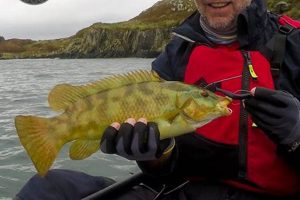
Tip 7: Fishing Practices: Securely stow fishing gear when not in use to prevent entanglement or loss overboard. Practice catch-and-release techniques whenever possible to conserve fish populations.
Adhering to these guidelines promotes safety and enhances the overall fishing experience. Careful preparation and mindful practices allow anglers to fully enjoy the convenience and performance of these versatile watercraft.
By understanding and implementing these tips, individuals can maximize the benefits of their compact inflatable fishing kayak, leading to a more enjoyable and productive time on the water. The following section will conclude this discussion with a summary of key points and final recommendations.
1. Portability

Portability represents a defining characteristic of single-person inflatable fishing kayaks, directly influencing their appeal and practicality. Unlike rigid kayaks, these inflatable counterparts can be deflated and packed into a compact form, facilitating transport in vehicles with limited cargo space and eliminating the need for specialized roof racks or trailers. This ease of transport expands access to remote fishing locations, previously inaccessible with traditional, bulkier watercraft. For instance, an angler can easily hike into a mountain lake or carry the deflated kayak on public transport, significantly broadening fishing opportunities.
The portability factor extends beyond simple transportation. Storage within apartments, garages, or even closets becomes feasible due to the compact nature of these kayaks when deflated. This eliminates the storage constraints often associated with rigid kayaks, making them a practical option for individuals with limited storage space. Furthermore, the reduced weight compared to rigid kayaks contributes to overall portability, simplifying handling and launching, particularly for individuals with physical limitations. This lightweight design allows for easier navigation across varying terrain, from sandy beaches to rocky shorelines.
In essence, portability enhances the versatility and accessibility of single-person inflatable fishing kayaks. This key feature allows anglers greater freedom in choosing fishing destinations, simplifying transport and storage logistics. While considerations such as inflation time and material durability remain relevant, the inherent portability of these vessels significantly contributes to their growing popularity among diverse angling communities. Understanding the practical implications of portability empowers individuals to make informed decisions when selecting fishing equipment and planning excursions.
2. Stability

Stability represents a critical performance attribute in single-person inflatable fishing kayaks, directly impacting angler safety, comfort, and fishing effectiveness. A stable platform enables anglers to confidently cast, reel, and land fish without compromising balance. This characteristic becomes particularly crucial when navigating currents, dealing with wind, or engaging with larger fish. Understanding the factors influencing stability allows for informed decision-making during kayak selection and promotes safe angling practices.
- Hull Design
Hull design significantly influences stability. Wider hulls generally offer greater primary stability, resisting initial tipping. However, they may sacrifice maneuverability. A flatter hull bottom enhances initial stability, while a more rounded or V-shaped hull improves secondary stabilitythe ability to recover from a near capsize. Inflatable kayak designs often incorporate features like drop-stitch floors or inflatable chambers that mimic the performance of rigid hulls, providing a balance between stability and maneuverability. Anglers should consider their intended fishing environment and style when evaluating hull design.
- Center of Gravity
Maintaining a low center of gravity is essential for maximizing stability. Seating position and weight distribution within the kayak directly influence the center of gravity. Sitting lower in the kayak and distributing weight evenly enhances stability. Adding weight to the bottom of the kayak, such as tackle or anchor systems, can further lower the center of gravity and improve stability. Conversely, placing heavy objects high in the kayak or uneven weight distribution can negatively impact stability and increase the risk of capsizing. Careful consideration of weight placement and body positioning contributes to a more stable and secure fishing platform.
- Water Conditions
Water conditions play a significant role in perceived stability. Calm, flat water presents fewer challenges, while wind, waves, and currents can significantly compromise stability. Anglers should exercise caution and choose appropriate water conditions for their skill level and kayak type. Understanding how wind and currents affect kayak handling is essential for maintaining balance and avoiding capsizing. Choosing sheltered areas or postponing trips during adverse weather conditions prioritizes safety.
- Angler Behavior
Angler behavior significantly impacts stability. Sudden movements, leaning over the side, or standing up in the kayak can shift the center of gravity and compromise stability. Practicing smooth, controlled movements is essential for maintaining balance, especially when casting, retrieving fish, or adjusting gear. Understanding personal limitations and avoiding risky maneuvers contributes to a safer and more enjoyable fishing experience.
Consideration of these interconnected factorshull design, center of gravity, water conditions, and angler behaviorprovides a comprehensive understanding of stability in single-person inflatable fishing kayaks. Prioritizing stability enhances angler safety, improves fishing effectiveness, and contributes to a more enjoyable experience on the water. By carefully evaluating these aspects, anglers can make informed decisions about kayak selection and usage, maximizing both performance and safety.
3. Durability

Durability represents a critical factor influencing the lifespan and overall performance of single-person inflatable fishing kayaks. These vessels must withstand abrasion, impacts, and exposure to various environmental elements, including sunlight, water, and temperature fluctuations. A durable kayak ensures longevity, maintains performance over time, and contributes to user safety. Understanding the key components contributing to durability allows for informed purchasing decisions and proper maintenance practices.
- Material Selection
Material selection significantly impacts a kayak’s resistance to punctures, tears, and UV degradation. Common materials include PVC (polyvinyl chloride), Hypalon, and Nitrylon. PVC offers a balance of affordability and durability, while Hypalon and Nitrylon provide superior resistance to abrasion and UV damage, often at a higher price point. The denier rating, a measure of fabric thickness, indicates the material’s resistance to tears and punctures. Higher denier ratings generally indicate greater durability. Reinforced seams and multiple air chambers enhance overall structural integrity, minimizing the impact of potential punctures. Considering material properties and construction techniques provides insight into a kayak’s long-term durability.
- Construction Techniques
Construction techniques play a crucial role in overall durability. Drop-stitch construction, utilizing internal threads connecting the top and bottom layers of the kayak, creates a rigid, air-tight structure capable of withstanding higher pressures, enhancing performance and durability. Welded seams, as opposed to glued seams, offer superior strength and resistance to leaks. Reinforced areas, such as the bottom and sides, provide additional protection against abrasion and impacts from rocks, logs, or other underwater obstacles. Examining construction details, like seam type and reinforcement placement, offers valuable insights into a kayak’s ability to withstand wear and tear.
- Environmental Factors
Environmental factors, including UV exposure, temperature fluctuations, and water conditions, can impact a kayak’s lifespan. Prolonged exposure to sunlight can degrade materials, leading to cracking and weakening. Extreme temperatures can affect the flexibility and air pressure within the kayak. Saltwater environments can accelerate corrosion of metal components and degrade certain materials. Proper storage and maintenance, including rinsing with fresh water after use and storing the kayak in a shaded area, mitigate the impact of environmental factors and prolong its lifespan.
- User Maintenance
User maintenance practices directly influence the long-term durability of an inflatable kayak. Regular cleaning removes dirt, debris, and saltwater residue that can degrade materials over time. Proper inflation and deflation techniques prevent stress on seams and valves. Timely repairs of minor punctures or abrasions prevent further damage and extend the kayak’s lifespan. Following manufacturer recommendations for care and maintenance ensures optimal performance and longevity.
Understanding these interconnected factorsmaterial selection, construction techniques, environmental considerations, and user maintenanceprovides a comprehensive understanding of durability in relation to single-person inflatable fishing kayaks. Prioritizing durability ensures a longer lifespan, maintains performance over time, and enhances safety on the water. By carefully considering these aspects, anglers can make informed purchasing decisions and implement proper maintenance practices to maximize the lifespan of their inflatable fishing kayak.
4. Storage Capacity

Storage capacity represents a crucial consideration for single-person inflatable fishing kayaks, directly impacting an angler’s ability to carry essential gear and maintain an organized, efficient fishing platform. Adequate storage facilitates access to tackle, tools, safety equipment, and personal items, enhancing both convenience and safety on the water. Understanding the various facets of storage capacity allows for informed decision-making during kayak selection and contributes to a more productive and enjoyable fishing experience.
- On-Deck Storage
On-deck storage solutions, such as bungee cords, D-rings, and recessed compartments, provide readily accessible storage for frequently used items. These areas accommodate tackle boxes, tools, water bottles, and other essentials that anglers need within easy reach. Secure on-deck storage minimizes clutter within the cockpit, enhancing both safety and efficiency. For example, readily accessible pliers facilitate quick hook removal, while a secured knife remains readily available in case of entanglement. The strategic placement and design of on-deck storage solutions significantly impact an angler’s ability to maintain an organized and efficient fishing environment.
- Integrated Storage Compartments
Integrated storage compartments, often located within the hull or behind the seat, offer protected storage for larger items or gear sensitive to water exposure. These compartments accommodate larger tackle boxes, extra clothing, electronic devices, and other items requiring protection from the elements. Sealed hatches or waterproof bags within these compartments provide additional protection against splashes or submersion. For instance, storing a camera or phone in a waterproof bag within an integrated compartment ensures its protection even during unexpected splashes or capsizing. Such compartments enhance the versatility of the kayak, allowing anglers to carry more gear and personal items securely.
- Weight Capacity and Distribution
Weight capacity directly influences the amount of gear an angler can safely carry. Exceeding the manufacturer’s recommended weight capacity compromises stability and can lead to capsizing. Proper weight distribution within the kayak is equally important. Evenly distributing gear throughout the kayak maintains balance and prevents the kayak from becoming bow or stern heavy, which can negatively impact tracking and maneuverability. Understanding weight capacity and implementing proper weight distribution practices ensures safe and efficient operation. For example, distributing heavier items closer to the center of the kayak and lighter items towards the ends maintains optimal balance and performance.
- Specialized Storage Solutions
Specialized storage solutions, such as rod holders, paddle parks, and anchor trolleys, contribute to an organized and efficient fishing setup. Rod holders secure fishing rods when not in use, preventing entanglement and freeing the angler’s hands for other tasks. Paddle parks provide dedicated storage for paddles, preventing them from drifting away and keeping the cockpit clear. Anchor trolleys manage anchor lines, preventing tangling and simplifying anchor deployment and retrieval. These specialized features enhance the overall fishing experience by streamlining gear management and optimizing cockpit space. For instance, integrated rod holders allow anglers to troll multiple lines or switch between different rod setups efficiently.
Careful consideration of these storage aspectson-deck storage, integrated compartments, weight capacity and distribution, and specialized solutionsallows anglers to select a single-person inflatable fishing kayak that effectively meets their specific needs and fishing style. Adequate and well-designed storage contributes significantly to an organized, efficient, and enjoyable fishing experience, maximizing time on the water and minimizing logistical challenges.
5. Fishing Features

Fishing features in a single-person inflatable fishing kayak differentiate it from recreational models, optimizing it for angling activities. These specialized design elements enhance functionality, efficiency, and overall fishing success. Understanding these features allows anglers to select a kayak tailored to their specific needs and fishing style.
- Rod Holders
Rod holders provide secure storage and easy access to fishing rods. Flush-mounted rod holders offer a streamlined profile, minimizing interference with paddling. Adjustable rod holders allow anglers to position rods at various angles, optimizing for different fishing techniques. Multiple rod holders enable trolling with multiple lines or carrying different rod setups. Securely stored rods prevent entanglement and allow anglers to focus on other tasks, like paddling or landing fish. For example, trolling requires specific rod angles, facilitated by adjustable rod holders, while still-fishing benefits from stationary rod placement.
- Tackle Storage
Dedicated tackle storage solutions keep essential fishing gear organized and readily accessible. Integrated tackle boxes, pockets, or D-rings provide designated spaces for lures, hooks, weights, and other small items. Easily accessible tackle storage streamlines lure changes and minimizes time spent searching for equipment. Organized tackle storage enhances efficiency and allows anglers to focus on fishing, rather than managing gear. For instance, readily accessible lures allow for quick adaptation to changing fish behavior or water conditions.
- Fish Finders and Electronics Mounts
Mounting options for fish finders and other electronic devices enhance angling capabilities. Dedicated mounts provide secure placement for transducers and displays, allowing anglers to utilize technology for locating fish and understanding underwater structures. Integrated wiring systems keep electronics organized and protected. Utilizing electronics provides a significant advantage in locating fish and increases overall fishing success. For example, a fish finder can identify underwater structures or schools of baitfish, guiding anglers to productive fishing areas.
- Other Specialized Features
Additional features like anchor trolleys, paddle parks, and integrated coolers further enhance the fishing experience. Anchor trolleys simplify anchor management, allowing anglers to control drift and maintain position in desired fishing locations. Paddle parks provide secure storage for paddles, keeping the cockpit clear and preventing accidental loss. Integrated coolers keep food and drinks cold, extending the duration of comfortable fishing trips. These features, while not essential, contribute significantly to convenience, comfort, and overall enjoyment on the water. For example, an anchor trolley allows an angler to position the kayak effectively in a current, optimizing fishing presentation.
The integration of these fishing features transforms a basic inflatable kayak into a specialized fishing platform. Careful consideration of these features empowers anglers to select a kayak that aligns with their specific needs and fishing style, maximizing efficiency, comfort, and ultimately, fishing success. The presence and design of these features directly influence the overall functionality and enjoyment of single-person inflatable fishing kayaks, making them a valuable investment for dedicated anglers.
Frequently Asked Questions
This section addresses common inquiries regarding single-person inflatable fishing kayaks, providing concise and informative responses to facilitate informed decision-making.
Question 1: How durable are inflatable fishing kayaks compared to traditional hard-shell kayaks?
Modern inflatable kayaks utilize durable materials like PVC, Hypalon, and Nitrylon, often incorporating reinforced seams and multiple air chambers. While hard-shell kayaks offer inherent rigidity, inflatable kayaks demonstrate surprising resilience against punctures and abrasion, especially those constructed with drop-stitch technology. Proper care and maintenance significantly contribute to the longevity of both types.
Question 2: Are inflatable fishing kayaks stable enough for standing and casting?
Stability varies depending on design factors like hull width, floor type, and angler weight distribution. Wider, flatter hulls generally offer greater stability. While standing and casting is possible in some models designed for this purpose, it’s essential to consider individual kayak specifications and exercise caution. Prioritizing a lower center of gravity enhances stability.
Question 3: How long does it take to inflate and deflate a single-person inflatable fishing kayak?
Inflation and deflation times typically range from 5 to 15 minutes, depending on kayak size and pump type. High-volume pumps significantly expedite the process. Practice and efficient valve management contribute to faster inflation and deflation times. Consulting manufacturer specifications provides accurate estimates.
Question 4: What type of water conditions are suitable for inflatable fishing kayaks?
Inflatable fishing kayaks are generally well-suited for calm waters such as lakes, ponds, and slow-moving rivers. While some models handle moderate currents or choppy conditions, they are not typically recommended for challenging whitewater or open ocean environments. Prioritizing sheltered areas and monitoring weather conditions ensures safety.
Question 5: How much storage space do inflatable fishing kayaks typically offer?
Storage capacity varies by model, but most single-person inflatable fishing kayaks offer sufficient space for essential gear. Integrated compartments, on-deck bungee systems, and specialized storage solutions like rod holders accommodate tackle boxes, personal items, and fishing accessories. Considering individual storage needs informs appropriate kayak selection.
Question 6: How do inflatable fishing kayaks perform in terms of tracking and maneuverability?
Tracking and maneuverability are influenced by hull design, fin configuration, and water conditions. While generally not as efficient as hard-shell kayaks in tracking, inflatable kayaks offer reasonable maneuverability, particularly in calm waters. Skegs or tracking fins improve tracking performance. Understanding individual kayak characteristics informs performance expectations.
These responses address key concerns regarding single-person inflatable fishing kayaks. Further research and consideration of individual needs and preferences contribute to informed purchasing decisions and optimal angling experiences.
The following section will offer concluding remarks and summarize the key benefits of incorporating this type of watercraft into one’s fishing practices.
Conclusion
Single-person inflatable fishing kayaks offer a compelling blend of portability, affordability, and specialized functionality. Their compact nature simplifies transport and storage, expanding access to diverse fishing locations. Durable materials and advanced construction techniques contribute to their resilience and longevity. Integrated fishing features, such as rod holders, tackle storage, and mounting options for electronics, enhance angling efficiency and success. While considerations regarding stability, tracking, and suitability for specific water conditions remain relevant, advancements in design and technology continue to refine the performance and capabilities of these versatile vessels. Understanding the key attributes of these kayaks empowers informed decision-making, ensuring a compatible match between angler needs and kayak capabilities.
The evolving landscape of recreational fishing increasingly recognizes the value and practicality of single-person inflatable fishing kayaks. Their adaptability to diverse environments, combined with continuous improvements in design and materials, positions them as a significant segment within the broader fishing industry. Further exploration of individual models, features, and user experiences provides a deeper understanding of their potential and contribution to the enjoyment and accessibility of the sport.