The practice of angling from a small, human-powered vessel in the waters surrounding Aruba offers a unique blend of sport and connection with nature. This approach allows anglers to explore diverse marine environments, from shallow reefs teeming with colorful fish to deeper offshore waters where pelagic species roam. It provides an intimate experience with the island’s coastal ecosystem, allowing for stealthy approaches and access to areas unreachable by larger boats.
This activity provides significant advantages for both recreational and experienced fishers. The quiet operation of kayaks allows for minimal disturbance of marine life, increasing the likelihood of successful catches. Furthermore, it offers a sustainable and eco-friendly way to enjoy the sport. Historically, fishing has been integral to Aruban culture, and this contemporary adaptation respects that tradition while minimizing environmental impact. The low physical impact of this fishing style also makes it accessible to a wider range of individuals.
This article will further explore essential aspects of angling from this type of small craft in Aruban waters, encompassing relevant topics such as suitable locations, targeted species, recommended equipment, necessary licensing and regulations, and safety considerations for a successful and enjoyable experience.
Tips for Kayak Fishing in Aruba
Successful excursions require careful planning and preparation. The following tips provide guidance for maximizing angling opportunities while prioritizing safety and responsible practices.
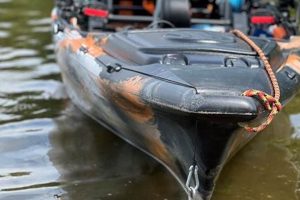
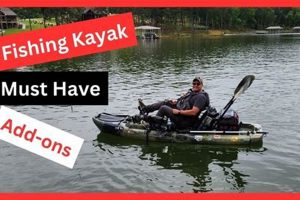
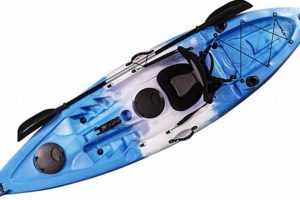
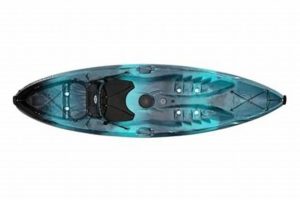
Tip 1: Choose the right kayak. A sit-on-top kayak offers stability and ease of re-entry in case of capsize, making it ideal for the varying conditions encountered offshore. Consider models specifically designed for fishing, with features such as rod holders and storage compartments.
Tip 2: Research fishing regulations. Ensure compliance with local licensing requirements and familiarize yourself with size and catch limits for various species. Respect protected areas where fishing is prohibited.
Tip 3: Utilize appropriate gear. Light to medium tackle is generally sufficient for targeting species commonly found in Aruban waters. Pack a variety of lures and bait to increase the chances of attracting different fish. Consider using a fish finder for locating schools and identifying promising fishing spots.
Tip 4: Prioritize safety. Always wear a personal flotation device and carry essential safety equipment, including a whistle, signaling mirror, and first-aid kit. Inform someone of your intended fishing location and estimated return time.
Tip 5: Monitor weather conditions. Check marine forecasts before venturing out. Avoid fishing during periods of strong winds, high waves, or thunderstorms. Be mindful of changing conditions while on the water.
Tip 6: Practice responsible angling. Minimize environmental impact by properly disposing of fishing line and other waste. Handle fish with care and practice catch-and-release whenever appropriate.
Tip 7: Hire a local guide. Consider engaging the services of an experienced local guide, particularly if unfamiliar with Aruban waters. Guides can provide valuable insights into productive fishing areas, local regulations, and species-specific techniques.
Adhering to these guidelines will enhance the likelihood of a productive and enjoyable experience, promoting both angler safety and environmental stewardship. Careful preparation ensures a successful and rewarding outing.
By incorporating these tips into one’s planning process, anglers can contribute to a sustainable and enjoyable fishing experience in Aruba.
1. Location Scouting

Effective location scouting is paramount for successful kayak fishing in Aruba. The island’s diverse coastline offers a variety of fishing environments, each with unique characteristics affecting species presence and angling success. Careful consideration of factors such as water depth, current patterns, bottom structure, and proximity to reefs or other fish-attracting features is essential. For example, the sheltered waters of Spanish Lagoon offer excellent opportunities for targeting bonefish and tarpon, while the rocky outcrops along the north coast provide habitat for snapper and grouper. Understanding these nuances and selecting locations accordingly significantly influences catch potential.
Pre-fishing research using nautical charts, online resources, and local knowledge contributes significantly to effective scouting. Identifying areas with favorable conditions, such as converging currents or upwellings, increases the likelihood of encountering productive fishing grounds. Observing bird activity or baitfish schools can also indicate promising locations. Furthermore, understanding tidal influences on water depth and current flow is crucial for optimizing fishing strategies and maximizing time on the water. Investing time in thorough location scouting ultimately translates to a more rewarding fishing experience.
Successful kayak fishing in Aruba requires a strategic approach to location selection. A thorough understanding of the island’s marine environment, combined with diligent pre-fishing research and on-the-water observation, significantly enhances angling success. Careful planning and adaptation to prevailing conditions are crucial for maximizing catch potential and ensuring a productive outing. This proactive approach allows anglers to effectively target specific species and optimize their time on the water.
2. Species Targeting

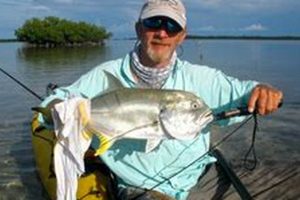
Species targeting forms an integral component of successful kayak fishing in Aruba. The island’s diverse marine ecosystem supports a wide range of fish species, each exhibiting unique behaviors and habitat preferences. Effective angling requires an understanding of these nuances to select appropriate tackle, bait, and fishing techniques. For example, targeting barracuda near reefs necessitates the use of wire leaders and strong lines due to their sharp teeth and powerful runs, while pursuing bonefish in shallow flats requires lighter tackle and stealthy approaches. Matching fishing strategies to the target species significantly increases the likelihood of success.
Understanding the feeding habits and preferred habitats of target species further enhances angling effectiveness. Barracuda are ambush predators often found near reefs and drop-offs, requiring presentations that mimic injured baitfish. Bonefish, on the other hand, feed primarily on crustaceans and mollusks in shallow, sandy flats, necessitating different bait choices and retrieval techniques. Similarly, targeting pelagic species like wahoo or mahi-mahi requires venturing further offshore and utilizing trolling methods with lures that simulate their prey. Adapting tackle and techniques to specific species behaviors maximizes catch potential.
Strategic species targeting optimizes resource utilization and contributes to sustainable fishing practices. Focusing on specific species allows anglers to tailor their approach, minimizing bycatch and reducing potential stress on non-target populations. Furthermore, adherence to local regulations regarding size and catch limits for specific species ensures the long-term health of the fishery. Combining species-specific knowledge with responsible angling practices contributes to a sustainable and rewarding kayak fishing experience in Aruba.
3. Equipment Selection

Appropriate equipment selection is crucial for a safe and successful kayak fishing experience in Aruba. The chosen gear directly impacts angler comfort, fishing effectiveness, and overall enjoyment. Careful consideration of various factors, including target species, fishing location, and prevailing conditions, informs optimal equipment choices.
- Kayak Choice
Kayak selection significantly influences stability, maneuverability, and storage capacity. Sit-on-top kayaks are generally preferred for their self-bailing design and ease of re-entry in case of capsize. Fishing-specific kayaks often feature built-in rod holders, storage compartments, and anchor trolleys, enhancing angler convenience and efficiency. The chosen kayak should be appropriately sized for the angler’s weight and the anticipated fishing conditions.
- Paddle Selection
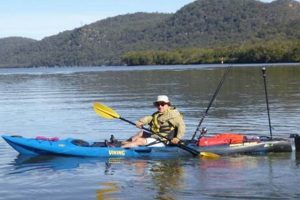
Paddle selection impacts paddling efficiency and overall comfort. Lightweight paddles with adjustable lengths and appropriate blade shapes minimize fatigue and maximize power transfer. Choosing a paddle length appropriate for the angler’s height and kayak width ensures efficient paddling strokes. High-quality materials, such as fiberglass or carbon fiber, enhance durability and performance.
- Rods and Reels
Rod and reel selection depends on the target species and fishing techniques employed. Lighter tackle is suitable for smaller reef fish and inshore species, while heavier gear is necessary for larger pelagic species. Spinning reels are versatile and user-friendly, while baitcasting reels offer greater precision and control. Matching rod and reel combinations to the target species and fishing style optimizes performance and increases catch potential.
- Fishing Accessories
Essential fishing accessories include tackle boxes, fishing line, hooks, lures, and bait. Selecting appropriate terminal tackle based on target species is crucial for maximizing hook-up ratios. A variety of lures and bait options allows anglers to adapt to changing conditions and fish behavior. Additional accessories such as pliers, cutters, and a fish finder enhance angler efficiency and overall success.
Careful equipment selection, tailored to the specific conditions and target species encountered in Aruban waters, significantly enhances angling success and overall enjoyment. Investing in appropriate gear ensures angler comfort, safety, and maximizes the potential for a rewarding kayak fishing experience. The interplay between these equipment choices contributes significantly to a productive and enjoyable outing.
4. Safety Precautions
Safety precautions are paramount in kayak fishing around Aruba. The open ocean environment presents inherent risks, magnified by the relatively small size and vulnerability of kayaks. Neglecting safety protocols can lead to serious consequences, ranging from minor injuries to life-threatening situations. A comprehensive understanding of these safety measures, coupled with diligent implementation, significantly mitigates potential hazards and ensures a positive angling experience. For example, failing to wear a personal flotation device (PFD) dramatically increases the risk of drowning in the event of a capsize, particularly in rough seas or strong currents. Similarly, ignoring changing weather patterns can expose anglers to sudden squalls or lightning strikes, posing substantial threats to their safety. Practical application of safety knowledge is crucial for mitigating these risks.
Several key safety precautions warrant specific consideration. Regularly checking weather forecasts before embarking on a fishing trip allows anglers to anticipate potentially hazardous conditions and make informed decisions about whether to proceed. Carrying essential safety equipment, including a VHF radio, signaling devices, and a first-aid kit, provides resources for emergencies. Informing someone onshore of the intended fishing location and estimated return time ensures that assistance can be summoned if necessary. Furthermore, maintaining situational awareness while on the water, including monitoring weather changes and boat traffic, allows for proactive responses to potential hazards. Applying these precautionary measures significantly enhances angler safety.
Prioritizing safety in kayak fishing around Aruba fosters a culture of responsible angling and contributes to a positive overall experience. Diligent adherence to safety protocols minimizes risks, allowing anglers to focus on enjoying the sport and appreciating the marine environment. Understanding the inherent risks associated with open-water activities, coupled with proactive safety measures, ensures both personal well-being and the preservation of a sustainable recreational activity. Integrating safety considerations into every aspect of kayak fishing promotes a culture of responsible enjoyment and environmental stewardship.
5. Local Regulations
Adherence to local regulations is essential for responsible kayak fishing in Aruba. These regulations, established by the Aruban government, aim to preserve fish populations, protect sensitive marine ecosystems, and ensure sustainable fishing practices. They encompass various aspects, including licensing requirements, catch limits, size restrictions for specific species, and designated fishing zones. Ignoring these regulations can result in penalties, fines, or even legal action. For instance, fishing in protected marine sanctuary areas without proper authorization can lead to substantial fines and potential confiscation of equipment. Understanding and complying with these rules demonstrates respect for local authorities and contributes to the long-term health of the Aruban marine environment.
Local regulations often reflect specific conservation concerns relevant to Aruban waters. For example, restrictions on catching certain grouper species during their spawning season aim to protect breeding populations and ensure future stock abundance. Similarly, limitations on the use of certain fishing gear, such as gill nets or spear guns, aim to minimize bycatch and prevent damage to sensitive habitats like coral reefs. Understanding the rationale behind these regulations underscores their importance in maintaining a healthy and sustainable fishery. Practical application of this knowledge involves obtaining necessary fishing licenses, adhering to catch limits, and respecting designated fishing zones. This proactive approach ensures compliance and contributes to the preservation of Aruban marine resources.
Compliance with local regulations fosters a sustainable and responsible kayak fishing environment in Aruba. By respecting these rules, anglers contribute to the long-term health of fish populations and the preservation of sensitive marine ecosystems. This commitment to responsible angling ensures the continued enjoyment of this recreational activity for future generations. Furthermore, it strengthens the relationship between the fishing community and local authorities, fostering a collaborative approach to resource management. Integrating an understanding of local regulations into kayak fishing practices demonstrates a commitment to environmental stewardship and sustainable tourism.
6. Sustainable Practices
Sustainable practices are integral to responsible kayak fishing in Aruba, ensuring the long-term health of the marine ecosystem and the preservation of this recreational activity. These practices minimize environmental impact, protect fish populations, and contribute to the overall well-being of the coastal environment. Integrating sustainability into kayak fishing ensures the continued enjoyment of this activity for future generations. Neglecting these practices can lead to detrimental consequences, including habitat degradation, declining fish stocks, and ultimately, the erosion of the very resources that support this recreational pursuit.
- Catch-and-Release Fishing
Catch-and-release fishing minimizes stress on fish populations by returning caught fish to the water unharmed. Proper handling techniques, such as using wet hands or a landing net and minimizing air exposure, increase the likelihood of successful release and survival. This practice allows anglers to enjoy the sport while contributing to the preservation of fish stocks. In Aruba, catch-and-release is particularly important for species with vulnerable populations or those experiencing fishing pressure. Implementing this practice helps maintain healthy fish populations and ensures the sustainability of the fishery.
- Proper Waste Disposal
Proper waste disposal prevents pollution and protects marine life. Discarded fishing line, hooks, and other debris can entangle marine animals, causing injury or death. Plastic waste poses a significant threat to marine ecosystems, persisting in the environment for extended periods and potentially entering the food chain. Responsible anglers carry all trash back to shore for proper disposal, minimizing their impact on the marine environment. This practice protects marine life, preserves the aesthetic quality of the coastline, and contributes to a healthier ecosystem.
- Respect for Marine Habitats
Respect for marine habitats involves avoiding sensitive areas like coral reefs and seagrass beds, which provide essential habitat for numerous marine species. Kayak anglers should avoid anchoring in these areas or dragging kayaks across shallow seagrass beds. Disturbing these habitats can damage fragile ecosystems and displace the organisms that rely on them. Practicing responsible navigation and anchoring techniques minimizes disturbance to these vital habitats and contributes to their long-term health.
- Selective Harvesting
Selective harvesting involves targeting specific species and adhering to local regulations regarding size and catch limits. This practice helps maintain balanced fish populations and prevents overfishing of vulnerable species. Understanding local regulations and practicing selective harvesting contributes to the sustainability of the fishery and ensures the continued availability of diverse fish species. This approach aligns with responsible resource management and demonstrates respect for the local ecosystem.
Integrating these sustainable practices into kayak fishing in Aruba ensures the long-term health of the marine environment and the viability of this recreational activity. Responsible angling practices benefit both the environment and the anglers themselves, guaranteeing the continued enjoyment of this sport for future generations. By prioritizing sustainability, kayak anglers contribute to the preservation of Aruba’s valuable marine resources and ensure the ecological integrity of the island’s coastal waters.
7. Guided Excursions

Guided excursions offer a valuable resource for enhancing kayak fishing experiences in Aruba. These excursions, led by experienced local guides, provide a structured and informative approach to exploring the island’s diverse fishing opportunities. Participation in a guided excursion offers several distinct advantages, particularly for newcomers or those seeking to maximize their angling success while minimizing the logistical challenges of independent exploration. Guided excursions contribute significantly to a safe, productive, and enjoyable kayak fishing experience.
- Local Expertise
Local guides possess intimate knowledge of Aruban waters, including prime fishing locations, species-specific behaviors, and effective fishing techniques. This expertise allows guided excursions to target productive fishing grounds and employ strategies tailored to specific species. Guides also provide valuable insights into local regulations, ensuring compliance and promoting responsible angling practices. This localized knowledge significantly enhances the likelihood of a successful and rewarding fishing experience.
- Equipment and Logistics
Guided excursions typically provide all necessary equipment, including kayaks, paddles, fishing gear, and safety equipment. This eliminates the need for participants to transport their own equipment or navigate the complexities of local rentals. The inclusion of high-quality, well-maintained equipment ensures angler comfort and maximizes fishing effectiveness. Streamlined logistics allow participants to focus solely on the fishing experience, without the added burden of equipment management.
- Enhanced Safety
Guided excursions prioritize angler safety. Guides are trained in water safety procedures and possess extensive knowledge of local conditions. They provide pre-trip briefings on safety protocols, monitor weather conditions throughout the excursion, and offer assistance as needed. This focus on safety minimizes potential risks and allows participants to enjoy the experience with peace of mind. The presence of an experienced guide enhances overall safety and contributes to a positive and secure environment.
- Educational Opportunity
Guided excursions offer an educational opportunity for anglers of all skill levels. Guides share their knowledge of local fish species, their behavior, and effective fishing techniques. They also provide insights into the local ecosystem, promoting environmental awareness and responsible angling practices. This educational component adds depth to the fishing experience, fostering a greater appreciation for the marine environment and promoting sustainable fishing practices.
Engaging in a guided kayak fishing excursion in Aruba offers a comprehensive and rewarding experience. Leveraging local expertise, streamlined logistics, enhanced safety measures, and educational opportunities maximizes angling success while promoting responsible interaction with the marine environment. Participation in these excursions contributes significantly to a memorable and enriching experience for anglers of all skill levels. This structured approach allows participants to fully immerse themselves in the sport while minimizing potential challenges and maximizing the potential for a successful and enjoyable outing.
Frequently Asked Questions about Kayak Fishing in Aruba
This section addresses common inquiries regarding kayak fishing in Aruba, providing concise and informative responses to facilitate informed decision-making and enhance the overall angling experience. Understanding these frequently raised points contributes to a smoother and more rewarding experience on the water.
Question 1: What are the typical costs associated with kayak fishing in Aruba?
Costs vary depending on whether one chooses to rent equipment or bring their own. Rental costs typically range from $50 to $100 per day for a fishing kayak, including basic equipment. Guided excursions generally range from $150 to $300 per person, depending on the duration and inclusions. Owning equipment eliminates rental fees but necessitates transportation and maintenance costs.
Question 2: Are there specific licensing requirements for kayak fishing in Aruba?
While a general fishing license is not required for recreational fishing in Aruba, certain areas may have specific regulations. It is recommended to check with local authorities or a reputable fishing charter operator for clarification on any area-specific requirements. Respecting local regulations ensures compliance and contributes to sustainable fishing practices.
Question 3: What are the most common fish species targeted by kayak anglers in Aruba?
Commonly targeted species include barracuda, snapper, grouper, bonefish, and various pelagic species like wahoo and mahi-mahi. Species availability varies depending on the season and fishing location. Consulting local fishing reports or experienced guides can provide valuable insights into current fishing conditions and target species.
Question 4: What safety precautions should be taken when kayak fishing in Aruba?
Essential safety precautions include wearing a personal flotation device (PFD), carrying a VHF radio, informing someone of fishing plans, checking weather forecasts, and being aware of changing sea conditions. Carrying a first-aid kit, signaling devices, and extra water is also advisable. Prioritizing safety enhances the overall fishing experience and minimizes potential risks.
Question 5: Are guided kayak fishing tours recommended for beginners?
Guided tours are highly recommended for beginners, offering expert instruction, local knowledge, and enhanced safety. Experienced guides provide valuable insights into fishing techniques, species identification, and local regulations. Participating in a guided tour allows beginners to focus on learning and enjoying the experience while minimizing potential challenges.
Question 6: What is the best time of year for kayak fishing in Aruba?
Fishing conditions are generally favorable year-round in Aruba. Certain species may be more prevalent during specific seasons. For example, wahoo and mahi-mahi are typically more abundant during the winter months. Consulting local fishing reports or experienced guides can provide specific information on seasonal fishing patterns.
Careful consideration of these frequently asked questions, combined with thorough planning and preparation, contributes significantly to a successful and enjoyable kayak fishing experience in Aruba. Addressing these common concerns ensures angler preparedness and promotes responsible angling practices.
For further information or specific inquiries, consulting local fishing charters, tackle shops, or tourism authorities is recommended.
Kayak Fishing Aruba
This exploration of kayak fishing in Aruba has highlighted the multifaceted nature of this activity. From equipment selection and species targeting to safety precautions and sustainable practices, each aspect contributes significantly to a successful and rewarding experience. Understanding local regulations and considering the benefits of guided excursions further enhances angler preparedness and promotes responsible interaction with the marine environment. The diverse opportunities offered by Aruban waters, combined with careful planning and execution, provide a unique and engaging angling experience.
Kayak fishing in Aruba represents more than just a recreational pursuit; it offers a connection with the island’s rich marine ecosystem. By embracing sustainable practices and respecting local regulations, anglers contribute to the preservation of this valuable resource for future generations. This approach ensures the continued viability of kayak fishing in Aruba, fostering a harmonious balance between recreational enjoyment and environmental stewardship. The future of this activity relies on the collective commitment to responsible angling, ensuring that Aruban waters remain a vibrant and productive fishing destination.