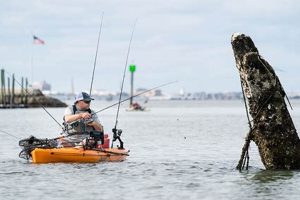
A publication specializing in kayak angling provides valuable resources for enthusiasts of this growing sport. Content typically includes gear reviews, fishing location guides, species-specific techniques, and profiles of prominent anglers. An example might be an article detailing how to rig a kayak for targeting trout in mountain streams.
Such specialized publications play a vital role in connecting the kayak angling community, disseminating knowledge, and promoting conservation efforts. They offer a platform for both novice and experienced anglers to learn new skills, discover new fishing spots, and stay abreast of the latest trends in equipment and techniques. Historically, these publications emerged as the sport gained popularity, reflecting a growing demand for focused information and resources.
This foundation in understanding the role of specialized fishing publications allows for deeper exploration of topics such as kayak selection, fishing gear optimization, and effective angling strategies in diverse environments.
Tips for Kayak Anglers
Optimizing angling experiences from a kayak requires careful consideration of various factors. The following tips offer guidance for enhancing safety and fishing success.
Tip 1: Prioritize Safety Equipment: Always wear a personal flotation device (PFD). Carry essential safety gear, including a whistle, signaling device, and first-aid kit. Regularly inspect equipment for wear and tear.
Tip 2: Plan and Research: Check weather forecasts and water conditions before heading out. Research potential fishing locations, including access points and species present. Inform someone of your planned route and estimated return time.
Tip 3: Balance and Stability: Distribute weight evenly within the kayak to maintain stability. Practice entering and exiting the kayak in shallow water before venturing into deeper areas. Avoid sudden movements that could compromise balance.
Tip 4: Choose Appropriate Gear: Select fishing rods, reels, and tackle suited for kayak fishing. Consider shorter rods for easier maneuverability. Organize gear within easy reach for efficient access.
Tip 5: Respect the Environment: Adhere to “leave no trace” principles. Dispose of waste properly and avoid disturbing wildlife. Be mindful of fishing regulations and licensing requirements.
Tip 6: Practice Paddle Techniques: Develop efficient paddling strokes for maneuvering and maintaining control in various conditions. Practice different paddle strokes for navigating currents and wind.
Tip 7: Anchor Effectively: Utilize appropriate anchoring techniques to maintain position in desired fishing areas. Consider a drift sock or stake-out pole as alternatives to traditional anchors.
By implementing these tips, anglers can improve their safety, enhance their fishing experience, and contribute to the preservation of aquatic environments.
These practical considerations lay the groundwork for successful kayak angling expeditions.
1. Targeted Readership

A publication specializing in kayak angling inherently cultivates a targeted readership. This focus allows content to address specific interests and needs, unlike broader fishing publications. This dedicated audience seeks information relevant to their niche pursuit, including specialized gear reviews, kayak-specific fishing techniques, and location guides suitable for kayak access. For example, an article detailing how to rig a kayak for stability in ocean currents holds significantly greater relevance for this audience than a general piece on boat fishing. The publication thrives on delivering content that directly addresses this specialized demand.
This targeted approach facilitates a stronger connection between the publication and its audience. Readers find value in the tailored content, fostering loyalty and engagement. This focused engagement offers advantages for advertisers seeking to reach a specific demographic. Furthermore, a well-defined readership allows editors to curate content with precision, ensuring articles resonate with the audience’s experience level and aspirations. This might include articles catering to both novice kayak anglers seeking foundational knowledge and seasoned professionals seeking advanced techniques. The publication becomes a valuable resource by catering specifically to the kayak angling community.
Understanding the importance of targeted readership in the context of kayak angling publications reinforces the symbiotic relationship between content and audience. This focus allows for deeper exploration of niche topics, fostering a community of engaged readers and creating a valuable platform for specialized information exchange. Challenges may include balancing breadth of content to attract new readers while retaining the core audience’s specialized interests. Successfully navigating this balance ensures the publication’s continued relevance and value within the kayak angling community.
2. Specialized Content

The efficacy of a kayak fishing publication hinges on its ability to deliver specialized content tailored to the unique needs and interests of its readership. This focus distinguishes it from general fishing publications and establishes its value within the niche angling community. Specialized content fosters engagement, builds a loyal following, and provides a platform for in-depth exploration of relevant topics.
- Kayak-Specific Techniques
Articles detailing techniques tailored for kayak angling, such as maneuvering in tight spaces, managing fishing lines from a seated position, and landing fish from a kayak, offer practical value. For example, an article might compare and contrast different anchoring methods suitable for various kayak types and water conditions. Understanding these nuances empowers anglers to optimize their fishing experience from a kayak.
- Gear and Equipment Reviews
In-depth reviews of fishing rods, reels, kayaks, and accessories relevant to kayak angling provide valuable insights for purchasing decisions. These reviews might consider factors like portability, durability, and suitability for specific fishing styles. For instance, a review might compare different fish finders tailored for kayak use, considering factors like mounting options and screen visibility. This targeted information assists anglers in making informed choices aligned with their individual needs.
- Location Guides and Access Points
Detailed guides to fishing locations accessible by kayak, including launch points, water conditions, and species prevalence, offer practical guidance. These guides might focus on specific regions or highlight lesser-known fishing spots ideal for kayak exploration. For example, a location guide might detail kayak-accessible areas within a specific state park, highlighting fishing regulations, species presence, and recommended techniques. This empowers anglers to discover new fishing opportunities and plan successful outings.
- Conservation and Stewardship
Articles promoting ethical fishing practices, conservation efforts, and responsible use of aquatic environments align with the values of environmentally conscious anglers. These articles might address topics such as catch-and-release techniques, minimizing environmental impact, and supporting local conservation initiatives. For example, an article might discuss the importance of proper disposal of fishing line to protect wildlife. This focus reinforces the publication’s commitment to sustainability and responsible angling.
These interconnected facets of specialized content create a valuable resource for the kayak angling community. By focusing on niche topics and providing in-depth information, the publication fosters engagement, builds a loyal following, and establishes itself as an authoritative voice within the kayak fishing world. This dedicated approach allows for comprehensive exploration of topics relevant to kayak anglers, from specific techniques and gear recommendations to location guides and conservation efforts. The publications ability to deliver this focused content defines its value and relevance.
3. Expert Contributors

The credibility and authority of a kayak fishing publication are significantly enhanced by the contributions of recognized experts within the field. These experts provide valuable insights, share specialized knowledge, and offer practical advice based on their extensive experience. Their involvement elevates the publication’s content, fostering trust among readers and establishing it as a reliable source of information.
- Experienced Kayak Anglers
Contributions from seasoned kayak anglers offer practical advice and real-world perspectives. These individuals often possess intimate knowledge of specific fishing locations, techniques, and gear. For example, a tournament angler might share insights on effective tournament strategies from a kayak, while a fishing guide might offer location-specific advice. Their firsthand experience lends authenticity and credibility to the publication’s content.
- Kayak Designers and Manufacturers
Insights from kayak designers and manufacturers provide valuable technical information about kayak construction, performance characteristics, and specialized features. This information assists readers in making informed decisions when selecting a kayak. For example, a designer might discuss the stability considerations in hull design, or a manufacturer might explain the advantages of specific materials used in kayak construction. This technical expertise adds depth and authority to gear-related content.
- Marine Biologists and Conservationists
Contributions from marine biologists and conservationists provide scientific perspectives on fish species, habitat preservation, and responsible angling practices. This information promotes environmental awareness and encourages sustainable fishing practices. For example, a marine biologist might discuss the impact of invasive species on local ecosystems, or a conservationist might explain the importance of catch-and-release methods. This scientific perspective reinforces the publication’s commitment to responsible angling.
- Outdoor Writers and Journalists
Experienced outdoor writers and journalists bring strong storytelling and communication skills to the publication. They can effectively translate complex information into engaging and accessible content. For example, a writer might craft a compelling narrative about a memorable kayak fishing expedition, or a journalist might conduct interviews with prominent figures in the kayak angling community. Their storytelling abilities enhance the readability and overall appeal of the publication.
The collective expertise of these contributors strengthens the publication’s value proposition within the kayak angling community. The diverse perspectives and specialized knowledge offered by experts elevate the quality of content, fostering reader trust and establishing the publication as an authoritative resource within the niche. This collaborative approach, combining practical experience, technical knowledge, scientific understanding, and effective communication, enriches the overall reading experience and empowers anglers with valuable insights.
4. Gear Reviews

Comprehensive and unbiased gear reviews form a cornerstone of any reputable kayak fishing publication. These reviews provide readers with crucial information for making informed purchasing decisions, contributing significantly to the publication’s value and credibility. The analysis of specific features, performance evaluations, and comparisons between different products empower anglers to select equipment best suited for their individual needs and fishing styles.
- Rods and Reels
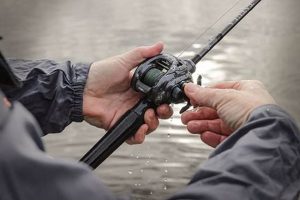
Reviews of fishing rods and reels designed specifically for kayak angling consider factors such as length, action, weight, and durability. Shorter rods are often preferred for maneuverability within the confines of a kayak. Reel features like corrosion resistance and sealed drag systems are crucial for saltwater environments. A review might compare a lightweight spinning reel ideal for finesse fishing with a heavier baitcasting reel suited for larger species. These evaluations provide anglers with the knowledge necessary to select appropriate tackle for targeted species and fishing techniques.
- Kayaks and Paddles
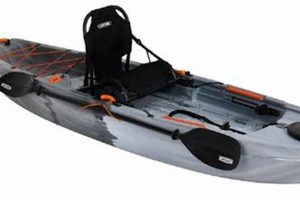
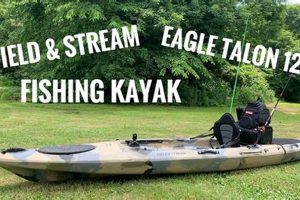
Reviews of kayaks and paddles focus on stability, maneuverability, tracking, and storage capacity. Sit-on-top kayaks are generally preferred for kayak fishing due to their self-bailing design and ease of entry and exit. Paddle features like length, blade shape, and material composition impact paddling efficiency and comfort. A review might compare a shorter, wider kayak designed for stability in calm waters with a longer, narrower kayak better suited for paddling longer distances or navigating rougher conditions. These comparisons empower anglers to choose a kayak and paddle combination that aligns with their fishing style and intended use.
- Fish Finders and Electronics
Reviews of fish finders, GPS units, and other electronic devices consider features such as screen size, resolution, sonar capabilities, and mounting options. Portable and waterproof designs are essential for kayak fishing. A review might compare different fish finder models, highlighting features like side-scan imaging or GPS mapping capabilities. These evaluations help anglers select electronics that enhance their ability to locate fish and navigate waterways effectively.
- Safety Gear and Accessories
Reviews of personal flotation devices (PFDs), safety lights, whistles, and other safety equipment emphasize comfort, functionality, and adherence to safety standards. A review might compare different PFD designs, considering factors like buoyancy, fit, and storage capacity. These assessments guide anglers in selecting essential safety gear that enhances their on-the-water security.
By providing thorough and objective gear reviews, kayak fishing publications empower readers to make informed decisions about equipment purchases. These reviews contribute significantly to the publication’s credibility and value within the kayak angling community. The detailed analysis of features, performance evaluations, and comparisons between different products enable anglers to optimize their fishing experience by selecting gear best suited to their individual needs and fishing styles. This focus on practical, applicable information solidifies the publication’s role as a trusted resource for kayak anglers seeking to enhance their on-the-water success and safety.
5. Location Guides
Location guides constitute a crucial component of kayak fishing publications, directly influencing reader engagement and the perceived value of the publication itself. These guides provide essential information enabling anglers to discover new fishing spots, plan successful outings, and maximize their time on the water. The inclusion of detailed location information caters specifically to the needs of kayak anglers seeking accessible and productive fishing areas. This focus on location-specific content strengthens the publication’s relevance within the kayak angling community. For example, a guide detailing kayak-accessible rivers in a specific region, including launch points, parking availability, and species prevalence, offers practical value that resonates with readers. The quality and comprehensiveness of these guides directly influence a publication’s reputation as a trusted resource.
Effective location guides within kayak fishing publications typically feature detailed maps, access points, descriptions of prevailing conditions, and species-specific information. Guides may focus on specific bodies of water, regions, or even international destinations suitable for kayak angling. Consider a guide focusing on coastal areas, highlighting prime fishing spots for redfish and speckled trout accessible by kayak, including recommended launch sites, tide charts, and preferred fishing techniques. This targeted information empowers readers to plan successful kayak fishing trips. Furthermore, incorporating information on local regulations, licensing requirements, and conservation efforts reinforces responsible angling practices. This comprehensive approach enhances the practical value of location guides for readers.
The strategic inclusion of high-quality location guides within kayak fishing publications reinforces their value proposition. These guides offer practical, actionable information empowering anglers to explore new waters, improve their fishing success, and engage with the sport more effectively. The ability to provide reliable and detailed location-specific information establishes the publication as a trusted resource within the kayak angling community. However, maintaining accuracy and keeping information up-to-date presents a continuous challenge. Factors such as changing regulations, environmental conditions, and access restrictions require ongoing efforts to ensure the enduring value and relevance of location guides within kayak fishing publications.
6. Conservation Focus

A strong conservation focus is integral to the mission of responsible kayak fishing publications. This commitment reflects a growing awareness within the angling community of the importance of environmental stewardship and sustainable fishing practices. By featuring content dedicated to conservation, these publications educate readers, promote responsible behavior, and contribute to the long-term health of aquatic ecosystems. This focus aligns with the interests of environmentally conscious anglers and reinforces the publication’s role as a positive influence within the kayak fishing community. For instance, articles discussing the impact of pollution on fish populations or advocating for catch-and-release practices demonstrate a tangible commitment to conservation. This dedication strengthens the publication’s credibility among readers who value environmental responsibility. Furthermore, partnering with conservation organizations or promoting local cleanup initiatives amplifies the publication’s impact and fosters a sense of community engagement.
The integration of conservation-focused content within kayak fishing publications yields several practical benefits. It educates anglers about best practices for minimizing their environmental impact, such as proper waste disposal and avoiding sensitive habitats. It promotes awareness of the importance of preserving fish populations and protecting aquatic ecosystems. It encourages anglers to actively participate in conservation efforts, such as habitat restoration projects or advocacy initiatives. For example, a publication might feature an article detailing how to construct artificial reefs to enhance fish habitat, or it might profile a local organization dedicated to river cleanup efforts. These concrete examples empower readers to take direct action. Moreover, a consistent conservation focus cultivates a sense of responsibility within the kayak angling community, fostering a culture of stewardship and promoting sustainable fishing practices for future generations. This commitment to conservation strengthens the publication’s overall message and reinforces its value within the broader angling community.
A genuine commitment to conservation distinguishes responsible kayak fishing publications. This focus not only educates and empowers readers but also contributes to the long-term health of aquatic ecosystems. Challenges include balancing advocacy with objectivity and ensuring that conservation messages are integrated seamlessly within the broader editorial content. By successfully navigating these challenges, kayak fishing publications reinforce their role as valuable resources for anglers and as advocates for the sustainable enjoyment of the sport.
Frequently Asked Questions
This section addresses common inquiries regarding kayak fishing, providing concise and informative responses.
Question 1: What are the essential safety precautions for kayak fishing?
Wearing a personal flotation device (PFD) is paramount. Carrying a whistle, signaling device, first-aid kit, and communication device is also recommended. Checking weather forecasts and water conditions before embarking is crucial. Informing someone of the planned route and estimated return time enhances safety.
Question 2: How does one choose an appropriate kayak for fishing?
Kayak selection depends on intended fishing locations and personal preferences. Sit-on-top kayaks are generally preferred for their stability and self-bailing design. Factors such as length, width, and weight capacity should be considered based on individual needs and the anticipated fishing environment. Testing different models before purchase is advisable.
Question 3: What essential fishing gear is recommended for kayak angling?
Shorter fishing rods are often preferred for maneuverability within a kayak. Rod and reel selection depends on target species and fishing techniques. Essential tackle includes hooks, lines, sinkers, lures, and a tackle box for organization. A net or lip gripper aids in landing fish safely.
Question 4: How does one maintain stability and balance while fishing from a kayak?
Distributing weight evenly within the kayak is crucial for stability. Practicing entering and exiting the kayak in shallow water builds confidence. Avoiding sudden movements or leaning too far over the side helps maintain balance. Using an anchor or stake-out pole provides added stability in desired fishing locations.
Question 5: What are the ethical considerations for kayak anglers?
Adhering to catch-and-release guidelines when appropriate helps conserve fish populations. Proper disposal of fishing line and other waste minimizes environmental impact. Respecting wildlife and avoiding disturbance of nesting areas contributes to ecological preservation. Following all local fishing regulations and obtaining necessary licenses is essential.
Question 6: Where can one find reliable information on kayak fishing locations and regulations?
Local tackle shops, fishing guides, and online forums often provide valuable information on fishing locations. State wildlife agencies or fisheries departments offer resources on fishing regulations, licensing requirements, and conservation initiatives. Consulting specialized kayak fishing publications often yields detailed location guides and up-to-date information.
Prioritizing safety, selecting appropriate gear, and practicing ethical angling contribute to enjoyable and sustainable kayak fishing experiences. Continuous learning through reputable resources enhances knowledge and promotes responsible engagement with the sport.
This foundational knowledge prepares readers for more advanced topics, such as species-specific fishing techniques and advanced kayak maneuvering skills.
Conclusion
This exploration has highlighted the multifaceted nature of a dedicated kayak fishing publication. Its value lies in providing specialized content tailored to the distinct needs of kayak anglers. Key elements include expert contributions, comprehensive gear reviews, detailed location guides, and a strong conservation focus. These components work synergistically to empower anglers with knowledge, enhance their on-the-water experiences, and foster a culture of environmental responsibility.
The continued growth and evolution of kayak angling necessitate a reliable source of information and community engagement. A dedicated publication serves this purpose, providing a platform for knowledge sharing, promoting ethical practices, and fostering a deeper appreciation for the sport. Its commitment to delivering targeted content ensures relevance and fosters a strong connection with the kayak angling community, contributing to the sustainable enjoyment of this unique pursuit.