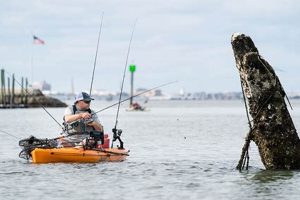
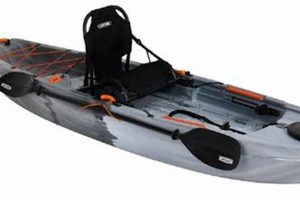
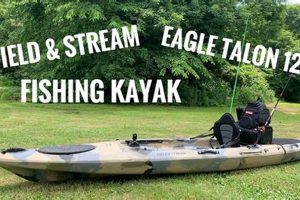
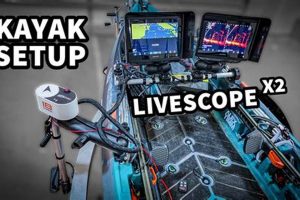
A custom-made receptacle for storing and transporting angling equipment while kayaking offers a practical solution for anglers. This approach involves crafting a personalized storage unit, often from waterproof and durable materials, designed to fit the specific dimensions and requirements of a kayak. Examples include bags secured to deck rigging, under-seat storage compartments, and even customized milk crates modified for rod holders and tackle storage.
Creating a personalized storage system for fishing gear during kayak excursions provides significant advantages. Anglers gain increased organization and accessibility of their equipment, leading to a more efficient and enjoyable fishing experience. Tailored designs optimize space utilization within the limited confines of a kayak. Durable construction and strategic placement minimize the risk of equipment damage or loss. Furthermore, the ability to customize storage solutions contributes to a safer paddling experience by reducing clutter and ensuring proper weight distribution.
The following sections delve into various aspects of constructing such customized gear storage. Topics covered include material selection, design considerations specific to different kayak types, step-by-step construction guides, and innovative storage ideas for maximizing space and efficiency. Additional tips will address waterproofing techniques, attachment methods, and integrating rod holders and other specialized features.
Tips for Custom Kayak Fishing Bag Construction
Careful planning and execution are crucial for creating an effective and durable custom kayak fishing bag. These tips offer guidance for various stages of the construction process.
Tip 1: Prioritize Waterproofing: Employ waterproof materials, such as marine-grade vinyl or coated fabrics, and seal all seams thoroughly. Consider adding a waterproof liner for extra protection against splashes and submersion. This safeguards tackle and electronics from moisture damage.
Tip 2: Optimize Space Utilization: Design compartments and pockets to maximize storage capacity within the kayak’s limited space. Employ vertical storage solutions, like pouches and sleeves, to keep items organized and readily accessible.
Tip 3: Secure Attachment Methods: Utilize robust attachment points, such as D-rings, straps, or clips, to secure the bag firmly to the kayak. Ensure the bag’s placement does not interfere with paddling or stability.
Tip 4: Consider Kayak Compatibility: Adapt the bag’s design to suit the specific kayak model, considering factors like deck rigging, seat configuration, and available storage areas. A sit-on-top kayak offers different design opportunities compared to a sit-inside model.
Tip 5: Incorporate Drainage: Include drainage holes or mesh panels at the bottom of the bag to allow water to escape. This prevents water accumulation and mildew growth within the bag.
Tip 6: Balance Weight Distribution: Distribute weight evenly within the bag and across the kayak to maintain stability and prevent tipping. Avoid overloading one side or concentrating heavy items in a single location.
Tip 7: Customize for Specific Gear: Tailor compartments and pockets to accommodate specific fishing gear, such as tackle boxes, pliers, and rod holders. Specialized storage solutions enhance organization and efficiency on the water.
By adhering to these guidelines, anglers can construct custom storage solutions that enhance their kayak fishing experience. Proper planning and execution lead to improved organization, increased efficiency, and a safer, more enjoyable time on the water.
The concluding section provides additional resources and inspiration for custom kayak fishing bag projects, empowering anglers to create personalized storage systems perfectly suited to their individual needs and preferences.
1. Waterproof Materials

Material selection is paramount in constructing a functional and durable kayak fishing bag. Waterproof materials protect essential gear from the inevitable exposure to water, ensuring longevity and maintaining the functionality of sensitive equipment like electronics and tackle. Choosing the right material is crucial for a successful DIY project.
- Fabric Choice
Durable, waterproof fabrics form the foundation of a reliable kayak fishing bag. Options include PVC-coated nylon, ripstop polyester with a polyurethane coating, and marine-grade vinyl. These materials offer varying degrees of water resistance, abrasion resistance, and flexibility. PVC-coated nylon, for example, provides excellent waterproofing and durability, while ripstop polyester offers lightweight strength. Choosing the right fabric balances desired properties with project-specific needs.
- Seam Sealing
Even with waterproof fabric, seams can be vulnerable to water ingress. Proper seam sealing is crucial for ensuring complete waterproof protection. Seam sealing tape, waterproof thread, and liquid seam sealers provide effective solutions. Applying seam sealer meticulously along all stitched seams creates a watertight barrier, preventing leaks and protecting stored items.
- Closures
Waterproof zippers, roll-top closures, and waterproof flaps contribute significantly to the overall water resistance of the bag. Traditional zippers can allow water to seep through, while waterproof zippers offer enhanced protection. Roll-top closures, often found in dry bags, provide a highly effective seal against submersion. Choosing appropriate closures ensures the bag’s contents remain dry even in challenging conditions.
- Fasteners and Hardware
Corrosion-resistant fasteners and hardware are essential for maintaining the bag’s integrity and functionality in a marine environment. Stainless steel or brass hardware resists rust and degradation, ensuring long-term durability. Using non-corrosive materials for buckles, D-rings, and zippers prevents failure and maintains the bag’s structural integrity.
The careful selection and implementation of waterproof materials and components contribute significantly to the overall success of a DIY kayak fishing bag project. A well-constructed, waterproof bag protects valuable gear, ensuring functionality and longevity, and ultimately contributing to a more enjoyable and successful fishing experience.
2. Secure Attachment

Secure attachment of a custom-made fishing bag is crucial for maintaining stability and preventing equipment loss during kayak fishing excursions. A well-secured bag remains in place, minimizing interference with paddling and ensuring readily accessible gear. Various attachment methods and considerations contribute to a secure and functional system.
- Attachment Points
Utilizing existing attachment points on the kayak, such as D-rings, deck rigging, or seat hardware, provides a secure foundation for attaching the bag. These pre-installed components are designed to withstand stress and offer reliable anchoring points. For kayaks without existing attachment points, strategically placed adhesive pads or straps can create secure attachment locations, ensuring the bag remains firmly affixed during movement and varying water conditions.
- Straps and Buckles
Durable straps and buckles provide adjustable and secure fastening mechanisms. Heavy-duty nylon webbing or adjustable straps with quick-release buckles allow for customized fitting and secure tightening. These adjustable systems accommodate different bag sizes and shapes, ensuring a snug fit that minimizes movement. Redundant straps provide backup security in case of primary strap failure, further enhancing reliability.
- Placement Considerations
Strategic placement of the bag on the kayak optimizes balance and accessibility. Positioning the bag within easy reach minimizes the need for disruptive movements while paddling. Distributing weight evenly across the kayak maintains stability and prevents tipping. Careful consideration of the bag’s placement contributes to a balanced, safe, and efficient fishing experience.
- Hardware Selection
Selecting corrosion-resistant hardware ensures long-term durability and reliability in harsh marine environments. Stainless steel or marine-grade hardware resists rust and degradation from saltwater exposure. Durable hardware maintains the integrity of the attachment system, preventing failures that could lead to equipment loss or compromise safety. Choosing appropriate hardware is essential for a robust and long-lasting attachment solution.
Implementing these secure attachment strategies contributes significantly to a safe and efficient kayak fishing experience. A well-secured bag remains stable and accessible, allowing anglers to focus on fishing without the distraction or risk of losing valuable equipment. Careful consideration of attachment methods and hardware selection ensures a reliable and durable system tailored to individual needs and kayak configurations.
3. Organized Compartments

Organized compartments are essential for a functional and efficient DIY kayak fishing bag. Effective organization within a confined kayak space maximizes storage capacity, streamlines access to essential gear, and contributes to a more productive and enjoyable fishing experience. A well-compartmentalized bag ensures that tackle, tools, and other equipment remain readily available and prevents time-consuming searches during critical moments.
- Dedicated Tackle Storage
Designated compartments for tackle boxes, lure organizers, and small tackle items prevent tangling and maintain order. Clear compartments or labeled dividers allow for quick identification of specific lures or terminal tackle, saving valuable time and minimizing disruption during fishing. This dedicated storage ensures that essential items are readily available when needed.
- Tool Organization
Separate compartments or pockets for tools like pliers, line cutters, and knives maintain organization and prevent damage to other items within the bag. Securing sharp tools in dedicated compartments enhances safety and prevents accidental cuts or punctures to other gear or the bag itself. This organized approach contributes to a safer and more efficient fishing environment.
- Electronics Protection
Padded or waterproof compartments offer essential protection for sensitive electronic devices such as fish finders, GPS units, and smartphones. These specialized compartments safeguard electronics from impact, moisture, and other potential hazards. Protecting electronic devices ensures their functionality and extends their lifespan.
- Personal Item Storage
Designated compartments for personal items like sunscreen, snacks, and a first-aid kit maintain order and accessibility. Separating personal items from fishing gear streamlines access and prevents contamination of food or other essentials with fishing-related materials. This organizational strategy promotes hygiene and ensures essential personal items are readily available.
By incorporating organized compartments into a DIY kayak fishing bag, anglers enhance efficiency, maximize limited space, and create a more streamlined and enjoyable fishing experience. A well-organized bag contributes to a safer and more productive outing on the water, allowing anglers to focus on fishing rather than searching for misplaced gear. The strategic implementation of organized compartments directly translates to a more successful and satisfying kayak fishing adventure.
4. Efficient Space Utilization

Efficient space utilization is paramount when designing a do-it-yourself kayak fishing bag. Kayaks offer limited storage, necessitating thoughtful design to maximize capacity and maintain a streamlined, balanced vessel. A well-designed bag optimizes available space, ensuring essential gear remains accessible without compromising stability or paddling efficiency. This translates to a more organized and productive fishing experience.
- Vertical Storage Solutions
Maximizing vertical space within the bag, such as employing pouches, sleeves, and hanging organizers, significantly increases storage capacity. Rather than relying solely on horizontal stacking, which limits access and can lead to disorganization, vertical solutions allow for efficient layering of gear. For instance, small tackle boxes can be stored in vertically oriented pouches, while fishing rods can be secured in dedicated sleeves. This approach keeps items readily accessible and prevents gear from shifting during movement.
- Modular Compartments
Incorporating removable and adjustable compartments provides flexibility and adaptability to varying fishing needs. Modular components allow anglers to customize the bag’s interior layout based on the specific gear required for a particular trip. Smaller compartments can be combined or removed as needed, optimizing space utilization for different tackle configurations. This adaptability ensures efficient use of space regardless of the fishing scenario.
- External Attachment Points
Utilizing external attachment points on the bag’s exterior, such as loops, straps, or D-rings, allows for additional gear storage. Items like pliers, line cutters, or small nets can be securely attached to the bag’s exterior, freeing up valuable space within the main compartment. This strategic use of external space maximizes overall storage capacity without increasing the bag’s bulk or compromising internal organization.
- Contouring to Kayak Shape
Designing the bag to conform to the kayak’s contours maximizes space utilization and minimizes interference with paddling. A bag that fits snugly within the kayak’s available storage areas, such as under-seat compartments or deck wells, avoids wasted space and maintains a low profile. This contoured design enhances stability and prevents the bag from obstructing paddling movements or creating an imbalance.
By prioritizing efficient space utilization through these design considerations, a DIY kayak fishing bag becomes a valuable asset, enhancing both organization and functionality on the water. Careful planning and implementation of space-saving techniques contribute to a more streamlined, efficient, and ultimately, more enjoyable kayak fishing experience.
5. Durable Construction
Durable construction is paramount for a successful kayak fishing bag project. The bag will be subjected to harsh conditions, including exposure to water, sun, and abrasion from gear and the kayak itself. A robust construction ensures longevity and maintains the bag’s functionality, protecting valuable equipment and enhancing the overall fishing experience. Material selection, seam construction, and reinforcement techniques directly influence the bag’s durability.
Employing heavy-duty, abrasion-resistant materials, such as ripstop nylon, PVC-coated fabrics, or marine-grade vinyl, forms the foundation of a durable bag. These materials withstand the rigors of the marine environment, resisting tears, punctures, and UV degradation. Reinforced stitching at stress points, such as attachment points and corners, further enhances durability. Using strong, UV-resistant thread prevents seam failure and extends the bag’s lifespan. Adding reinforcing patches to high-wear areas, like the bottom of the bag, provides additional protection against abrasion and impact.
Consider a kayak fishing bag constructed from lightweight but durable ripstop nylon with reinforced seams and corners. This bag might also feature a reinforced bottom panel to withstand abrasion from rocks and sand. Such a construction ensures the bag can withstand the demanding conditions of kayak fishing, protecting the angler’s gear from damage and maintaining its functionality over extended use. Conversely, a bag constructed from a less durable material, with inadequate seam reinforcement, is likely to fail prematurely, leading to equipment loss and a compromised fishing experience. Therefore, prioritizing durable construction through appropriate material selection and reinforcement techniques is essential for creating a reliable and long-lasting kayak fishing bag.
6. Kayak Compatibility

Kayak compatibility is a critical design factor when creating a custom fishing bag. The kayak’s design, including its size, shape, and available attachment points, significantly influences the bag’s optimal dimensions, attachment method, and overall functionality. Ignoring compatibility can lead to instability, interference with paddling, and reduced storage efficiency. A bag designed for a sit-on-top kayak, for example, might not integrate well with a sit-inside model due to differences in deck space and storage areas. Similarly, a large bag on a small kayak could compromise balance and maneuverability.
Practical examples illustrate this importance. A sit-on-top kayak often features deck rigging and open storage wells, allowing for bags secured with straps or clips and designed to fit within the well’s contours. Conversely, a sit-inside kayak might require a bag that attaches to the seat or utilizes limited space behind the seat. Consider a fishing bag designed for a large, stable sit-on-top kayak. This bag might feature multiple compartments and attach to the deck rigging. If this same bag were used on a smaller, less stable sit-inside kayak, its size and attachment method could interfere with paddling and potentially compromise balance. Therefore, understanding the kayak’s specific features and limitations is essential for designing a compatible and functional bag.
Successful integration of a custom fishing bag requires careful consideration of the kayak’s design. Analyzing available space, identifying suitable attachment points, and considering the kayak’s stability characteristics are crucial steps. Addressing these factors ensures the bag complements the kayak’s design, maximizing storage capacity without compromising performance or safety. Ultimately, kayak compatibility is a cornerstone of a successful DIY fishing bag project, leading to a more efficient, enjoyable, and safe fishing experience.
Frequently Asked Questions
This section addresses common inquiries regarding the construction and utilization of custom-made kayak fishing bags.
Question 1: What are the most suitable materials for constructing a waterproof kayak fishing bag?
Marine-grade vinyl, PVC-coated nylon, and polyurethane-coated ripstop polyester offer excellent water resistance and durability. Seam sealing is crucial regardless of material choice.
Question 2: How can a custom bag be securely attached to a kayak without damaging the vessel?
Utilizing existing D-rings, deck rigging, or seat hardware offers secure attachment points. Adhesive pads or straps can be used where dedicated attachment points are unavailable, but ensure compatibility with the kayak’s material.
Question 3: What design considerations maximize storage efficiency within a kayak fishing bag?
Vertical storage solutions like pouches and sleeves maximize space utilization. Modular compartments and external attachment points offer flexibility and additional storage options.
Question 4: How can one ensure the long-term durability of a DIY kayak fishing bag?
Employing durable materials, reinforcing seams and stress points, and using corrosion-resistant hardware contribute to a long-lasting bag. Regular cleaning and maintenance also extend its lifespan.
Question 5: What are the key differences in bag design for sit-on-top versus sit-inside kayaks?
Sit-on-top kayaks often accommodate larger bags secured to deck rigging. Sit-inside kayaks require designs that maximize limited space and integrate with the cockpit’s configuration.
Question 6: How does proper weight distribution within the bag impact kayak stability?
Distributing weight evenly within the bag and across the kayak prevents tipping and maintains balance. Avoid overloading one side of the kayak or concentrating heavy items in a single location.
Careful consideration of these frequently asked questions helps ensure the creation of a functional, durable, and kayak-compatible fishing bag. A well-designed bag enhances the overall fishing experience by providing organized storage and convenient access to essential gear.
The following section offers additional resources and inspiration for custom kayak fishing bag projects.
Custom Kayak Fishing Bag Construction
Constructing a custom kayak fishing bag offers significant advantages for anglers. Careful consideration of material selection, attachment methods, compartmentalization, space utilization, and kayak compatibility ensures a functional and durable final product. Prioritizing waterproof materials and robust construction safeguards valuable equipment, while organized compartments and efficient space utilization optimize limited kayak storage. Adapting the bag’s design to the specific kayak model ensures seamless integration and enhances stability and paddling efficiency.
A well-designed, custom-built kayak fishing bag contributes significantly to a more organized, efficient, and enjoyable fishing experience. By addressing the key design considerations outlined throughout this exploration, anglers can create personalized storage solutions that meet their individual needs and enhance their time on the water. The ability to tailor storage to specific gear and kayak configurations empowers anglers to maximize their fishing potential. This approach fosters a more streamlined and productive outing, allowing for greater focus on the pursuit of angling success.