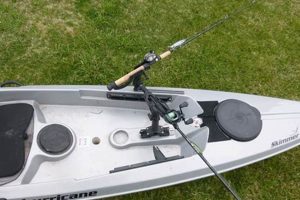
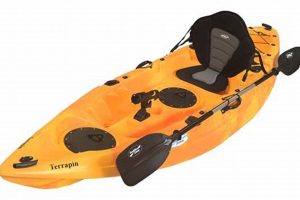
Effective fish storage on a kayak involves maintaining the quality and freshness of the catch while ensuring safety and stability on the water. This can range from simple methods like a stringer or cooler to more specialized solutions like insulated fish bags or live wells. For example, a kayak angler might use a mesh bag attached to the kayak to keep smaller fish alive in the water while employing a cooler with ice for larger catches destined for the table.
Preserving the quality of caught fish is essential for both ethical and culinary reasons. Spoilage leads to wasted resources and potentially harmful bacteria. Proper storage techniques maximize the enjoyment of the catch by maintaining flavor and texture. Historically, anglers relied on basic methods like stringers and woven baskets; however, modern kayaking equipment offers a wider range of options tailored to different fishing styles and target species. This evolution in storage methods reflects an increased emphasis on conservation and the angler’s desire for a higher-quality end product.
The choice of storage method depends on several factors, including the type and size of fish being targeted, the duration of the fishing trip, and the ambient temperature. Subsequent sections will explore various fish storage solutions for kayaks, highlighting their advantages and disadvantages to guide anglers toward the most suitable choice.
Tips for Storing Fish on a Kayak
Maintaining fish freshness and kayak stability requires careful consideration of storage methods. The following tips offer guidance for various situations and preferences.
Tip 1: Utilize a Cooler with Ice. Coolers provide a versatile solution for storing fish, especially in warmer climates. A high-quality, insulated cooler filled with ice or reusable ice packs significantly slows spoilage. Regularly draining melted ice and replenishing with fresh ice or packs maintains optimal temperature control.
Tip 2: Consider a Kayak-Specific Cooler. Kayak-specific coolers often feature attachment points and designs optimized for stability and accessibility on the water. These coolers are designed to minimize space intrusion and maximize storage efficiency.
Tip 3: Employ a Stringer for Short Trips. Stringers offer a simple method for keeping fish alive in the water during short fishing trips. However, they are less suitable for extended outings or delicate fish species. Ensure proper placement to avoid entanglement with the kayak or paddling gear.
Tip 4: Investigate Insulated Fish Bags. Insulated fish bags offer a lightweight and flexible storage solution for smaller catches. These bags can be easily stowed and maintain a cool temperature for a limited time. Consider incorporating reusable ice packs for enhanced cooling.
Tip 5: Evaluate Live Well Options. Kayaks equipped with live wells allow anglers to keep fish alive and healthy throughout the fishing trip. Proper aeration and water circulation are crucial for maintaining water quality within the live well.
Tip 6: Choose Appropriate Fish Storage Based on Species. Delicate fish species may require specialized storage methods to prevent damage. Robust species tolerate simpler methods like stringers or coolers with ice.
Tip 7: Prioritize Kayak Balance. Distribute the weight of stored fish evenly within the kayak to maintain stability. Avoid overloading one side, which could compromise balance and increase the risk of capsizing.
Implementing these tips ensures successful fish storage, maximizing both the quality of the catch and the safety of the kayaking experience. Proper storage preserves the rewards of angling while promoting responsible and enjoyable time on the water.
By understanding the advantages and disadvantages of each storage method and selecting the most appropriate option, anglers can enjoy fresh, high-quality fish while prioritizing safety and responsible fishing practices.
1. Cooler

Coolers represent a cornerstone of effective fish storage on kayaks. Their insulated construction significantly slows the process of spoilage by maintaining a low internal temperature. This temperature regulation inhibits bacterial growth, preserving the quality and edibility of the catch. Without proper cooling, fish deteriorate rapidly, especially in warm climates, leading to waste and potential health risks. For instance, a kayak angler fishing offshore on a summer day can preserve a valuable catch of snapper or grouper by storing them in a cooler filled with ice, ensuring they remain fresh for later consumption or proper handling upon return to shore.
Cooler selection and utilization directly impact the effectiveness of this storage method. Factors such as cooler size, insulation quality, and ice retention capacity should align with the anticipated catch size and duration of the fishing trip. A larger cooler with superior insulation might be necessary for extended multi-day expeditions, while a smaller, more portable cooler may suffice for shorter trips. Furthermore, regular draining of melted ice water and replenishment with fresh ice are essential practices for maintaining optimal cooling efficiency. Failing to manage meltwater can accelerate spoilage despite the presence of ice. Pre-chilling the cooler before use further enhances its effectiveness.
Optimal cooler use is integral to successful fish storage on a kayak. Proper cooler selection, combined with diligent ice management, safeguards the quality of the catch, minimizing waste and maximizing the rewards of the fishing experience. This careful attention to detail contributes to responsible angling practices and ensures the safe consumption of harvested fish. Integrating these practices into the overall kayaking fishing strategy elevates both the enjoyment and ethical considerations of the activity.
2. Stringer
Stringers offer a traditional method for storing fish caught from a kayak, keeping them alive in the water until the angler returns to shore. While simple and effective for short trips and certain species, stringers present specific considerations regarding fish welfare, legality, and practical application in a kayaking context.
- Fish Suitability
Stringers are generally suitable for robust fish species tolerant of fluctuating water conditions. Delicate species or those requiring specific oxygen levels may not fare well on a stringer. For example, a sturdy fish like a catfish might tolerate a stringer for several hours, while a more sensitive fish like a trout could suffer stress and potential mortality. Choosing appropriate species for stringer storage is crucial for ethical fishing practices.
- Trip Duration
Stringers are best employed during shorter kayaking fishing trips. Extended periods on a stringer can lead to fish exhaustion, stress, and increased vulnerability to predators. A quick morning paddle with a stringer might be suitable, whereas a multi-day excursion necessitates alternative storage methods. Time constraints are a primary factor when considering stringer use.
- Legal Regulations
Regulations regarding stringer use vary by location and species. Some areas may prohibit stringers altogether or restrict their use to specific fish types or sizes. Anglers must consult local regulations before utilizing a stringer to ensure compliance. Ignoring these regulations could result in penalties and negatively impact fish populations. Legal awareness is a fundamental aspect of responsible fishing.
- Kayak Compatibility
Stringer placement on a kayak requires careful consideration to avoid entanglement with paddles, fishing lines, or other gear. Securing the stringer in a readily accessible yet unobtrusive location minimizes interference with kayaking maneuvers and reduces the risk of accidental release. A poorly positioned stringer can create a safety hazard and compromise fishing efficiency.
While stringers offer a viable option for short-duration kayak fishing trips and specific fish species, anglers must evaluate their suitability based on factors like fish welfare, legal compliance, and practical compatibility with kayak operation. Balancing these considerations ensures both a successful fishing experience and responsible angling practices.
3. Live well
Live wells offer a specialized approach to fish storage on kayaks, providing a contained environment to maintain fish vitality throughout the fishing trip. This method prioritizes fish health and allows for selective harvesting, enabling anglers to release unwanted or undersized fish unharmed. Aeration and water circulation within the live well are critical factors influencing fish survival. Oxygen levels must remain sufficient to support respiration, and adequate water flow prevents the accumulation of waste products. Kayak anglers targeting sensitive species like bass or crappie in warm climates often utilize live wells to maximize catch survival rates, especially during tournaments where live release is mandatory.
Integrating a live well into a kayak requires careful consideration of weight, space, and power consumption. Live wells add considerable weight to the kayak, affecting stability and maneuverability. Space allocation must balance storage capacity with other essential equipment. Furthermore, powered aeration systems require a power source, typically a dedicated battery. Battery life and charging capabilities become integral aspects of live well management. For example, a kayak angler planning an extended trip with a live well might opt for a larger capacity battery and incorporate a solar charging system to maintain continuous aeration. Practical planning ensures the effectiveness of the live well system throughout the fishing expedition.
Live wells provide a distinct advantage in preserving fish vitality on kayak fishing trips, but their implementation requires careful consideration of practical limitations and resource management. Balancing the benefits of live storage with the constraints of weight, space, and power consumption ensures the overall success and responsible execution of the kayak fishing experience. Understanding these factors empowers anglers to make informed decisions regarding live well utilization and its impact on their fishing practices.
4. Insulated Bag

Insulated bags present a lightweight and versatile solution for storing fish on a kayak, bridging the gap between basic storage methods like stringers and more resource-intensive options like live wells or large coolers. Their portability and temperature-regulating properties make them particularly well-suited for kayak anglers targeting smaller to medium-sized fish and prioritizing mobility.
- Temperature Regulation
Insulated bags maintain lower temperatures than the ambient environment, slowing the process of fish spoilage. While not as effective as coolers with ice, insulation provides a crucial buffer against rapid temperature fluctuations, preserving fish quality for a reasonable duration. This temperature control is particularly beneficial in warmer climates where spoilage accelerates quickly. Combining insulated bags with reusable ice packs further enhances their cooling capacity.
- Portability and Storage
Insulated bags offer excellent portability, folding easily for compact storage when not in use. This feature is highly advantageous in the limited storage space of a kayak. Unlike bulky coolers, insulated bags can be stowed conveniently without compromising access to other essential gear. Their lightweight nature also minimizes the overall weight load on the kayak, contributing to efficient paddling and maneuverability.
- Catch Capacity and Suitability
Insulated bags accommodate moderate catches, making them suitable for anglers targeting species like panfish, trout, or smaller bass. While not ideal for large game fish or substantial quantities, their capacity aligns well with typical catches during shorter kayak fishing trips. Anglers pursuing larger species or anticipating larger harvests may require more substantial storage solutions.
- Durability and Water Resistance
Durable construction and water-resistant materials are essential features of effective insulated fish bags. Exposure to water, fish slime, and the elements necessitates robust materials that withstand wear and tear. Seams and closures must effectively prevent leakage, maintaining the integrity of the bag and protecting the kayak’s interior from moisture and potential odors.
Insulated fish bags offer a practical balance between functionality and portability for kayak anglers. Their temperature-regulating properties, compact storage capabilities, and moderate catch capacity align well with the constraints and demands of kayak fishing. By carefully considering these factors, anglers can integrate insulated bags into their storage strategy, optimizing both catch preservation and the overall kayak fishing experience.
5. Placement
Strategic placement of fish storage within a kayak is paramount for maintaining stability and ensuring a safe and efficient fishing experience. Improper distribution of weight can compromise the kayak’s balance, increasing the risk of capsizing, especially in challenging conditions such as rough water or strong currents. Careful consideration of storage location and weight distribution contributes significantly to a successful and safe outing.
- Center of Gravity
Positioning fish storage near the kayak’s center of gravity maximizes stability. Concentrating weight in the center minimizes the impact of shifting weight during paddling or retrieving fish. For example, placing a cooler or insulated bag directly behind the seat typically aligns with the center of gravity, promoting balanced weight distribution. This centralized approach reduces the likelihood of tipping and enhances overall kayak control.
- Accessibility
Storage should be readily accessible without requiring awkward reaching or shifting body position. Easy access facilitates efficient stowage and retrieval of fish, minimizing disruption to paddling rhythm and balance. A cooler positioned within arm’s reach allows for quick storage of caught fish without compromising stability. Conversely, placing storage in difficult-to-reach areas increases the risk of losing balance while attempting access.
- Weight Distribution
Even weight distribution is essential for maintaining kayak stability. Avoid concentrating weight on one side of the kayak, which can create an imbalance, making the vessel prone to tipping. Distributing fish storage evenly, such as placing equal weights of fish in two separate coolers positioned on opposite sides of the kayak, promotes balanced buoyancy and predictable handling.
- Securement
Fish storage must be securely fastened within the kayak to prevent shifting during movement. Unsecured storage can create sudden weight shifts, compromising balance and potentially damaging the kayak or its contents. Utilizing bungee cords, straps, or dedicated tie-down points ensures that storage remains in place, even in rough conditions. Proper securement safeguards both the angler and the integrity of the kayak.
Effective placement of fish storage within a kayak is integral to a safe and productive fishing experience. Prioritizing factors such as center of gravity, accessibility, weight distribution, and securement contributes significantly to kayak stability, minimizing the risk of capsizing and maximizing angler safety. Careful consideration of these elements ensures a successful and enjoyable outing on the water.
6. Kayak Balance
Kayak balance is inextricably linked to successful fish storage. Weight distribution significantly impacts stability. Unevenly distributed weight, such as a heavy cooler placed on one side, creates an imbalance susceptible to tipping, especially in adverse conditions like wind or waves. A kayak angler encountering unexpected chop might experience instability or even capsize if fish storage is improperly balanced. Conversely, distributing weight evenly, for instance, by placing two smaller coolers on opposite sides or positioning a single cooler near the kayak’s center, enhances stability, allowing the angler to navigate challenging conditions more safely. This balanced approach minimizes the risk of tipping and improves overall maneuverability.
Maintaining kayak balance while storing fish requires continuous awareness and adjustment throughout the fishing trip. As fish are caught and stored, the weight distribution within the kayak changes. Anglers must actively manage this evolving weight distribution, redistributing storage as needed to maintain equilibrium. For example, an angler catching several fish on one side of the kayak should periodically redistribute the catch to maintain even weight distribution or shift their own body weight to compensate. Failure to adapt to changing weight conditions can lead to instability and potentially dangerous situations. This active management of weight distribution is crucial for both safety and efficient kayak control.
Understanding the impact of fish storage on kayak balance is fundamental to safe and successful kayak angling. Proper weight distribution and continuous adjustment throughout the fishing trip are crucial for minimizing the risk of capsizing and maximizing angler safety. Integrating these principles into fishing practices enhances the overall experience and promotes responsible angling behavior. This knowledge empowers anglers to navigate various on-the-water scenarios with confidence and control.
Frequently Asked Questions
Addressing common inquiries regarding fish storage on kayaks provides clarity for anglers seeking to maximize both catch quality and on-the-water safety.
Question 1: What is the most effective method for storing fish on a kayak in hot weather?
A cooler with ample ice or high-quality reusable ice packs offers the most reliable cooling in high temperatures, significantly slowing spoilage. Regularly draining meltwater and replenishing ice is crucial for maintaining optimal temperature control.
Question 2: Can a stringer be used for all fish species?
Stringer suitability depends on the species’ tolerance for fluctuating water conditions and oxygen levels. Robust species may tolerate stringers for short periods, while delicate species might experience stress or mortality. Local regulations often restrict stringer use for certain species or sizes.
Question 3: How does one prevent fish from spoiling during a multi-day kayak fishing trip?
Multi-day trips necessitate robust storage solutions. A high-quality cooler with ample ice, potentially supplemented with dry ice, offers the best preservation. Vacuum sealing fish before storage can further extend freshness. Consider catch and release practices to minimize storage needs.
Question 4: What are the safety implications of improper fish storage on a kayak?
Uneven weight distribution from improperly stored fish can compromise kayak stability, increasing the risk of capsizing, particularly in rough water or windy conditions. Securely fastening storage and maintaining a balanced center of gravity are crucial for safety.
Question 5: Are there specific regulations concerning fish storage while kayak fishing?
Regulations vary by location and often pertain to specific species, sizes, and storage methods. Consulting local fishing regulations before embarking on a kayak fishing trip ensures compliance and promotes responsible angling practices.
Question 6: How can one minimize the environmental impact of fish storage practices while kayaking?
Practicing catch and release for unwanted or non-target species minimizes the need for extensive storage. Using reusable ice packs reduces reliance on disposable ice, lessening environmental impact. Proper disposal of fish waste and cleaning of storage equipment prevent contamination of waterways.
Prioritizing both fish quality and kayak stability through informed storage practices ensures a rewarding and safe kayak fishing experience.
By addressing these frequently asked questions, anglers gain valuable insights for implementing effective and responsible fish storage strategies on their next kayak fishing adventure.
Conclusion
Effective fish storage on a kayak is crucial for preserving catch quality and ensuring angler safety. Various methods, from simple stringers to advanced live wells and coolers, cater to diverse needs and fishing styles. Strategic placement and weight distribution within the kayak are paramount for maintaining stability and preventing capsizing. Understanding the advantages and limitations of each storage method empowers anglers to make informed decisions based on factors like target species, trip duration, and environmental conditions. Adherence to local fishing regulations concerning storage practices is essential for responsible angling.
Ultimately, successful fish storage on a kayak hinges on a balance between catch preservation and vessel stability. By prioritizing both aspects, anglers contribute to a sustainable and enjoyable fishing experience, maximizing the rewards of the sport while minimizing environmental impact. Continuous refinement of storage techniques through experience and adaptation to evolving conditions ensures the long-term viability and ethical practice of kayak fishing.