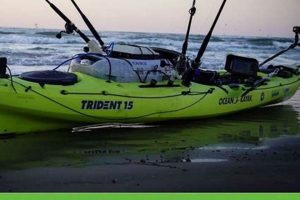
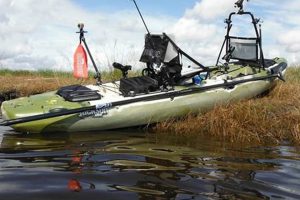
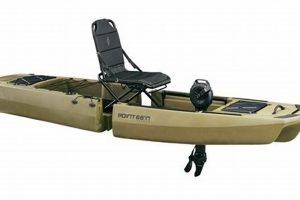
Kayaks designed for angling with ample storage and weight capacity offer anglers the ability to carry more gear, including larger catches, tackle boxes, and even camping equipment for multi-day excursions. These vessels are typically wider and longer than recreational kayaks, providing increased stability and deck space. An example includes a fishing kayak capable of supporting over 500 pounds, accommodating both the angler and significant additional weight.
The enhanced load-bearing capability of these specialized watercraft opens up new possibilities for fishing enthusiasts. Extended trips become feasible, allowing anglers to reach remote fishing grounds and stay on the water longer. Increased stability improves safety and comfort, especially when handling large fish or navigating challenging waters. Historically, anglers were limited by smaller, less stable craft. Advancements in kayak design and materials have led to the development of robust, high-capacity platforms capable of supporting substantial weight, revolutionizing the experience of fishing from a kayak.
This discussion will further explore critical aspects of selecting and utilizing these specialized fishing platforms, covering topics such as hull design, materials, features, and essential accessories. Further sections will delve into specific considerations for different fishing styles and environments.
Tips for Selecting and Utilizing High-Capacity Fishing Kayaks
Choosing and effectively using a kayak designed for fishing with increased weight capacity requires careful consideration of several factors. These tips offer guidance for making informed decisions and maximizing the benefits of these specialized vessels.
Tip 1: Consider Stability: Hull design significantly impacts stability. Wider, flatter hulls offer greater initial stability, beneficial for stand-up fishing or handling large catches. However, they may be slower. A longer hull generally provides better tracking and speed but can be less maneuverable.
Tip 2: Evaluate Weight Capacity: Accurately assess the combined weight of the angler, gear, and potential catch. Choose a kayak with a capacity exceeding this estimated total for optimal safety and performance.
Tip 3: Assess Storage Options: Ample storage is crucial. Consider the types and sizes of gear typically carried. Look for features like dry hatches, tank wells, and rod holders that accommodate specific needs.
Tip 4: Choose Suitable Materials: Polyethylene kayaks offer durability and affordability, while composite materials like fiberglass and carbon fiber provide lighter weight and improved performance but at a higher cost.
Tip 5: Prioritize Comfort: A comfortable seat and adjustable footrests are essential for long hours on the water. Consider features like padded seating, adjustable backrests, and ample legroom.
Tip 6: Factor in Transportation: Consider the kayak’s length and weight when choosing a transportation method. Roof racks, trailers, and even kayak carts can facilitate transport.
Tip 7: Practice Paddling and Maneuvering: Familiarize oneself with the kayak’s handling characteristics before venturing into challenging waters or carrying heavy loads. Practice basic paddling strokes, turning techniques, and self-rescue procedures.
Selecting the right kayak and understanding its capabilities contributes significantly to a successful and enjoyable fishing experience. These tips facilitate informed decisions and promote safe and effective use on the water.
By considering these aspects, anglers can confidently choose a suitable vessel and embark on rewarding fishing adventures.
1. Stability

Stability is a paramount consideration in high-capacity fishing kayaks, directly influencing safety and angling effectiveness. A stable platform provides a secure foundation for casting, reeling, and landing fish, especially crucial when handling larger catches or navigating challenging waters. This section explores key facets contributing to kayak stability.
- Hull Design
Hull design significantly impacts stability. Wider, flatter hulls provide greater initial stability, advantageous for stand-up fishing. However, they can compromise tracking and speed. Conversely, narrower, V-shaped hulls enhance speed and tracking but reduce initial stability. Pontoon hulls offer exceptional stability but may be less maneuverable. Choosing the right hull design requires balancing stability needs with performance preferences.
- Center of Gravity
A lower center of gravity enhances stability. Distributing weight evenly within the kayak, avoiding top-heavy loading, and maintaining a low body position contribute to a lower center of gravity and increased stability. Proper weight distribution becomes especially critical in high-capacity kayaks carrying heavier loads.
- Water Conditions
Calm, flat water generally presents fewer stability challenges. However, kayaks encounter varying water conditions, including chop, waves, and currents. A stable hull design coupled with proper weight distribution helps maintain stability even in challenging environments. Understanding the anticipated water conditions informs appropriate kayak selection.
- Angler Behavior
Angler movements, such as casting, reeling, and retrieving fish, shift the kayak’s center of gravity, impacting stability. Smooth, deliberate movements minimize these shifts. Maintaining a balanced posture, avoiding sudden shifts in weight, and practicing techniques for recovering from destabilizing events further enhances stability.
These facets intertwine to influence the overall stability of a high-capacity fishing kayak. Prioritizing stability ensures angler safety and facilitates effective fishing techniques, maximizing the benefits of these specialized vessels. Choosing a kayak with appropriate stability characteristics for the intended fishing environment and angler behavior is essential for a successful and safe experience.
2. Storage

Storage capacity is a defining feature of high-capacity fishing kayaks, directly impacting their utility and versatility. Ample storage facilitates carrying essential gear, including tackle boxes, rods, safety equipment, and provisions for extended trips. Effective storage solutions maximize available space and ensure organized access to equipment, enhancing angling efficiency and overall experience.
- Types of Storage
High-capacity fishing kayaks offer diverse storage options. Front and rear tank wells accommodate larger items like crates and coolers. Dry hatches provide waterproof compartments for sensitive electronics and personal belongings. Side storage pockets offer quick access to frequently used items like pliers and lures. Specialized compartments, such as rod holders and tackle trays, further enhance organization. The variety of storage solutions caters to diverse angling needs and preferences.
- Accessibility
Easy access to stored gear is essential for maintaining fishing momentum. Well-placed hatches, readily accessible compartments, and strategically positioned rod holders streamline gear retrieval and minimize disruption during angling activities. Convenient access to essential items maximizes fishing time and efficiency.
- Weight Distribution
Proper weight distribution within storage compartments influences kayak stability and performance. Distributing weight evenly throughout the kayak, avoiding concentration in a single area, maintains balance and prevents tipping. Considerate weight distribution enhances stability and maneuverability, especially critical in heavily loaded kayaks.
- Security
Secure storage prevents gear loss and damage. Bungee cords, tie-down straps, and latches secure items within compartments, minimizing movement during transit and protecting against accidental loss overboard. Secure storage safeguards valuable equipment and ensures gear remains readily available throughout the fishing trip.
Strategic storage solutions are integral to the functionality and effectiveness of high-capacity fishing kayaks. Ample, accessible, and secure storage empowers anglers to carry essential gear, maximize fishing time, and enhance the overall angling experience. Careful consideration of storage options contributes significantly to successful and rewarding fishing excursions.
3. Durability

Durability is a critical factor in high-capacity fishing kayaks, determining their longevity and resilience against harsh conditions. These kayaks often navigate challenging environments, including rocky shorelines, submerged debris, and varying weather conditions. A robust construction ensures the vessel withstands impacts, abrasions, and UV exposure, maintaining its structural integrity and performance over time. This section explores key facets contributing to kayak durability.
- Material Selection
The choice of material significantly impacts a kayak’s durability. Polyethylene kayaks are widely favored for their impact resistance and affordability, though they can be heavier. Higher-end kayaks utilize composite materials like fiberglass or carbon fiber, offering superior strength-to-weight ratios but at a higher cost. Thermoformed ABS plastic provides a balance of durability and weight, representing a mid-range option. The chosen material directly influences the kayak’s ability to withstand impacts and abrasion.
- Construction Methods
Construction methods influence the kayak’s structural integrity. Rotomolded kayaks, common in polyethylene construction, offer uniform thickness and excellent impact resistance. Composite kayaks often employ layered construction techniques, combining different materials for optimized strength and stiffness. Joint construction and sealing techniques also play a crucial role in preventing leaks and ensuring long-term watertightness. Robust construction methods contribute significantly to a kayak’s overall durability.
- UV Resistance
Exposure to sunlight can degrade kayak materials over time, leading to fading, brittleness, and reduced structural integrity. UV-resistant coatings and additives protect against sun damage, prolonging the kayak’s lifespan and maintaining its aesthetic appeal. Proper storage practices, such as covering the kayak when not in use, further minimize UV exposure. Protecting against UV degradation is crucial for preserving the kayak’s structural integrity and appearance.
- Hardware and Fittings
Durable hardware and fittings are essential for maintaining the kayak’s functionality and structural integrity. Corrosion-resistant materials like stainless steel or marine-grade aluminum prevent rust and degradation in saltwater environments. Reinforced attachment points and robust hardware ensure long-term performance and reliability. High-quality hardware and fittings contribute to the kayak’s overall durability and resistance to wear and tear.
Durability ensures a high-capacity fishing kayak withstands the rigors of regular use and challenging environments, providing years of reliable service. Selecting a kayak constructed with durable materials, employing robust construction methods, and incorporating UV-resistant features ensures long-term performance and value. These considerations are paramount for anglers seeking a reliable and resilient vessel for extended fishing adventures.
4. Weight Capacity
Weight capacity is a fundamental characteristic of high-capacity fishing kayaks, directly dictating the total load the vessel can safely carry. This includes the combined weight of the angler, gear, and any potential catch. Understanding weight capacity is crucial for safe operation and optimal performance, preventing overloading and ensuring stability on the water. This section explores key facets of weight capacity as it relates to high-capacity fishing kayaks.
- Maximum Load Limit
Every kayak has a specified maximum load limit, representing the total weight it can safely support. Exceeding this limit compromises stability, increases the risk of capsizing, and can potentially damage the kayak’s structure. For example, a kayak with a 500-pound weight capacity can safely carry an angler weighing 200 pounds, along with 300 pounds of gear and fish. Respecting the maximum load limit is paramount for safe and responsible kayak operation.
- Performance Impact
Weight capacity influences kayak performance. A kayak loaded near its maximum capacity will sit lower in the water, increasing drag and reducing speed and maneuverability. Conversely, a lightly loaded kayak will ride higher, offering improved speed and agility. Understanding the relationship between load and performance allows anglers to optimize their experience based on anticipated conditions and fishing style.
- Stability Considerations
Weight distribution plays a critical role in stability, especially as the kayak approaches its maximum load limit. Uneven weight distribution can create instability, increasing the risk of tipping. Distributing weight evenly throughout the kayak, particularly in high-capacity models carrying heavier loads, is crucial for maintaining balance and stability. Proper weight distribution is essential for safe and effective operation.
- Legal and Safety Regulations
Some regions have regulations regarding kayak weight capacity and the number of passengers. Adhering to these regulations ensures legal compliance and promotes safe boating practices. Additionally, safety organizations often provide guidelines for safe kayak loading and weight distribution. Familiarizing oneself with relevant regulations and safety recommendations enhances responsible kayak operation.
Weight capacity is a critical consideration when selecting and utilizing a high-capacity fishing kayak. Understanding the maximum load limit, the impact of load on performance, and the importance of proper weight distribution ensures safe and effective operation. Adhering to established regulations and safety guidelines further contributes to responsible and enjoyable kayaking experiences. By carefully considering weight capacity and its related factors, anglers can maximize the utility and enjoyment of their high-capacity fishing kayak while prioritizing safety on the water.
5. Maneuverability

Maneuverability in a high-capacity fishing kayak significantly impacts its effectiveness on the water. These kayaks, designed for stability and load-bearing, often possess larger dimensions and heavier weights compared to recreational kayaks. This can influence turning radius, responsiveness to paddle strokes, and overall agility. Consider a scenario where an angler in a high-capacity kayak encounters a submerged log or needs to quickly reposition for a promising fishing spot. A kayak with greater maneuverability allows for efficient navigation around obstacles and swift adjustments in position, maximizing fishing opportunities and ensuring angler safety. Conversely, a less maneuverable kayak might require more effort and time to execute turns, potentially hindering access to prime fishing locations or presenting challenges in navigating tight spaces.
Several factors contribute to maneuverability. Hull design plays a crucial role. Shorter kayaks generally offer enhanced maneuverability, enabling tighter turns in confined areas. However, shorter lengths can compromise tracking and stability in open water or rough conditions. Longer kayaks, while offering better tracking, typically require wider turning arcs. Features like rudders or skegs can improve tracking and course correction, particularly in windy conditions or strong currents, enhancing overall maneuverability. Paddle choice also influences performance. Longer paddles provide greater leverage and more efficient propulsion, contributing to maneuverability, while shorter paddles might be preferred for quicker, more precise strokes in tight spaces. The combined influence of hull design, added features, and paddling technique dictates a kayak’s overall maneuverability.
Understanding the relationship between maneuverability and high-capacity fishing kayaks allows anglers to make informed decisions based on their fishing style and environment. Anglers frequently fishing in tight quarters, such as mangrove forests or narrow creeks, prioritize maneuverability for navigating complex waterways. Those fishing in open water or larger lakes might prioritize tracking and stability over tight turning radii. Balancing maneuverability with other key factors like stability and load capacity is crucial for selecting a kayak that effectively meets specific angling needs. Ultimately, the optimal balance of these attributes contributes to a more efficient, enjoyable, and safe fishing experience.
6. Comfort
Comfort is a critical factor influencing the overall enjoyment and effectiveness of extended fishing trips in a high-capacity kayak. These kayaks, often used for multi-day excursions or prolonged periods on the water, require careful consideration of comfort features to minimize fatigue and maximize angling focus. An uncomfortable seating position or inadequate back support can detract from the fishing experience, leading to discomfort, reduced concentration, and potentially even physical strain. Conversely, a comfortable and supportive seating arrangement allows anglers to maintain focus and energy throughout the day, enhancing enjoyment and overall fishing success. This section explores key facets contributing to comfort in high-capacity fishing kayaks.
- Seat Design
Seat design plays a pivotal role in overall comfort. Features like adjustable backrests, lumbar support, and padded cushions contribute to a comfortable and supportive seating position. High-back seats offer greater support for extended periods, while adjustable designs accommodate varying body types and preferences. A well-designed seat minimizes pressure points and reduces fatigue, allowing anglers to remain comfortable throughout their fishing trip.
- Legroom and Footrests
Adequate legroom and adjustable footrests are essential for maintaining a comfortable and stable posture. Sufficient legroom allows anglers to shift position and avoid cramping during long hours on the water. Adjustable footrests accommodate varying leg lengths and provide a solid base for paddling and bracing, enhancing both comfort and control. Proper legroom and footrest placement contribute to a more ergonomic and less fatiguing paddling experience.
- Deck Space and Layout
Ample deck space and a well-designed layout contribute to overall comfort and convenience. Sufficient deck space allows for easy movement and access to gear, minimizing awkward reaches and contortions. A well-organized layout with strategically placed storage compartments and rod holders keeps essential items within easy reach, promoting efficient angling and reducing clutter. A spacious and well-organized deck enhances comfort and promotes efficient use of space.
- Stability and Handling
A stable and predictable kayak enhances comfort by providing a secure and confidence-inspiring platform. Kayaks with good tracking and minimal rocking motion reduce fatigue and anxiety, allowing anglers to focus on fishing rather than maintaining balance. Responsive handling characteristics further enhance comfort by minimizing effort required for maneuvering and positioning the kayak. A stable and easily maneuverable kayak promotes a relaxed and enjoyable fishing experience.
Comfort features significantly enhance the overall experience of fishing from a high-capacity kayak. A comfortable and supportive seating arrangement, ample legroom, a well-designed deck layout, and stable handling characteristics contribute to reduced fatigue, increased focus, and enhanced enjoyment on the water. Prioritizing comfort features enables anglers to fully appreciate the benefits of these specialized kayaks, maximizing their time on the water and enhancing their overall fishing success.
Frequently Asked Questions
This section addresses common inquiries regarding kayaks designed for fishing with enhanced weight capacity, offering clarity on key aspects and considerations.
Question 1: How is weight capacity determined, and what factors influence it?
Weight capacity is determined by the manufacturer through testing and calculations based on the kayak’s dimensions, hull design, and materials. Factors influencing weight capacity include hull volume, material strength, and overall structural integrity. Exceeding the specified weight capacity compromises stability and can lead to capsizing.
Question 2: What are the advantages of a higher weight capacity for fishing kayaks?
A higher weight capacity allows for carrying more gear, larger catches, and potentially additional passengers. This is particularly advantageous for longer fishing trips, heavier anglers, or those requiring specialized equipment like fish finders or coolers.
Question 3: Does a higher weight capacity compromise maneuverability or speed?
While increased weight capacity can sometimes influence maneuverability and speed, it doesn’t necessarily equate to a less agile kayak. Hull design plays a more significant role. Well-designed high-capacity kayaks can maintain excellent maneuverability and speed despite their increased load-bearing capabilities.
Question 4: How does one choose the appropriate weight capacity for individual needs?
Calculate the combined weight of the angler, all intended gear (including rods, tackle, and safety equipment), and the estimated weight of potential catches. Choose a kayak with a weight capacity exceeding this combined total for optimal safety and performance margin.
Question 5: Are there specific maintenance considerations for high-capacity fishing kayaks?
Maintenance requirements are generally similar to those for other kayaks, including regular cleaning, inspection for damage, and proper storage. However, given the potential for heavier loads, pay particular attention to wear and tear on hull seams, hatches, and hardware.
Question 6: What safety precautions should one take when using a high-capacity fishing kayak?
Always wear a personal flotation device (PFD). Distribute weight evenly within the kayak to maintain stability. Avoid exceeding the specified weight capacity. Check weather conditions before embarking, and inform someone of the planned fishing location and return time.
Understanding these key aspects of high-capacity fishing kayaks ensures informed decision-making and promotes safe and enjoyable angling experiences.
The next section will explore specific models and brands available in the market, providing a comparative analysis of features and performance characteristics.
High-Capacity Fishing Kayaks
This exploration of high-capacity fishing kayaks has highlighted their specialized design and utility for anglers seeking enhanced load-bearing capabilities. Key aspects discussed include the importance of stability for safe handling and angling effectiveness, the significance of ample and accessible storage for gear and catches, and the critical role of durability in withstanding demanding fishing environments. Weight capacity, a defining characteristic of these kayaks, dictates safe load limits and influences performance. Maneuverability considerations impact navigation in various water conditions, while comfort features contribute significantly to overall enjoyment during extended fishing trips. Understanding these interconnected aspects empowers informed decision-making when selecting a kayak suited to individual angler needs and preferences.
High-capacity fishing kayaks represent a significant advancement in angling technology, offering expanded possibilities for extended trips, increased gear capacity, and enhanced on-the-water experiences. Careful consideration of the factors discussed herein ensures selection of a vessel optimized for individual needs and contributes to safe, efficient, and rewarding fishing adventures. As kayak design and technology continue to evolve, these specialized platforms will undoubtedly play an increasingly prominent role in the future of angling, empowering anglers to explore new waters and pursue their passion with enhanced capability and comfort.