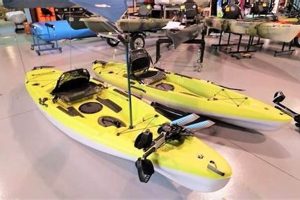
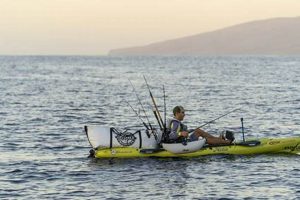
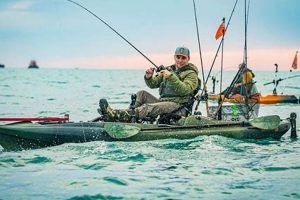
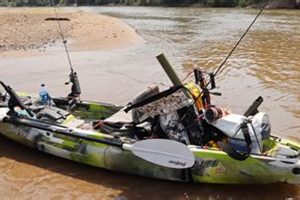
Shallow-water angling from a small, human-powered vessel offers a unique approach to pursuing species like bonefish, redfish, permit, and tarpon. This method typically involves navigating calm, shallow coastal waters, often less than a meter deep, seeking out fish in their natural habitat. Anglers utilize specialized equipment, including shallow-draft kayaks and lightweight tackle, to effectively target these elusive fish.
This specialized angling approach provides a stealthy and immersive experience, allowing close proximity to fish and the surrounding ecosystem. The low profile of the vessel minimizes disturbance to the shallow environment, increasing the likelihood of successful sight fishing. Historically, accessing these shallow areas was challenging, but the increasing popularity and accessibility of kayaks has opened this unique fishery to a wider audience. This growing interest also underscores the importance of responsible angling practices to preserve these fragile environments.
Further exploration of this topic will delve into the specific equipment, techniques, locations, and conservation considerations crucial for successful and sustainable shallow-water kayak angling. This includes detailed discussions of kayak selection, paddle choices, fishing tackle and rigging, species-specific tactics, and the importance of catch-and-release practices.
Tips for Shallow Water Kayak Angling
Successful shallow-water kayak angling requires careful planning and execution. These tips offer valuable insights for maximizing success and minimizing environmental impact.
Tip 1: Prioritize Stability and Draft: Kayak selection is paramount. A stable platform, particularly in shallow waters, is essential for safe and effective casting. A shallow draft allows navigation in extremely shallow areas where target species often reside.
Tip 2: Utilize Specialized Paddles: Short, lightweight paddles designed for shallow-water use minimize disturbance and allow for quick, quiet maneuvering. Consider a push-pole for silent propulsion in extremely shallow areas.
Tip 3: Employ Light Tackle and Appropriate Rigging: Lightweight rods, reels, and lines are crucial for presenting lures and flies delicately to wary fish. Rigging should be adapted to the specific target species and the environment.
Tip 4: Master Sight Fishing Techniques: Polarised sunglasses are indispensable for spotting fish in shallow water. Learning to read the subtle signs of fish behavior, such as tailing or mudding, significantly improves success rates.
Tip 5: Practice Stealth and Minimize Disturbance: Quiet paddling and minimal movement are key to avoiding spooking fish in the shallows. Approach target areas slowly and cautiously.
Tip 6: Emphasize Catch and Release Practices: Proper handling and release techniques are vital for conserving these valuable fish populations. Minimize handling time and use appropriate tools for hook removal.
Tip 7: Understand Tidal Influences: Tides play a crucial role in fish behavior and movement in shallow-water environments. Planning fishing trips around optimal tide levels maximizes opportunities.
Tip 8: Respect the Environment: Shallow-water ecosystems are fragile. Avoid disturbing sensitive habitats, such as seagrass beds, and properly dispose of all fishing line and other debris.
Adhering to these guidelines enhances angling success while promoting responsible stewardship of these unique and valuable ecosystems.
The following section will offer concluding remarks on the overall significance of responsible shallow-water kayak angling.
1. Stealthy Approach

A stealthy approach is paramount in flats kayak fishing, directly influencing angling success. Shallow-water environments often hold wary fish easily spooked by disturbances. Minimizing noise, visual presence, and water disruption is essential for approaching target species without detection.
- Quiet Propulsion:
Paddle strokes and kayak movement create noise and pressure waves that transmit through the water, potentially alerting fish. Smooth, deliberate paddling techniques, the use of specialized paddles designed for quiet operation, and drifting or poling in extremely shallow water minimize these disturbances, increasing the chances of a successful approach.
- Low Profile and Camouflage:
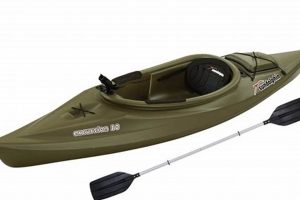
Kayaks offer a naturally low profile, presenting less of a visual disturbance than larger vessels. Choosing kayaks with muted colors that blend with the surrounding environment, such as greens, browns, or blues, further reduces visibility. Anglers can also utilize camouflage clothing and gear to minimize their visual impact and blend seamlessly into the background.
- Approach Angle and Water Depth:
Approaching fish from upwind or up-current allows natural sounds and movements to carry away from the target area, reducing the likelihood of detection. Maintaining a safe depth and avoiding grounding the kayak minimizes noise and water disturbance, preserving the stealthy approach.
- Minimizing Movement and Noise:
Sudden movements and extraneous noises can easily spook fish in shallow water. Maintaining a low center of gravity, avoiding abrupt shifts in weight, and minimizing gear clatter are crucial for preserving a stealthy presence. Quick, silent movements are essential when preparing to cast or retrieve a line.
These interconnected elements of a stealthy approach contribute significantly to angling success in flats kayak fishing. Mastering these techniques allows anglers to effectively target wary fish in shallow environments, maximizing opportunities for a rewarding and sustainable fishing experience.
2. Shallow Draft Vessels

Shallow draft vessels are integral to the effectiveness of flats kayak fishing. The minimal depth these vessels require allows access to shallow, often inaccessible areas favored by target species such as bonefish, redfish, and permit. These fish frequent shallow flats, sometimes mere inches deep, foraging for crustaceans and small fish. A conventional boat, with its deeper draft, would be restricted from navigating these productive areas, limiting angling opportunities. Kayaks designed specifically for flats fishing, often featuring a hull design that maximizes stability while minimizing draft, grant access to these otherwise unreachable zones.
The advantage of a shallow draft extends beyond mere access. It also minimizes disturbance to the environment. A deeper draft vessel displaces more water, creating pressure waves and disturbing bottom sediments, which can spook fish and disrupt feeding patterns. The minimal displacement of a shallow-draft kayak allows for a quieter, less intrusive approach, increasing the likelihood of encountering fish in their natural, undisturbed state. For example, in the Florida Keys, anglers utilize shallow-draft kayaks to navigate the intricate network of shallow flats and mangrove creeks, silently pursuing bonefish as they tail in the shallows.
Understanding the critical relationship between shallow draft vessels and flats kayak fishing is crucial for maximizing success and minimizing environmental impact. Selecting a kayak specifically designed for shallow-water fishing, considering factors like hull design and weight capacity, is essential. This conscious choice allows anglers to effectively access prime fishing locations, minimize disturbance to the sensitive ecosystem, and ultimately enjoy a more productive and sustainable fishing experience. The ability to operate in extremely shallow water is a defining characteristic of flats kayak fishing, enabling an intimate connection with the environment and the target species.
3. Specialized Fishing Gear
Specialized fishing gear plays a crucial role in the effectiveness and enjoyment of flats kayak fishing. The unique demands of this fishing style, characterized by shallow water, sight fishing, and specific target species, necessitate tailored equipment for optimal performance. Understanding the nuances of this specialized gear is essential for a successful and rewarding experience.
- Rods and Reels:
Lightweight, fast-action rods, typically 7-8 feet in length, are ideal for making accurate casts with lighter lures and flies commonly used in flats fishing. Reels should be corrosion-resistant and balanced to the rod, with a smooth drag system capable of handling hard-fighting fish like bonefish or permit. A reel with a sealed drag system is especially beneficial in saltwater environments. For example, a 7-weight fly rod paired with a saltwater fly reel is a common choice for targeting bonefish.
- Lines and Leaders:
Weight-forward floating fly lines or braided lines with low visibility are preferred for flats fishing. These lines facilitate accurate casts and minimize disturbance on the water’s surface. Fluorocarbon leaders, due to their low refractive index, are nearly invisible underwater, increasing the chances of enticing wary fish. Tapered leaders are often employed to improve presentation and turnover of flies or light lures. For example, a 9-foot tapered leader is a common choice for bonefish fishing.
- Flies and Lures:
Small, shrimp-like flies or lures that mimic the natural prey of target species are highly effective. These often include patterns like Clouser Minnows, Gotchas, and various crab imitations. Weedless hooks are often preferred to prevent snagging in vegetated areas. Selecting the appropriate fly or lure size and color depends on water clarity, light conditions, and target species.
- Other Essential Gear:
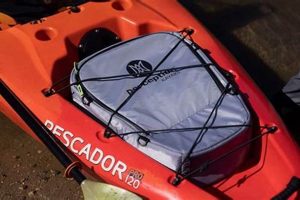
Polarized sunglasses are indispensable for spotting fish in shallow water, cutting through glare and revealing subtle movements and shapes. A wading staff provides stability when navigating shallow flats and can also be used to probe the bottom for deeper channels or potholes. A quality landing net helps secure landed fish quickly and minimizes handling stress. Finally, a well-equipped tackle box or bag organized with essential tools, flies, lures, and accessories is crucial for efficient tackle management.
The synergy between specialized fishing gear and the unique environment of flats kayak fishing contributes significantly to angling success. Selecting appropriate rods, reels, lines, leaders, flies, and other essential accessories enhances casting accuracy, presentation, and the ability to effectively target specific species. Understanding the function and purpose of each piece of equipment allows anglers to maximize their potential in the challenging yet rewarding realm of flats kayak fishing.
4. Understanding Tidal Flows

Tidal flows are fundamental to successful flats kayak fishing. Tides dictate water depth, current strength, and fish movement within the shallow ecosystems targeted by this angling style. Comprehending tidal influences is crucial for optimizing fishing locations, predicting fish behavior, and navigating safely. For instance, bonefish, a prized target species in flats fishing, often follow rising tides onto shallow flats to feed, concentrating their presence in predictable locations accessible to kayak anglers. Conversely, falling tides can concentrate fish in deeper channels or cause them to move off the flats entirely. Ignoring tidal data can lead anglers to unproductive areas or create hazardous navigating conditions in rapidly shallowing water.
Tidal currents influence not only fish movement but also lure or fly presentation. A strong incoming tide can make it challenging to present a fly naturally, requiring adjustments in casting technique and retrieve speed. Understanding current direction allows anglers to position their kayaks strategically, minimizing drag and maximizing presentation time. For example, fishing a channel edge during an outgoing tide allows anglers to present lures or flies naturally to fish moving with the current. Furthermore, tides affect water clarity. Incoming tides can bring clearer water onto the flats, improving visibility for sight fishing, while outgoing tides can stir up sediment, reducing visibility and making fish spotting more challenging.
Effectively integrating tidal knowledge into flats kayak fishing strategies requires consulting tide charts specific to the fishing location. These resources provide detailed information on high and low tide times, current direction, and water level fluctuations. Planning fishing trips around optimal tidal stages maximizes opportunities for encountering target species and enhances the overall fishing experience. Furthermore, understanding tidal flows contributes to angler safety. Navigating shallow flats during a rapidly falling tide can lead to grounding or becoming stranded. Awareness of tidal changes allows for proactive adjustments in fishing locations and ensures safe passage back to deeper water. In summary, understanding tidal flows is inextricably linked to successful and safe flats kayak fishing, enabling anglers to optimize their time on the water, enhance fishing effectiveness, and navigate the dynamic shallow-water environment responsibly.
5. Respecting Fragile Ecosystems

Shallow-water environments, crucial habitats for numerous fish species, are inherently fragile. Flats kayak fishing, offering unique access to these areas, necessitates a deep understanding of the potential impacts of human activity and a commitment to responsible angling practices. Preserving these ecosystems ensures the long-term health of fish populations and the sustainability of the fishery.
- Minimizing Disturbance to Habitats:
Seagrass beds, mangrove forests, and shallow sand flats are vital components of shallow-water ecosystems. These habitats provide shelter, foraging grounds, and nursery areas for numerous fish species. Kayak anglers must avoid traversing these sensitive areas, particularly during vulnerable periods like spawning seasons. Dragging kayaks across seagrass beds or disturbing shallow sand flats damages vegetation and disrupts the delicate balance of these habitats. Opting for deeper channels or using a push pole for propulsion minimizes physical impact. For example, in areas with extensive seagrass beds, careful route planning and utilizing marked channels protects these critical habitats from damage caused by kayak hulls and paddles.
- Responsible Anchoring Practices:
Anchoring in shallow-water environments requires careful consideration. Traditional anchors can damage seagrass beds and coral reefs. Utilizing environmentally friendly anchoring systems, such as stake-out poles or shallow-water anchors designed to minimize bottom contact, reduces potential harm. Avoiding anchoring in sensitive habitats altogether is the preferred approach. For example, using a stake-out pole in sandy areas allows anglers to secure their kayak without damaging sensitive seagrass or coral structures.
- Proper Waste Disposal:
Discarded fishing line, hooks, and other debris pose significant threats to wildlife and water quality. Monofilament fishing line can entangle birds, turtles, and fish, causing injury or death. Responsible anglers carry all trash and discarded fishing gear back to shore for proper disposal. Participating in local cleanup efforts further contributes to maintaining healthy ecosystems. For example, carrying a small mesh bag or dedicated container on the kayak allows for easy collection and removal of discarded fishing line and other debris encountered during the fishing trip.
- Catch and Release Best Practices:
Practicing catch and release minimizes stress on fish populations and helps maintain healthy ecosystems. Utilizing appropriate handling techniques, minimizing air exposure, and using barbless hooks reduces the risk of injury and promotes successful release. Supporting fish horizontally during revival and avoiding contact with gills maximizes the chances of survival after release. Educating oneself on species-specific handling guidelines further ensures best practices. For example, promptly removing hooks from a landed bonefish and keeping it submerged in the water while removing the hook minimizes stress and promotes a healthy release.
Respecting these fragile ecosystems is integral to the ethos of flats kayak fishing. Adhering to responsible angling practices safeguards the long-term health of these valuable environments, ensuring the sustainability of the fishery for future generations. The interconnectedness of human actions and environmental well-being underscores the importance of conservation within this specialized angling pursuit.
6. Accurate Fish Spotting
Accurate fish spotting is paramount to success in flats kayak fishing. This specialized angling style relies heavily on sight fishing, where anglers visually locate fish before casting. The shallow, clear water of flats environments offers the potential for exceptional visibility, but effectively leveraging this advantage requires keen observation skills and a nuanced understanding of fish behavior and habitat. The ability to differentiate subtle movements, color variations, and underwater shadows significantly impacts angling success. For example, spotting the subtle tail of a bonefish waving above the water’s surface, a behavior known as “tailing,” signals a feeding fish and presents a prime opportunity for a precise cast. Missing these subtle cues significantly reduces the chances of hooking a fish.
Several factors influence accurate fish spotting. High-quality polarized sunglasses are essential for reducing glare and enhancing visibility beneath the water’s surface. Understanding the preferred habitat of target species, such as the sandy potholes where bonefish often forage or the edges of mangrove shorelines where redfish patrol, directs an angler’s gaze to the most productive areas. Light conditions also play a crucial role. Spotting fish is easier on sunny days with good light penetration, while overcast conditions or changing tides can create challenges. Experience and practice hone these skills, enabling anglers to distinguish subtle signs of fish presence from the background environment. For example, recognizing the subtle push of water created by a permit finning across a shallow flat allows experienced anglers to anticipate the fish’s movement and prepare for a cast.
The connection between accurate fish spotting and flats kayak fishing extends beyond simply locating fish. Precise spotting informs strategic angling decisions. Understanding the fish’s position, orientation, and behavior dictates lure selection, casting angle, and retrieval technique. A well-placed cast delivered with precision based on accurate observation maximizes the chances of enticing a strike. Furthermore, accurate spotting contributes to ethical angling. By precisely identifying the target species before casting, anglers avoid unintentional catches of non-target species or undersized fish, promoting conservation. In conclusion, accurate fish spotting is integral to the essence of flats kayak fishing, enabling anglers to locate fish effectively, make informed decisions, and engage in responsible angling practices within these unique and fragile environments.
7. Proper Handling Techniques
Proper handling techniques are essential for ensuring the health and survival of fish caught in flats kayak fishing. This specialized angling method often targets species inhabiting shallow, fragile environments, making careful handling crucial for minimizing stress and maximizing post-release survival rates. Implementing appropriate techniques demonstrates respect for the resource and contributes to the long-term sustainability of the fishery.
- Minimizing Air Exposure:
Air exposure can damage delicate gill filaments and disrupt the fish’s respiratory processes, particularly in species adapted to oxygen-rich shallow waters. Keeping the fish submerged as much as possible during hook removal and handling is critical. Supporting the fish horizontally in the water reduces stress and facilitates recovery. For example, when removing a hook from a bonefish, anglers should keep the fish submerged and support its body weight while working quickly to detach the hook.
- Using Appropriate Tools:
Specialized tools, such as dehookers with long handles and blunt tips, allow for efficient hook removal without excessive handling or causing injury to the fish. Needle-nose pliers can also be useful for removing deeply embedded hooks. Using wet hands or gloves further minimizes damage to the fish’s protective slime coat. For example, employing a dehooker designed for shallow-water fishing allows quick and efficient hook removal, minimizing the time the fish is out of the water.
- Supporting the Fish’s Body:
Larger fish, such as tarpon or permit, often require additional support during handling. Cradle the fish’s body horizontally, supporting its weight evenly to prevent injury. Avoid squeezing or putting pressure on vital organs. For example, when handling a large tarpon, supporting its body weight both in the water and during a brief photo opportunity minimizes stress and facilitates a successful release.
- Reviving Exhausted Fish:
Hard-fighting fish may become exhausted during the capture process. Gently moving the fish back and forth in the water allows oxygenated water to flow over its gills, aiding recovery. This process should continue until the fish exhibits signs of revived strength and swims away on its own. For example, reviving an exhausted bonefish by gently moving it forward and backward in the water allows it to regain strength before being released.
These handling techniques, integrated into the practice of flats kayak fishing, demonstrate a commitment to conservation and responsible angling. Minimizing stress during the catch-and-release process contributes to the long-term health of fish populations and the sustainability of the fishery. Respectful handling practices are essential for preserving the delicate balance of shallow-water ecosystems and ensuring future generations can enjoy the unique experience of flats kayak fishing.
Frequently Asked Questions
This section addresses common inquiries regarding shallow-water kayak angling, providing concise and informative responses.
Question 1: What are the primary target species in this fishing style?
Targeted species often include bonefish, redfish, permit, tarpon, snook, and speckled trout, depending on the specific location and ecosystem.
Question 2: What type of kayak is best suited for this activity?
Kayaks designed specifically for shallow-water fishing, characterized by a shallow draft, stability, and ample storage for gear, are recommended. Sit-on-top kayaks are generally preferred for their ease of entry and exit in shallow water.
Question 3: Is specialized fishing equipment required?
While standard fishing equipment can be adapted, specialized gear, including lightweight rods, saltwater reels, and appropriate lines and leaders, significantly enhances effectiveness.
Question 4: What role do tides play in this fishing style?
Tides significantly influence fish behavior and movement in shallow-water environments. Understanding tidal flows is essential for selecting optimal fishing locations and times.
Question 5: Are there specific regulations or licensing requirements?
Anglers should consult local regulations regarding fishing licenses, catch limits, and permitted fishing areas. Regulations vary depending on the location and target species.
Question 6: What conservation practices are recommended?
Minimizing environmental impact is crucial. Recommended practices include catch-and-release fishing, avoiding sensitive habitats like seagrass beds, and proper disposal of all fishing line and debris.
Understanding these fundamental aspects contributes to a more informed and successful shallow-water kayak angling experience. Prioritizing conservation ensures the long-term health of these valuable ecosystems.
The subsequent section will provide a concluding overview of the discussed elements of shallow-water kayak angling.
Flats Kayak Fishing
Shallow-water kayak angling offers a unique and rewarding pursuit, demanding specialized knowledge, skills, and equipment. From understanding tidal influences and fish behavior to selecting appropriate kayaks and fishing gear, each element contributes to a successful and sustainable experience. Prioritizing stealth, respecting fragile ecosystems, and employing proper handling techniques are crucial for minimizing environmental impact and ensuring the long-term health of these valuable fisheries. Accurate fish spotting, honed through practice and observation, unlocks the potential of sight fishing in these shallow, clear-water environments.
The continued growth and popularity of shallow-water kayak angling underscore the need for responsible stewardship. A deep understanding of the interconnectedness between angler actions and ecosystem health is essential for preserving these unique and valuable resources for future generations. The challenge and reward of this specialized pursuit lie not only in the pursuit of prized gamefish but also in the commitment to conservation and the preservation of the delicate balance within these shallow-water environments.