A kayak crafted from wood, specifically designed for angling, offers a unique blend of traditional craftsmanship and functionality. These vessels typically incorporate features like rod holders, storage compartments for tackle, and comfortable seating arrangements tailored for extended fishing trips. Imagine a sleek, handcrafted vessel gliding silently through the water, allowing an angler to approach fish undisturbed.
The use of natural materials in watercraft construction dates back centuries. Such vessels offer a distinct aesthetic appeal and often provide a quieter, more connected experience on the water compared to their modern counterparts. This connection to nature, combined with the inherent stability and durability of a well-built wooden hull, makes them a desirable choice for many anglers seeking a more traditional and rewarding fishing experience. Furthermore, the customization options inherent in hand-built construction allow for a tailored fit to individual fishing styles and preferences.
This exploration will delve further into the specifics of constructing, maintaining, and utilizing these specialized watercraft. Topics covered will include various wood types suitable for marine environments, construction techniques, essential maintenance practices, and recommended fishing gear for maximizing success on the water.
Tips for Handcrafted Kayak Angling
Successful angling from a handcrafted watercraft requires careful consideration of various factors, from vessel maintenance to fishing techniques. The following tips offer guidance for maximizing one’s experience.
Tip 1: Regular Maintenance is Crucial: Wood requires specific care to maintain its integrity in a marine environment. Regular oiling and varnishing protect against moisture damage and rot. Inspecting and addressing any cracks or damage promptly is vital.
Tip 2: Proper Storage is Essential: Storing the vessel in a covered area, away from direct sunlight and extreme temperatures, extends its lifespan. Supporting the hull evenly prevents warping.
Tip 3: Choose Appropriate Paddles: Paddle selection impacts performance and efficiency. Lighter paddles reduce fatigue during long trips, while the blade shape influences maneuverability.
Tip 4: Consider Weight Distribution: Proper weight distribution ensures stability. Gear should be distributed evenly and securely fastened to prevent shifting during movement.
Tip 5: Practice Essential Safety Measures: Wearing a personal flotation device is paramount. Carrying a communication device and informing someone of fishing plans enhances safety.
Tip 6: Employ Stealth Techniques: The quiet nature of these watercraft allows anglers to approach fish with minimal disturbance. Smooth, deliberate movements and minimizing noise enhance stealth.
Tip 7: Select Appropriate Fishing Gear: Rods, reels, and tackle should be chosen based on the target species and fishing environment. Keeping gear organized and accessible maximizes efficiency.
Adhering to these guidelines ensures not only a more productive fishing experience but also preserves the longevity of the handcrafted vessel, allowing for years of enjoyment on the water.
By incorporating these tips into angling practices, one can fully appreciate the unique benefits and rewards offered by these specialized craft.
1. Material Selection (Wood Types)

Material selection is paramount in crafting a functional and durable fishing kayak. The chosen wood significantly impacts the vessel’s performance, longevity, and maintenance requirements. Different species offer varying degrees of rot resistance, weight, workability, and aesthetic appeal. Choosing an appropriate wood type directly influences the kayak’s ability to withstand the rigors of the marine environment and the demands of angling. For instance, Western Red Cedar, known for its natural resistance to decay and lightweight properties, is a popular choice. Alternatively, denser woods like Mahogany offer exceptional durability and a rich finish but require more effort to shape.
The inherent properties of each wood species present specific advantages and disadvantages. A lighter wood contributes to easier portability and maneuverability, crucial for navigating shallow waters and transporting the kayak. However, lighter woods may be less resistant to impact damage. Denser, more durable woods offer increased resilience against punctures and collisions but result in a heavier craft. Striking a balance between weight, durability, and workability is essential. Consider the intended use environment; a kayak intended for calmer waters might prioritize lighter weight, while one designed for rocky coastlines necessitates increased durability.
Careful consideration of wood type is therefore fundamental to the overall success of the build. Choosing a wood solely for its aesthetic appeal without considering its structural properties can lead to premature deterioration or inadequate performance. Understanding the properties of various wood species empowers builders to make informed decisions, resulting in a craft tailored to specific needs and conditions. Selecting appropriate marine-grade epoxy and finishes further enhances the wood’s natural resistance to water damage, extending the kayak’s lifespan. This understanding allows for a more informed choice, optimizing the kayak’s performance and ensuring a rewarding experience on the water.
2. Construction Techniques

Construction techniques employed in building a wooden fishing kayak directly influence its structural integrity, performance, and longevity. The chosen method dictates the vessel’s ability to withstand stresses exerted by water pressure, paddling forces, and environmental factors. Several traditional and modern techniques exist, each with its own advantages and disadvantages. Stitch-and-glue, for example, utilizes thin plywood panels stitched together and subsequently reinforced with fiberglass and epoxy, offering a balance between ease of construction and durability. Strip-building, conversely, involves edge-gluing thin strips of wood to form a hull, allowing for intricate designs and a more traditional aesthetic, but often requires a higher level of skill and precision.
The selected construction technique impacts the kayak’s overall weight, stiffness, and resistance to damage. Stitch-and-glue kayaks tend to be lighter and easier to repair but may lack the stiffness and elegant lines of a strip-built vessel. A strip-built kayak, while potentially more aesthetically pleasing and offering greater design flexibility, necessitates meticulous attention to detail and careful wood selection to ensure a watertight and durable hull. Furthermore, the choice of joinery methods, whether it be epoxy fillets, mechanical fasteners, or traditional mortise and tenon joints, plays a crucial role in determining the vessels structural integrity and resistance to wear. For instance, a kayak designed for open-water fishing might benefit from the increased rigidity and robustness of a strip-built construction, while a lighter, stitch-and-glue kayak might be more suitable for calmer inland waters.
Ultimately, the choice of construction technique depends on the builders skill level, available resources, desired performance characteristics, and aesthetic preferences. Understanding the nuances of each method is essential for producing a functional and seaworthy vessel. Choosing the appropriate technique impacts not only the initial build process but also long-term maintenance requirements. A well-constructed kayak, built with appropriate techniques and materials, ensures years of reliable service and enjoyment on the water. Compromising on construction quality can lead to structural weaknesses, leaks, and a shortened lifespan, ultimately diminishing the overall experience. A thorough understanding of construction techniques is therefore paramount to achieving a successful and rewarding build.
3. Performance Characteristics

Performance characteristics of a wooden fishing kayak significantly influence its suitability for specific angling environments and techniques. Understanding these characteristics allows for informed decisions regarding design choices and material selection, ultimately impacting the overall fishing experience. Factors such as stability, maneuverability, tracking, and speed play crucial roles in determining the kayak’s effectiveness and suitability for various fishing styles and water conditions.
- Stability
Stability refers to the kayak’s resistance to capsizing and its ability to remain upright. Initial stability describes the vessel’s steadiness at rest, while secondary stability refers to its resistance to tipping when leaned. A wider hull typically provides greater initial stability, crucial for casting and reeling in fish, while a narrower hull, despite being less stable initially, may offer greater secondary stability, allowing for sharper turns and maneuverability in challenging conditions. For fishing kayaks, a balance between initial and secondary stability is desirable, allowing for both comfortable casting and efficient maneuvering.
- Maneuverability
Maneuverability dictates the kayak’s responsiveness to paddle strokes and its ability to navigate tight spaces and changing currents. A shorter kayak with a rockered hull (curved upwards at the bow and stern) typically offers greater maneuverability, allowing for quick turns and precise adjustments in position. This is particularly advantageous in rivers, streams, and other environments requiring frequent course corrections. Longer kayaks, while less maneuverable, tend to track straighter and glide more efficiently, making them better suited for open water and long-distance paddling.
- Tracking
Tracking refers to the kayak’s ability to maintain a straight course with minimal effort. A longer, narrower hull with a defined keel line generally tracks better than a shorter, wider hull. Efficient tracking conserves energy during long paddles and allows anglers to cover greater distances with less effort. However, kayaks designed specifically for fishing often prioritize maneuverability over straight-line tracking, allowing for greater responsiveness in dynamic fishing situations.
- Speed
Speed, though less critical for fishing kayaks than other types, still influences the ability to cover water efficiently and reach desired fishing spots. Hull shape, length, and weight all contribute to the kayak’s speed potential. While not designed for racing, a reasonably efficient hull form allows anglers to transition between fishing locations without excessive exertion. This efficiency becomes particularly important in larger bodies of water or when covering significant distances during a fishing trip.
The interplay of these performance characteristics ultimately determines the wooden fishing kayak’s suitability for specific fishing styles and environments. Balancing stability for comfortable casting with maneuverability for navigating complex waterways is a key consideration. Understanding these factors allows anglers to choose a design that optimizes their fishing experience, enabling them to effectively target desired species in their preferred environments.
4. Maintenance Requirements

Maintaining a wooden fishing kayak is essential for preserving its structural integrity, performance, and aesthetic appeal. Unlike synthetic materials, wood requires regular care to protect it from the harsh marine environment. Neglecting routine maintenance can lead to premature deterioration, compromising the kayak’s functionality and lifespan. The following facets outline key maintenance requirements specific to wooden fishing kayaks.
- Cleaning
Regular cleaning removes salt deposits, algae, and other debris that can degrade the wood and finish. Rinsing the kayak with fresh water after each use minimizes salt buildup, a primary contributor to wood deterioration. Periodically, a more thorough cleaning with mild soap and water removes stubborn grime and algae. This practice prevents the growth of marine organisms that can damage the wood and compromise its protective finish. For example, leaving a saltwater-soaked kayak unrinsed can lead to salt crystallization within the wood fibers, causing swelling and eventual cracking.
- Protecting the Finish
Maintaining the protective finish is paramount to preventing water damage and rot. Marine-grade varnishes and sealants provide a barrier against moisture penetration, preserving the wood’s integrity. Regular inspection of the finish reveals any cracks or chips that require attention. Promptly addressing these imperfections prevents water from reaching the bare wood, mitigating the risk of rot and structural weakening. For instance, a small chip in the varnish, left unattended, can allow water to seep into the wood, leading to localized swelling and potential delamination.
- Storage
Proper storage is crucial for protecting the wooden kayak when not in use. Storing the kayak in a covered area, away from direct sunlight and extreme temperatures, minimizes damage from UV radiation and excessive temperature fluctuations. Supporting the hull evenly on padded cradles or racks prevents warping and stress fractures. Furthermore, storing the kayak in a well-ventilated area minimizes moisture buildup, reducing the risk of mildew and fungal growth. For example, storing a kayak directly on the ground exposes it to moisture and insects, increasing the risk of rot and structural damage.
- Repair
Addressing minor damage promptly prevents further deterioration and preserves the kayak’s structural integrity. Small cracks or gouges in the wood can be repaired with epoxy fillers, restoring the hull’s smooth surface and preventing water intrusion. More extensive damage may require professional repair to ensure the kayak’s continued seaworthiness. Regular inspection and timely repairs contribute significantly to the kayak’s longevity. Ignoring minor damage can lead to more significant structural issues, requiring costly and time-consuming repairs. For example, a small puncture, left unrepaired, can allow water to enter the hull, compromising buoyancy and potentially leading to more extensive damage over time.
These maintenance requirements, while demanding more attention than those for synthetic kayaks, are essential for preserving the beauty, performance, and longevity of a wooden fishing kayak. Consistent adherence to these practices ensures years of rewarding use and enjoyment on the water. Neglecting these requirements can lead to significant deterioration, diminishing the kayak’s value and potentially compromising its safety. The inherent rewards of owning and maintaining a handcrafted wooden vessel are inextricably linked to the dedication invested in its care.
5. Fishing Adaptations

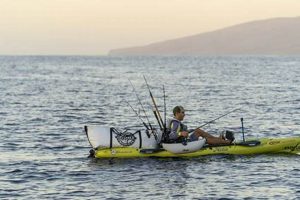
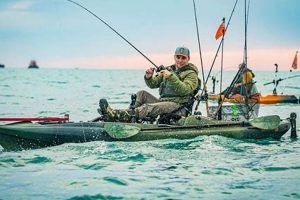
Fishing adaptations distinguish a purpose-built fishing kayak from a general recreational vessel. These modifications enhance angling effectiveness and overall on-the-water experience. Integrating these adaptations into a wooden kayak requires careful consideration of the vessel’s design, construction, and intended use. Such adaptations can be incorporated during the initial build or added later, depending on the specific requirements of the angler and the fishing environment. The placement and design of these adaptations significantly impact the kayak’s balance, performance, and overall utility. For instance, strategically placed rod holders prevent entanglement and allow for easy access while maintaining vessel stability. Similarly, integrated storage compartments secure tackle and equipment, maximizing available space and minimizing clutter.
Practical examples illustrate the importance of well-designed fishing adaptations. Recessed rod holders, positioned behind the angler, keep lines clear of paddling strokes and prevent interference during casting. A strategically located fish finder mount allows for unobstructed viewing while maintaining a clear deck space. Integrated storage compartments within the hull maximize space efficiency and keep essential gear dry and organized. Customizable seating arrangements provide comfort and support during long hours on the water, further enhancing the fishing experience. Consider a fly fisherman requiring multiple rod holders within easy reach or a bass angler needing ample storage for tackle boxes and lures; these specific needs dictate the type and placement of adaptations.
Understanding the relationship between fishing adaptations and the wooden fishing kayak’s overall design is crucial. Poorly planned adaptations can compromise stability, impede paddling efficiency, or detract from the vessel’s aesthetic appeal. Careful consideration of weight distribution, ergonomics, and accessibility ensures that adaptations enhance, rather than hinder, the fishing experience. The inherent versatility of wooden kayak construction allows for a high degree of customization, enabling anglers to tailor their vessels to precise fishing styles and preferences. This fusion of traditional craftsmanship and modern functionality creates a uniquely rewarding angling experience. The ability to seamlessly integrate these adaptations into the wooden kayak’s design highlights the inherent advantages of handcrafted construction, creating a truly personalized and purpose-built fishing platform.
6. Environmental Impact
Assessing the environmental impact of a wooden fishing kayak requires considering the entire life cycle, from material sourcing and construction to usage and eventual disposal. While often perceived as an environmentally friendly choice, the actual impact depends on various factors, including the type of wood used, construction methods, and maintenance practices. Understanding these factors allows for more informed decisions, minimizing the environmental footprint associated with owning and operating such a vessel.
- Sustainable Wood Sourcing
The origin of the wood plays a crucial role in determining the environmental impact. Sustainably harvested timber from responsibly managed forests minimizes deforestation and ecosystem disruption. Choosing wood certified by organizations like the Forest Stewardship Council (FSC) ensures adherence to sustainable forestry practices. Conversely, using wood from illegally logged or unsustainable sources contributes to deforestation, habitat loss, and biodiversity decline. For example, sourcing Western Red Cedar from a sustainably managed forest in the Pacific Northwest supports responsible forestry, while using illegally logged tropical hardwoods contributes to environmental degradation.
- Construction Processes and Materials
Construction methods and materials significantly influence environmental impact. Using low-VOC (volatile organic compound) epoxies and finishes minimizes the release of harmful chemicals into the atmosphere. Employing efficient construction techniques reduces waste and minimizes material consumption. Furthermore, choosing locally sourced materials reduces transportation distances and associated carbon emissions. For instance, using locally harvested wood and building the kayak near the source reduces transportation needs compared to shipping materials long distances.
- Usage and Maintenance
Operational practices impact environmental footprint. Wooden kayaks, unlike those made from petroleum-based plastics, are biodegradable and do not contribute to microplastic pollution. However, the use of certain wood preservatives and finishes can introduce toxins into the aquatic environment. Choosing environmentally friendly wood treatments and practicing responsible disposal methods minimizes these risks. Regular maintenance extends the kayak’s lifespan, reducing the need for frequent replacements and minimizing overall resource consumption. Properly disposing of old or damaged kayaks, rather than abandoning them in landfills, further reduces environmental impact.
- End-of-Life Considerations
The eventual disposal of the kayak presents another environmental consideration. Wooden kayaks, being biodegradable, decompose naturally, minimizing long-term environmental impact. However, the presence of certain finishes or hardware may necessitate specific disposal procedures to prevent soil or water contamination. Recycling or repurposing components further reduces waste. For example, removing metal fittings before composting the wooden hull allows for proper material breakdown and prevents metal contamination of the soil. Considering end-of-life disposal during the design and construction phases facilitates environmentally responsible practices.
By considering these facets throughout the life cycle of a wooden fishing kayak, builders and owners can minimize its environmental footprint. Choosing sustainable materials, employing responsible construction practices, and adhering to proper maintenance and disposal procedures contribute to a more environmentally conscious approach to kayak ownership and use. This awareness allows individuals to enjoy the benefits of handcrafted wooden watercraft while minimizing their impact on the natural environment. Ultimately, responsible choices throughout the kayak’s life cycle determine its overall environmental legacy.
7. Historical Significance
Examining the historical significance of wooden fishing kayaks provides insights into the evolution of watercraft design, fishing techniques, and cultural traditions. These vessels represent a tangible link to ancestral ingenuity and the intimate relationship between humans and their environment. Exploring their historical context reveals the enduring legacy of these craft and their continued relevance in modern society. This exploration transcends mere nostalgia, offering valuable lessons in sustainable practices and the enduring appeal of handcrafted vessels.
- Ancient Origins and Cultural Significance
The use of wooden watercraft for fishing dates back millennia, with evidence of kayaks and canoes found in archaeological sites worldwide. These early vessels, crafted from locally available materials, played a vital role in sustenance, transportation, and exploration. In many cultures, kayaks held deep spiritual significance, representing a connection to the natural world and ancestral heritage. For example, the Inuit peoples of the Arctic relied on kayaks for hunting marine mammals, a practice deeply intertwined with their cultural identity and survival. These early vessels represent a testament to human adaptability and the ingenuity of early boat builders.
- Evolution of Design and Construction
Over centuries, kayak designs evolved to meet the specific needs of different cultures and environments. Variations in hull shape, materials, and construction techniques reflect regional adaptations and fishing practices. From the sleek, skin-on-frame kayaks of the Arctic to the dugout canoes of the Pacific Northwest, each design embodies a unique blend of form and function. The development of specialized fishing kayaks, incorporating features like rod holders and storage compartments, reflects the ongoing refinement of these vessels for specific angling purposes. For example, the introduction of steam bending techniques in the 19th century allowed for more complex hull shapes, improving performance and maneuverability.
- Influence on Modern Kayak Design
The legacy of traditional wooden fishing kayaks continues to influence modern kayak design. Contemporary builders often draw inspiration from historical designs, incorporating elements of traditional construction techniques and aesthetics into their creations. The resurgence of interest in handcrafted wooden kayaks reflects a growing appreciation for traditional craftsmanship, sustainable practices, and the unique connection to nature that these vessels offer. Modern interpretations of classic designs often incorporate contemporary materials and building techniques, blending traditional aesthetics with modern performance enhancements. For instance, a modern strip-built kayak might incorporate fiberglass reinforcement and epoxy resin for increased durability while retaining the elegant lines of a traditional design.
- Preservation of Cultural Heritage
Preserving traditional kayak building techniques is essential for safeguarding cultural heritage. Organizations and individuals dedicated to these crafts ensure that the knowledge and skills associated with wooden kayak construction are passed on to future generations. Museums and cultural centers play a vital role in documenting and exhibiting these vessels, highlighting their historical significance and cultural value. By maintaining these traditions, we preserve not only the craft itself but also the cultural narratives and historical connections embodied within these vessels. For example, workshops and apprenticeship programs dedicated to traditional kayak building techniques help ensure the continuation of these practices and the preservation of cultural knowledge.
By exploring the historical significance of wooden fishing kayaks, we gain a deeper appreciation for their enduring legacy. These vessels represent more than simply a means of transportation or a tool for fishing; they embody a rich history of human ingenuity, cultural adaptation, and a profound connection to the natural world. This understanding enriches the experience of owning and using a wooden fishing kayak, connecting us to a lineage of boat builders and anglers stretching back through time. The continued relevance of these craft in the modern era speaks to the enduring appeal of handcrafted vessels and the timeless pursuit of connecting with nature through the art of angling.
Frequently Asked Questions
Addressing common inquiries regarding wooden fishing kayaks provides clarity for prospective builders and owners. These questions explore key aspects of material selection, construction, maintenance, and performance, offering insights into the unique characteristics of these specialized vessels.
Question 1: What are the advantages of a wooden fishing kayak compared to those made of synthetic materials?
Wooden kayaks offer distinct advantages, including aesthetic appeal, a connection to traditional craftsmanship, a quieter paddling experience, and the potential for customization. The inherent buoyancy and stability of wood contribute to a comfortable and responsive ride. Furthermore, the ability to repair and refinish wood extends the vessel’s lifespan significantly.
Question 2: How much maintenance does a wooden fishing kayak require?
Wood requires more diligent maintenance than synthetic materials. Regular cleaning, oiling, and varnishing are essential to protect the wood from moisture and UV damage. The frequency of maintenance depends on usage and environmental conditions, but generally, expect to invest more time in upkeep compared to a synthetic kayak.
Question 3: Are wooden kayaks suitable for saltwater fishing?
With proper construction and diligent maintenance, wooden kayaks perform exceptionally well in saltwater environments. Selecting appropriate wood species, such as Western Red Cedar or White Oak, combined with marine-grade epoxies and finishes, ensures durability and resistance to saltwater corrosion.
Question 4: How do wooden fishing kayaks compare in terms of performance to those made of fiberglass or plastic?
Performance characteristics depend on design and construction rather than solely on material. Well-designed wooden kayaks can match or exceed the performance of synthetic counterparts in terms of speed, maneuverability, and stability. The inherent buoyancy and stiffness of wood contribute to efficient paddling and responsive handling.
Question 5: What are the initial costs associated with building or purchasing a wooden fishing kayak?
Costs vary significantly depending on factors like wood type, design complexity, and whether the kayak is built or purchased. Building a kayak typically requires a significant investment of time and materials. Purchasing a handcrafted wooden kayak often involves a higher initial cost than a comparable synthetic model but reflects the craftsmanship and quality of materials.
Question 6: What are the best wood types for constructing a fishing kayak?
Several wood species are well-suited for kayak construction, each with its own advantages and disadvantages. Western Red Cedar, known for its rot resistance and light weight, is a popular choice. Other suitable options include White Oak, Sitka Spruce, and Mahogany, offering varying degrees of durability, workability, and aesthetic appeal.
Understanding these key aspects facilitates informed decisions regarding the suitability of wooden fishing kayaks for individual needs and preferences. These vessels represent a unique blend of traditional craftsmanship, environmental consciousness, and high performance, offering a rewarding experience for discerning anglers.
Further exploration of specific building techniques, design considerations, and fishing adaptations will provide a more comprehensive understanding of these exceptional watercraft.
Conclusion
This exploration has examined the multifaceted nature of wooden fishing kayaks, encompassing material selection, construction techniques, performance characteristics, maintenance requirements, fishing adaptations, environmental impact, and historical significance. These vessels represent more than mere recreational equipment; they embody a confluence of traditional craftsmanship, sustainable practices, and a deep connection to the natural world. The choice to build or acquire such a craft represents an investment in both tangible functionality and intangible values.
The enduring appeal of wooden fishing kayaks lies in their ability to connect anglers with a rich history of boat building and a more mindful approach to interacting with the aquatic environment. As discerning individuals seek alternatives to mass-produced products, the resurgence of interest in handcrafted wooden vessels signals a growing appreciation for quality, sustainability, and the enduring satisfaction derived from owning a truly unique and personalized craft. The future of these vessels rests on the continued dedication of skilled craftspeople and the discerning choices of anglers who value the harmonious blend of tradition, performance, and environmental responsibility.