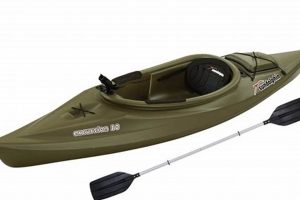
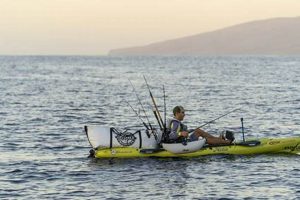
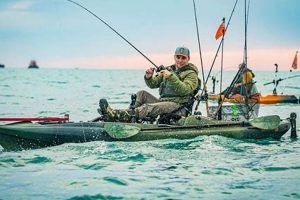
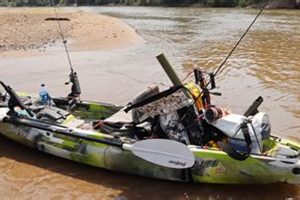
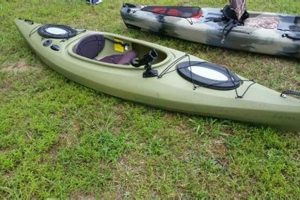
Equipment designed for angling from a kayak encompasses a wide range of specialized gear. This includes items like rod holders, fish finders, and specialized tackle boxes designed to fit the limited space and unique challenges of kayak-based fishing. For example, a lightweight, collapsible anchor system is crucial for maintaining position in currents or wind, while a high-visibility personal flotation device is essential for safety.
The development and availability of specialized gear have significantly enhanced the safety and effectiveness of this increasingly popular sport. Historically, anglers adapted existing equipment for kayak use, but purpose-built products now offer superior performance, durability, and safety. These advancements allow for a more comfortable and productive experience on the water, promoting catch-and-release practices and a deeper connection with the natural environment.
This discussion will further explore essential categories of gear, specific product recommendations, and tips for outfitting a kayak for a successful fishing excursion. It will also delve into safety considerations and best practices for responsible angling.
Essential Kayak Fishing Equipment Tips
Careful selection of appropriate equipment is crucial for a safe and productive kayak fishing experience. The following tips provide guidance on essential gear and its effective utilization.
Tip 1: Prioritize Safety Gear: A personal flotation device (PFD) designed for paddling is paramount. Ensure it fits correctly and allows for a full range of motion. A whistle and visual distress signals are also vital for emergencies.
Tip 2: Choose Appropriate Rod Holders: Rod holders designed specifically for kayaks free hands for paddling and other tasks, while securing rods against loss. Flush-mount and adjustable models cater to various fishing styles and kayak configurations.
Tip 3: Invest in a Stable Tackle Storage System: Waterproof and easily accessible tackle storage is essential. Consider a dedicated kayak crate or bag designed to fit securely within the vessel’s limited space.
Tip 4: Utilize a Fish Finder: Fish finders greatly enhance the ability to locate fish. Compact, portable models designed for kayak use provide essential underwater intelligence without consuming excessive power.
Tip 5: Select a Suitable Anchor System: An anchor trolley system, combined with a lightweight, collapsible anchor, allows for precise positioning and control in currents or wind, maximizing fishing effectiveness.
Tip 6: Consider a Paddle Leash: A paddle leash prevents loss of the paddle in case of a capsize or accidental drop, a crucial safety precaution.
Tip 7: Dress Appropriately: Wear clothing suitable for the water temperature and weather conditions. Quick-drying fabrics and layers are recommended. Sun protection, including a hat and polarized sunglasses, is also important.
Proper equipment selection significantly contributes to both angler safety and fishing success. By carefully considering these recommendations, individuals can enhance their overall experience and enjoyment on the water.
These tips provide a foundation for informed equipment choices. The following section will explore specific product recommendations within each category.
1. Rods

Rod selection is a critical aspect of kayak fishing equipment. The confined space and unique demands of kayak angling necessitate specialized rod characteristics for optimal performance and effective fish handling.
- Length and Action
Shorter rods, typically between 6 and 7.5 feet, are generally preferred for kayak fishing. Their compact size enhances maneuverability within the limited space of a kayak. Rod action, referring to the rod’s flexibility, is another important consideration. A fast action rod bends primarily in the tip, providing greater sensitivity and hook-setting power, while a slower action rod bends throughout its length, offering better casting distance and shock absorption for fighting larger fish. Selecting the appropriate length and action depends on the targeted species and fishing techniques employed.
- Material and Construction
Rods constructed from graphite or composite materials offer a balance of sensitivity, durability, and lightweight performance. Graphite rods are sensitive to subtle bites and transmit vibrations effectively, aiding in fish detection. Composite rods blend graphite with other materials, often fiberglass, to increase durability and affordability. High-quality components, such as guides and reel seats, contribute to overall rod performance and longevity.
- Rod Power
Rod power refers to the rod’s lifting strength and ability to handle different line weights and lure sizes. Lighter power rods are suitable for smaller fish and lighter lines, while heavier power rods are necessary for larger fish and heavier tackle. Matching rod power to the target species and fishing conditions ensures efficient hooksets and effective fish fighting capability.
- Specialized Rod Types
Certain rod types cater to specific kayak fishing techniques. Spinning rods are versatile and suitable for a wide range of applications, while casting rods offer greater accuracy and control for baitcasting reels. Specialized rods, such as drop-shot or jigging rods, are designed for specific techniques and presentations. Selecting the appropriate rod type further enhances fishing effectiveness and overall experience.
Careful rod selection significantly impacts kayak fishing success. Considering factors like length, action, material, power, and specialized rod types ensures an optimized setup tailored to specific fishing needs and the unique constraints of kayak angling. The appropriate rod enhances casting accuracy, fish fighting ability, and overall enjoyment on the water.
2. Reels

Reel selection is crucial within the broader context of kayak fishing equipment. The right reel complements the chosen rod and fishing technique, contributing significantly to casting efficiency, fish retrieval, and overall angling success from a kayak.
- Reel Type
Spinning reels are widely favored in kayak fishing due to their ease of use and versatility. Their open-face design simplifies line management and reduces the risk of tangles, a significant advantage in the confined space of a kayak. Baitcasting reels offer greater casting accuracy and control, particularly for experienced anglers targeting larger species. Spincast reels, while simpler to operate than baitcasting reels, are generally less suited to the demands of kayak fishing.
- Size and Gear Ratio
Reel size and gear ratio impact retrieval speed and power. Smaller reels are generally sufficient for lighter lines and smaller fish, while larger reels handle heavier lines and larger species. The gear ratio, expressed as a number (e.g., 5.1:1), indicates the number of times the spool rotates with each handle turn. Higher gear ratios retrieve line faster, while lower gear ratios provide more cranking power.
- Drag System
A smooth and reliable drag system is essential for fighting strong fish. The drag allows line to be released under pressure, preventing line breakage and allowing the angler to tire the fish. Look for reels with a sealed drag system to prevent water and debris intrusion, ensuring consistent performance in challenging kayak fishing environments.
- Material and Construction
Reel construction influences durability and performance. Reels made from corrosion-resistant materials, such as aluminum or graphite composites, withstand the harsh marine environment. Sealed bearings and other high-quality components contribute to smooth operation and extended reel lifespan.
Appropriate reel selection enhances overall kayak fishing effectiveness and enjoyment. Choosing the right reel type, size, gear ratio, drag system, and construction ensures compatibility with the chosen rod, fishing style, and target species. This careful consideration contributes significantly to a successful and rewarding kayak fishing experience.
3. Lines

Line selection is integral to a comprehensive kayak fishing supply setup. The appropriate fishing line significantly influences casting distance, lure presentation, and the ability to successfully land fish. Different line types offer varying properties, impacting overall fishing performance in diverse kayak angling scenarios.
- Line Type
Several line types are commonly used in kayak fishing, each with unique characteristics. Monofilament line is a versatile and affordable option, offering good knot strength and moderate abrasion resistance. Fluorocarbon line is virtually invisible underwater and highly abrasion-resistant, making it ideal for clear water and rocky environments. Braided line offers exceptional strength and sensitivity but is more visible underwater and prone to wind knots. The choice of line type depends on target species, water clarity, and fishing technique.
- Line Weight and Test Strength
Line weight refers to the line’s diameter, while test strength indicates the amount of force required to break the line. Lighter lines are suited for smaller fish and finesse presentations, while heavier lines are necessary for larger fish and heavier tackle. Matching line weight and test strength to the target species and fishing conditions ensures balanced performance.
- Abrasion Resistance
Abrasion resistance is a crucial factor in kayak fishing, particularly in environments with rocks, submerged structures, or abrasive cover. Fluorocarbon and braided lines generally offer higher abrasion resistance compared to monofilament, reducing the risk of line breakage during retrieves or fights with strong fish.
- Visibility
Line visibility influences fish detection. Fluorocarbon line, due to its low refractive index, is nearly invisible underwater, making it ideal for clear water situations where stealth is paramount. Monofilament line offers moderate visibility, while braided line is more visible to fish. Line color should also be considered, with darker colors generally preferred in murky water and lighter colors in clear water.
Appropriate line selection directly contributes to successful kayak angling. By carefully considering line type, weight, test strength, abrasion resistance, and visibility, anglers can optimize their setup for specific fishing scenarios and target species. The right line complements the chosen rod, reel, and lures, contributing to improved casting, enhanced presentation, and increased chances of landing fish. This careful consideration of line characteristics further enhances the effectiveness and enjoyment of kayak fishing as a whole.
4. Lures/Bait

Lures and bait constitute a critical component within kayak fishing supplies. Their effective selection and deployment directly influence angling success. The choice between lures and live bait often depends on target species, fishing conditions, and angler preference. Lures, artificial imitations of prey, offer advantages in terms of convenience, durability, and reusability. Various lure types, including crankbaits, spinnerbaits, and soft plastics, mimic different prey items and trigger predatory responses. Live bait, such as minnows, worms, or crickets, presents a natural food source, often proving highly effective in attracting specific fish species. Matching lure or bait selection to the target species and prevailing conditions maximizes the probability of successful hookups. For example, using bright, flashy lures in murky water or employing live bait in areas with abundant forage fish can significantly enhance fishing outcomes.
Effective lure and bait presentation techniques further contribute to kayak angling success. Understanding fish behavior and feeding patterns informs presentation strategies. Retrieving lures at varying speeds and depths or strategically positioning live bait near underwater structures maximizes opportunities to entice fish. Factors such as water temperature, current flow, and time of day influence fish activity levels and feeding preferences, requiring adjustments in lure or bait presentation for optimal effectiveness. For instance, slower retrieves with bottom-bouncing lures might prove effective in colder water, while faster retrieves with topwater lures might be more productive during warmer periods. Adapting lure and bait presentation to the specific circumstances enhances the likelihood of attracting and hooking target species from a kayak.
Successful kayak angling hinges on the appropriate selection and presentation of lures and bait. Understanding fish behavior, environmental factors, and the characteristics of different lure and bait types allows anglers to optimize their approach. This informed approach, combined with skillful presentation techniques, maximizes the potential for successful catches and enhances the overall kayak fishing experience. Further exploration of specific lure and bait types, along with recommended presentation methods, provides anglers with the knowledge and tools necessary for consistent success on the water.
5. PFD (Personal Flotation Device)

A Personal Flotation Device (PFD) stands as a critical component within the broader category of kayak fishing supplies. Its essential role in ensuring angler safety underscores its significance within this specialized equipment domain. A PFD is not merely an accessory but a fundamental piece of safety equipment that can avert potential tragedy. Understanding the various types of PFDs, their specific features, and their proper usage is paramount for responsible kayak angling.
- PFD Types
Various PFD types exist, each designed for specific water activities and levels of mobility. Type I offshore life jackets provide the highest level of buoyancy and are designed for open water conditions. Type II near-shore buoyant vests offer ample flotation and are suitable for calmer waters. Type III flotation aids allow greater freedom of movement and are specifically designed for activities like paddling and fishing. Type IV throwable devices, while not suitable for continuous wear, can be deployed in emergency situations. Type V special use devices cater to specific activities like whitewater kayaking or sailing. Selecting the appropriate PFD type for kayak fishing, typically a Type III, ensures both safety and comfortable maneuverability.
- PFD Fit and Features
A properly fitted PFD is crucial for its effectiveness. It should fit snugly without restricting movement, allowing for comfortable paddling and casting. Key features to consider include adjustable straps, multiple buckles, and comfortable padding. High-visibility colors and reflective elements enhance visibility in low-light conditions or emergencies. Some PFDs incorporate features like pockets for storage or attachment points for accessories like whistles or knives, further enhancing their utility for kayak fishing.
- PFD Maintenance and Care
Proper PFD maintenance ensures its long-term effectiveness. Rinsing the PFD with fresh water after each use removes salt, dirt, and other debris that can degrade its materials. Storing the PFD in a cool, dry place away from direct sunlight prevents UV damage and preserves its buoyancy. Regular inspection for signs of wear and tear, such as frayed straps or damaged buckles, is essential. Replacing a damaged PFD promptly maintains its protective capabilities.
- Legal Requirements and Regulations
Regulations regarding PFD usage vary by jurisdiction. Adhering to local laws and regulations pertaining to PFD carriage and usage is essential for legal compliance and personal safety. Familiarizing oneself with specific requirements ensures adherence to applicable safety standards. Carrying a readily accessible and properly fitted PFD while kayak fishing demonstrates responsible angling practices and contributes to a safe and enjoyable experience.
Within the context of kayak fishing supplies, the PFD assumes paramount importance. Selecting the correct PFD type, ensuring proper fit and maintenance, and adhering to legal requirements contribute significantly to angler safety. Prioritizing PFD usage aligns with responsible angling practices and ensures a safe and enjoyable kayak fishing experience, emphasizing its crucial role within the broader category of essential kayak fishing equipment.
6. Safety Equipment
Safety equipment constitutes a critical subset of kayak fishing supplies, directly impacting angler well-being and emergency preparedness. Understanding and utilizing appropriate safety gear is paramount for mitigating risks inherent in the kayak fishing environment. This discussion explores essential safety equipment components and their crucial roles in ensuring a secure and responsible angling experience.
- Visual Distress Signals
Visual distress signals, such as flares, signal mirrors, or strobe lights, serve as crucial communication tools in emergency situations. A signaling mirror can attract attention over long distances on a sunny day, while a strobe light remains visible at night. These devices can alert other boaters or rescue personnel to an angler’s location, facilitating timely assistance in case of capsizing, injury, or other unforeseen events. Their presence within a kayak fishing supply kit enhances preparedness and significantly improves the chances of a positive outcome in a distress situation.
- Communication Devices
Reliable communication devices, including VHF radios, personal locator beacons (PLBs), or waterproof cell phones in protective cases, provide essential links to outside assistance. A VHF radio enables direct communication with the Coast Guard and other vessels, facilitating rapid response in emergencies. A PLB transmits an emergency signal with precise location information to search and rescue authorities. While cell phone coverage can be unreliable in remote areas, a waterproofed device can still prove invaluable in certain situations. Including communication devices in kayak fishing supplies enhances safety and preparedness significantly.
- First-Aid Kit and Essential Gear
A well-equipped first-aid kit addresses minor injuries and provides essential supplies for stabilizing more serious conditions until professional medical assistance arrives. Essential items include bandages, antiseptic wipes, pain relievers, motion sickness medication, and sunscreen. Additional gear, such as a whistle for signaling, a knife for cutting lines or other materials, and a multi-tool for minor repairs, can also prove invaluable in various situations. These items, while seemingly simple, contribute significantly to angler well-being and safety during a kayak fishing excursion.
- Navigation and Lighting
Navigation tools, including a compass, GPS device, or nautical charts, assist in maintaining orientation and navigating safely, particularly in unfamiliar waters or challenging conditions. A headlamp or flashlight provides essential illumination during low-light conditions or nighttime fishing. These tools enhance situational awareness and contribute to safe navigation, especially in areas with potential hazards such as rocks, shallows, or strong currents. Their inclusion within kayak fishing supplies enhances safety and preparedness for various on-the-water scenarios.
Careful consideration of safety equipment is integral to responsible kayak fishing. The inclusion of visual distress signals, communication devices, a comprehensive first-aid kit, and appropriate navigation and lighting tools significantly enhances angler safety and preparedness. These components, when integrated within a broader kayak fishing supply strategy, promote a secure and enjoyable angling experience while mitigating potential risks associated with this increasingly popular watersport.
7. Storage Solutions
Effective storage solutions represent a crucial aspect of kayak fishing supplies, directly impacting organization, efficiency, and overall angling success. Limited space within a kayak necessitates thoughtful storage strategies to maximize available room and maintain a clutter-free environment. Well-designed storage systems contribute to a more streamlined and productive fishing experience.
- Tackle Management
Efficient tackle management is paramount in kayak fishing. Specialized tackle boxes or bags designed for kayak use optimize space utilization and maintain order. Modular systems with customizable compartments accommodate various lure types, hooks, weights, and other essential tackle components. readily accessible tackle enhances fishing efficiency, allowing for quick lure changes and minimizing disruptions during critical moments.
- Rod and Paddle Storage
Secure rod and paddle storage prevents equipment loss and protects gear from damage. Rod holders, strategically positioned on the kayak, keep rods readily available while minimizing interference during paddling. Paddle clips or leashes secure paddles when not in use, preventing accidental drops or loss overboard. These dedicated storage solutions maintain a clutter-free cockpit and enhance overall safety during kayak fishing excursions.
- Dry Storage Compartments
Dry storage compartments safeguard essential items from water damage. Waterproof hatches or bags protect electronics, wallets, keys, and other valuables from splashes, rain, or accidental submersion. These compartments maintain the integrity of sensitive equipment and ensure the accessibility of important items throughout the fishing trip.
- Crates and Bags
Specialized kayak crates and bags offer versatile storage options. Crates provide structured storage for larger items and can often be customized with rod holders, cup holders, and other accessories. Dry bags protect gear from water intrusion and offer flexible storage solutions adaptable to various kayak configurations. These options cater to diverse storage needs and enhance overall organization within the limited confines of a kayak.
Optimized storage solutions significantly enhance the kayak fishing experience. Effective tackle management, secure rod and paddle storage, waterproof compartments, and specialized crates or bags contribute to a well-organized and efficient fishing platform. These storage considerations, when integrated within a comprehensive kayak fishing supply strategy, maximize available space, streamline equipment access, and contribute to a more productive and enjoyable angling experience.
Frequently Asked Questions
Addressing common inquiries regarding equipment for kayak angling provides clarity for both novice and experienced anglers. The following questions and answers offer valuable insights into essential gear considerations.
Question 1: What type of rod is best suited for kayak fishing?
Shorter rods, typically between 6 and 7.5 feet, offer optimal maneuverability within a kayak’s limited space. The specific rod action, whether fast or slow, depends on targeted species and fishing techniques.
Question 2: What reel type is recommended for kayak anglers?
Spinning reels are generally preferred for their ease of use and reduced risk of tangles in a confined cockpit. Baitcasting reels offer greater precision but demand more experience.
Question 3: Which fishing line is most suitable for kayak angling?
Line selection depends on several factors, including water clarity and target species. Fluorocarbon offers low visibility, while braided line provides superior strength. Monofilament offers a balance of affordability and performance.
Question 4: What are essential safety items for kayak fishing?
A personal flotation device (PFD) is paramount. Additional safety gear includes a whistle, visual distress signals, and a communication device like a VHF radio or personal locator beacon (PLB).
Question 5: How can tackle be organized efficiently in a kayak?
Specialized tackle boxes or bags designed for kayak use maximize limited space. Modular systems with customizable compartments allow for organized storage of lures, hooks, and other essential tackle items.
Question 6: What are the advantages of using a fish finder in a kayak?
Fish finders provide crucial information about water depth, bottom structure, and fish location, significantly enhancing angling success. Compact, portable units designed for kayak use minimize space requirements and power consumption.
Careful consideration of these frequently asked questions contributes to informed equipment choices, improved safety practices, and a more rewarding kayak fishing experience overall.
This FAQ section provides foundational knowledge for equipment selection. The subsequent section will explore specific product recommendations and reviews, further assisting anglers in making informed purchasing decisions.
Kayak Fishing Supply
Careful selection of appropriate equipment significantly enhances both safety and effectiveness in kayak angling. This discussion has explored essential categories, from rods and reels tailored to the unique demands of kayak fishing, to the critical importance of personal flotation devices and other safety gear. Effective storage solutions and specialized tackle management systems maximize limited space and contribute to a more organized and efficient fishing experience. The information presented provides a comprehensive overview of the essential elements comprising a well-equipped kayak fishing setup.
As kayak fishing continues to grow in popularity, advancements in specialized equipment will undoubtedly further enhance the sport’s accessibility and enjoyment. Prioritizing safety and employing appropriate gear ensures a more rewarding and sustainable approach to this increasingly popular pursuit, fostering a deeper connection with the natural environment and promoting responsible angling practices for future generations.