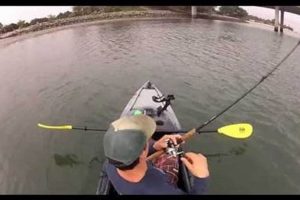
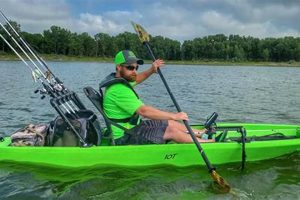
The practice involves angling from a small, human-powered watercraft. This method provides access to shallow waters and secluded areas often unreachable by larger boats, allowing anglers to target a diverse range of species. For example, one might pursue freshwater fish like bass or trout in a river or lake, or saltwater species like redfish or snook in coastal estuaries.
This approach offers a unique blend of affordability, portability, and maneuverability. Its low impact on the environment makes it a sustainable option. Historically, kayaks have been used for fishing and transportation for millennia by indigenous cultures around the world. Today’s modern angling kayaks are equipped with features specifically designed for the sport, such as rod holders, storage compartments, and even live wells.
This article will delve further into the specifics of this activity, including choosing the right equipment, essential safety considerations, effective techniques, and popular fishing destinations.
Tips for Kayak Angling
Preparation and knowledge contribute significantly to a successful and enjoyable experience on the water. The following tips offer valuable insights for anglers of all skill levels.
Tip 1: Choose the Right Kayak: Kayak selection depends on the intended fishing environment (calm lakes, rivers, or open ocean) and angler preferences. Sit-on-top kayaks offer stability and ease of re-entry, while sit-inside kayaks provide better protection from the elements.
Tip 2: Prioritize Safety: Always wear a personal flotation device (PFD). Carry a whistle, signaling device, and communication equipment. Check weather forecasts before embarking and inform someone of the intended fishing location and return time.
Tip 3: Pack Essential Gear: Include appropriate fishing tackle, a first-aid kit, sunscreen, a hat, and plenty of water. Dry bags protect sensitive items from moisture.
Tip 4: Master Basic Paddling Techniques: Efficient paddling conserves energy and allows anglers to cover more water. Practice maneuvering the kayak in various conditions before venturing into challenging environments.
Tip 5: Understand Fish Behavior and Habitat: Research the target species and their preferred habitats. Use appropriate lures, baits, and techniques for the specific fish being pursued.
Tip 6: Practice Casting and Retrieval from a Seated Position: Maintaining balance while casting and reeling is crucial. Practice casting techniques on land or in calm water before fishing in more challenging conditions.
Tip 7: Respect the Environment: Practice catch-and-release whenever possible. Properly dispose of fishing line and other waste. Adhere to local fishing regulations and respect wildlife.
Tip 8: Consider Additional Accessories: Anchor systems, rod holders, fish finders, and GPS devices can enhance the overall experience and improve fishing success.
By adhering to these guidelines, anglers can maximize their enjoyment and success on the water while ensuring a safe and responsible experience.
This information provides a foundation for a safe and productive outing. The concluding section will offer resources for further exploration and skill development.
1. Kayak Selection

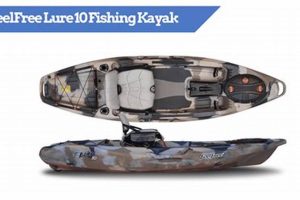
Kayak selection significantly impacts the effectiveness and enjoyment of the fishing experience. The chosen vessel must align with the angler’s skill level, target species, and the specific fishing environment. A stable platform is crucial, particularly when casting, fighting fish, or navigating challenging waters. For instance, a wider, sit-on-top kayak offers increased stability in rough conditions like ocean surf or windy lakes, making it suitable for larger game fish. Conversely, a narrower, sit-inside kayak excels in maneuverability within confined spaces such as creeks and rivers, proving advantageous for pursuing species in tighter environments. The kayak’s length also plays a role; longer kayaks track better in open water, while shorter kayaks offer superior agility. Material construction, including polyethylene, fiberglass, and composites, affects durability, weight, and performance.
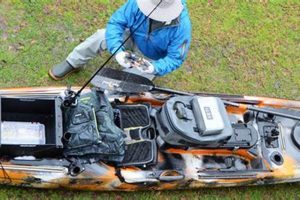
Careful consideration of features specific to angling further optimizes the experience. Integrated rod holders, ample storage compartments for tackle and gear, and anchor systems contribute to efficiency and organization. Specialized features like live wells and fish finders can elevate success rates. Weight capacity also warrants attention, ensuring the kayak can accommodate the angler, gear, and potential catch. The choice between pedal-powered and paddle kayaks depends on individual preference and fishing style. Pedal kayaks offer hands-free fishing and greater speed, while paddle kayaks provide a quieter and more stealthy approach.
Appropriate kayak selection directly correlates with a productive and safe outing. A well-chosen vessel enhances stability, maneuverability, and access to diverse fishing locations. Understanding the interplay between kayak characteristics and the intended fishing environment enables informed decisions. Neglecting this crucial aspect can lead to instability, limited access, and a compromised fishing experience. Careful evaluation of individual needs and environmental factors leads to a successful and enriching angling adventure.
2. Safety Equipment

Safety equipment plays a critical role in mitigating risks inherent in kayak angling. The environment presents unpredictable conditions, from sudden weather changes to fluctuating water levels and currents. Equipment malfunctions, accidental capsizing, or encounters with aquatic hazards can occur. A personal flotation device (PFD) is paramount. It provides buoyancy, keeping the angler afloat in case of capsize or unexpected immersion, potentially preventing drowning, particularly in cold water conditions where hypothermia can rapidly set in. A signaling device, such as a whistle or air horn, is crucial for attracting attention in emergencies, especially in remote locations with limited visibility. Communication devices, including waterproof VHF radios or cell phones in waterproof cases, enable contact with emergency services or shore support should the need arise. Navigation aids, like GPS devices and compasses, ensure anglers can maintain their bearings, particularly in fog or unfamiliar waters, preventing disorientation and facilitating safe return. A first-aid kit, containing essential supplies for treating minor injuries, insect bites, or sunburn, is necessary for addressing common on-the-water ailments. Carrying a bilge pump or bailer helps remove water from the kayak in case of swamping or leakage, maintaining stability and preventing capsize.
Real-life scenarios illustrate the vital importance of safety equipment. An angler experiencing a sudden capsize in cold water relies on their PFD for survival. A malfunctioning rudder or paddle, leaving an angler adrift, necessitates communication devices for rescue. Navigational errors in foggy conditions are mitigated by GPS. A simple slip or hook injury highlights the need for a first-aid kit. These instances underscore the interconnectedness between safety equipment and the prevention of potential tragedies on the water. The absence or malfunction of these essential items can transform a routine fishing trip into a life-threatening situation. Prioritizing safety through meticulous equipment preparation empowers anglers to enjoy the sport responsibly and mitigate potential hazards effectively.
Ultimately, comprehensive safety preparation significantly reduces risks inherent in kayak angling. Understanding the function and application of each safety item equips anglers to respond effectively in emergencies. Regular equipment checks and familiarity with usage procedures ensure readiness when faced with unexpected challenges. While proper equipment does not eliminate all risks, it provides a crucial safety net, empowering anglers to enjoy the experience while minimizing potential dangers. The proactive approach to safety fosters a culture of responsibility and ensures a more secure and enjoyable fishing experience.
3. Essential Gear

The success and safety of kayak angling hinge significantly on the selection and proper utilization of essential gear. This equipment serves distinct purposes, ranging from enhancing fishing effectiveness to ensuring angler well-being and comfort. A well-planned gear selection directly impacts the overall experience. For example, appropriate rods, reels, and tackle tailored to the target species improve fishing success. Weather-appropriate clothing and sun protection enhance comfort and prevent health issues like sunburn or hypothermia. Navigation and safety gear ensure a secure and informed journey. A thoughtfully curated gear list transforms a potentially challenging outing into a productive and enjoyable experience.
Several categories of essential gear warrant careful consideration. Fishing tackle, including rods, reels, lines, lures, and bait, must align with the target species and fishing environment. Safety gear, encompassing PFDs, signaling devices, and communication tools, prioritizes angler well-being. Navigation tools, like GPS units, maps, and compasses, facilitate accurate positioning and safe navigation, particularly in unfamiliar waters. Weather protection, including waterproof clothing, hats, and sunscreen, shields anglers from the elements. Finally, utility items such as dry bags, storage containers, and multi-tools offer practical solutions for organizing gear and addressing unexpected challenges. Neglecting any of these categories can compromise safety, comfort, or fishing success.
Understanding the practical significance of each gear item underscores its importance. For instance, a high-quality fishing rod and reel combo allows anglers to cast accurately and effectively fight fish. A reliable PFD provides buoyancy and peace of mind in case of capsize. A waterproof GPS unit ensures accurate navigation even in adverse weather conditions. Properly functioning communication devices enable contact in emergencies. Comfortable and protective clothing shields anglers from sun, wind, and rain, allowing them to focus on fishing. The synergistic effect of these essential gear components contributes significantly to a positive and safe kayaking experience. Careful consideration of these elements prepares anglers for varied conditions and enhances their overall success and enjoyment on the water.
4. Paddling Skills
Effective paddling skills are fundamental to successful kayak angling. Beyond mere propulsion, these skills directly influence boat control, positioning, and stealth, all crucial for accessing prime fishing locations and approaching fish without disturbance. Proficiency in various paddling techniques optimizes fishing time, conserves energy, and enhances overall safety on the water. A strong foundation in paddling translates to a more productive and enjoyable fishing experience.
- Efficient Forward Stroke:
A powerful and efficient forward stroke maximizes distance covered while minimizing energy expenditure. This is essential for reaching distant fishing spots or covering large areas of water. A proper forward stroke utilizes core muscles and body rotation, generating more power and reducing strain on arms and shoulders. For example, an angler paddling against a current benefits significantly from a strong forward stroke to maintain position and conserve energy.
- Maneuvering Strokes:
Maneuvering strokes, such as sweep strokes, draws, and rudders, enable precise boat control. These skills are crucial for navigating tight spaces, holding position in currents, and approaching fish stealthily. For instance, a precise draw stroke allows an angler to position the kayak close to a submerged structure without spooking fish. Mastering these strokes offers significant advantages in various fishing scenarios.
- Bracing and Recovery:
Bracing techniques maintain kayak stability and prevent capsizing, particularly in rough water or when battling strong fish. Quick recovery strokes are essential for regaining balance after an unexpected jolt or wave. For example, an angler hooked into a large fish utilizes bracing to counter the fish’s pull and maintain control of the kayak. These skills provide essential safety and control in dynamic fishing situations.
- Understanding Wind and Current:
Knowledge of wind and current effects is essential for efficient paddling and navigation. Adjusting paddling techniques to compensate for these forces conserves energy and maintains the intended course. For instance, an angler paddling in a strong crosswind uses corrective strokes to prevent drifting off course and maintain position relative to the fishing target. This awareness enhances efficiency and safety in varying conditions.
Mastery of these paddling skills significantly enhances kayak angling effectiveness and safety. Efficient movement, precise boat control, and the ability to maintain stability in various conditions contribute directly to a more productive and enjoyable fishing experience. Investing time in developing these skills translates to greater success on the water and expands fishing opportunities.
5. Fishing Techniques
Specific fishing techniques are intrinsically linked to the unique characteristics of kayak angling. The confined space and lower profile of a kayak necessitate adaptations in casting, retrieval, and fish fighting strategies compared to traditional boat or shore fishing. Casting techniques, for example, often require underhand or sidearm casts to avoid entanglement with the kayak’s structure. Precision and accuracy become paramount due to the limited casting platform. The direct connection to the water also enhances sensitivity to fish strikes, demanding attentive observation and quick reaction times. Retrieving lures or bait requires careful management of line and rod angles to avoid snags and maintain contact with the fish. Fighting fish from a kayak presents unique challenges and requires specialized techniques to maintain balance and leverage against powerful runs. The angler becomes an integral part of the dynamic system, using body weight and kayak positioning to counter the fish’s movements. For example, when battling a strong fish, an angler might use the kayak’s maneuverability to turn and follow the fish, minimizing strain on the line and increasing control. This intimate connection between angler, kayak, and fish defines the essence of kayak fishing techniques.
Consider trolling. In a motorized boat, trolling often involves covering large distances at higher speeds. Kayak trolling, however, utilizes slower speeds and controlled drifts, allowing for precise presentation of lures or bait in specific areas. This method often proves highly effective in targeting specific structures or depths, especially in calmer waters. Similarly, jigging from a kayak requires refined techniques. The angler must maintain a stable platform while simultaneously working the jig vertically, a skill honed through practice and an understanding of kayak balance. The proximity to the water enhances the angler’s feel for the jig’s action and any subtle takes from fish. Adapting traditional techniques to the kayak environment requires a shift in perspective and an appreciation for the nuances of this specialized fishing platform.
Mastery of kayak-specific fishing techniques significantly enhances angling success. These adaptations optimize lure presentation, improve hook-set ratios, and increase the likelihood of landing fish. Understanding the interplay between kayak dynamics and fishing techniques unlocks the full potential of this specialized approach. Failure to adapt can lead to frustration, missed opportunities, and potentially compromised safety. Refining these techniques through practice and experience elevates kayak angling from a recreational activity to a highly effective and rewarding fishing method.
6. Location Choice
Location choice significantly influences success and enjoyment in kayak angling. The selected environment directly impacts accessibility, species availability, and the overall fishing experience. Factors such as water conditions, fish habitat, and local regulations must be considered. A well-chosen location aligns with the angler’s target species, skill level, and desired experience, contributing to a productive and fulfilling outing.
- Accessibility:
Kayaks excel in providing access to shallow, secluded waters often unreachable by larger vessels. Launch sites, portage distances, and potential obstacles like shallows or vegetation influence location choice. For example, a small, easily navigable creek offers opportunities for targeting species like smallmouth bass or panfish, whereas a larger lake with designated launch ramps may be more suitable for pursuing larger game fish. Careful evaluation of access points ensures a smooth and efficient start to the fishing trip.
- Habitat:
Understanding fish habitat within a chosen location is crucial. Structures such as submerged logs, weed beds, or drop-offs attract various species. Water temperature, clarity, and current also play significant roles in fish distribution. Researching the target species’ preferred habitat within a given location increases the likelihood of a successful catch. For example, targeting trout in a cold, clear stream requires different location considerations than seeking redfish in a brackish marsh environment.
- Regulations:
Adhering to local fishing regulations is paramount. These regulations often specify catch limits, size restrictions, and permitted fishing methods. Designated areas, such as protected habitats or spawning grounds, may be off-limits to angling. Awareness of these regulations ensures responsible fishing practices and avoids legal issues. Consulting local authorities or online resources provides the necessary information for compliance.
- Safety Considerations:
Water conditions, including current strength, wind patterns, and potential hazards like boat traffic, factor significantly into location choice. Choosing calm, sheltered areas is particularly important for beginners or when fishing in challenging weather conditions. Checking weather forecasts and tide charts prior to departure enhances safety and preparedness. For example, avoiding open water during strong winds mitigates risks associated with capsizing. Prioritizing safety ensures a positive and incident-free fishing experience.
Strategic location choice amplifies the advantages of kayak fishing. By aligning location selection with target species, accessibility, and safety considerations, anglers optimize their chances of success and maximize their enjoyment on the water. A thoughtful approach to location choice contributes significantly to a rewarding and safe kayak angling experience.
7. Environmental Awareness

Environmental awareness is integral to responsible kayak angling. The low-impact nature of kayaks presents an opportunity for anglers to minimize their environmental footprint and contribute to the preservation of aquatic ecosystems. Understanding the interconnectedness between angling practices and environmental health promotes sustainable fishing and ensures the longevity of these valuable natural resources.
- Leave No Trace Principles:
Adhering to Leave No Trace principles minimizes the impact of angling activities on the environment. These principles encompass packing out all trash and fishing line, minimizing disturbance to vegetation and wildlife, and respecting other recreational users. For example, properly disposing of fishing line prevents entanglement of birds and aquatic animals. Minimizing shoreline disturbance protects fragile vegetation and prevents erosion. Practicing Leave No Trace ethics ensures that fishing locations remain pristine for future generations.
- Catch and Release Practices:
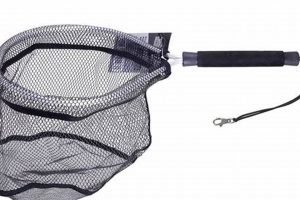
Catch and release fishing contributes significantly to the conservation of fish populations. Proper handling techniques, including using barbless hooks and minimizing air exposure, increase the survival rate of released fish. For example, wetting hands before handling fish protects their delicate slime coat, which is essential for their health. Using appropriate landing nets minimizes stress and injury. Practicing responsible catch and release ensures healthy fish populations and sustainable angling opportunities.
- Respect for Aquatic Ecosystems:
Understanding the fragility of aquatic ecosystems fosters responsible angling practices. Avoiding anchoring in sensitive habitats, such as seagrass beds or coral reefs, prevents damage to these vital ecosystems. Minimizing noise and disturbance reduces stress on aquatic life. For example, paddling quietly and avoiding sudden movements minimizes disturbance to fish and other wildlife. Respecting the interconnectedness of the aquatic environment promotes its overall health and resilience.
- Water Quality Awareness:
Clean water is essential for healthy fish populations and thriving aquatic ecosystems. Avoiding the use of harmful chemicals or pollutants, such as sunscreen containing oxybenzone, minimizes water contamination. Properly disposing of waste and preventing runoff from entering waterways protects water quality. For example, choosing biodegradable soaps and detergents for cleaning gear minimizes the introduction of harmful chemicals into the aquatic environment. Protecting water quality ensures the long-term health and sustainability of aquatic ecosystems.
By integrating environmental awareness into kayak angling practices, anglers contribute directly to the preservation of these valuable natural resources. Responsible angling ensures that future generations can continue to enjoy the sport and the beauty of healthy aquatic ecosystems. The low-impact nature of kayak fishing provides a unique opportunity for anglers to become stewards of the environment and champions of sustainable fishing practices. A conscious effort to minimize environmental impact elevates kayak angling beyond a recreational pursuit, transforming it into a responsible and sustainable interaction with the natural world.
Frequently Asked Questions
This section addresses common inquiries regarding kayak angling, providing concise and informative responses to clarify potential uncertainties and enhance understanding of the activity.
Question 1: What type of kayak is best suited for fishing?
Kayak selection depends on individual needs and the intended fishing environment. Sit-on-top kayaks offer stability and ease of re-entry, making them suitable for beginners and warmer climates. Sit-inside kayaks provide better protection from the elements but can be more challenging to re-enter after a capsize. Specialized fishing kayaks often feature built-in rod holders, storage compartments, and other angler-specific amenities.
Question 2: What essential safety precautions should be taken?
Wearing a personal flotation device (PFD) is paramount. Checking weather forecasts before embarking and informing someone of the fishing plan are crucial safety measures. Carrying a whistle, signaling device, and communication equipment enhances preparedness for emergencies. Understanding basic paddling techniques and self-rescue procedures further contributes to a safe experience.
Question 3: What basic equipment is required for kayak fishing?
Essential equipment includes a kayak, paddle, PFD, fishing rod and reel, appropriate tackle, and a basic first-aid kit. Additional accessories, such as an anchor, rod holders, and a fish finder, enhance the experience. Weather-appropriate clothing, including sun protection and rain gear, ensures comfort and safety.
Question 4: Are there specific fishing regulations pertaining to kayaks?
Fishing regulations vary by location and may include licensing requirements, catch limits, size restrictions, and permitted fishing methods. Consulting local authorities or online resources provides information on specific regulations applicable to kayak angling in a given area. Adhering to these regulations ensures responsible and legal fishing practices.
Question 5: What are the advantages of fishing from a kayak compared to other methods?
Kayaks offer access to shallow and secluded waters often inaccessible to larger boats, expanding fishing opportunities. Their quiet operation and low profile minimize disturbance to fish, increasing chances of success. The affordability, portability, and maneuverability of kayaks make them a versatile option for anglers of all skill levels.
Question 6: How does one choose an appropriate fishing location from a kayak?
Location choice depends on target species, accessibility, and safety considerations. Researching potential fishing spots beforehand, considering factors such as water conditions, fish habitat, and local regulations, contributes to a successful outing. Prioritizing safety and adhering to Leave No Trace principles ensure a responsible and enjoyable experience.
Careful consideration of these frequently asked questions equips individuals with the knowledge necessary for a safe, productive, and environmentally responsible kayak angling experience. Understanding these key aspects enhances enjoyment and promotes sustainable fishing practices.
This concludes the frequently asked questions section. The following section will offer valuable resources for further exploration of kayak angling techniques and destinations.
Conclusion
This exploration of kayak angling has highlighted its multifaceted nature, encompassing equipment selection, safety considerations, paddling techniques, fishing strategies, location choice, and environmental stewardship. The activity offers a unique blend of accessibility, versatility, and connection with nature. Understanding the interplay of these elements contributes significantly to a successful and rewarding experience on the water. From choosing the appropriate kayak and essential gear to mastering paddling skills and refining fishing techniques, each aspect plays a crucial role in maximizing angling success and promoting responsible engagement with the aquatic environment. The emphasis on safety underscores the importance of preparedness and responsible decision-making in mitigating potential risks associated with on-the-water activities. The discussion of location choice emphasizes the importance of considering accessibility, habitat, regulations, and safety considerations in selecting suitable fishing spots. Finally, the focus on environmental awareness underscores the angler’s role in preserving aquatic ecosystems through responsible fishing practices and adherence to Leave No Trace principles.
Kayak angling presents an opportunity to experience the natural world from a unique perspective. The quiet, low-impact approach allows for intimate observation of aquatic life and fosters a deep appreciation for the delicate balance of these ecosystems. This activity offers not merely a means of catching fish, but a pathway to connecting with nature, promoting environmental stewardship, and experiencing the tranquility and challenge of navigating waterways under human power. The future of this pursuit rests upon the continued prioritization of safety, responsible angling practices, and the collective commitment to preserving these valuable natural resources for generations to come.