The confluence of angling, emotional well-being, and kayak-based recreation presents a unique intersection. This involves the pursuit of fish from a kayak, not merely as a sporting activity, but as a means of enhancing mental and emotional health. For example, the quiet solitude of being on the water, the focused engagement required for fishing, and the connection with nature can offer therapeutic benefits.
Engaging with nature through activities like angling can offer significant benefits for stress reduction, improved mood, and enhanced focus. Combining this with the low-impact exercise and accessibility of kayaking creates a potentially powerful tool for promoting overall wellness. While the specific study of this intersection is relatively nascent, the individual components have long histories of recognized benefits. Kayaks have been utilized for centuries by diverse cultures, and the therapeutic value of nature interaction and focused activities like fishing is increasingly acknowledged in contemporary health practices.
This article will explore the diverse aspects of this intersection, including the types of kayaks best suited for angling, effective fishing techniques from a kayak, and the specific emotional and mental health benefits that can be derived from this activity. It will also delve into responsible angling practices and the importance of environmental stewardship within this recreational pursuit.
Tips for Enhancing Well-being Through Kayak Fishing
Maximizing the emotional and mental benefits of kayak fishing requires thoughtful preparation and mindful practice. The following tips can enhance the experience and promote a deeper connection with nature.
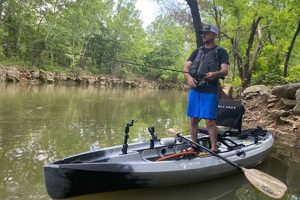
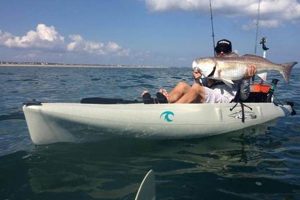
Tip 1: Choose the Right Kayak: Kayak selection significantly impacts stability and comfort. Sit-on-top kayaks offer greater stability and ease of entry/exit, beneficial for beginners. Longer kayaks track better in open water, while shorter kayaks offer greater maneuverability in rivers and creeks.
Tip 2: Prioritize Safety: Always wear a personal flotation device (PFD). Check weather conditions before embarking and inform someone of the intended fishing location and return time. Carry essential safety gear, including a whistle, signaling mirror, and first-aid kit.
Tip 3: Minimize Environmental Impact: Practice catch-and-release whenever possible. Properly dispose of all fishing line and tackle. Avoid disturbing natural habitats and respect wildlife. Adhere to local fishing regulations.
Tip 4: Focus on the Present Moment: Engage all senses to fully appreciate the surrounding environment. Notice the sounds of water, the feel of the paddle, and the sight of wildlife. Cultivate mindfulness by focusing on the rhythm of paddling and the subtle movements of the fishing line.
Tip 5: Disconnect from Technology: Resist the urge to constantly check devices. Embrace the opportunity to disconnect from digital distractions and fully immerse in the natural world. This fosters mental clarity and reduces stress.
Tip 6: Pack Light and Efficiently: A cluttered kayak can detract from the experience. Organize essential gear in waterproof bags and utilize kayak-specific storage compartments. Minimize unnecessary equipment to enhance stability and maneuverability.
Tip 7: Learn Basic Kayak Paddling Techniques: Efficient paddling conserves energy and allows for greater exploration. Mastering basic strokes, such as the forward stroke and sweep stroke, enhances control and maneuverability.
By incorporating these tips, individuals can cultivate a more rewarding and therapeutic experience, maximizing the potential for emotional restoration and connection with nature through kayak fishing.
This exploration of enhancing well-being through mindful engagement with nature while kayak fishing sets the stage for a deeper understanding of the interconnectedness between human health and the natural world.
1. Tranquility

Tranquility represents a core element of the “fishing emotion kayaks” concept. The inherent quiet of natural waterways provides a foundation for emotional restoration and stress reduction, crucial aspects of the sought-after experience.
- Escape from Daily Stressors
Kayak fishing offers a refuge from the demands of modern life. The act of physically distancing oneself from urban environments and immersing in nature promotes a sense of detachment from daily stressors. The rhythmic paddling and the focus required for fishing further encourage a meditative state, facilitating stress reduction and mental clarity.
- Sounds of Nature
The gentle lapping of water against the kayak, the calls of birds, and the rustling of leaves create a natural soundscape that promotes relaxation. These sounds replace the often jarring noises of urban environments, contributing to a sense of peace and tranquility. This auditory immersion enhances the overall experience, fostering a deeper connection with nature.
- Visual Serenity
Vast expanses of water, reflections of sky and clouds, and the vibrant colors of aquatic life provide a visually soothing experience. This visual serenity contributes to a sense of calm and allows for a deeper appreciation of the natural world. The opportunity to observe wildlife in their natural habitat further enhances this visual tranquility.
- Solitude and Introspection
Kayak fishing often provides opportunities for solitude, allowing for introspection and self-reflection. This time alone on the water can facilitate emotional processing and promote a sense of inner peace. The quiet environment encourages contemplation and can lead to enhanced self-awareness.
These facets of tranquility contribute significantly to the overall positive emotional impact of kayak fishing. The combination of reduced external stimuli, connection with nature, and focused activity creates a unique opportunity for emotional restoration and enhanced well-being.
2. Mindfulness

Mindfulness plays a crucial role in enhancing the emotional benefits derived from kayak fishing. The practice of mindfulness involves paying attention to the present moment without judgment. In the context of kayak fishing, this translates to fully engaging with the experience feeling the paddle in one’s hands, observing the subtle movements of the water, listening to the sounds of nature, and noticing the sensations of the body. This focused attention anchors the individual in the present, reducing rumination on past events or anxieties about the future. For example, instead of focusing on the frustration of not catching a fish, a mindful approach encourages appreciation for the tranquility of the surroundings and the subtle beauty of the natural environment. This shift in perspective can transform a potentially frustrating experience into a restorative one.
The act of fishing itself can be a mindful practice. The process of casting, retrieving, and adjusting the line requires focused attention. Similarly, observing the fishing line for subtle twitches or changes in tension demands present moment awareness. This focused engagement acts as a form of meditation, calming the mind and promoting a sense of inner peace. Furthermore, the quiet and relatively isolated nature of kayak fishing minimizes external distractions, creating an environment conducive to mindfulness. The absence of constant stimuli, such as traffic noise or digital notifications, allows the mind to settle and focus on the immediate experience. This natural setting facilitates a deeper connection with oneself and the surrounding environment.
Cultivating mindfulness during kayak fishing amplifies the potential for emotional restoration and stress reduction. By focusing on the present moment, individuals can more fully appreciate the therapeutic benefits of nature and disconnect from the pressures of daily life. This mindful approach transforms a recreational activity into a powerful tool for enhancing overall well-being. While challenges such as inclement weather or frustrating fishing conditions can arise, maintaining a mindful perspective allows individuals to navigate these challenges with greater equanimity and appreciate the experience regardless of the outcome. Ultimately, incorporating mindfulness into kayak fishing deepens the connection between individual well-being and the restorative power of nature.
3. Natural Connection

The “natural connection” inherent in kayak fishing forms a cornerstone of its emotional and mental health benefits. This connection refers to the direct interaction with the natural world, fostering a sense of belonging and interdependence. Experiencing the rhythms of naturethe ebb and flow of tides, the shifting weather patterns, the behaviors of aquatic lifepromotes a deeper understanding and appreciation of the environment, contributing significantly to the therapeutic effects of kayak fishing.
- Sensory Immersion
Kayak fishing provides an opportunity for profound sensory immersion in nature. The feel of the sun on one’s skin, the smell of fresh water, the sight of diverse flora and fauna, and the sounds of wildlife create a multi-sensory experience that enhances the connection with the natural world. This immersive experience contrasts sharply with the sensory deprivation often experienced in urban environments, fostering a greater sense of presence and grounding.
- Ecosystem Awareness
Direct interaction with aquatic ecosystems fosters a deeper understanding of their complexity and fragility. Observing the interconnectedness of various species and the impact of environmental factors cultivates ecological awareness. This heightened awareness can translate into a greater appreciation for conservation efforts and responsible angling practices. For instance, witnessing the impact of pollution firsthand can motivate individuals to adopt more sustainable behaviors.
- Perspective Shift
The vastness of natural landscapes, experienced from the unique vantage point of a kayak, can induce a shift in perspective. The challenges and complexities of daily life often diminish in significance when viewed against the backdrop of the natural world. This shift can foster a sense of humility and interconnectedness, reducing feelings of isolation and promoting a more holistic worldview.
- Physiological Regulation
Studies suggest that exposure to natural environments can positively influence physiological processes, including stress hormone levels, heart rate, and blood pressure. The combination of physical activity, fresh air, and natural stimuli inherent in kayak fishing can contribute to physiological regulation, promoting relaxation and reducing the negative impacts of stress. This physiological response further strengthens the link between natural connection and improved well-being.
These facets of natural connection contribute significantly to the therapeutic potential of kayak fishing. By fostering a deeper engagement with the natural world, kayak fishing offers a pathway to emotional restoration, stress reduction, and enhanced overall well-being. This connection reinforces the importance of preserving natural environments, not only for ecological health but also for the profound benefits they offer to human well-being.
4. Therapeutic Benefits

The therapeutic benefits associated with kayak fishing extend beyond simple recreation. Engaging with nature through this activity offers a unique combination of physical activity, mindfulness, and sensory immersion, contributing to improved mental and emotional well-being. These benefits are increasingly recognized as valuable components of holistic health practices, complementing traditional therapeutic approaches.
- Stress Reduction
The combination of physical exertion, natural surroundings, and focused attention inherent in kayak fishing can effectively reduce stress levels. Physical activity releases endorphins, which have mood-boosting effects. The tranquility of natural environments promotes relaxation, lowering cortisol levels associated with stress. The focused attention required for fishing acts as a form of moving meditation, further calming the mind. For example, the rhythmic casting and retrieving of a fishing line can induce a meditative state, allowing individuals to disconnect from stressful thoughts and anxieties. This combination of factors creates a powerful antidote to the pressures of modern life.
- Improved Mood Regulation
Exposure to natural light and fresh air, combined with the moderate exercise of kayaking, can positively influence mood regulation. Vitamin D synthesis from sunlight plays a vital role in mood and emotional well-being. Physical activity stimulates the release of neurochemicals associated with positive mood. The sense of accomplishment derived from successfully navigating a kayak or catching a fish further enhances self-esteem and overall mood. Individuals struggling with low mood or mild depression may find kayak fishing a valuable tool for emotional upliftment and improved sense of well-being.
- Enhanced Cognitive Function
Engaging in activities that require focus and coordination, such as paddling and fishing, can enhance cognitive function. Navigating a kayak through varying water conditions and strategically targeting fish require problem-solving skills and adaptability. The combination of physical activity and mental engagement promotes blood flow to the brain, potentially improving memory, attention span, and overall cognitive performance. These benefits can extend beyond the immediate experience, contributing to enhanced cognitive function in daily life.
- Increased Self-Awareness
The quiet solitude often experienced during kayak fishing provides opportunities for introspection and self-reflection. The absence of external distractions allows individuals to connect with their thoughts and emotions on a deeper level. This heightened self-awareness can facilitate emotional processing, promote personal growth, and foster a greater sense of self-understanding. The challenges inherent in kayak fishing, such as navigating changing weather conditions or adapting to different fishing techniques, can also provide valuable insights into personal resilience and adaptability.
These therapeutic benefits highlight the potential of kayak fishing to contribute significantly to overall well-being. By integrating physical activity, mindfulness, and connection with nature, kayak fishing offers a holistic approach to promoting mental and emotional health. Further research exploring the specific therapeutic applications of this activity could reveal even more profound benefits and contribute to its integration into complementary health practices. This underscores the importance of viewing nature not just as a recreational resource, but as a vital component of human health and well-being.
5. Stress Reduction
Stress reduction represents a significant benefit associated with the intersection of fishing, emotion, and kayaks. The inherent pressures of modern life often necessitate effective stress management strategies, and engaging with nature through activities like kayak fishing offers a potentially powerful approach. The following explores the multifaceted relationship between stress reduction and the unique experience of kayak fishing.
- Nature as a Buffer
Exposure to natural environments has been shown to reduce stress hormone levels and promote relaxation. Kayak fishing provides direct interaction with nature, offering a respite from the demands of urban environments and fostering a sense of tranquility. The sights, sounds, and smells of the natural world create a calming sensory experience that can buffer against the negative effects of stress. For example, the gentle rocking of the kayak, the sound of water lapping against the hull, and the sight of wildlife can induce a state of relaxation, counteracting the physiological responses associated with stress.
- Mindful Engagement
The focused attention required for fishing, combined with the rhythmic paddling of a kayak, promotes a mindful state. Mindfulness involves paying attention to the present moment without judgment, reducing rumination on past events or anxieties about the future. In the context of kayak fishing, this translates to focusing on the sensations of paddling, the subtle movements of the fishing line, and the surrounding natural environment. This mindful engagement can interrupt negative thought patterns and promote a sense of calm, mitigating the effects of stress.
- Physical Activity and Endorphins
Kayak fishing involves moderate physical activity, which stimulates the release of endorphins. Endorphins are neurochemicals that act as natural mood boosters and pain relievers. The physical exertion required for paddling and maneuvering the kayak, combined with the excitement of fishing, can trigger the release of endorphins, contributing to stress reduction and an overall sense of well-being. This physical component distinguishes kayak fishing from more passive forms of nature interaction, offering an additional pathway to stress reduction.
- Sense of Accomplishment and Control
Successfully navigating a kayak through varying water conditions or catching a fish can foster a sense of accomplishment and control. These experiences can be particularly valuable for individuals who feel overwhelmed by the pressures of daily life. The act of setting a goal, such as reaching a specific fishing spot or catching a particular species, and then achieving that goal, can instill a sense of mastery and self-efficacy, counteracting feelings of helplessness often associated with chronic stress. This sense of accomplishment contributes to improved mood and resilience in the face of future challenges.
The convergence of these factors contributes to the significant stress reduction potential associated with kayak fishing. By providing a platform for natural interaction, mindful engagement, physical activity, and a sense of accomplishment, kayak fishing offers a multifaceted approach to stress management. This highlights the potential of nature-based activities to serve as valuable tools for promoting mental and emotional well-being in a world increasingly characterized by stress and demanding lifestyles. Further research exploring the specific physiological and psychological mechanisms underlying these benefits could further validate the therapeutic potential of kayak fishing and inform the development of targeted interventions for stress reduction and improved mental health.
Frequently Asked Questions
This section addresses common inquiries regarding the intersection of fishing, emotional well-being, and kayaks. Clear and concise responses aim to provide a comprehensive understanding of this increasingly popular pursuit.
Question 1: What type of kayak is best suited for fishing?
While various kayaks can be adapted for fishing, sit-on-top kayaks are generally preferred due to their stability, ease of entry and exit, and ample storage space. Specific fishing kayaks often feature specialized accessories, such as rod holders and anchor trolleys, that enhance the angling experience.
Question 2: Is prior fishing experience necessary for kayak fishing?
Prior fishing experience can be beneficial but is not essential. Many resources, including online tutorials and local fishing guides, offer instruction on basic fishing techniques. Starting with simple techniques and gradually progressing to more advanced methods allows for a comfortable learning curve.
Question 3: What safety precautions should one take when kayak fishing?
Wearing a personal flotation device (PFD) is paramount. Checking weather conditions before embarking and informing someone of the intended fishing location and return time are crucial safety measures. Carrying essential safety gear, such as a whistle, signaling mirror, and first-aid kit, is also recommended.
Question 4: How can one minimize environmental impact while kayak fishing?
Practicing catch-and-release fishing helps preserve fish populations. Proper disposal of all fishing line and tackle prevents environmental pollution. Avoiding disturbing natural habitats and respecting wildlife contribute to ecological preservation. Adhering to local fishing regulations ensures responsible angling practices.
Question 5: What are the specific emotional benefits one might experience from kayak fishing?
Kayak fishing can offer various emotional benefits, including stress reduction, improved mood, enhanced focus, and increased self-awareness. The combination of physical activity, natural immersion, and mindful engagement contributes to these positive effects. Individual experiences may vary depending on personal factors and environmental conditions.
Question 6: Where can one find additional information on kayak fishing and its benefits?
Numerous online resources, local angling clubs, and outdoor recreation organizations offer information on kayak fishing techniques, safety guidelines, and environmental best practices. Consulting with experienced kayak anglers can provide valuable insights and enhance the overall experience. Local outfitters often offer guided tours and instructional sessions.
Understanding the key aspects of kayak fishingsafety, environmental responsibility, and potential therapeutic benefitsallows individuals to make informed decisions and maximize the positive impacts of this activity.
The next section will delve into specific techniques for enhancing the emotional and mental well-being aspects of kayak fishing.
Conclusion
This exploration of the intersection between angling, emotional well-being, and kayak-based recreation has highlighted the potential for significant therapeutic benefits. The combination of moderate physical activity, mindful engagement with the natural world, and the focused pursuit of angling from a kayak offers a unique opportunity for stress reduction, improved mood regulation, and enhanced cognitive function. Furthermore, the inherent tranquility of natural waterways and the immersive sensory experience contribute to a deeper connection with nature, fostering a sense of peace and promoting emotional restoration. The importance of responsible angling practices and environmental stewardship has also been emphasized, underscoring the interconnectedness between human well-being and ecological health.
The potential of kayak fishing to serve as a valuable tool for promoting mental and emotional wellness warrants further investigation. Continued research exploring the specific physiological and psychological mechanisms underlying these benefits could inform the development of targeted interventions for stress reduction and improved mental health. Ultimately, embracing the synergy of angling, emotional well-being, and kayaks offers a pathway toward a more balanced and fulfilling lifestyle, emphasizing the profound interconnectedness between human health and the natural world.