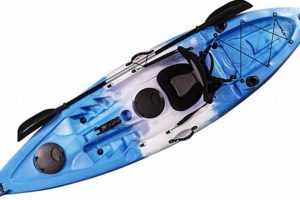
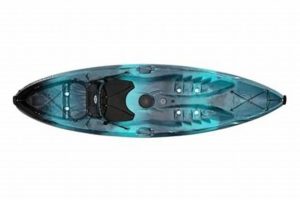
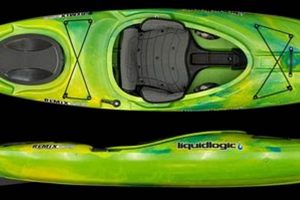
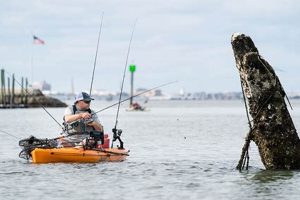
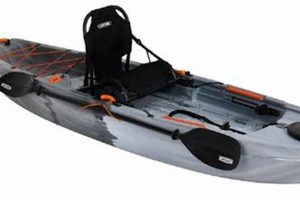
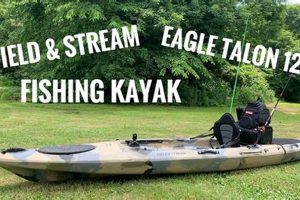
Small, human-powered watercraft designed for angling offer diverse options for navigating various waterways. These vessels range from stable, open designs ideal for calm lakes and rivers to sleek, maneuverable craft suited for ocean fishing. Specialized features such as rod holders, livewells, and anchor systems often differentiate these craft from recreational versions. Consider a wide, flat-bottomed vessel for maximum stability or a streamlined hull for efficient paddling in open water, depending on the intended fishing environment.
Human-powered fishing vessels provide a close-to-nature experience, allowing anglers to access shallow waters and remote locations often inaccessible to larger motorized boats. Their quiet operation minimizes disturbance to fish and the surrounding environment, enhancing the angling experience. Historically, these small craft have played a vital role in subsistence fishing and continue to be popular for recreational fishing worldwide, offering a sustainable and affordable way to connect with aquatic ecosystems.
This article delves deeper into the nuances of selecting, outfitting, and utilizing these specialized watercraft for a successful and enjoyable fishing experience. Topics covered will include vessel types best suited for different fishing styles and environments, essential gear and safety considerations, and responsible angling practices for minimizing environmental impact.
Tips for Angling from Small Human-Powered Vessels
Successful angling from small, human-powered watercraft requires careful planning and execution. The following tips offer guidance for enhancing safety and maximizing catch potential.
Tip 1: Stability is Paramount: Prioritize vessel stability, especially when fishing in moving water or challenging conditions. Wider, flatter hulls offer greater stability compared to narrower designs.
Tip 2: Proper Weight Distribution is Essential: Distribute weight evenly within the vessel to maintain balance and prevent capsizing. Avoid sudden movements or shifting weight excessively to one side.
Tip 3: Essential Safety Gear is Non-Negotiable: Carry essential safety equipment, including a personal flotation device, a whistle, and a signaling device. Adherence to local regulations regarding safety equipment is crucial.
Tip 4: Check Weather Conditions Before Embarking: Always check weather forecasts before embarking on a fishing trip. Avoid venturing out in strong winds, storms, or adverse weather conditions.
Tip 5: Plan and Share Trip Details: Inform someone of intended fishing locations and estimated return times. This precautionary measure ensures prompt assistance in case of emergencies.
Tip 6: Minimize Environmental Impact: Practice responsible angling by adhering to catch and release guidelines, properly disposing of fishing line and other waste, and respecting aquatic ecosystems.
Tip 7: Master Paddle or Oar Techniques: Proper paddling or rowing technique maximizes efficiency and minimizes effort. Learning these techniques enhances maneuverability and control.
By adhering to these guidelines, anglers can enhance their safety, improve their chances of a successful catch, and contribute to the preservation of aquatic environments for future generations.
These practical tips provide a foundation for safe and successful fishing experiences from small, human-powered watercraft. The subsequent conclusion will summarize the key takeaways and reiterate the importance of responsible angling practices.
1. Stability

Stability represents a critical factor influencing the safety and effectiveness of angling from small, human-powered watercraft. A stable platform allows anglers to cast, retrieve, and land fish without compromising balance, reducing the risk of capsizing, especially in challenging conditions such as moving water or when battling larger fish. Vessel stability depends on factors such as hull design, width, and weight distribution. Wider, flatter hulls generally offer greater initial stability, making them suitable for calm waters and novice anglers. However, these designs can be less maneuverable. Narrower hulls provide enhanced speed and maneuverability but sacrifice initial stability. For instance, a wide, flat-bottomed canoe provides excellent stability for still-water fishing, while a narrower, V-hulled kayak offers maneuverability in rivers but requires more experience to maintain balance.
Weight distribution plays a crucial role in maintaining stability. Evenly distributing gear and maintaining a low center of gravity enhances stability, preventing tipping. Sudden movements or shifting weight to one side can compromise stability and lead to capsizing. Understanding weight distribution principles and practicing proper balance techniques are essential for safe and effective angling. Consider adding outriggers or stabilizers for added stability, especially for individuals new to paddling or fishing from these vessels. Maintaining proper posture and avoiding leaning too far over the side further enhances balance and reduces the risk of falling overboard.
Understanding the interplay between hull design, weight distribution, and individual angler actions allows for informed vessel selection and safe operation. Prioritizing stability enhances not only safety but also fishing effectiveness. A stable platform allows anglers to focus on fishing rather than maintaining balance, resulting in a more enjoyable and productive experience. Ultimately, recognizing stability as a cornerstone of safe and successful angling from human-powered vessels promotes responsible enjoyment of the sport.
2. Maneuverability

Maneuverability in small, human-powered fishing vessels directly impacts an angler’s ability to navigate diverse water environments and effectively target fish. Efficient maneuvering allows for precise positioning in currents, navigation through tight spaces, and quick adjustments to changing fish behavior. Understanding the factors influencing maneuverability is crucial for optimizing vessel selection and enhancing on-the-water performance.
- Hull Design
Hull design significantly influences a vessel’s maneuverability. Longer, narrower hulls track straight and glide efficiently, making them suitable for open water and covering longer distances. Shorter, wider hulls turn more easily but may sacrifice tracking and speed. A shallow-arch hull provides good initial stability and maneuverability in calm waters, while a deeper-V hull offers enhanced performance in rougher conditions but requires more effort to turn. Specialized hull designs, such as those with pronounced rocker (upward curve at the bow and stern), enhance maneuverability in tight spaces and shallow water.
- Length and Width
Length and width play interconnected roles in determining maneuverability. Longer vessels generally track better in a straight line but require more effort to turn. Shorter vessels turn more quickly but may be less stable and more susceptible to wind drift. Wider vessels provide increased stability but sacrifice maneuverability, while narrower vessels enhance maneuverability but require greater balance and paddling skill. The optimal length and width depend on the intended fishing environment and the angler’s experience level.
- Propulsion System (Paddle/Pedal)
The choice of propulsion system affects maneuverability. Paddle propulsion offers greater versatility and control, allowing for precise adjustments to speed and direction. Pedal-powered systems provide hands-free operation, enabling anglers to focus on fishing, but may limit maneuverability in tight spaces or shallow water. Paddle length, blade shape, and paddling technique further influence maneuverability. Asymmetrical paddle blades and efficient paddling strokes enhance turning and control.
- Water Conditions
Water conditions, including current, wind, and waves, significantly impact maneuverability. Strong currents and winds can challenge even the most maneuverable vessels, requiring experienced paddling skills and careful planning. Waves and chop can affect stability and tracking, making maneuvering more difficult. Adapting paddling techniques and vessel positioning to prevailing water conditions is essential for maintaining control and maximizing safety.
Selecting a fishing canoe or kayak requires careful consideration of these interconnected factors. Prioritizing maneuverability enhances an angler’s ability to navigate diverse water environments, effectively target fish, and respond to changing conditions. Balancing maneuverability with other essential factors such as stability, storage capacity, and comfort optimizes vessel choice for specific fishing needs and target species.
3. Storage Capacity

Storage capacity in fishing canoes and kayaks directly impacts the practicality and success of angling excursions. Adequate storage facilitates carrying essential gear, including tackle boxes, rods, safety equipment, and personal items, enabling anglers to venture further and remain on the water longer. Understanding storage options and maximizing available space enhances efficiency and overall fishing experience.
- Built-in Storage Compartments
Many fishing kayaks and canoes feature built-in storage compartments, including hatches, tank wells, and dry storage areas. These compartments offer protected storage for sensitive items like electronics and valuables, keeping them safe from water and the elements. Hatches located near the angler’s seat provide easy access to frequently used items, while larger tank wells accommodate bulkier gear such as tackle boxes and coolers. Dry storage compartments offer waterproof protection for essential items like phones, wallets, and first-aid kits. Evaluating the size, location, and accessibility of built-in storage compartments is crucial when selecting a fishing vessel.
- Deck Space and Bungee Systems
Deck space and bungee systems provide additional storage options for readily accessible items. Securing gear with bungee cords allows for quick retrieval and minimizes clutter within the cockpit. Deck rigging and D-rings provide attachment points for securing dry bags, coolers, and other equipment. Maximizing deck space utilization enhances organization and efficiency on the water. Consider the layout and placement of deck rigging when evaluating storage capacity.
- Gear Organization and Storage Solutions
Effective gear organization maximizes limited storage space in fishing canoes and kayaks. Utilizing waterproof bags, tackle boxes with dividers, and specialized storage containers keeps gear organized and protected. Rod holders and paddle clips secure fishing rods and paddles, freeing up deck space and preventing gear from shifting during transport or while fishing. Prioritizing organization enhances efficiency and reduces time spent searching for equipment, allowing anglers to focus on fishing.
- Weight Capacity and Distribution
Understanding weight capacity and proper weight distribution is crucial for maintaining stability and performance. Exceeding the maximum weight capacity compromises stability and can lead to capsizing. Distributing weight evenly within the vessel enhances balance and prevents tipping. Consider the combined weight of gear, anglers, and any additional equipment when assessing storage capacity and planning fishing trips. Overloading a vessel negatively impacts performance and maneuverability, reducing overall fishing effectiveness.
Optimizing storage capacity contributes significantly to the practicality and success of fishing expeditions using canoes and kayaks. Careful consideration of built-in storage, deck space utilization, gear organization, and weight capacity empowers anglers to carry essential equipment, maintain stability, and maximize their time on the water. Effective storage solutions contribute to a more organized, efficient, and ultimately, more enjoyable fishing experience.
4. Propulsion (Paddles/Pedals)
Propulsion systems represent a defining characteristic of fishing canoes and kayaks, directly influencing vessel performance, angler fatigue, and overall fishing effectiveness. Choosing between paddle and pedal propulsion involves careful consideration of individual fishing styles, target environments, and physical capabilities. Each system presents distinct advantages and disadvantages impacting maneuverability, speed, and hands-free operation.
Traditional paddle propulsion offers versatility and precise control over vessel movement. Anglers utilize various paddle strokes to navigate diverse water conditions, maneuver in tight spaces, and adjust to changing currents or wind. Paddles provide a direct connection to the water, enhancing responsiveness and maneuverability. However, paddling requires physical exertion, potentially leading to fatigue, especially during long fishing trips or in challenging conditions. Paddle choice further influences performance, with blade shape, length, and material affecting efficiency and control.
Pedal-powered propulsion systems offer hands-free operation, a significant advantage for anglers who prefer to focus on fishing rather than paddling. Pedal drives provide continuous propulsion, allowing for efficient cruising and covering greater distances with reduced fatigue. This hands-free operation facilitates activities like casting, retrieving, and landing fish. However, pedal systems can limit maneuverability in shallow water or tight spaces, and their complexity introduces potential maintenance and repair considerations. Furthermore, pedal-powered kayaks often come at a higher price point than paddle kayaks.
Selecting the appropriate propulsion system depends on individual fishing preferences and target environments. Anglers prioritizing maneuverability and affordability might favor traditional paddle propulsion, while those seeking hands-free operation and efficient cruising might prefer pedal drives. Consider a fishing kayak with a pedal drive for trolling in open water, whereas a paddle canoe excels in shallow creeks and rivers requiring intricate maneuvering. Understanding the nuances of each propulsion system empowers anglers to make informed decisions aligning with their fishing styles and maximizing their on-the-water experience.
5. Material (Plastic/Composite)

Material selection significantly influences the performance, durability, and cost of fishing canoes and kayaks. The primary material categories, plastic (typically polyethylene) and composite (various blends of fiberglass, Kevlar, and carbon fiber), each possess distinct characteristics impacting vessel weight, impact resistance, maintenance requirements, and overall lifespan. Understanding these material properties empowers informed decision-making aligned with individual angling needs and budgetary constraints.
Polyethylene kayaks offer exceptional impact resistance and durability, making them well-suited for navigating rocky rivers or shallow waters. Their affordability makes them a popular choice for recreational anglers. However, polyethylene kayaks tend to be heavier than composite counterparts, impacting portability and requiring greater effort during transport and paddling. While durable, polyethylene can be susceptible to UV degradation over time, requiring proper storage and maintenance to prolong lifespan. For example, a recreational angler frequently fishing rocky rivers benefits from the robust nature of a polyethylene kayak.
Composite kayaks, constructed from materials like fiberglass, Kevlar, or carbon fiber, offer superior performance characteristics compared to plastic kayaks. Their lighter weight translates to enhanced speed, maneuverability, and easier portability. Composite kayaks often feature more refined hull designs, contributing to increased efficiency and tracking performance. However, composite materials are generally more expensive than polyethylene and require greater care to prevent damage. Impact resistance varies depending on the specific composite blend, with Kevlar offering greater impact protection than fiberglass or carbon fiber. A serious tournament angler prioritizing speed and responsiveness likely opts for a lightweight, performance-oriented composite kayak. However, this angler must also exercise caution when navigating shallow, rocky areas due to the potentially higher susceptibility to damage compared to a polyethylene kayak.
Material selection presents a critical decision point in the process of choosing a fishing kayak or canoe. Balancing performance characteristics, durability, weight considerations, and budget constraints informs this decision. Recognizing the inherent trade-offs between plastic and composite materials empowers informed choices aligned with individual angler needs and priorities. The practical implications of material selection directly impact the longevity, performance, and overall enjoyment of a fishing vessel.
6. Fishing Features (Rod Holders)
Specialized fishing features, particularly rod holders, significantly enhance the functionality and effectiveness of fishing canoes and kayaks. Rod holders provide secure storage and convenient access to fishing rods, freeing anglers’ hands for paddling, maneuvering, and other essential tasks. This enhanced functionality translates directly to increased fishing efficiency and overall enjoyment on the water. The strategic placement and design of rod holders influence casting angles, line retrieval, and the ability to manage multiple rods simultaneously. For instance, flush-mounted rod holders offer a streamlined profile minimizing snag potential in tight spaces, while adjustable rod holders allow for customized positioning based on fishing techniques and target species. An angler trolling for deep-water species benefits from adjustable rod holders positioned at optimal angles for line retrieval, whereas an angler casting in shallow water might prefer flush-mounted rod holders to prevent snags on overhanging vegetation.
Furthermore, the integration of rod holders into the vessel design impacts stability and weight distribution. Properly positioned rod holders contribute to a balanced setup, minimizing the risk of tipping or capsizing, especially when maneuvering or battling larger fish. Conversely, poorly placed or excessive rod holders can compromise stability and create clutter, hindering movement within the vessel. The choice of rod holder type, material, and mounting location depends on individual fishing styles, target species, and vessel characteristics. An angler targeting large game fish from a kayak might prioritize heavy-duty rod holders with secure locking mechanisms, whereas an angler fishing for panfish from a canoe might opt for simpler, less obtrusive rod holders.
In summary, rod holders represent a crucial element enhancing the functionality and effectiveness of fishing canoes and kayaks. Careful consideration of rod holder type, placement, and integration into the vessel design optimizes fishing performance, improves safety, and enhances the overall angling experience. Understanding the practical implications of rod holder selection and placement empowers anglers to tailor their vessels to specific fishing needs and maximize their time on the water. The effective integration of fishing-specific features directly contributes to the evolution of canoes and kayaks from basic watercraft to specialized angling platforms.
7. Comfort and Ergonomics

Comfort and ergonomics represent critical factors influencing the overall enjoyment and effectiveness of fishing from canoes and kayaks. Extended periods spent on the water necessitate a comfortable and supportive seating system, reducing fatigue and allowing anglers to maintain focus and responsiveness. Ergonomic design considerations, including seat adjustability, backrest support, and footrest placement, contribute significantly to angler comfort and long-term physical well-being. Proper posture, facilitated by ergonomic design, minimizes strain on back muscles, promoting sustained comfort during extended fishing trips. An uncomfortable seating arrangement can lead to fatigue, discomfort, and decreased fishing effectiveness, hindering an angler’s ability to react quickly to strikes or maneuver effectively. For example, an angler fishing for extended periods in a kayak with limited back support may experience discomfort and fatigue, reducing their ability to focus on fishing and potentially impacting their catch rate. Conversely, a well-designed kayak seat with adjustable back support and lumbar cushioning enables prolonged fishing sessions with minimal discomfort, enhancing overall enjoyment and effectiveness.
Furthermore, ergonomic considerations extend beyond seating to include paddle or pedal placement, deck layout, and the positioning of essential gear. Efficiently placed rod holders, tackle storage, and other accessories minimize reaching and stretching, promoting fluid movement and reducing strain. Paddle length and blade angle also influence paddling comfort and efficiency, reducing fatigue and maximizing propulsion. A kayak designed with strategically placed footrests and adjustable thigh braces enhances paddling control and comfort, allowing for efficient power transfer and minimizing leg fatigue. Similarly, a canoe with contoured seats and adjustable backrests provides crucial support and comfort during long paddling journeys. Understanding the interplay between these ergonomic factors optimizes angler comfort, reduces fatigue, and promotes sustained performance on the water. Practical applications of ergonomic principles enhance the overall fishing experience, enabling anglers to focus on the sport rather than physical discomfort.
In conclusion, prioritizing comfort and ergonomics in fishing canoe and kayak design significantly enhances the overall angling experience. A comfortable and supportive environment reduces fatigue, promotes proper posture, and allows anglers to maintain focus and responsiveness throughout their fishing trip. Understanding the practical significance of ergonomic principles empowers informed decision-making regarding vessel selection and outfitting, optimizing long-term comfort, performance, and overall enjoyment on the water. Addressing these seemingly minor details significantly impacts the overall angling experience, transforming a potentially tiring outing into a comfortable and productive pursuit. This focus on angler well-being ensures that the focus remains on the enjoyment of the sport and the connection with nature, rather than physical limitations or discomfort.
Frequently Asked Questions
This section addresses common inquiries regarding the selection and utilization of fishing canoes and kayaks, providing concise and informative responses to facilitate informed decision-making.
Question 1: What are the primary differences between fishing canoes and kayaks?
Canoes typically feature an open design with bench seats, offering greater stability and cargo capacity. Kayaks, with their enclosed cockpits and lower center of gravity, provide enhanced maneuverability and performance in rougher conditions. Selection depends on individual fishing styles and preferences.
Question 2: How does one choose the appropriate size and type of fishing kayak or canoe?
Vessel size and type selection depend on factors such as intended fishing environment (calm lakes vs. flowing rivers), angler experience level, and storage needs. Longer kayaks track better in open water, while shorter, wider designs offer enhanced maneuverability in tight spaces. Canoes excel in stability and cargo capacity, ideal for calm waters and carrying heavier loads.
Question 3: What essential safety gear should accompany anglers in these vessels?
Essential safety gear includes a personal flotation device (PFD), a whistle, a signaling device (mirror or flare), a first-aid kit, and navigation tools (map, compass, or GPS). Adherence to local regulations regarding safety equipment remains paramount.
Question 4: How does one maintain and store these watercraft properly?
Proper maintenance includes regular cleaning, inspection for damage, and timely repairs. Storage in a cool, dry location out of direct sunlight prolongs vessel lifespan, especially for plastic kayaks susceptible to UV degradation. Composite kayaks require specific care instructions depending on material composition.
Question 5: What are the advantages of human-powered fishing vessels over motorized boats?
Human-powered vessels provide access to shallow or restricted areas often inaccessible to motorized boats. Their quiet operation minimizes disturbance to fish and the environment, enhancing the angling experience. Operating costs remain significantly lower, eliminating fuel and complex engine maintenance.
Question 6: What are the key considerations for choosing between paddle and pedal propulsion?
Paddle propulsion offers versatility and precise control, ideal for navigating complex waterways and responding quickly to changing conditions. Pedal propulsion provides hands-free operation, beneficial for trolling or techniques requiring frequent casting. Physical capabilities and fishing style influence this decision.
Understanding these core aspects of fishing canoe and kayak selection and utilization facilitates informed decisions, enhancing safety, efficiency, and overall enjoyment on the water.
The subsequent section delves further into specialized fishing techniques applicable to these human-powered vessels, providing practical guidance for maximizing catch potential and minimizing environmental impact.
Conclusion
Small, human-powered fishing vessels offer a unique and effective approach to angling, providing access to diverse aquatic environments while minimizing environmental impact. Careful consideration of vessel type, material, propulsion system, and specialized features like rod holders and storage capacity optimizes performance and angler comfort. Prioritizing stability, maneuverability, and ergonomic design enhances safety and enjoyment on the water. Understanding the interplay of these factors empowers informed decision-making, aligning vessel choice with individual fishing styles, target species, and environmental conditions.
Responsible utilization of these versatile vessels contributes to sustainable angling practices, preserving aquatic ecosystems for future generations. Continued exploration of innovative designs and materials promises further enhancements in performance, comfort, and environmental consciousness. Embracing these advancements while adhering to ethical angling practices ensures the enduring appeal of human-powered fishing, fostering a deeper connection with nature and the pursuit of angling excellence.