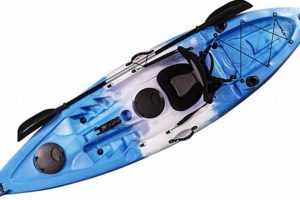
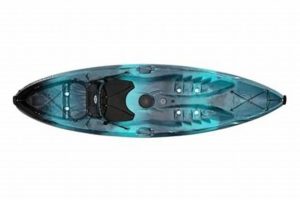
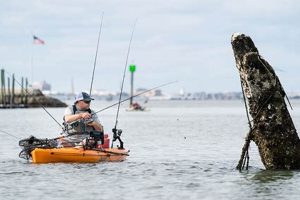
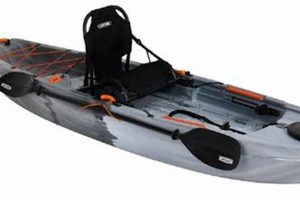
A kayak designed for anglers new to the sport or those seeking a budget-friendly option typically features fundamental necessities like a stable hull, basic seating, and modest storage. Such watercraft often prioritize affordability and ease of use over advanced features found in higher-end models. A typical example might include a sit-on-top design with molded-in rod holders and a simple paddle.
Affordable, user-friendly watercraft provide an accessible pathway into kayak fishing. This accessibility expands participation in the sport, allowing newcomers to experience the joys of angling from a kayak without a substantial initial investment. Historically, specialized fishing kayaks were less common, but increasing demand has led to a wider range of options, including more affordable, entry-level models, thereby democratizing the sport.
Understanding the core characteristics of these foundational kayaks informs purchasing decisions and prepares aspiring anglers for successful outings. Topics such as hull design, stability, essential features, and optional upgrades will be explored further.
Tips for Selecting and Using an Entry-Level Fishing Kayak
Careful consideration of several factors contributes significantly to a positive initial experience with kayak angling.
Tip 1: Prioritize Stability: Wider, flatter hulls offer greater initial stability, a crucial factor for novice anglers. Look for designs that minimize tipping, especially when casting or reeling.
Tip 2: Consider Transportation and Storage: Shorter, lighter kayaks are easier to transport and store. Roof racks, trailers, and available storage space should factor into the decision.
Tip 3: Evaluate Seating Comfort: Extended periods on the water necessitate a comfortable seat. Adjustable backrests and padding contribute to angler endurance and enjoyment.
Tip 4: Assess Essential Features: Rod holders, paddle clips, and storage compartments for tackle and gear are essential. Ensure the kayak incorporates these basic features.
Tip 5: Research Local Regulations: Registration and safety equipment requirements vary by location. Adherence to local regulations ensures legal and safe operation.
Tip 6: Practice Basic Paddling Techniques: Efficient paddling conserves energy and enhances maneuverability. Practice prior to fishing excursions improves on-water performance.
Tip 7: Start in Calm Waters: Initial outings should focus on sheltered areas with minimal current or wind. This allows anglers to gain experience and confidence before venturing into more challenging conditions.
Adherence to these guidelines optimizes the selection process and promotes safe, enjoyable kayak fishing experiences. Careful planning and preparation contribute significantly to successful outings.
By understanding these essential considerations, anglers can confidently choose appropriate equipment and embark on rewarding fishing adventures.
1. Stability

Stability represents a critical factor influencing the suitability of a kayak for novice anglers. A stable platform minimizes the likelihood of capsizing, particularly during critical moments like casting, reeling, or landing a fish. This stability builds confidence and allows beginners to focus on developing angling techniques rather than managing precarious balance. A wider, flatter hull design generally contributes to greater primary stabilityresistance to initial tippingmaking these characteristics common in entry-level fishing kayaks. For instance, a kayak with a beam of 30 inches will generally provide more initial stability than a kayak with a 26-inch beam, all other factors being equal. Reduced secondary stabilitythe ability to remain upright after being tiltedcan be a trade-off for increased primary stability in these designs, but this is less crucial for beginners primarily fishing in calm waters.
The importance of stability extends beyond simply preventing capsizes. It allows anglers to comfortably stand, facilitating casting and sight fishing. A stable platform also reduces fatigue and anxiety, contributing to a more enjoyable experience. Consider an angler attempting to make a precise cast in windy conditions. A stable kayak provides a secure platform for accurate casting, while an unstable kayak may hinder accuracy and increase the risk of tipping. This factor becomes even more significant in challenging conditions or when encountering unexpected movement, such as a striking fish. Moreover, the psychological impact of feeling secure on the water promotes relaxation and enjoyment, fostering a positive association with the sport.
Prioritizing stability in entry-level kayak selection significantly enhances the learning curve and overall enjoyment of the sport. While advanced anglers might prioritize maneuverability or speed over ultimate stability, beginners benefit greatly from a secure, predictable platform. This foundation allows them to gradually develop paddling skills, fishing techniques, and confidence on the water. While considerations like weight capacity and storage space are important, stability remains paramount in fostering a safe and positive initial experience, ultimately contributing to the long-term engagement of newcomers in the sport.
2. Affordability

Affordability plays a crucial role in the accessibility of kayak fishing, particularly for those entering the sport. The availability of budget-friendly options removes a significant barrier to entry, allowing a wider range of individuals to experience kayak angling. This accessibility fosters growth within the sport and promotes inclusivity by mitigating the financial hurdle often associated with specialized recreational equipment. Cause and effect are directly linked: lower prices lead to increased participation. For example, an angler on a limited budget might be drawn to a basic sit-on-top kayak priced under $500, whereas a seasoned angler with more disposable income might opt for a feature-rich model costing several thousand dollars. This price differential significantly impacts accessibility.
The importance of affordability as a component of the entry-level category cannot be overstated. It enables individuals to experiment with the sport without a substantial initial investment. This experimentation period allows potential enthusiasts to gauge their interest and commitment before committing to more expensive equipment. Consider a prospective angler uncertain about their long-term interest in kayak fishing. Purchasing an affordable, entry-level option allows them to explore the activity without the risk of a significant financial loss should they decide it’s not for them. Conversely, a high initial cost might deter them from trying the sport altogether. This affordability-driven accessibility ultimately expands the sport’s participant base.
Understanding the affordability factor provides practical significance for both consumers and manufacturers. Consumers can make informed purchasing decisions, aligning their budget with realistic expectations. Manufacturers, recognizing the demand for entry-level options, can tailor product development and marketing strategies accordingly. This understanding benefits the overall market by creating a tiered system of options catering to various budgets and experience levels. Addressing the affordability challenge through innovative manufacturing techniques and material selection contributes to the continued growth and accessibility of kayak fishing. This careful balance between cost and functionality ensures the sport remains accessible to a broad audience, fostering its continued evolution and popularity.
3. Essential Features

Essential features in an entry-level fishing kayak strike a balance between functionality and affordability. These features, while basic, directly impact the kayak’s practicality for fishing and contribute significantly to the angler’s experience. Cause and effect are clearly linked: the inclusion of well-designed essential features enhances usability and enjoyment, encouraging continued participation in the sport. For example, integrated rod holders, while a simple feature, free the angler’s hands for paddling, baiting hooks, and other essential tasks. Their absence would necessitate awkward and potentially unsafe improvisations.
The importance of essential features as a defining component of the entry-level fishing kayak category lies in their ability to provide a functional fishing platform without escalating cost. These kayaks often prioritize core functionality over high-tech gadgets or premium materials. Consider flush-mounted rod holders versus adjustable, rotating rod holders. The former provides basic functionality at a lower cost, ideal for a beginner, while the latter offers advanced features that might be superfluous for someone just starting. This distinction allows manufacturers to offer functional, affordable products that cater to the needs of novice anglers.
Understanding the role of essential features offers practical significance for both consumers and designers. Consumers can evaluate kayaks based on their intended use and prioritize essential features over less critical additions. Designers can optimize product development by focusing on maximizing the utility of core features. Addressing the challenge of balancing functionality and cost through clever design and material selection ultimately benefits consumers. This focus on delivering essential features in an affordable package contributes to the accessibility and continued growth of kayak fishing. By concentrating on core functionalities, manufacturers ensure that the sport remains accessible and engaging for a wider range of participants.
4. Durability
Durability represents a critical factor in the value proposition of an entry-level fishing kayak. While affordability remains a primary concern, a kayak’s ability to withstand regular use and occasional impacts directly influences its lifespan and overall cost-effectiveness. A durable kayak resists damage from typical wear and tear, including UV exposure, minor collisions, and abrasion from transport and storage. This resilience ensures long-term usability, maximizing the return on investment.
- Material Selection
Hull material significantly impacts a kayak’s durability. Common materials in entry-level kayaks include high-density polyethylene (HDPE), which offers excellent impact resistance and UV stability, and rotomolded plastic, known for its durability and affordability. For example, an HDPE kayak can withstand impacts against rocks or submerged logs better than a kayak constructed from a less durable material. Choosing a kayak made from robust materials contributes to its longevity and resistance to damage over time.
- Construction Quality
Manufacturing processes and construction techniques play a vital role in overall durability. Properly executed seams, reinforced stress points, and quality hardware contribute to a kayak’s structural integrity and resistance to leaks or failures. For instance, a well-constructed seam will remain watertight even under stress, while a poorly constructed seam may leak or separate. Careful inspection of these details at the point of purchase can help assess the kayak’s long-term durability.
- UV Resistance
Exposure to sunlight can degrade certain plastics, leading to brittleness and cracking. UV-resistant materials and coatings protect the kayak from the damaging effects of prolonged sun exposure, extending its lifespan. Consider a kayak stored outdoors. A UV-resistant model will retain its structural integrity and color longer than a non-UV-resistant kayak, which may become faded, brittle, and prone to cracking. This resistance is crucial for maintaining the kayak’s structural integrity and aesthetic appeal over time.
- Maintenance Requirements
Durability also relates to the ease and frequency of required maintenance. Kayaks with minimal maintenance requirements, such as those made from easily cleaned and repaired materials, offer long-term convenience and cost savings. For example, a kayak made from rotomolded plastic requires less maintenance than one made from a more delicate material. Simple cleaning and occasional inspections can significantly extend the lifespan of a well-maintained kayak, preserving its value and functionality.
The durability of an entry-level fishing kayak directly impacts its long-term value and usability. Selecting a durable kayak, even within a budget-friendly price range, represents a wise investment. This ensures the kayak remains functional and enjoyable for an extended period, maximizing the angler’s return on investment and promoting continued engagement in the sport. By understanding the components of durability, consumers can make informed decisions that align with their needs and expectations, maximizing the lifespan and enjoyment of their entry-level fishing kayak.
5. Weight Capacity

Weight capacity represents a critical specification for entry-level fishing kayaks, directly influencing stability, performance, and safety. Understanding the relationship between weight capacity and kayak selection ensures appropriate performance and safe operation. Matching the kayak’s capacity to the combined weight of the angler, gear, and potential catch prevents overloading, which compromises stability and maneuverability.
- Total Weight Calculation
Accurately calculating the total weight encompasses all items carried on board, including the angler’s body weight, fishing gear, safety equipment, and any potential catch. Overlooking seemingly small items can cumulatively impact the total weight and potentially exceed the kayak’s capacity. For example, an angler weighing 175 pounds, carrying 30 pounds of gear, and anticipating a 20-pound fish requires a kayak with a minimum weight capacity of 225 pounds. Accurate calculation is essential for safe and efficient operation.
- Impact on Stability and Performance
Exceeding the recommended weight capacity significantly affects kayak performance and stability. An overloaded kayak sits lower in the water, reducing freeboard and increasing the risk of swamping. Maneuverability also suffers, making paddling and turning more challenging. Consider a kayak rated for 300 pounds carrying 350 pounds. This overload will make the kayak feel sluggish and less responsive, particularly in wind or current. It also increases the likelihood of water entering the cockpit, potentially leading to instability.
- Safety Implications
Operating an overloaded kayak presents safety risks. Reduced stability increases the likelihood of capsizing, especially in challenging conditions. Additionally, a kayak operating near its maximum capacity has less reserve buoyancy, making recovery more difficult in the event of a capsize. For instance, an overloaded kayak encountering unexpected waves or wakes may become unstable and capsize, endangering the angler. Adhering to weight capacity guidelines ensures a safe and enjoyable experience.
- Considerations for Entry-Level Kayaks
Entry-level fishing kayaks often have lower weight capacities than higher-end models due to their smaller size and lighter construction. This factor is essential to consider when selecting a kayak, particularly for larger anglers or those who plan to carry substantial amounts of gear. For example, an angler weighing over 250 pounds might find a smaller, entry-level kayak with a 300-pound capacity unsuitable, necessitating the consideration of a larger, more stable model with a higher weight capacity. Matching the kayak’s capacity to individual needs ensures both safety and optimal performance.
Weight capacity considerations significantly impact the selection and safe operation of an entry-level fishing kayak. Careful evaluation of individual needs, gear requirements, and potential catch weight ensures optimal performance and minimizes safety risks. Selecting a kayak with appropriate weight capacity enhances stability, maneuverability, and overall enjoyment on the water. Overlooking this critical specification can compromise safety and detract from the overall fishing experience.
6. Transportation Ease

Transportation ease significantly influences the practicality and overall enjoyment of kayak fishing, particularly for those using entry-level models. The ability to easily transport a kayak to and from various fishing locations expands angling opportunities and minimizes logistical challenges. This factor becomes especially relevant for individuals with limited storage space or those who frequently travel to different fishing spots. Ease of transport directly impacts the frequency and spontaneity of fishing trips, contributing significantly to the overall kayak fishing experience.
- Vehicle Compatibility
Compatibility between the kayak and the available transportation method is paramount. Kayak dimensions and weight influence the suitability of various transport options, including roof racks, trailers, and truck beds. For example, a shorter, lighter kayak might easily fit inside a minivan or SUV, eliminating the need for a roof rack, while a longer, heavier kayak might require a specialized trailer. Assessing vehicle limitations and kayak dimensions ensures safe and efficient transport.
- Loading and Unloading
The ease of loading and unloading a kayak directly impacts the convenience and accessibility of the sport. Lightweight kayaks or those with integrated carrying handles simplify this process, reducing strain and minimizing the risk of damage. Consider a solo angler loading a heavy kayak onto a roof rack. This task can be challenging and potentially dangerous without proper equipment or assistance. Lightweight kayaks or those with strategically placed handles significantly simplify the loading and unloading process, promoting independent handling and reducing the risk of injury or damage to the kayak.
- Storage Considerations
Storage space limitations influence kayak selection and transportation strategies. Compact kayaks or those designed for easy disassembly and storage offer solutions for individuals with limited storage options. For example, an inflatable or folding kayak provides a space-saving solution for apartment dwellers or those with limited garage space. Evaluating storage needs before purchasing a kayak ensures long-term practicality and avoids post-purchase logistical challenges.
- Portability to Water Access Points
Transporting the kayak from the vehicle to the water’s edge often involves navigating uneven terrain or traversing short distances. Kayaks with integrated wheels, lightweight construction, or comfortable carrying handles simplify this process, especially in locations with limited or difficult access. Consider a fishing spot accessible only by a narrow, unpaved path. A lightweight kayak with integrated wheels or carrying handles becomes significantly easier to transport than a heavier, bulkier model. Evaluating access conditions at preferred fishing locations informs kayak selection and ensures convenient transport from vehicle to water.
Transportation ease directly impacts the accessibility and enjoyment of entry-level kayak fishing. Considering factors like vehicle compatibility, loading/unloading procedures, storage requirements, and portability to water access points ensures seamless transitions and maximizes fishing opportunities. Prioritizing transportation ease enhances the overall kayak fishing experience, particularly for beginners seeking convenient and hassle-free access to their favorite fishing spots. A well-planned transportation strategy contributes significantly to the long-term enjoyment and continued participation in the sport.
7. Simple Setup
Simple setup represents a crucial aspect of the entry-level fishing kayak experience. Streamlined setup procedures minimize preparation time and allow anglers to focus on the core activity: fishing. Cause and effect are directly related: reduced setup complexity translates to increased time on the water and a more rewarding overall experience. This characteristic is particularly important for newcomers, who may find complex rigging or assembly daunting. For example, a kayak with pre-installed fishing accessories, such as rod holders and tackle storage, requires minimal setup compared to a kayak requiring extensive assembly and accessory installation. This ease of setup contributes directly to the accessibility and appeal of entry-level kayaks.
The importance of simple setup as a defining component of the entry-level fishing kayak category stems from its contribution to user-friendliness and accessibility. Kayaks designed for easy setup and operation encourage participation by removing technical barriers. Consider the difference between a kayak requiring intricate rudder installation and one with a simple, pre-mounted rudder system. The latter eliminates a potentially frustrating step, making the kayak more accessible to beginners. This emphasis on simplicity reduces the learning curve and allows novice anglers to focus on developing essential paddling and fishing skills.
Understanding the significance of simple setup provides practical value for both consumers and manufacturers. Consumers benefit from streamlined preparation, allowing more time for fishing and enjoyment. Manufacturers, recognizing the importance of this aspect, can design kayaks that prioritize ease of assembly and operation. Addressing the challenge of simplifying setup procedures through innovative design and pre-assembled components contributes to a more positive user experience. This focus on user-friendliness expands the appeal of kayak fishing and encourages broader participation in the sport, ultimately benefiting both individual anglers and the industry as a whole.
Frequently Asked Questions
This section addresses common inquiries regarding entry-level fishing kayaks, providing concise and informative responses to facilitate informed purchasing decisions and enhance user experience. Clarity and accuracy are prioritized to address potential concerns and misconceptions.
Question 1: What constitutes an “entry-level” fishing kayak?
An entry-level fishing kayak typically combines affordability, stability, and basic fishing features. These kayaks prioritize ease of use and fundamental functionality over advanced features found in higher-end models. They offer a cost-effective entry point into the sport, allowing newcomers to assess their interest before investing in more specialized equipment.
Question 2: How does one choose the right size kayak?
Kayak size selection depends on individual body weight, intended use, and storage/transportation limitations. Longer kayaks generally track better and offer higher speeds, while shorter kayaks provide enhanced maneuverability in tighter spaces. Weight capacity should accommodate the combined weight of the angler, gear, and potential catch. Storage and transport considerations should align with available space and vehicle capabilities.
Question 3: What essential features should one look for?
Essential features include rod holders, paddle clips, and storage compartments. Rod holders secure fishing rods while paddling or attending to other tasks. Paddle clips keep the paddle secure when not in use. Storage compartments accommodate tackle, gear, and personal items. These basic features enhance functionality and contribute to a more organized and enjoyable fishing experience.
Question 4: What are the primary differences between sit-on-top and sit-inside kayaks for fishing?
Sit-on-top kayaks offer enhanced stability and easier entry/exit, making them suitable for beginners and warmer climates. Sit-inside kayaks provide better protection from the elements and offer a drier ride, but can be more challenging to re-enter after a capsize. Anglers should consider their local climate, fishing style, and personal preferences when choosing between these designs.
Question 5: What safety precautions should be taken when kayak fishing?
Wearing a personal flotation device (PFD) is paramount. Checking weather conditions before embarking on a fishing trip is crucial. Informing someone of the intended fishing location and estimated return time enhances safety. Carrying essential safety gear, including a whistle, signaling device, and first-aid kit, further mitigates potential risks.
Question 6: How does one maintain an entry-level fishing kayak?
Regular cleaning with mild soap and water removes dirt, grime, and saltwater residue, preventing material degradation. Storing the kayak out of direct sunlight, preferably in a covered area, protects it from UV damage. Inspecting and addressing minor damage promptly prevents further deterioration and maintains the kayak’s structural integrity.
Careful consideration of these frequently asked questions facilitates informed decision-making regarding entry-level fishing kayak selection, safe operation, and proper maintenance. Understanding these fundamental aspects contributes to a positive and rewarding kayak fishing experience.
The following section delves deeper into specific kayak models and accessories suitable for entry-level anglers. This detailed exploration provides practical guidance for selecting the optimal equipment to meet individual needs and preferences.
Conclusion
Exploration of the entry-level fishing kayak category reveals the confluence of affordability, functionality, and accessibility. Careful consideration of factors like stability, essential features, durability, weight capacity, transportation ease, and simple setup informs optimal kayak selection. These considerations empower informed purchasing decisions, ensuring alignment between angler needs and kayak capabilities. Emphasis on stability promotes safe and confident on-water experiences, fostering skill development and enjoyment. Prioritizing essential features ensures practical functionality without unnecessary complexity. Durability maximizes long-term value and minimizes maintenance requirements. Weight capacity considerations underscore safe and efficient operation. Transportation ease expands fishing opportunities and minimizes logistical challenges. Simple setup procedures streamline preparation and maximize time on the water.
The entry-level fishing kayak segment plays a vital role in expanding participation in the sport. Affordability reduces financial barriers, enabling broader access to the rewarding experience of kayak angling. Focus on user-friendly design and essential functionality empowers novice anglers to develop skills and confidence on the water. Continued innovation in materials, design, and manufacturing processes promises further enhancements in affordability, performance, and accessibility, ensuring the continued growth and evolution of this dynamic segment of the paddlesports market. The future of kayak fishing hinges on the accessibility and appeal of entry-level options, fostering the next generation of anglers.