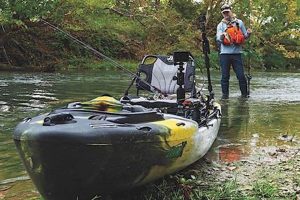
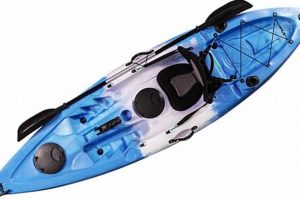
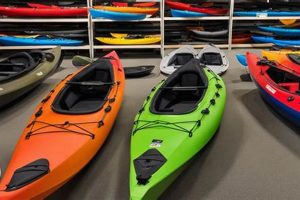
The monetary value associated with acquiring a kayak, whether through purchase or rental, is a crucial factor for consumers. This price point is influenced by various elements, including the kayak’s size, material, features, brand, and condition (new or used). For instance, a basic recreational kayak made of polyethylene will typically have a lower price tag than a high-performance fiberglass sea kayak.
Understanding kayak pricing empowers consumers to make informed decisions aligned with their budget and paddling needs. Historically, kayaking was primarily accessible to a limited demographic due to the cost of specialized equipment. However, advancements in manufacturing and materials have led to a wider range of options available at varying price points, making the sport more accessible to a broader audience. This affordability has contributed to the increasing popularity of kayaking as a recreational activity.
This exploration of kayak pricing serves as a foundation for delving into related topics such as choosing the right kayak type, evaluating features and materials, and finding reputable retailers or rental services. Subsequent sections will address these areas in detail, providing readers with a comprehensive understanding of the kayak market.
Kayak Affordability Tips
Acquiring a kayak can be a significant investment. Careful consideration of budgetary constraints and purchasing strategies can lead to substantial savings. The following tips provide guidance for maximizing value when selecting a kayak.
Tip 1: Define Paddling Needs: Clearly identifying intended usagerecreational paddling, fishing, touring, or whitewaterhelps narrow down suitable kayak types, avoiding unnecessary expenditure on specialized features.
Tip 2: Explore Used Kayaks: Purchasing a pre-owned kayak offers significant cost savings. Thorough inspection for damage and wear is crucial before committing to a purchase.
Tip 3: Consider Off-Season Purchases: Retailers often offer discounts during the off-season (typically fall and winter) to clear inventory, presenting opportunities for budget-conscious buyers.
Tip 4: Compare Prices Across Retailers: Diligent price comparison across various online and brick-and-mortar stores ensures the best possible deal is secured.
Tip 5: Factor in Additional Costs: The overall cost extends beyond the kayak itself. Essential accessories like paddles, life vests, and storage solutions should be factored into the budget.
Tip 6: Rent Before Buying: Renting various kayak types provides valuable firsthand experience, enabling informed decisions before making a substantial investment.
Tip 7: Consider Package Deals: Retailers frequently offer package deals that bundle kayaks with essential accessories at a discounted price compared to purchasing items individually.
By employing these strategies, consumers can make informed decisions and potentially minimize the financial outlay associated with acquiring a kayak, ensuring the enjoyment of the sport remains accessible and affordable.
These tips offer practical guidance for navigating the kayak market and optimizing value. The following section will provide concluding remarks and reiterate the key takeaways for prospective kayak owners.
1. Retail Price

Retail price represents a significant component within the overall cost of kayak ownership. This price, established by retailers, reflects various factors including manufacturing costs, material quality, brand recognition, features, and market demand. A direct correlation exists between retail price and the overall financial investment required to acquire a kayak. For example, a recreational kayak constructed from rotomolded polyethylene might have a retail price between $300 and $800, while a composite sea kayak, utilizing more advanced materials and construction techniques, could command a retail price exceeding $2000. Understanding the retail price landscape allows consumers to establish a baseline budget and explore options within their financial constraints.
The retail price serves as a starting point for evaluating the overall cost, influencing subsequent decisions regarding accessories, transportation, and maintenance. Consumers benefit from researching retail prices across various vendors, comparing features and build quality to ensure optimal value. This informed approach empowers individuals to make sound purchasing decisions aligned with their paddling needs and budgetary limitations. For instance, comparing retail prices on similar kayak models from different brands might reveal significant price disparities, potentially leading to substantial savings without compromising quality or features. Furthermore, understanding how retail prices fluctuate seasonally can create opportunities to secure discounted kayaks during off-peak periods.
In conclusion, the retail price of a kayak plays a pivotal role in the overall cost of ownership. Careful consideration of retail pricing, coupled with diligent research and comparison shopping, enables consumers to make informed decisions, maximizing value and minimizing unnecessary expenditure. This understanding ultimately empowers individuals to select a kayak that aligns with both their paddling aspirations and financial resources, fostering a positive and sustainable experience within the sport.
2. Rental Fees
Rental fees represent a significant point of entry into the world of kayaking, offering a practical alternative to immediate purchase. These fees directly impact the overall cost associated with experiencing the sport, especially for beginners or those seeking infrequent paddling opportunities. The relationship between rental fees and the broader concept of kayak cost is multifaceted, influenced by factors such as rental duration, kayak type, location, and seasonal demand. For instance, renting a basic recreational kayak for a few hours might cost between $20 and $50, while renting a high-performance sea kayak for a multi-day trip could exceed $100 per day. Understanding these cost dynamics allows individuals to assess the financial viability of renting versus buying, considering their paddling frequency and long-term commitment to the sport.
Analyzing rental fees provides valuable insights into the overall cost landscape of kayaking. By comparing rental rates across different providers and kayak types, individuals can make informed decisions about equipment choices and budgetary allocations. Furthermore, rental experiences offer an opportunity to test various kayak models before committing to a purchase, mitigating the risk of investing in an unsuitable craft. For example, someone considering a fishing kayak might rent different models to evaluate stability, storage capacity, and maneuverability before making a substantial purchase. This practical approach allows for informed decision-making, aligning equipment choices with individual paddling styles and preferences.
In summary, rental fees constitute a crucial element within the broader context of kayak cost. Careful consideration of rental rates, coupled with strategic planning and comparison shopping, enables individuals to explore the sport affordably. By understanding the financial implications of renting versus buying, individuals can make informed decisions that maximize their enjoyment of kayaking while minimizing unnecessary expenditures. This pragmatic approach ultimately fosters accessibility and promotes sustainable participation within the paddling community.
3. Material Expenses
Material expenses represent a significant factor influencing the overall cost of kayak ownership. These expenses encompass the costs associated with the materials used in kayak construction, repair, and maintenance. Understanding these costs is crucial for making informed decisions regarding kayak selection, upkeep, and long-term budgetary planning.
- Hull Material
The hull material significantly impacts both the initial purchase price and the long-term maintenance costs of a kayak. Durable materials like polyethylene are generally more affordable upfront but may require less frequent repairs. Higher-end materials such as fiberglass or Kevlar offer enhanced performance characteristics but can be more expensive to purchase and repair. For example, repairing a crack in a fiberglass hull can be substantially more expensive than patching a similar damage in a polyethylene kayak.
- Deck Fittings and Hardware
Deck fittings, including hatches, bungee cords, and seat components, contribute to the overall material expenses. These components can vary in quality and price, influencing both the initial cost and the potential for future replacements. Higher-quality fittings generally offer greater durability and longevity, potentially reducing long-term maintenance costs. For example, stainless steel hardware is typically more corrosion-resistant and durable than less expensive alternatives, potentially reducing the need for replacements over time.
- Repair Materials
Repair materials, such as epoxy resins, fiberglass cloth, and sealants, constitute an ongoing material expense for kayak owners. The frequency and cost of repairs depend on usage, storage conditions, and the inherent durability of the kayak’s materials. Maintaining a supply of essential repair materials allows for timely interventions, preventing minor damage from escalating into more costly repairs. For example, promptly repairing a small scratch can prevent water ingress and subsequent structural damage, minimizing overall repair costs.
- Maintenance Supplies
Routine maintenance supplies, including cleaning agents, UV protectants, and lubricants, contribute to the overall material expenses associated with kayak ownership. Regular maintenance helps preserve the kayak’s condition, extending its lifespan and potentially reducing the need for major repairs. For example, applying UV protectant regularly can prevent fading and material degradation caused by sun exposure, preserving the kayak’s appearance and structural integrity.
Considering these diverse material expenses provides a comprehensive understanding of the true cost of kayak ownership. Evaluating the trade-offs between initial purchase price, material durability, and long-term maintenance costs empowers consumers to make informed decisions aligned with their budget and paddling needs. By understanding the relationship between material expenses and overall cost, individuals can select a kayak and develop a maintenance plan that optimizes value and ensures long-term enjoyment of the sport.
4. Maintenance Costs
Maintenance costs represent a recurring expenditure directly impacting the long-term cost of kayak ownership. While often overlooked during the initial purchase, these costs contribute significantly to the overall financial commitment. Understanding the various facets of kayak maintenance and their associated expenses allows for informed budgetary planning and sustainable ownership.
- Storage
Proper storage significantly influences a kayak’s lifespan and, consequently, long-term costs. Outdoor storage exposes kayaks to the elements, potentially accelerating wear and tear. Indoor storage, while often more protective, can also incur costs, such as renting storage space or constructing dedicated storage facilities. Choosing appropriate storage solutions, whether indoor or outdoor, requires careful consideration of environmental factors, security concerns, and budgetary constraints.
- Cleaning and Care
Regular cleaning and care are essential for preserving a kayak’s condition and preventing premature deterioration. Cleaning removes dirt, grime, and saltwater residue, which can degrade the hull material over time. Applying UV protectants safeguards against sun damage, particularly for kayaks stored outdoors. These maintenance practices, while incurring modest expenses for cleaning supplies and protectants, contribute significantly to the kayak’s longevity and minimize the need for costly repairs or replacements.
- Repairs
Repairs, whether minor or substantial, constitute an inevitable aspect of kayak ownership. Minor repairs, such as patching small holes or replacing worn-out bungee cords, can often be performed by the owner, minimizing expenses. However, more significant damage, such as structural cracks or extensive hull damage, may necessitate professional repair services, potentially incurring substantial costs. The frequency and extent of repairs depend on usage, storage conditions, and the inherent durability of the kayak’s materials. Maintaining a well-equipped repair kit and promptly addressing minor damage can prevent issues from escalating and minimize overall repair costs.
- Replacement Parts
Periodic replacement of parts, such as hatches, seats, and hardware, contributes to the long-term maintenance costs of a kayak. The lifespan of these components varies depending on usage, material quality, and environmental exposure. Opting for higher-quality replacement parts, while potentially more expensive upfront, can offer enhanced durability and longevity, reducing the frequency of replacements and minimizing overall expenses. Furthermore, maintaining a supply of commonly replaced parts, such as hatch covers and bungee cords, can ensure timely repairs and prevent disruptions to paddling activities.
These maintenance costs, while individually modest, accumulate over time and significantly influence the overall cost of kayak ownership. Integrating these expenses into budgetary considerations ensures a realistic assessment of the long-term financial commitment associated with owning a kayak. Proactive maintenance practices, while incurring upfront costs, can mitigate the need for extensive repairs or premature replacements, ultimately reducing long-term expenses and maximizing the enjoyment of the sport.
5. Accessory Pricing

Accessory pricing plays a crucial role in the overall cost of kayak ownership. While the kayak itself represents a significant initial investment, necessary accessories contribute substantially to the total expenditure. These accessories, ranging from essential safety equipment to performance-enhancing gear, influence both the initial outlay and the long-term cost of enjoying the sport. A clear understanding of accessory pricing empowers consumers to budget effectively and make informed purchasing decisions. For instance, a basic paddle can cost between $50 and $150, while a high-end carbon fiber paddle might exceed $400. Similarly, a personal flotation device (PFD) can range from $30 to $200, depending on features and construction. These seemingly small expenses accumulate rapidly, impacting the overall affordability of kayaking.
The impact of accessory pricing on kayak cost extends beyond the initial purchase. Some accessories, like paddles and PFDs, require periodic replacement due to wear and tear. Other accessories, such as roof racks for transportation, represent a one-time investment but still contribute significantly to the overall cost. Furthermore, specialized accessories for specific kayaking disciplines, like fishing or whitewater, can add considerable expense. For example, a fishing kayak angler might require rod holders, fish finders, and specialized storage solutions, each adding to the overall cost. Similarly, a whitewater kayaker might need a helmet, spray skirt, and specialized paddling gear, further increasing expenses. Understanding these nuanced costs allows for more accurate budgeting and informed decision-making.
In summary, accessory pricing constitutes a critical component of overall kayak cost. Careful consideration of accessory needs and associated expenses ensures a realistic assessment of the financial commitment required for kayaking. Evaluating the trade-offs between essential safety equipment, performance-enhancing gear, and specialized accessories empowers consumers to prioritize purchases and optimize their kayaking budget. This informed approach promotes responsible spending and enhances the long-term enjoyment of the sport without incurring unnecessary financial burdens.
6. Transportation Costs

Transportation costs represent a frequently overlooked yet significant component of the overall cost associated with kayak ownership. The relationship between transportation expenses and the broader concept of “cost kayak” is multifaceted, encompassing both the initial acquisition and ongoing usage of the kayak. Transporting a kayak often necessitates specialized equipment, such as roof racks, trailers, or pickup truck bed extenders. These initial investments contribute directly to the overall cost. Furthermore, the ongoing expenses associated with fuel consumption for transporting the kayak to and from various paddling locations represent a recurring expenditure that must be factored into the overall cost assessment. For instance, a kayak owner residing a considerable distance from suitable paddling locations will incur higher transportation costs compared to someone living within close proximity. This geographical factor significantly influences the long-term financial implications of kayak ownership.
The practical significance of understanding transportation costs lies in the ability to make informed decisions regarding kayak selection and usage. Kayak size and weight directly influence transportation logistics and associated expenses. Larger, heavier kayaks may require more robust and expensive transportation solutions, potentially increasing both initial investment and ongoing fuel costs. Conversely, smaller, lighter kayaks offer greater portability and reduced transportation expenses. For example, inflatable kayaks, due to their compact nature when deflated, offer significant advantages in terms of transportation costs, eliminating the need for specialized roof racks or trailers. Evaluating these trade-offs between kayak size, weight, and transportation costs empowers consumers to select kayaks aligned with their individual needs and budgetary constraints. Furthermore, considering transportation costs when planning paddling trips can lead to significant savings by optimizing routes and minimizing travel distances. For instance, exploring local paddling options or coordinating transportation with fellow kayakers can reduce individual expenses and promote a more sustainable approach to enjoying the sport.
In conclusion, transportation costs constitute a crucial element within the broader context of “cost kayak.” A comprehensive understanding of these expenses, including initial investments in transportation equipment and ongoing fuel costs, allows for accurate budgeting and informed decision-making. By carefully evaluating the interplay between kayak characteristics, transportation logistics, and associated expenses, individuals can optimize their kayaking experience while minimizing financial burdens. This pragmatic approach fosters accessibility and promotes sustainable participation within the paddling community. Failing to account for transportation costs can lead to unforeseen financial strain and potentially limit access to kayaking opportunities. Integrating these costs into overall budgetary considerations ensures a realistic and sustainable approach to enjoying the sport.
Frequently Asked Questions
This section addresses common inquiries regarding the financial aspects of kayak ownership and provides clear, concise answers to facilitate informed decision-making.
Question 1: What is the average cost of a recreational kayak?
Recreational kayak pricing typically ranges from $300 to $1000, depending on factors such as size, material, features, and brand. Entry-level models generally fall within the lower end of this spectrum, while kayaks with advanced features or higher-quality construction command higher prices.
Question 2: Are inflatable kayaks a cost-effective alternative?
Inflatable kayaks often present a more budget-friendly option, generally ranging from $100 to $500. While offering advantages in portability and storage, inflatable kayaks may not provide the same performance or durability as rigid kayaks.
Question 3: How do used kayaks factor into cost considerations?
Purchasing a used kayak can significantly reduce the initial investment. However, careful inspection for damage and wear is crucial. Used kayak pricing varies considerably depending on condition, age, and model.
Question 4: What additional costs should be considered beyond the kayak itself?
Essential accessories, including paddles, life vests, and storage solutions, contribute to the overall cost. Transportation costs, storage fees, and potential repair expenses should also be factored into budgetary considerations.
Question 5: How does kayak maintenance impact long-term costs?
Regular maintenance, including cleaning, storage, and occasional repairs, influences long-term costs. Proper care can extend a kayak’s lifespan, minimizing the need for premature replacements or extensive repairs.
Question 6: Are there financing options available for purchasing a kayak?
Several financing options exist, including retail financing plans, personal loans, and credit card purchases. Carefully evaluating interest rates and repayment terms ensures responsible financial planning.
Understanding these cost factors facilitates informed decision-making, enabling individuals to select kayaks and accessories aligned with both paddling aspirations and budgetary limitations.
The subsequent section delves into specific kayak types and their associated costs, providing a more granular understanding of the kayak market.
Cost Kayak
Navigating the kayak market requires a comprehensive understanding of the various factors influencing overall cost. From the initial purchase price to ongoing maintenance expenses, transportation costs, and necessary accessories, each element contributes to the total financial commitment. Careful consideration of these factors, coupled with diligent research and comparison shopping, empowers consumers to make informed decisions aligned with individual budgetary constraints and paddling aspirations. Understanding the nuances of kayak pricing, including the impact of materials, features, and brand reputation, enables informed choices that maximize value and minimize unnecessary expenditure. Furthermore, recognizing the long-term costs associated with maintenance, repairs, and transportation ensures a realistic assessment of the overall financial investment.
The financial aspects of kayak ownership represent a crucial consideration for prospective buyers. By approaching the market with a clear understanding of cost dynamics, individuals can embark on their paddling journeys equipped with the knowledge necessary for responsible and sustainable kayak ownership. This informed approach fosters accessibility to the sport and promotes long-term enjoyment without incurring undue financial burdens. Ultimately, informed decision-making regarding kayak costs enhances the overall paddling experience, fostering a deeper appreciation for the sport and its inherent connection with nature.