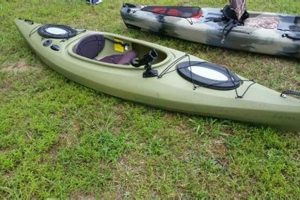
The sport of angling from a small, human-powered watercraft offers unique access to South Carolina’s diverse waterways, from the blackwater rivers and cypress swamps of the Lowcountry to the saltwater marshes and coastal inlets. This approach allows anglers to navigate shallow waters and secluded areas inaccessible to larger, motorized boats, pursuing a variety of freshwater and saltwater species.
This method offers several advantages. It provides a quiet, non-intrusive way to interact with the natural environment, promoting a deeper connection with the outdoors. The low cost of entry compared to traditional powerboating makes the sport accessible to a broader range of participants. Furthermore, the physical activity involved adds an element of exercise to the fishing experience. South Carolinas long and storied relationship with both fishing and watersports provides a rich context for this increasingly popular activity.
The following sections will explore specific locations, target species, necessary equipment, licensing and regulations, safety considerations, and resources for those interested in experiencing the Palmetto State from this unique perspective.
Tips for Kayak Fishing in South Carolina
Careful planning and preparation contribute significantly to a successful and enjoyable outing. The following tips provide valuable insights for maximizing one’s experience on South Carolina waters.
Tip 1: Research Locations Thoroughly: Different locations offer unique fishing opportunities and challenges. Water conditions, tidal flows, and species availability vary. Consulting local fishing reports and guides can provide crucial information for selecting a suitable location.
Tip 2: Prioritize Safety Equipment: A personal flotation device (PFD) is essential and should be worn at all times. A whistle, signaling device, and first-aid kit are also recommended. Checking weather forecasts before departure is crucial for avoiding hazardous conditions.
Tip 3: Choose Appropriate Gear: Rod and reel selection should align with the target species. Using appropriate lures, bait, and tackle increases the chances of success. A landing net and pliers facilitate safe fish handling.
Tip 4: Understand Licensing and Regulations: Ensure compliance with all state fishing regulations, including licensing requirements and catch limits. Respecting local ordinances protects fish populations and ensures sustainable fishing practices.
Tip 5: Plan for Tides and Currents: Tidal movements significantly impact fishing conditions in coastal areas. Understanding tide charts helps anglers predict optimal fishing times and avoid navigating strong currents.
Tip 6: Practice Kayak Control: Familiarity with basic paddling techniques enhances maneuverability and stability. Practicing in calm waters before venturing into more challenging environments is recommended.
Tip 7: Respect Wildlife and the Environment: Practicing catch-and-release conservation techniques preserves fish populations. Proper disposal of fishing line and other waste minimizes environmental impact.
By adhering to these guidelines, anglers can improve their chances of a productive and enjoyable fishing trip, while also promoting responsible and sustainable practices.
These tips offer a foundation for a safe and rewarding experience. The following section will delve deeper into specific locations and their respective fishing opportunities within South Carolina.
1. Location Selection

Strategic location selection is paramount for a successful kayak fishing excursion in South Carolina. The state’s diverse waterways offer a wide array of fishing opportunities, each with unique characteristics influencing species availability, accessibility, and overall experience. Careful consideration of these factors optimizes angling potential and ensures a rewarding trip.
- Coastal Saltwater Flats and Marshes:
Shallow saltwater flats and marshes, prevalent along the South Carolina coast, provide prime habitat for redfish, speckled trout, and flounder. These areas are easily navigable by kayak, allowing anglers to quietly approach feeding grounds. Tidal fluctuations significantly influence fishing conditions, necessitating careful timing and awareness of currents. Kayak anglers can exploit this environment’s shallow drafts to access areas unreachable by larger boats.
- Blackwater Rivers and Swamps:
The blackwater rivers and swamps of the Lowcountry offer a unique and challenging fishing experience. These environments are home to largemouth bass, crappie, and various panfish. Navigating through narrow channels and submerged vegetation requires precise kayak control. The calm, secluded nature of these waterways provides an immersive experience in South Carolina’s natural beauty.
- Lakes and Reservoirs:
South Carolina’s numerous lakes and reservoirs, such as Lake Murray and Lake Hartwell, provide ample opportunities for targeting a variety of species, including striped bass, catfish, and largemouth bass. Kayaks offer access to coves and inlets often overlooked by anglers in larger vessels. Wind and wave conditions can influence kayak stability, requiring careful monitoring and adjustment of fishing techniques.
- Coastal Inlets and Nearshore Ocean:
For experienced kayak anglers, coastal inlets and nearshore ocean areas present exciting possibilities for targeting species like Spanish mackerel, bluefish, and even small sharks. These environments demand heightened awareness of weather conditions, currents, and boating traffic. Proper safety equipment and advanced paddling skills are crucial for navigating these more challenging waters.
Understanding the characteristics of each location and aligning them with target species and angler skill level contributes significantly to a rewarding kayak fishing experience in South Carolina. This informed approach ensures both safety and success on the water, maximizing the potential for memorable catches and immersive engagement with the natural world.
2. Safety Precautions

Safeguarding against potential hazards is paramount in kayak fishing, particularly in the diverse environments of South Carolina. Implementing appropriate safety measures ensures a secure and enjoyable experience, allowing anglers to focus on the sport rather than unforeseen challenges. Neglecting these precautions can jeopardize personal well-being and detract from the overall fishing experience. Understanding and addressing potential risks inherent in this activity are crucial for responsible participation.
- Personal Flotation Devices (PFDs):
A properly fitted PFD is non-negotiable. It provides essential buoyancy in the event of capsizing or unexpected immersion, especially crucial in colder waters or strong currents. South Carolina law mandates PFD availability in kayaks, but wearing it consistently elevates safety beyond mere compliance. Selecting a comfortable, well-maintained PFD, specifically designed for paddling, ensures unrestricted movement while providing maximum protection.
- Weather Awareness and Monitoring:
Checking weather forecasts before embarking on a kayak fishing trip is essential. Sudden changes in wind speed, precipitation, or temperature can create hazardous conditions on the water. Being prepared for potential shifts in weather minimizes risk. Postponing trips due to adverse forecasts demonstrates prudent decision-making, prioritizing safety over immediate gratification. Portable weather radios or smartphone apps provide real-time updates while on the water.
- Communication and Signaling Devices:
Carrying a waterproof cell phone or VHF radio enables communication in case of emergencies. A whistle provides an audible signal to attract attention if assistance is required. Sharing trip plans, including intended location and estimated return time, with someone on shore adds an extra layer of security. These communication strategies ensure timely assistance if unforeseen circumstances arise.
- Navigation and Awareness of Surroundings:
Carrying a chart or GPS device assists with navigation, especially in unfamiliar waters. Awareness of potential hazards, such as submerged obstacles, changing tides, and boat traffic, prevents accidents. Maintaining a safe distance from motorized vessels and respecting marked channels reduces collision risks. Understanding local waterway regulations and navigational markers contributes to informed decision-making on the water.
Implementing these safety precautions enhances the overall kayak fishing experience in South Carolina. Prioritizing safety mitigates potential risks, allowing anglers to fully appreciate the natural beauty and sporting opportunities available throughout the state’s diverse waterways. This proactive approach ensures not only a rewarding but also a secure and responsible engagement with the sport.
3. Specialized Gear

Effective kayak fishing in South Carolina necessitates specialized gear tailored to the unique demands of this angling style. Standard fishing equipment may prove inadequate or cumbersome in a kayak’s confined space. Proper gear selection enhances efficiency, comfort, and overall success on the water. Understanding the nuances of specialized kayak fishing equipment allows anglers to optimize their performance and enjoyment.
- Rods and Reels:
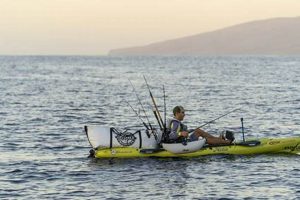
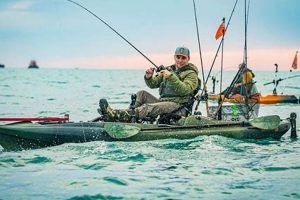
Shorter rods, typically between 6 and 7 feet, are ideal for kayak fishing, providing maneuverability within the limited confines of the vessel. Spinning reels or baitcasting reels, appropriately sized for target species, offer balanced performance. Rod holders, strategically mounted on the kayak, secure rods when not in use, preventing loss or damage. Selecting rod and reel combinations tailored to the specific fishing environment and target species maximizes effectiveness.
- Tackle and Storage:
Lures, hooks, weights, and other tackle should be organized in readily accessible storage containers. Waterproof tackle boxes or bags protect equipment from splashes and submersion. A well-organized tackle system streamlines lure changes and minimizes time spent searching for necessary items, maximizing fishing time. Choosing tackle appropriate for target species in the chosen fishing location enhances success rates.
- Kayak Modifications and Accessories:
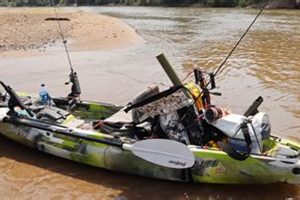
Anchor systems, including anchor trolleys, allow precise positioning in desired fishing spots. Fish finders provide valuable insights into underwater structures and fish locations. Rod holders, paddle clips, and other specialized accessories enhance organization and efficiency on the kayak. These modifications improve functionality and tailor the kayak to the specific needs of the angler.
- Safety and Comfort Gear:
A comfortable and supportive seat enhances endurance during long fishing trips. Wearing appropriate clothing, including sun protection and rain gear, ensures comfort regardless of weather conditions. Carrying essential safety equipment, such as a whistle, signaling device, and first-aid kit, prepares anglers for unforeseen circumstances. Prioritizing safety and comfort maximizes enjoyment and preparedness on the water.
Investing in and utilizing specialized gear significantly enhances kayak fishing experiences in South Carolina. The selection of appropriate equipment contributes directly to angling success and overall enjoyment on the water. By carefully considering these elements, anglers can optimize their performance and fully appreciate the unique opportunities afforded by kayak fishing in South Carolinas diverse waterways.
4. Target Species

The diverse ecosystems of South Carolina offer kayak anglers a wide array of target species. Understanding the habitat preferences, feeding patterns, and seasonal availability of these species is crucial for a successful fishing experience. Selecting appropriate tackle and techniques tailored to specific target species maximizes catch rates and promotes responsible angling practices. The following explores several key species sought by kayak anglers in South Carolina.
- Redfish (Red Drum):
Redfish, a popular inshore species, inhabit shallow saltwater flats, creeks, and marshes along the South Carolina coast. They are opportunistic feeders, consuming crustaceans, small fish, and mollusks. Kayak anglers often target redfish using artificial lures or live bait, employing techniques like sight fishing in clear, shallow water. Their powerful runs and acrobatic fights make them a prized catch.
- Speckled Trout (Spotted Seatrout):
Speckled trout, another favored inshore species, share similar habitats with redfish, often found in grassy flats and around oyster beds. They are ambush predators, primarily feeding on small fish. Kayak anglers target speckled trout using topwater lures, soft plastics, and live shrimp. Their aggressive strikes and delicate flavor make them a desirable target.
- Largemouth Bass:
Largemouth bass thrive in South Carolina’s freshwater lakes, reservoirs, and blackwater rivers and swamps. They are opportunistic predators, feeding on a variety of prey, including fish, frogs, and insects. Kayak anglers target largemouth bass using a variety of lures and techniques, including topwater frogs, crankbaits, and plastic worms. Their hard-fighting nature and widespread availability make them a popular target.
- Flounder (Southern Flounder):
Flounder, a unique flatfish species, inhabits sandy or muddy bottoms in shallow coastal waters. They are ambush predators, camouflaging themselves on the seafloor and waiting for unsuspecting prey to swim by. Kayak anglers target flounder using live bait or artificial lures rigged close to the bottom. Their subtle strikes and excellent table fare make them a sought-after species.
Targeting these and other species from a kayak provides a unique and rewarding angling experience in South Carolina. Understanding the nuances of each species’ behavior and habitat enhances success and promotes conservation. By respecting catch limits and employing ethical fishing practices, kayak anglers contribute to the sustainability of South Carolina’s diverse fish populations for future generations.
5. Local Regulations
Adherence to local regulations is essential for responsible kayak fishing in South Carolina. These regulations, established by the South Carolina Department of Natural Resources (SCDNR), aim to conserve fish populations, protect sensitive ecosystems, and ensure equitable access to the state’s waterways. Ignoring these regulations can result in fines, legal repercussions, and damage to the environment. Understanding and complying with these rules is therefore crucial for both ethical angling and the long-term health of South Carolina’s aquatic resources.
Specific regulations relevant to kayak fishing include licensing requirements, catch limits, size restrictions for certain species, and permitted fishing methods. For example, anglers targeting redfish in South Carolina must possess a valid saltwater fishing license and adhere to the catch limit of one fish per person per day, with a slot size restriction of 15 to 23 inches. Similarly, specific regulations govern fishing in certain areas, such as designated marine protected areas or during specific seasons. Consulting the SCDNR website or contacting local offices provides access to the most up-to-date regulations and ensures compliance. Understanding these specific regulations, which can vary by species and location, is paramount for lawful and responsible fishing.
Compliance with local regulations contributes significantly to the sustainability of kayak fishing in South Carolina. By adhering to catch limits and size restrictions, anglers help maintain healthy fish populations and protect breeding stock. Respecting closures and area restrictions safeguards sensitive habitats and ensures the long-term viability of the resource. Responsible angling practices, informed by current regulations, benefit both the environment and the future of the sport. Familiarization with and adherence to these guidelines constitute ethical participation in kayak fishing within South Carolina.
6. Kayak Control Skills

Proficient kayak control is fundamental to successful and safe kayak fishing in South Carolina. The state’s diverse waterways, ranging from calm lakes to dynamic coastal estuaries, present varied conditions requiring adaptable paddling techniques. Effective maneuvering enables anglers to position themselves strategically for optimal casting, navigate challenging currents and winds, and maintain stability in diverse water conditions. Without adequate control, anglers may struggle to reach desired fishing spots, present lures effectively, or maintain a safe and stable fishing platform. This can lead to missed opportunities, frustration, and potentially hazardous situations, particularly in challenging environments like tidal creeks or windy open water.
Consider navigating a narrow tidal creek choked with overhanging vegetation. Precise paddle strokes are essential for maneuvering through tight spaces, avoiding entanglement, and maintaining a stealthy approach to avoid spooking fish. Similarly, in open water scenarios subject to wind and currents, effective bracing and paddling techniques are crucial for maintaining stability and preventing capsizing. Strong paddling skills also enable anglers to cover greater distances efficiently, exploring more water and maximizing fishing opportunities. Furthermore, the ability to control kayak position subtly and maintain a desired heading is crucial for effective drift fishing, allowing anglers to present baits naturally along desired contours or structure.
Mastery of fundamental kayak control skills, including forward and reverse paddling, turning strokes, bracing, and effective ruddering techniques, significantly enhances angling success and safety. These skills empower anglers to navigate diverse environments effectively, position themselves advantageously for casting, and maintain stability in challenging conditions. This proficiency translates to a more productive, enjoyable, and ultimately safer kayak fishing experience in the dynamic waters of South Carolina.
Frequently Asked Questions
This section addresses common inquiries regarding kayak fishing in South Carolina, providing concise and informative responses to assist prospective anglers in planning safe and successful excursions.
Question 1: What type of kayak is best suited for fishing in South Carolina?
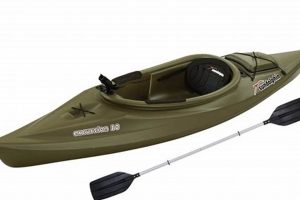
Sit-on-top kayaks are generally preferred for their stability, ease of entry and exit, and ample storage space. Specific features, such as rod holders and anchor systems, enhance their suitability for fishing. The choice depends on individual preferences, target fishing locations, and angler experience.
Question 2: Are there specific licensing requirements for kayak fishing?
A valid South Carolina fishing license is required for all anglers, regardless of whether fishing from a kayak, shore, or other vessel. Specific license types, such as saltwater versus freshwater, depend on the fishing location. Consult the South Carolina Department of Natural Resources (SCDNR) for detailed licensing information and regulations.
Question 3: What essential safety equipment should be carried on a kayak fishing trip?
Essential safety gear includes a personal flotation device (PFD), a whistle, a visual distress signal, a first-aid kit, and a communication device such as a waterproof cell phone or VHF radio. A bilge pump, paddle leash, and sponge are also recommended for managing water accumulation in the kayak.
Question 4: Where can reliable information on tides, currents, and weather forecasts be obtained?
NOAA weather forecasts, local tide charts, and online resources specific to South Carolina coastal areas provide crucial information on current conditions and anticipated changes. Checking these resources before embarking on a fishing trip is essential for safety and planning.
Question 5: What are the best times of year for kayak fishing in South Carolina?
South Carolina offers year-round fishing opportunities, but optimal seasons vary depending on target species. Spring and fall generally provide favorable conditions for inshore saltwater fishing, while cooler months can be productive for freshwater species. Researching specific species’ seasonal patterns informs trip planning.
Question 6: Are there guided kayak fishing tours available in South Carolina?
Numerous outfitters and guides across the state offer guided kayak fishing tours, catering to various skill levels and target species. Guided tours provide valuable local knowledge, access to productive fishing spots, and enhanced safety for novice anglers.
Careful consideration of these frequently asked questions, combined with thorough research and preparation, contributes significantly to safe and rewarding kayak fishing experiences in South Carolina. Understanding local regulations, prioritizing safety precautions, and selecting appropriate gear enhance enjoyment and promote responsible angling practices.
For further information and resources, consult the South Carolina Department of Natural Resources website or local fishing organizations.
Conclusion
This exploration has highlighted the multifaceted nature of kayak angling within South Carolina. From the selection of appropriate gear and adherence to safety protocols to the understanding of local regulations and the mastery of kayak control techniques, each element contributes significantly to a successful and enriching experience. The diverse ecosystems within the state offer a wide array of target species, providing ample opportunities for anglers of varying skill levels. Strategic location selection, based on target species and environmental conditions, further enhances the likelihood of a productive outing. Ultimately, responsible angling practices, informed by an understanding of conservation principles, ensure the sustainability of this rewarding pursuit.
The future of kayak fishing in South Carolina relies on the continued stewardship of its waterways and the responsible participation of anglers. Through informed decision-making, respect for the environment, and a commitment to conservation, this unique and engaging sport can thrive for generations to come. Careful consideration of the information presented herein empowers anglers to embark on rewarding adventures while contributing to the preservation of South Carolina’s rich aquatic heritage.