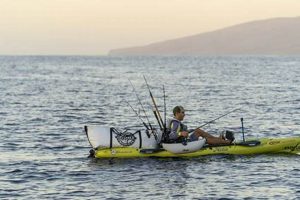
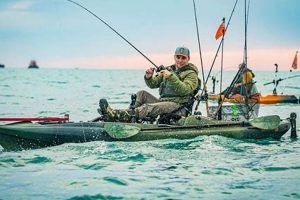
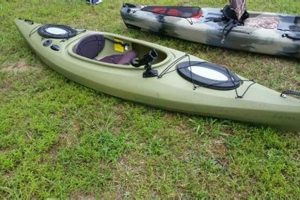
Acquiring a kayak specifically designed for fishing involves considering various retail channels. These range from local, independent sporting goods stores to large national chains, and from specialized online retailers to direct-to-consumer brands. Each option presents unique advantages and disadvantages regarding selection, pricing, and customer service. For example, a local store might offer personalized advice and the opportunity for hands-on inspection, while an online retailer may provide a wider selection and potentially lower prices.
Selecting the right retail outlet is crucial for a satisfying purchase experience. It contributes significantly to obtaining a kayak that meets individual angling needs, budget, and preferences. Historically, purchasing a fishing kayak meant visiting a physical store. However, the rise of e-commerce has expanded options dramatically, allowing consumers to compare models, read reviews, and make purchases from the comfort of their homes. This increased accessibility has contributed to the growing popularity of kayak fishing.
This article will delve into the specifics of each retail channel, outlining the pros and cons of each, and offering guidance on factors to consider when making a purchasing decision. Further sections will explore topics such as evaluating different kayak models, essential fishing accessories, and safety considerations for kayak anglers.
Tips for Locating Fishing Kayaks
Careful consideration of various factors is essential when selecting a retail source for a fishing kayak. The following tips offer guidance for navigating the purchasing process.
Tip 1: Research Local Retailers: Visiting local sporting goods stores allows for in-person inspection of kayaks and consultation with knowledgeable staff. This can be invaluable for assessing comfort, stability, and features.
Tip 2: Explore Online Marketplaces: Online retailers often provide a broader selection and competitive pricing. Reading customer reviews and comparing specifications across different models is facilitated by online platforms.
Tip 3: Consider Direct-to-Consumer Brands: Purchasing directly from the manufacturer can sometimes offer cost savings and access to specialized models. Warranty and customer support options should be carefully reviewed.
Tip 4: Evaluate Shipping Costs and Logistics: For online purchases, factoring in shipping costs and delivery times is crucial. Large items like kayaks can incur significant shipping fees, impacting the overall cost.
Tip 5: Assess Return Policies: Understanding return policies is vital, especially for online purchases. Confirm the process for returns, exchanges, and potential restocking fees.
Tip 6: Compare Warranty Options: Different retailers and manufacturers offer varying warranty terms. Comparing these warranties provides insight into the long-term value and support available.
Tip 7: Factor in Accessories: Consider the availability of essential accessories such as paddles, life vests, and rod holders when choosing a retailer. Bundling accessories can sometimes offer cost advantages.
By considering these tips, consumers can make informed decisions and select a retail source that aligns with their individual needs and priorities. This strategic approach contributes to a positive purchasing experience and ensures acquisition of a suitable fishing kayak.
The subsequent section will provide a comprehensive overview of popular fishing kayak models, highlighting key features and performance characteristics.
1. Local Outfitters

Local outfitters represent a key component within the network of fishing kayak retailers. They offer distinct advantages for consumers seeking personalized service and expert guidance. This direct interaction facilitates informed decision-making, particularly for those new to kayak fishing or seeking specialized advice. For example, an outfitter can assess an individual’s paddling experience, fishing style, and target species to recommend an appropriate kayak model. Furthermore, outfitters often possess in-depth knowledge of local waterways, fishing regulations, and optimal angling locations. This localized expertise can significantly enhance the overall kayaking experience.
Beyond product selection, local outfitters frequently offer additional services such as kayak demos, rentals, and guided fishing trips. These opportunities allow potential buyers to test various kayak models before committing to a purchase. Rentals provide a cost-effective way to experience kayak fishing without initial investment in equipment. Guided trips offer valuable learning experiences for novice anglers, enhancing their skills and knowledge under the supervision of experienced professionals. The combination of product knowledge, personalized service, and supplementary offerings positions local outfitters as valuable resources for kayak anglers.
While online retailers offer convenience and potentially wider selections, local outfitters provide a tangible, interactive experience. This personal connection can be invaluable, particularly for complex purchases like fishing kayaks. Building a relationship with a local outfitter fosters ongoing support, maintenance advice, and access to a community of like-minded individuals. Choosing a local outfitter represents an investment not only in equipment but also in expertise and community engagement, contributing to a more enriching and successful kayak fishing experience.
2. Online Retailers

Online retailers represent a significant channel for acquiring fishing kayaks, offering a distinct set of advantages and disadvantages compared to brick-and-mortar stores. The primary benefit lies in the vastly expanded selection available online. Consumers can browse and compare models from numerous manufacturers, often accessing a wider range of specialized features and price points than typically found in physical stores. This breadth of choice facilitates informed decision-making, allowing anglers to select kayaks tailored to specific needs and preferences. For example, an angler seeking a kayak optimized for stand-up fishing might readily locate specialized models with elevated seating and wider platforms through online retailers, options potentially limited within a local store’s inventory.
However, the online environment also presents challenges. The inability to physically inspect a kayak before purchase necessitates reliance on product descriptions, images, and customer reviews. While reviews provide valuable insights, they represent subjective experiences and may not fully capture the nuances of a kayak’s performance. Furthermore, shipping costs and logistics can significantly impact the overall cost and convenience of online purchases. Large items like kayaks often incur substantial shipping fees, potentially offsetting any initial price advantages. Delivery times can also be a factor, especially for time-sensitive purchases. Finally, the return process for online purchases can be complex, involving packaging, shipping arrangements, and potential restocking fees. These factors underscore the importance of carefully evaluating online retailers’ policies and procedures before committing to a purchase.
In summary, online retailers offer a valuable resource for acquiring fishing kayaks, providing access to a broad selection and potentially competitive pricing. However, the inherent limitations of online shopping require careful consideration. Balancing the benefits of expanded choice against the challenges of remote purchasing requires diligent research, attention to shipping and return policies, and reliance on available product information and customer feedback. Understanding these dynamics allows consumers to leverage the advantages of online retail while mitigating potential drawbacks, ultimately contributing to a satisfying purchasing experience.
3. Big Box Stores

Big box stores represent a readily accessible option for consumers considering fishing kayak purchases. These large retail establishments offer a convenient, one-stop shopping experience, often stocking a variety of outdoor recreational equipment, including kayaks. Understanding the role of big box stores in the kayak retail landscape requires examining their specific characteristics, advantages, and limitations.
- Selection and Inventory:
Big box stores typically carry a limited selection of fishing kayaks compared to specialized retailers or online marketplaces. Inventory often focuses on entry-level models and popular brands, potentially lacking the variety required by anglers seeking specialized features or higher-end performance. While suitable for casual recreational use, the available options may not satisfy experienced anglers or those with specific fishing styles in mind. For example, an angler seeking a kayak equipped for offshore fishing might find limited choices within a big box store’s inventory, necessitating exploration of alternative retail channels.
- Pricing and Value:
Big box stores frequently offer competitive pricing on entry-level kayaks and often run promotional sales events, potentially providing cost savings for budget-conscious consumers. However, the limited selection may restrict access to higher-end models or specialized features. Comparing prices across various retailers, including online marketplaces and specialty stores, ensures informed decision-making regarding value and overall cost.
- Expertise and Customer Service:
Sales staff at big box stores may possess general knowledge of outdoor equipment but often lack the specialized expertise found at dedicated kayak retailers. This limited product knowledge can impact the quality of advice and guidance provided to customers. Anglers seeking in-depth information regarding specific kayak features, fishing techniques, or local waterway conditions may find more comprehensive support at specialty stores or through online communities.
- Convenience and Accessibility:
The widespread availability of big box stores offers significant convenience for consumers. Physical locations allow for in-person inspection of available kayak models, facilitating assessment of size, stability, and basic features. This accessibility can be particularly advantageous for individuals new to kayak fishing or those seeking a straightforward purchasing process. However, the limited selection and potential lack of specialized expertise necessitate careful consideration of individual needs and preferences.
In conclusion, big box stores offer a convenient entry point for individuals exploring kayak fishing. While providing accessible options and potentially competitive pricing, limitations in selection and specialized expertise should be considered. Evaluating individual needs, fishing style, and desired kayak features will determine whether a big box store adequately addresses specific requirements or if alternative retail channels, such as specialty kayak shops or online retailers, offer a more suitable path to acquiring the ideal fishing kayak.
4. Direct-to-Consumer Brands

Direct-to-consumer (DTC) brands represent a growing segment within the fishing kayak market, offering an alternative purchasing pathway distinct from traditional retail channels. Understanding the DTC landscape is crucial for consumers navigating the complexities of acquiring a fishing kayak. DTC brands bypass intermediaries such as distributors and retailers, selling their products directly to consumers through online platforms and occasionally through their own physical showrooms. This direct interaction impacts several key aspects of the purchasing process.
- Pricing and Value:
By eliminating intermediary markups, DTC brands can often offer competitive pricing compared to traditional retail channels. This potential cost advantage can be significant for budget-conscious consumers. However, it’s crucial to compare overall value, considering factors such as included features, warranty terms, and customer support. A lower price doesn’t necessarily equate to superior value if essential features are lacking or post-purchase support is inadequate.
- Customization and Specialization:
DTC brands often specialize in specific kayak designs or cater to niche angling styles. This focus allows for greater innovation and customization options. For example, a DTC brand might specialize in kayaks designed for stand-up fishing, offering features not readily available in mass-produced models. This specialization can be highly attractive to anglers seeking tailored solutions for their specific needs.
- Customer Interaction and Support:
DTC brands often prioritize direct customer interaction, building relationships through online communities and personalized support channels. This direct connection can foster a sense of brand loyalty and facilitate access to expert advice. However, the absence of a traditional retail network may limit opportunities for in-person product inspection or local support services. Relying on online resources and remote communication necessitates a degree of technical proficiency and comfort with digital platforms.
- Warranty and Returns:
Warranty terms and return policies vary significantly among DTC brands. Carefully reviewing these policies before purchase is crucial. While some brands offer robust warranties and flexible return options, others may have more restrictive policies. Understanding the terms and conditions governing post-purchase support and potential returns is essential for mitigating risks and ensuring a satisfactory ownership experience.
The rise of DTC brands within the fishing kayak market offers both opportunities and challenges for consumers. Potential cost savings, specialized designs, and direct customer interaction are compelling advantages. However, the lack of physical retail presence, reliance on online resources, and variability in warranty/return policies necessitate careful consideration. By thoroughly researching DTC brands, comparing offerings with traditional retail channels, and understanding the nuances of the direct-to-consumer model, anglers can make informed decisions that align with their individual needs and priorities in acquiring a fishing kayak.
5. Classified Advertisements
Classified advertisements offer a distinct avenue for acquiring used fishing kayaks, representing a cost-effective alternative to purchasing new. This secondary market provides opportunities to find kayaks at potentially reduced prices, benefiting budget-conscious buyers. However, navigating the classifieds landscape requires careful consideration of potential risks and benefits. For example, a lightly used, high-end fishing kayak might be available at a significant discount compared to its original retail price, offering substantial value for a discerning buyer. Conversely, a poorly maintained kayak with undisclosed damage could present a costly investment despite an initially attractive price.
Several factors contribute to the importance of classified advertisements as a component within the broader context of “where to buy fishing kayaks.” Firstly, they expand access to a wider range of kayaks, including older models or discontinued lines no longer available through traditional retail channels. Secondly, they foster direct interaction between buyers and sellers, enabling detailed inquiries about a kayak’s history, usage, and condition. This direct communication can provide valuable insights beyond standardized product descriptions. Thirdly, classifieds often cater to localized markets, facilitating convenient transactions and eliminating shipping costs associated with online purchases. For example, a local angler upgrading their equipment might list their previous kayak in a community-based classifieds platform, allowing a prospective buyer within the same area to inspect the kayak in person and complete the transaction locally.
Effectively utilizing classified advertisements requires a strategic approach. Thorough research, including comparison of similar models and prevailing market prices, establishes a baseline for evaluating advertised kayaks. Detailed questioning of sellers regarding usage history, maintenance records, and any existing damage is crucial. Insisting on a physical inspection of the kayak before purchase allows for assessment of its condition and identification of potential issues not readily apparent in online listings. Finally, securing a bill of sale and verifying ownership protects both buyer and seller. By understanding the dynamics of classified advertisements and applying these practical strategies, consumers can leverage this valuable resource to acquire quality used fishing kayaks at potentially significant cost savings while mitigating inherent risks.
6. Specialty Kayak Shops

Specialty kayak shops occupy a distinct niche within the landscape of fishing kayak retail, offering specialized expertise and curated selections often unavailable in broader sporting goods stores or online marketplaces. Understanding their role is crucial for consumers seeking informed guidance and access to specific kayak models or accessories. These shops cater specifically to paddle sports enthusiasts, fostering a deeper understanding of kayak fishing requirements and nuanced product knowledge.
- Expert Advice and Personalized Service:
Staff at specialty kayak shops possess in-depth knowledge of various kayak models, paddling techniques, and fishing-specific adaptations. This expertise facilitates personalized recommendations tailored to individual angler needs, experience levels, and target fishing environments. For instance, an angler seeking a kayak suitable for river fishing might receive guidance on hull design, stability considerations, and maneuverability in currents insights potentially unavailable from less specialized retailers. This personalized service contributes significantly to informed purchase decisions.
- Curated Selection and Specialized Inventory:
Specialty kayak shops often carry a carefully curated selection of fishing kayaks, prioritizing quality, performance, and specific angling applications. This focused inventory might include high-end models, specialized fishing kayaks, and a range of accessories tailored for kayak angling. For example, a shop might specialize in kayaks designed for specific fishing styles, such as fly fishing or trolling, offering models optimized for those techniques. This curated approach provides access to equipment that may not be readily available elsewhere.
- Community Engagement and Events:
Specialty kayak shops frequently serve as hubs for local paddling communities, organizing events, workshops, and guided trips. These opportunities foster connections among kayak anglers, providing access to valuable local knowledge and shared experiences. For instance, a shop might host a workshop on kayak fishing techniques or organize a group outing to a nearby fishing spot. This community engagement enhances the overall kayak fishing experience beyond the initial purchase.
- Post-Purchase Support and Maintenance:
Beyond the initial sale, specialty kayak shops often provide ongoing support, including maintenance services, repairs, and customization options. This continued assistance contributes to the long-term value of a kayak purchase. For example, a shop might offer kayak maintenance workshops or provide repair services for damaged hulls or outfitting components. This post-purchase support strengthens the customer relationship and ensures continued enjoyment of the sport.
In the context of “where to buy fishing kayaks,” specialty shops offer a distinct advantage for those prioritizing expert guidance, specialized inventory, and community engagement. While potentially representing a higher initial investment compared to some other retail channels, the long-term benefits of informed purchasing decisions, specialized equipment, and ongoing support can significantly enhance the overall kayak fishing experience. The choice between a specialty shop and other retail avenues depends on individual priorities, budget considerations, and the desired level of product knowledge and personalized service.
Frequently Asked Questions
This section addresses common inquiries regarding the acquisition of fishing kayaks, providing concise and informative responses to facilitate informed purchasing decisions.
Question 1: What is the average price range for a fishing kayak?
Fishing kayak prices vary significantly based on features, materials, and brand reputation. Entry-level kayaks typically range from $500 to $1000, while higher-end models can exceed $3000. Factors influencing price include hull design, propulsion systems (pedal or paddle), integrated features, and material quality (e.g., rotomolded polyethylene vs. composite construction).
Question 2: What are the key features to consider when selecting a fishing kayak?
Essential features include stability, comfort, storage capacity, and fishing-specific adaptations. Stability ensures angler safety and facilitates casting/retrieving. Comfort features, such as adjustable seating and footrests, contribute to longer paddling sessions. Ample storage accommodates fishing gear and personal items. Fishing-specific adaptations, such as rod holders, tackle storage compartments, and anchor trolleys, enhance angling functionality.
Question 3: What are the advantages and disadvantages of sit-on-top versus sit-inside kayaks for fishing?
Sit-on-top kayaks offer superior stability, ease of entry/exit, and self-bailing capabilities, making them suitable for warmer climates and calmer waters. Sit-inside kayaks provide better protection from the elements and offer drier paddling experiences, making them suitable for colder conditions or rougher waters. Angler preferences, fishing environment, and climate considerations influence the choice between these designs.
Question 4: Where can one find reputable retailers specializing in fishing kayaks?
Reputable retailers include local specialty kayak shops, established online retailers specializing in outdoor gear, and direct-to-consumer brands. Researching retailer reputations through online reviews, community forums, and industry publications assists in identifying trustworthy sources.
Question 5: What safety precautions should one take when purchasing a used fishing kayak?
Inspecting a used kayak thoroughly for damage, wear, and proper functionality is crucial. Inquiring about the kayak’s usage history, maintenance records, and any previous repairs provides valuable insights. Verifying ownership and securing a bill of sale protects the buyer’s interests. Testing the kayak on the water, if possible, confirms its performance and stability.
Question 6: What essential accessories complement a fishing kayak purchase?
Essential accessories include a properly fitted personal flotation device (PFD), a paddle appropriate for the kayak’s design and the angler’s physique, and a suitable anchor system. Additional accessories, such as rod holders, tackle storage solutions, and fish finders, enhance angling functionality and convenience.
Careful consideration of these frequently asked questions facilitates informed decisions regarding fishing kayak acquisitions. Evaluating individual needs, fishing style, budget constraints, and environmental factors contributes significantly to selecting the optimal kayak and ensuring a satisfying ownership experience.
The following section will delve into specific kayak models, offering detailed reviews and comparisons to further assist purchasing decisions.
Conclusion
Strategic acquisition of a fishing kayak requires careful consideration of diverse retail channels, each presenting unique advantages and disadvantages. Local outfitters offer personalized expertise, while online retailers provide broader selections. Big box stores offer convenience, contrasted with the specialized inventory of dedicated kayak shops. Direct-to-consumer brands present innovative designs and potential cost savings, while classified advertisements offer access to the used market. Evaluating these options based on individual needs, budget, and desired features is paramount for a satisfying purchase.
The optimal retail source aligns with the individual’s priorities, balancing cost, convenience, expertise, and selection. A well-informed purchase decision empowers anglers to acquire a kayak perfectly suited to their fishing style and target environment, ultimately enriching their experience on the water.