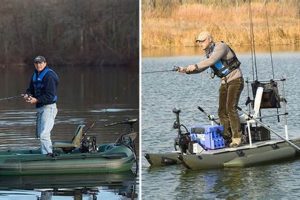
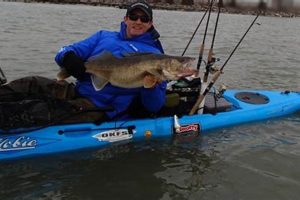
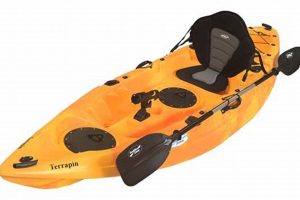
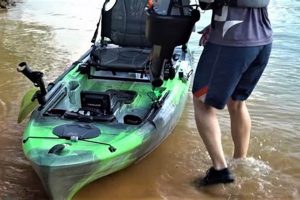
Appropriate attire for angling from a kayak in low temperatures involves multiple layers of specialized garments designed for warmth, water resistance, and freedom of movement. This typically includes base layers that wick moisture away from the skin, insulating mid-layers to retain heat, and an outer shell that protects against wind and water spray. Specialized footwear and accessories like gloves and headwear are also essential components.
Maintaining a comfortable body temperature in cold conditions is crucial for safety and enjoyment on the water. Hypothermia poses a significant risk to kayakers, particularly in cold water. Proper clothing mitigates this risk by providing insulation and protection from the elements, allowing for longer, safer, and more productive fishing trips. Historically, anglers relied on natural materials like wool and fur for warmth. Advancements in textile technology have led to the development of synthetic fabrics that offer superior insulation, water resistance, and breathability, significantly improving comfort and safety.
The following sections will delve into the specific types of garments recommended for cold-weather kayak fishing, offering guidance on material selection, layering strategies, and essential accessories. Further discussion will explore the unique challenges posed by cold-water environments and offer practical tips for staying safe and comfortable during winter fishing excursions.
Tips for Cold Weather Kayak Fishing Attire
Staying warm and dry while kayak fishing in cold conditions requires careful consideration of clothing choices. The following tips offer guidance on selecting and utilizing appropriate attire.
Tip 1: Dress in Layers: Layering allows for adjustable insulation based on fluctuating weather and activity levels. Begin with a moisture-wicking base layer to pull perspiration away from the skin. Add an insulating mid-layer like fleece or down for warmth, and top with a waterproof and windproof outer shell.
Tip 2: Prioritize Waterproof and Breathable Fabrics: Outer layers should be constructed from waterproof and breathable materials to protect against rain, spray, and immersion while allowing perspiration to escape, preventing chills.
Tip 3: Choose Neoprene or Waterproof Boots: Neoprene boots or waterproof fishing boots provide essential insulation and protection for feet and ankles, maintaining comfort even in wet and cold conditions.
Tip 4: Protect Extremities: Hands and head lose heat rapidly. Insulated, waterproof gloves and a warm hat are vital for retaining core body temperature.
Tip 5: Consider a Dry Suit for Extreme Conditions: In very cold water or harsh weather, a dry suit offers the highest level of protection against immersion and hypothermia.
Tip 6: Avoid Cotton Clothing: Cotton absorbs water and dries slowly, increasing the risk of hypothermia. Opt for synthetic or wool base layers that wick moisture away from the skin.
Tip 7: Dress for the Water Temperature, Not the Air Temperature: Water conducts heat away from the body much faster than air. Dress for potential immersion, even if the air temperature is relatively mild.
Following these guidelines will significantly improve comfort and safety during cold-weather kayak fishing excursions. Proper attire allows anglers to focus on fishing and enjoy the experience, minimizing the risk of cold-related injuries.
By understanding the importance of appropriate clothing choices and implementing these strategies, anglers can extend their fishing season and enjoy the unique challenges and rewards of cold-water angling from a kayak.
1. Layering

Layering is a fundamental principle in cold-weather kayak fishing attire. It provides adaptable insulation, allowing anglers to regulate body temperature in response to fluctuating weather conditions and activity levels. A layered system typically comprises three key components: a base layer, a mid-layer, and an outer shell. This approach allows for the addition or removal of layers to maintain optimal comfort and prevent overheating or chilling.
The base layer, worn next to the skin, wicks moisture away from the body. This is crucial for preventing evaporative cooling, which can lead to hypothermia in cold, wet conditions. Suitable base layer materials include synthetic fabrics or merino wool. The mid-layer provides insulation, trapping warm air close to the body. Fleece, down, or synthetic insulation materials are effective choices. The outer shell acts as a barrier against wind, rain, and spray. Waterproof and breathable fabrics are essential for this layer, preventing external moisture from entering while allowing internal moisture to escape.
For example, an angler might start with a lightweight synthetic base layer, add a fleece mid-layer for increased warmth, and finish with a waterproof/breathable shell jacket. As conditions change, the angler can remove the mid-layer if activity levels increase or add an additional insulating layer if temperatures drop. Effective layering allows for continuous adjustment throughout the fishing trip, ensuring optimal thermal regulation. Understanding and implementing this principle is essential for safe and comfortable cold-weather kayak fishing.
2. Waterproof
Waterproof materials are critical for cold-weather kayak fishing attire due to the inherent risks of water exposure. Immersion in cold water can rapidly lead to hypothermia, a life-threatening condition. Waterproof garments provide a barrier against cold water intrusion, preserving core body temperature and mitigating this risk. Furthermore, constant exposure to spray and rain can lead to discomfort and reduced dexterity, impacting an angler’s ability to fish effectively. Waterproof outerwear prevents these issues, maintaining comfort and facilitating optimal performance.
Consider a scenario where a kayaker experiences an unexpected capsize in cold water. Waterproof outerwear provides crucial protection during the critical moments required for self-rescue or assistance. Even without full immersion, consistent spray from paddling or rain can lead to chilling, particularly when combined with wind. A waterproof outer layer safeguards against these less dramatic but still significant sources of cold-water exposure. This protection extends to essential gear like phones and radios, preventing water damage that could hinder communication in emergency situations.
In summary, waterproofness is a non-negotiable feature of effective cold-weather kayak fishing clothing. It safeguards against the potentially life-threatening effects of cold-water immersion, enhances comfort by preventing chilling from spray and rain, and protects essential equipment from water damage. Prioritizing waterproof outerwear significantly improves safety and overall fishing experience in cold conditions.
3. Insulating
Insulation plays a vital role in cold-weather kayak fishing attire, preserving core body temperature in low temperatures and mitigating the risk of hypothermia. Effective insulation creates a barrier that traps warm air generated by the body, preventing its escape into the colder surrounding environment. This trapped air, warmed by body heat, provides a crucial buffer against the chilling effects of cold air and water. The effectiveness of insulation depends on factors such as material type (e.g., down, fleece, synthetic insulation), thickness, and overall garment design.
Consider a scenario where an angler is kayak fishing in near-freezing conditions. An insulated jacket, acting as a thermal barrier, prevents rapid heat loss, allowing the angler to remain comfortable and focused on fishing. Without adequate insulation, body heat would quickly dissipate into the cold air, leading to discomfort, reduced dexterity, and potentially dangerous drops in core temperature. The choice of insulation type influences performance characteristics. Down offers excellent warmth-to-weight ratio but loses effectiveness when wet. Synthetic insulation provides reliable performance even when damp, making it suitable for wet environments often encountered in kayak fishing. Fleece offers moderate insulation and breathability, making it a versatile choice for layering.
In conclusion, the insulating properties of cold-weather kayak fishing clothing are essential for thermoregulation and safety. Choosing appropriate insulation materials and layering strategies contributes significantly to comfort and protection against cold-related risks. Understanding the role of insulation and selecting garments accordingly allows anglers to extend their fishing season and enjoy the sport safely and comfortably, even in challenging weather conditions.
4. Breathable

Breathability in cold-weather kayak fishing attire is crucial for regulating body temperature and maintaining comfort. Physical exertion generates perspiration, even in cold conditions. Non-breathable fabrics trap this moisture against the skin, leading to discomfort and increasing the risk of hypothermia, especially during periods of reduced activity or increased wind chill. Breathable fabrics, conversely, allow water vapor to escape, keeping the wearer dry and comfortable. This moisture management is vital for maintaining a stable microclimate within the clothing layers, optimizing thermal efficiency and overall performance.
Consider an angler actively paddling a kayak. Body heat increases, leading to perspiration. A breathable outer shell allows this moisture vapor to escape, preventing a build-up of sweat and maintaining a comfortable internal environment. If the outer layer were non-breathable, sweat would become trapped, leading to a damp and chilling sensation. This is particularly problematic during periods of rest or when wind chill intensifies the cooling effect of the trapped moisture. Breathability is also important for inner layers, ensuring that moisture is effectively wicked away from the skin to the outer layers, where it can evaporate. This continuous moisture transfer is essential for maintaining dryness and warmth.
In summary, breathability is a critical factor in cold-weather kayak fishing apparel. It facilitates effective moisture management, reducing the risk of discomfort and cold-related injuries. By allowing perspiration to escape, breathable fabrics help maintain a dry and comfortable microclimate, crucial for optimizing thermal regulation and maximizing performance during cold-weather fishing excursions. Selecting apparel that balances waterproofness with breathability is essential for ensuring a safe and enjoyable experience.
5. Flexible

Flexibility in cold-weather kayak fishing attire is paramount for maintaining mobility and dexterity, crucial for casting, paddling, and essential safety maneuvers. Restrictive clothing hinders movement, impacting fishing performance and potentially compromising safety in challenging conditions. Garments designed with flexibility in mind allow for an unrestricted range of motion, enabling anglers to react effectively to changing circumstances and maintain optimal control of their kayak.
- Range of Motion
Unrestricted shoulder and arm movement are essential for casting effectively and paddling efficiently. Flexible clothing ensures these motions are not impeded, maximizing casting distance and paddling power. Consider the difference between a stiff, bulky jacket and a flexible, articulated one. The former restricts movement, hindering casting performance and paddling efficiency, while the latter allows for a natural, fluid motion. This difference can be significant during long paddling sessions or when precise casting is required.
- Layering Compatibility
Flexible garments facilitate effective layering, a key principle in cold-weather clothing systems. Stiff, inflexible outer layers can restrict movement when layered over insulating mid-layers. Flexible outer shells allow for comfortable layering without sacrificing mobility. For example, a flexible, waterproof/breathable shell jacket worn over a fleece mid-layer allows for a full range of motion while maintaining warmth and protection from the elements. Inflexible outerwear, on the other hand, can bind and restrict movement, compromising comfort and performance.
- Comfort and Dexterity
Flexibility enhances overall comfort and dexterity, especially during extended periods on the water. Restrictive clothing can lead to fatigue and discomfort, hindering concentration and impacting fishing performance. Flexible garments allow for natural movement, reducing fatigue and maintaining dexterity for tasks like tying knots, handling fishing gear, and operating kayak controls. Imagine trying to tie a fishing knot with cold, stiff hands encased in inflexible gloves. Flexible gloves maintain dexterity, allowing for intricate tasks even in challenging conditions.
- Safety and Mobility
In emergency situations, flexibility is crucial for quick reactions and self-rescue maneuvers. Restrictive clothing can impede movement, hindering the ability to react swiftly to unexpected events, such as a capsize. Flexible garments allow for unrestricted movement, enabling quick reactions and enhancing the chances of a successful self-rescue. Consider the scenario of a kayaker needing to quickly re-enter their kayak after a capsize. Flexible clothing allows for the necessary range of motion to perform this maneuver effectively, while restrictive clothing could hinder the process and compromise safety.
The flexibility of cold-weather kayak fishing apparel is directly linked to both performance and safety. By allowing for unrestricted movement, flexible garments enable anglers to fish effectively, maintain comfort, and react appropriately in emergency situations. Prioritizing flexibility in clothing selection significantly enhances both the enjoyment and safety of cold-weather kayak fishing experiences.
Frequently Asked Questions
This section addresses common inquiries regarding attire for cold-weather kayak fishing.
Question 1: What is the most important factor to consider when choosing cold-weather kayak fishing clothing?
Prioritizing safety through proper layering techniques and waterproof protection is paramount. While comfort is important, attire must primarily protect against cold-water immersion and hypothermia.
Question 2: Is a dry suit necessary for cold-weather kayak fishing?
While not always required, dry suits offer the highest level of protection in extremely cold water or harsh conditions. The need for a dry suit depends on water temperature, air temperature, and personal risk tolerance.
Question 3: Can cotton clothing be worn as a base layer?
Cotton is not recommended for cold-weather activities. It absorbs water and dries slowly, increasing the risk of hypothermia. Synthetic or merino wool base layers are preferable for moisture-wicking properties.
Question 4: How many layers of clothing are typically recommended?
A three-layer systembase layer, mid-layer, outer shellis generally recommended. This system allows for adaptability to changing conditions by adding or removing layers as needed.
Question 5: What type of footwear is best for cold-weather kayak fishing?
Neoprene boots or specialized waterproof fishing boots provide necessary insulation and protection for feet and ankles, crucial for maintaining comfort and preventing cold injuries.
Question 6: Are gloves and headwear important?
Extremities lose heat quickly. Insulated, waterproof gloves and a warm hat are essential for preserving core body temperature and preventing cold-related issues.
Addressing these common concerns highlights the importance of informed clothing choices for safe and enjoyable cold-weather kayak fishing.
Further exploration of specific garment recommendations and layering strategies follows in the next section.
Conclusion
Optimal attire for cold-weather kayak fishing is a crucial factor for both safety and performance. This exploration has highlighted the importance of specialized clothing designed to provide warmth, water resistance, and flexibility in challenging environments. Key considerations include layering strategies, material selection emphasizing waterproof and breathable fabrics, and the critical role of insulation in preserving core body temperature. Protecting extremities with appropriate gloves and headwear is also essential for mitigating cold-related risks. The discussion encompassed the benefits of various garment types and the potential need for specialized equipment like dry suits in extreme conditions.
Careful consideration of these factors empowers anglers to make informed decisions regarding appropriate attire. Prioritizing safety and function through appropriate clothing choices allows for a more comfortable and productive fishing experience, extending the enjoyment of the sport into colder seasons. Continued exploration of advancements in textile technology and garment design promises further enhancements in comfort and safety for cold-weather kayak fishing enthusiasts.