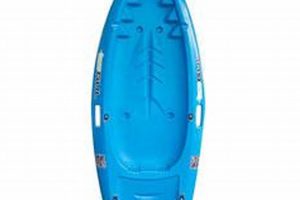
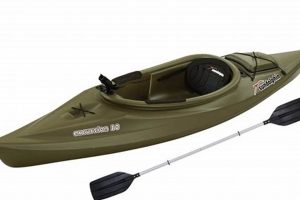
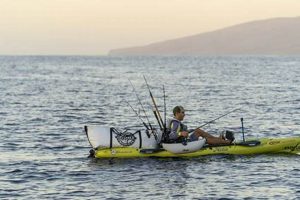
Angling from a small, affordable, human-powered watercraft offers an accessible entry point to the sport of fishing. This approach typically involves kayaks designed for stability and equipped with features like rod holders and storage compartments. For example, an angler might choose a sit-on-top model made of durable, lightweight plastic, outfitted with basic fishing accessories.
Budget-conscious fishing from a kayak provides several advantages. It allows individuals to explore shallow waters and hard-to-reach fishing spots often inaccessible by larger boats. This method is also environmentally friendly, requiring no fuel and minimizing disturbance to aquatic ecosystems. Historically, small boats have played a role in fishing practices across various cultures, demonstrating the enduring appeal and practicality of this fundamental approach. Modern materials and manufacturing techniques have made such vessels more widely accessible and affordable.
The following sections will delve into key aspects of this fishing style, including selecting appropriate gear, identifying suitable locations, and employing effective techniques for a successful and rewarding experience.
Tips for Budget-Friendly Kayak Angling
Maximizing the enjoyment and effectiveness of kayak fishing while minimizing costs requires careful planning and smart choices. The following tips offer guidance for anglers seeking to optimize their experience without exceeding a limited budget.
Tip 1: Explore Used Kayaks: Purchasing a pre-owned kayak can significantly reduce initial expenses. Thoroughly inspect used vessels for damage and consider less popular models or older color schemes, which may be priced lower.
Tip 2: Prioritize Essential Gear: Focus on acquiring necessary fishing equipment first, such as rods, reels, and tackle. Luxury items can be added later as the budget allows. Borrowing or renting specialized gear is also a viable option.
Tip 3: Research Free Launch Sites: Avoid paying launch fees by utilizing public access points and free launch areas. Online resources and local fishing communities can provide valuable information on these locations.
Tip 4: Target Accessible Species: Concentrate fishing efforts on commonly found species in accessible waters. This reduces the need for expensive specialized gear and long-distance travel.
Tip 5: Learn Basic Kayak Maintenance: Performing routine maintenance tasks, such as cleaning and minor repairs, can extend the life of the kayak and prevent costly replacements. Online tutorials and guides provide readily available instruction.
Tip 6: Pack Light and Efficiently: Minimize weight and maximize space utilization within the kayak by carefully selecting essential gear and utilizing waterproof storage solutions.
Tip 7: Fish During Off-Peak Seasons: Consider fishing during less popular times, such as weekdays or early mornings, to potentially encounter fewer anglers and benefit from reduced rates on rentals or guided trips.
By implementing these strategies, anglers can enjoy a fulfilling and productive fishing experience from a kayak without incurring significant expense. Focusing on resourcefulness and smart decision-making allows for optimal enjoyment within budgetary constraints.
These practical tips lay a foundation for successful and affordable kayak angling. The concluding section will recap the core benefits of this approach and offer final recommendations for embarking on this rewarding pursuit.
1. Used Kayaks

Used kayaks represent a cornerstone of budget-conscious kayak fishing. Procuring a pre-owned vessel significantly reduces the initial financial outlay, a crucial factor in making the sport accessible. This cost-effectiveness directly impacts the overall affordability of kayak fishing, allowing more individuals to participate without a substantial upfront investment. For example, a new fishing kayak might cost upwards of $1000, while a comparable used model could be found for half the price, freeing up funds for other essential gear like rods, reels, and safety equipment.
The secondary market offers a wide range of used kayaks, from basic recreational models suitable for calm waters to specialized fishing kayaks equipped with rod holders and storage compartments. Careful inspection and research are crucial when purchasing a used kayak. Examining the hull for cracks, checking for wear and tear on the seating and hardware, and ensuring proper functionality of any included accessories are essential steps. Online marketplaces, local classifieds, and even specialized kayak retailers often offer used inventory, providing ample opportunities to find a suitable vessel at a reduced price. Leveraging these resources maximizes the potential for acquiring a reliable kayak while minimizing expenditure.
While purchasing a used kayak presents an economical pathway to kayak fishing, potential challenges must be acknowledged. Cosmetic imperfections are common and often do not impact performance. However, structural damage or excessive wear can compromise safety and durability. Therefore, a thorough assessment of the kayak’s condition is paramount before purchase. Consulting online resources, seeking expert advice, or bringing an experienced kayaker along for inspection can mitigate the risks associated with buying used equipment. Understanding the balance between cost savings and potential repair needs ensures a sound investment and contributes to a positive and sustainable approach to cheap kayak fishing.
2. Budget-friendly gear

Essential fishing equipment need not be expensive to be effective. Careful selection of budget-friendly gear plays a critical role in achieving an affordable yet rewarding kayak fishing experience. Focusing on value and functionality allows anglers to equip themselves adequately without incurring unnecessary expense. The following facets illustrate key considerations for acquiring cost-effective gear.
- Rods and Reels:
Reliable rods and reels are available at various price points. Combo sets, which package a rod and reel together, often offer cost savings. Focusing on durable materials like graphite or fiberglass for rods and sturdy construction for reels ensures longevity and performance without premium pricing. For example, a medium-power spinning combo is versatile for various species and fishing techniques, offering excellent value for anglers on a budget. Prioritizing functionality over high-end brand names allows significant savings.
- Tackle and Lures:
Basic tackle, including hooks, lines, sinkers, and swivels, can be purchased economically in bulk or as starter kits. Less expensive lures, such as soft plastics and jigs, can be just as effective as premium options, particularly when targeting common species. Repurposing household items or crafting homemade lures offers further cost reduction. For instance, discarded plastic worms can be transformed into effective fishing lures with minimal effort. This resourcefulness contributes significantly to maintaining a low-cost approach to kayak fishing.
- Safety Equipment:
Essential safety gear, including a personal flotation device (PFD) and a whistle, should never be compromised on price. However, affordable options that meet safety standards are readily available. Checking online retailers or exploring used marketplaces can often yield cost-effective solutions. A brightly colored PFD enhances visibility and contributes to overall safety without requiring a premium price. Investing wisely in essential safety items ensures a secure experience while adhering to budget constraints.
- Storage and Accessories:
Dry bags, tackle boxes, and other storage solutions protect gear from water damage and keep the kayak organized. Budget-friendly options made from durable plastic or repurposed containers effectively serve this purpose. Simple rod holders and paddle leashes enhance functionality without significant expense. A basic dry bag safeguards essential items from moisture without requiring specialized or expensive materials. Creative solutions and practical choices in accessories contribute significantly to overall affordability.
By prioritizing functionality and value, anglers can assemble a complete and effective kayak fishing setup without overspending. These cost-conscious choices directly contribute to the accessibility and sustainability of cheap kayak fishing, enabling individuals to enjoy the sport without substantial financial barriers. The cumulative effect of these budget-friendly selections significantly reduces the overall cost of kayak fishing, making it a viable recreational pursuit for a wider range of individuals.
3. Free Launch Sites
Access to free launch sites is integral to the affordability of kayak fishing. Launch fees at marinas and private access points can accumulate significantly, impacting the overall cost of the sport. Utilizing free launch sites, such as public parks, designated river access areas, and small lakes with informal launch areas, directly reduces expenses, making kayak fishing more accessible. For instance, a $10 launch fee per trip adds up over time, representing a considerable expense for frequent anglers. Choosing a free launch site eliminates this recurring cost, preserving funds for other essential gear or simply making the activity financially sustainable.
Locating free launch sites often requires research and local knowledge. Online resources, such as community forums, state park websites, and local fishing blogs, can provide valuable information on publicly accessible launch points. Consulting with local bait shops, fishing clubs, or experienced kayakers can also yield valuable insights into less well-known free access areas. Understanding local regulations and respecting private property boundaries is crucial when utilizing free launch sites. While some locations offer amenities like parking and restrooms, others may be more rudimentary, requiring additional planning and preparation. Carrying essential safety gear, including a PFD and whistle, remains paramount regardless of the launch site’s amenities. Choosing a location appropriate for one’s skill level and the prevailing water conditions ensures a safe and enjoyable outing.
Leveraging free launch sites contributes significantly to the economic viability of kayak fishing. This cost-saving measure allows anglers to allocate their resources towards essential gear, safety equipment, and other necessary supplies. The accessibility of free launch areas also promotes broader participation in the sport, making it more inclusive and sustainable. While finding and accessing these sites may require additional effort, the financial benefits directly support the core principle of cheap kayak fishing, fostering a more sustainable and accessible angling experience for all.
4. DIY Maintenance

Routine kayak maintenance is crucial for longevity and performance. Performing these tasks oneself significantly reduces the long-term costs associated with kayak fishing. Addressing minor issues promptly prevents them from escalating into major repairs requiring professional intervention, thereby aligning with the core principles of cost-effectiveness central to budget-conscious angling.
- Hull Inspection and Repair:
Regularly inspecting the kayak’s hull for scratches, cracks, and other damage is fundamental to preventative maintenance. Minor abrasions can be easily repaired using readily available epoxy or sealant kits, preventing further deterioration and costly professional repairs. For example, addressing a small crack promptly with marine epoxy prevents water intrusion and potentially costly hull replacement. This proactive approach minimizes expenses and extends the kayak’s lifespan.
- Hardware Maintenance:
Maintaining hardware components, such as rudders, skegs, and hatch covers, ensures optimal performance and prevents premature failure. Lubricating moving parts, tightening loose screws, and replacing worn-out seals are simple tasks that can be performed with basic tools and readily available replacement parts. For instance, regularly lubricating rudder cables prevents corrosion and ensures smooth operation, avoiding the need for costly replacements. This diligent upkeep contributes to the kayak’s overall functionality and longevity.
- Cleaning and Storage:
Regularly cleaning the kayak with mild soap and water removes dirt, grime, and saltwater residue, protecting the hull’s finish and preventing deterioration. Proper storage, ideally in a shaded and dry environment, shields the kayak from harmful UV rays and excessive moisture, prolonging its lifespan. Storing the kayak upside down prevents water accumulation and potential mildew growth, preserving its condition without requiring specialized storage solutions.
- Accessory Maintenance:
Maintaining fishing-specific accessories, such as rod holders, fish finders, and mounting hardware, ensures their continued functionality and reliability. Tightening loose bolts, cleaning electrical connections, and replacing worn-out components are straightforward tasks that can be accomplished with minimal expense. For example, regularly cleaning fish finder transducers ensures accurate readings and prevents costly malfunctions. This proactive maintenance preserves the functionality of essential fishing accessories.
Embracing DIY maintenance contributes significantly to the economic sustainability of cheap kayak fishing. By addressing minor issues promptly and performing routine upkeep, anglers can avoid costly repairs and extend the lifespan of their equipment. This proactive approach aligns perfectly with the budget-conscious ethos of cheap kayak fishing, ensuring long-term affordability and maximizing the enjoyment of the sport without incurring unnecessary expenses. The cumulative effect of these maintenance practices contributes substantially to the overall cost-effectiveness of kayak fishing, reinforcing its accessibility and appeal to budget-minded anglers.
5. Local Fishing Spots

Proximity to fishing locations plays a crucial role in the affordability of kayak angling. Minimizing travel distance reduces fuel costs and eliminates the need for expensive accommodations, aligning directly with the budget-conscious nature of cheap kayak fishing. Focusing on local fishing spots enhances the economic viability of the sport, making it more accessible and sustainable.
- Accessibility and Reduced Travel Costs:
Local fishing spots, accessible by short drives or even by non-motorized transport such as cycling or walking, significantly reduce transportation expenses. Eliminating long drives or the need for overnight stays contributes substantially to the overall affordability of kayak fishing. For example, fishing a nearby pond or river eliminates the fuel costs and logistical complexities associated with travelling to distant coastal locations, reinforcing the economic advantages of local angling.
- Enhanced Familiarity and Reduced Exploration Time:
Frequent fishing in local waters cultivates familiarity with the environment, including fish habitats, optimal fishing times, and effective techniques. This localized knowledge reduces the time spent exploring unfamiliar areas, increasing fishing efficiency and maximizing the potential for a successful catch. Anglers familiar with a local river system can readily identify productive fishing holes and target specific species, maximizing their time on the water.
- Support for Local Economies and Resources:
Focusing on local fishing spots often translates to supporting local businesses, such as bait shops and tackle stores. This localized economic impact further strengthens the community and contributes to the overall sustainability of the sport. Purchasing bait and tackle from a local shop directly benefits the local economy, contributing to the viability of small businesses and reinforcing the connection between anglers and their community. This mutually beneficial relationship enhances the overall angling experience.
- Reduced Environmental Impact:
Shorter travel distances inherent in local fishing reduce the environmental impact associated with transportation. Minimizing fuel consumption and vehicle emissions contributes to a more sustainable approach to angling, aligning with the environmentally conscious ethos often associated with kayak fishing. Choosing to fish locally reduces one’s carbon footprint compared to long-distance travel, promoting a more environmentally responsible approach to the sport.
By prioritizing local fishing spots, anglers reinforce the cost-effective nature of cheap kayak fishing. The reduced travel expenses, enhanced familiarity with the environment, support for local economies, and reduced environmental impact collectively contribute to a more sustainable and accessible angling experience. This localized approach strengthens the connection between anglers and their communities while promoting the long-term viability of the sport. The emphasis on local fishing reinforces the core principles of affordability, accessibility, and environmental responsibility that define cheap kayak fishing.
Frequently Asked Questions
This section addresses common inquiries regarding budget-conscious kayak angling, offering practical insights and clarifying potential misconceptions.
Question 1: Are cheap kayaks suitable for fishing?
While “cheap” can imply lower quality, many affordable kayaks offer sufficient stability and functionality for fishing. Focus on essential features like rod holders and storage capacity rather than premium aesthetics or advanced features.
Question 2: What essential gear is required for kayak fishing on a budget?
A basic rod and reel combo, appropriate tackle, a personal flotation device (PFD), and a few essential safety items are sufficient to start. Additional specialized gear can be acquired gradually as the budget allows.
Question 3: How can one locate free kayak launch sites?
Online resources, local fishing forums, and state park websites often provide information on free launch areas. Inquiries at local bait shops or tackle stores can also yield valuable insights.
Question 4: Is kayak fishing safe for beginners?
Kayak fishing carries inherent risks, but proper safety precautions mitigate these significantly. Wearing a PFD, carrying a whistle, informing someone of fishing plans, and checking weather conditions before embarking are crucial safety measures.
Question 5: What species can be targeted effectively from a budget-friendly kayak?
Common species inhabiting local waters, such as panfish, bass, or catfish, are readily accessible from a kayak and do not require specialized or expensive tackle.
Question 6: How can one minimize maintenance costs for a fishing kayak?
Regular cleaning, timely repairs of minor damage, and proper storage significantly extend the lifespan of a kayak, reducing long-term maintenance expenses. Learning basic DIY maintenance techniques further minimizes costs.
Addressing these common queries aims to provide clarity and guidance for prospective kayak anglers seeking an affordable and rewarding experience. Informed decision-making regarding equipment, safety, and resource utilization ensures enjoyable and sustainable participation in the sport.
The subsequent section will offer concluding remarks and summarize key takeaways for embarking on a fulfilling kayak fishing journey without exceeding budgetary constraints.
Conclusion
Affordable kayak angling offers a viable pathway to experiencing the rewards of fishing without substantial financial barriers. Strategic acquisition of equipment, utilization of free resources, and proactive maintenance practices collectively contribute to cost-effectiveness. Focusing on local fishing grounds further minimizes expenses while promoting environmental responsibility and community engagement. Careful consideration of these elements allows anglers to maximize enjoyment while adhering to budgetary constraints.
The accessibility of this approach fosters broader participation in the sport, promoting appreciation for natural resources and encouraging responsible angling practices. Continued exploration of cost-effective techniques and equipment advancements promises further enhancement of affordability and accessibility within kayak fishing. Embracing this budget-conscious approach ensures the enduring appeal and sustainability of this rewarding recreational pursuit.