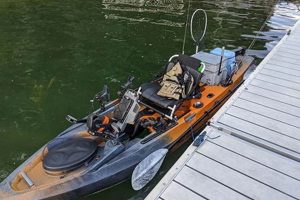
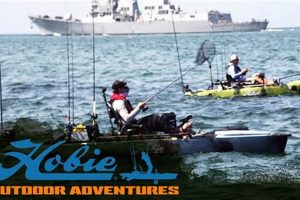
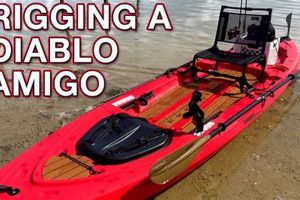
Paddling across the calm waters amidst a picturesque Texan landscape while casting a line offers a unique blend of recreation and sport. This activity allows anglers to access shallow coves and secluded areas often unreachable by larger motorized boats, providing an advantage for targeting species such as largemouth bass, catfish, and sunfish.
This quiet, non-motorized approach allows for a closer connection with nature and minimizes disturbance to the aquatic environment. It promotes physical activity and offers a peaceful escape from urban life. Historically, smaller watercraft have played a vital role in fishing traditions, and modern lightweight kayaks represent an evolution of this practice, offering enhanced maneuverability and accessibility.
This exploration will delve into essential topics relevant to this pursuit, covering recommended equipment, ideal fishing locations within the reservoir, effective techniques for targeting prevalent species, and important safety guidelines for ensuring a rewarding and safe experience.
Tips for a Successful Outing
Careful planning and preparation contribute significantly to a productive and enjoyable experience on the water. The following tips offer valuable insights for maximizing success and ensuring safety.
Tip 1: Research and understand local regulations. Awareness of licensing requirements, catch limits, and permitted fishing methods is crucial for compliance and responsible angling.
Tip 2: Select appropriate gear. Kayak choice should consider stability, storage capacity, and angler comfort. Rod and reel combinations should match target species and fishing techniques. Essential tackle includes appropriate hooks, lines, weights, and lures or bait.
Tip 3: Plan for weather conditions. Check forecasts before heading out and be prepared for changing conditions. Dress in layers and carry rain gear. Extreme heat or cold requires specific precautions.
Tip 4: Prioritize safety. Wear a personal flotation device (PFD) at all times. Carry a whistle, signaling device, and a fully charged communication device. Inform someone of the fishing plan and expected return time.
Tip 5: Utilize effective fishing techniques. Research successful strategies for targeting specific species found in the reservoir. Explore various lure presentations and retrieve methods. Consider using live bait when appropriate.
Tip 6: Navigate responsibly. Be mindful of other boaters and maintain a safe distance. Avoid shallow areas with submerged obstacles. Respect designated no-fishing zones or restricted areas.
Tip 7: Practice catch and release responsibly. Minimize handling time and use appropriate tools for hook removal. Revive fish properly before release to ensure their survival.
By adhering to these guidelines, anglers can enhance their prospects for a successful and safe fishing trip while contributing to the preservation of the natural environment.
These tips offer a starting point for planning a successful outing. Further research and preparation will contribute to a more rewarding and enjoyable experience.
1. Location Scouting

Effective location scouting is paramount for successful angling on Braunig Lake from a kayak. Understanding fish habitat and behavior within the reservoir significantly influences catch rates and overall fishing experience. Strategic pre-fishing planning maximizes time on the water and increases the likelihood of encountering target species.
- Structure Identification
Pinpointing key structures like submerged brush piles, fallen trees, drop-offs, and rock formations is crucial. These areas provide cover and ambush points for predatory fish. Utilizing mapping resources, sonar technology, and visual observation aids in identifying these high-potential fishing zones. Knowledge of prevalent vegetation types and their association with specific fish species further refines location choices.
- Depth Contour Analysis
Analyzing depth contours reveals transitions between shallow flats and deeper channels. These transitional zones often concentrate baitfish and subsequently attract larger predatory species. Understanding the lake’s bathymetry through available maps and electronic charts allows anglers to target specific depth ranges frequented by desired fish.
- Seasonal Pattern Recognition
Fish behavior changes with seasonal variations in water temperature and forage availability. During warmer months, fish may seek cooler, deeper water or congregate near shaded areas. In cooler months, they may move shallower to follow baitfish. Recognizing these seasonal shifts allows anglers to adapt their location strategies accordingly.
- Observational Clues
Observing surface activity, such as baitfish schooling or bird activity, provides valuable real-time insights into fish location. Noticing subtle signs like changes in water clarity or current flow can also indicate promising fishing spots. Integrating these observations with prior knowledge of the lake’s structure and seasonal patterns enhances location selection.
By meticulously scouting locations based on these factors, anglers can significantly improve their chances of success on Braunig Lake. Combining these techniques with effective tackle selection and presentation further optimizes the kayak fishing experience.
2. Tackle Selection

Appropriate tackle selection is crucial for successful kayak fishing on Braunig Lake. The diverse fish species inhabiting the reservoir, coupled with varying fishing conditions, necessitate careful consideration of rod, reel, line, and lure choices. Effective angling relies on matching tackle to target species and prevailing environmental factors.
Targeting largemouth bass, a popular species in Braunig Lake, often involves using medium-heavy baitcasting rods and reels spooled with braided line. This combination provides the strength and sensitivity needed to handle larger fish and navigate the lake’s vegetation. Alternatively, lighter spinning tackle paired with monofilament or fluorocarbon line may prove more effective for sunfish or crappie. Lure selection should also reflect target species preferences; crankbaits and spinnerbaits are effective for bass, while smaller jigs and soft plastics often entice panfish. Live bait, such as minnows or worms, can also be productive, especially for catfish.
The practical implications of informed tackle selection are significant. Using appropriately matched gear enhances casting accuracy, improves hook-setting ability, and increases the likelihood of landing targeted fish. Conversely, improper tackle selection can lead to lost fish, broken lines, and overall frustration. Understanding the connection between tackle and target species, combined with knowledge of Braunig Lake’s specific conditions, empowers anglers to make informed decisions that maximize their chances of success.
3. Kayak Stability
Kayak stability plays a vital role in the overall success and enjoyment of fishing on Braunig Lake. A stable platform is essential for casting accuracy, fighting fish effectively, and ensuring angler safety, particularly in varying wind and wave conditions common to the reservoir. Understanding the factors influencing kayak stability allows anglers to make informed decisions about kayak selection and on-the-water practices.
- Hull Design
Hull design significantly impacts stability. Wider, flatter hulls generally offer greater primary stability, resisting initial tipping. However, they may be less maneuverable. Narrower, V-shaped hulls provide better secondary stability, recovering more easily from larger leans, but feel less stable initially. “Pontoon-style” hulls offer exceptional stability, ideal for anglers prioritizing a secure platform for standing or moving around within the kayak.
- Center of Gravity
Maintaining a low center of gravity enhances stability. Distributing weight evenly within the kayak and avoiding sudden movements minimizes the risk of capsizing. Proper seating position and secure storage of gear contribute to a balanced and stable platform. Standing in a kayak significantly raises the center of gravity and requires a stable hull design and careful weight distribution.
- Water Conditions
Wind, waves, and boat wakes can significantly impact kayak stability. Strong winds can create challenging paddling and fishing conditions, especially in kayaks with higher profiles. Waves and wakes can destabilize a kayak if approached improperly. Anglers should be aware of prevailing and changing weather conditions and adjust their positioning and fishing techniques accordingly.
- Angler Behavior
Angler actions directly influence kayak stability. Sudden movements, leaning too far over the side, or attempting to stand in an unstable kayak increase the risk of tipping. Smooth, controlled movements and maintaining a balanced posture contribute to a more stable fishing platform. Practicing basic kayak maneuvering skills in calm conditions before venturing into more challenging environments enhances confidence and safety.
Considering these factors when selecting a kayak and practicing safe on-the-water habits enhances angler safety and overall fishing success on Braunig Lake. A stable kayak allows anglers to focus on fishing technique and enjoy the experience without the constant worry of capsizing, contributing to a more productive and enjoyable outing.
4. Safety Procedures
Safety procedures are paramount for kayak fishing on Braunig Lake, directly impacting angler well-being and the overall success of the outing. The lake’s environment presents inherent risks, including fluctuating weather conditions, boat traffic, and submerged hazards. Adhering to established safety protocols mitigates these risks and ensures a responsible and enjoyable experience. Neglecting safety precautions can lead to serious consequences, ranging from equipment damage to life-threatening situations.
A key safety practice involves wearing a personal flotation device (PFD) at all times. Unexpected capsizing can occur due to sudden gusts of wind, boat wakes, or angler error. A PFD provides essential buoyancy, increasing the likelihood of self-rescue or successful assistance from others. Carrying a whistle enables signaling for help in case of an emergency, while a waterproof communication device allows for contacting emergency services if needed. Informing someone ashore of the fishing plan, including intended locations and expected return time, ensures that assistance can be dispatched promptly if an angler fails to return as scheduled. Regularly checking weather forecasts before and during the fishing trip allows for proactive adjustments to plans based on changing conditions. Awareness of potential hazards, such as submerged trees or rocks, and maintaining a safe distance from other boats further minimizes risks.
Implementing these safety procedures demonstrates a commitment to responsible angling and significantly reduces the potential for accidents. While inherent risks exist in any outdoor activity, careful planning and adherence to safety guidelines contribute substantially to a positive and safe experience on Braunig Lake. Understanding the potential hazards and taking proactive steps to mitigate them empowers anglers to enjoy the sport while prioritizing their well-being.
5. Seasonal Patterns

Seasonal variations significantly influence fish behavior and distribution within Braunig Lake, directly impacting the success of kayak fishing efforts. Water temperature fluctuations, changes in forage availability, and seasonal spawning cycles dictate where and when specific fish species congregate. Understanding these patterns allows anglers to adapt their techniques and target specific locations throughout the year, maximizing their chances of a productive fishing experience.
- Temperature Influence
Water temperature exerts a primary influence on fish metabolism and behavior. During warmer months, fish often seek deeper, cooler water or congregate near shaded areas and structures providing thermal refuge. In cooler months, they may move shallower to follow baitfish or seek warmer, sun-exposed areas. Anglers must adapt their fishing strategies accordingly, targeting deeper water with slower presentations during summer and focusing on shallower areas with more active retrieves during cooler periods.
- Forage Availability
Seasonal changes in forage availability also dictate fish location and feeding patterns. As baitfish populations shift, predator species follow. Understanding the seasonal movements of common forage fish in Braunig Lake, such as shad and sunfish, allows anglers to predict where predator species, like bass and catfish, will likely concentrate. Matching lure selection and presentation to prevalent forage further enhances fishing effectiveness.
- Spawning Cycles
Spawning cycles significantly impact fish behavior and location. During spawning seasons, specific fish species migrate to shallow, vegetated areas for reproduction. Anglers targeting spawning fish must be mindful of potential disruptions to nesting sites and practice catch-and-release techniques carefully to protect future fish populations. Awareness of spawning seasons and locations allows anglers to target specific species strategically during periods of increased activity.
- Weather Patterns
Prevailing weather patterns interact with seasonal changes to influence fishing conditions. Wind direction and speed impact kayak positioning and casting accuracy, while barometric pressure changes can trigger feeding activity. Understanding these correlations helps anglers anticipate optimal fishing times and select appropriate locations sheltered from adverse weather conditions. Monitoring weather forecasts and adapting fishing strategies accordingly are essential for success.
By considering these seasonal patterns, anglers can develop a comprehensive fishing strategy tailored to Braunig Lake’s specific conditions. Integrating this knowledge with appropriate tackle selection and kayak positioning techniques further maximizes the likelihood of a rewarding and successful kayak fishing experience throughout the year. Ignoring these seasonal influences can lead to unproductive fishing trips, highlighting the importance of understanding the dynamic interplay between environmental factors and fish behavior.
Frequently Asked Questions
This section addresses common inquiries regarding kayak fishing on Braunig Lake, providing concise and informative responses to facilitate a better understanding of the activity and its associated considerations.
Question 1: What are the primary target species for kayak anglers on Braunig Lake?
Largemouth bass, catfish (channel and blue), and sunfish (including bluegill and redear) represent the dominant sportfish pursued by anglers.
Question 2: Are motorized kayaks permitted on Braunig Lake?
Motorized kayaks are permitted, subject to standard boating regulations enforced on the reservoir.
Question 3: What are the recommended kayak launch points for accessing Braunig Lake?
Several public boat ramps provide suitable access for kayak launching, including those located within Braunig Lake Park and Calaveras Lake Park. Consult official park resources for specific locations and operational details.
Question 4: Are there specific license requirements for fishing from a kayak on Braunig Lake?
A valid Texas fishing license is required for anglers 17 years of age and older, regardless of fishing from a kayak or other vessel.
Question 5: What safety equipment is essential for kayak fishing on Braunig Lake?
Essential safety gear includes a personal flotation device (PFD), a whistle, a visual distress signal, and a fully charged communication device.
Question 6: Are there any specific restrictions on fishing methods or tackle when kayak fishing on Braunig Lake?
Standard Texas fishing regulations apply, including restrictions on certain fishing methods and size/bag limits for specific species. Consult official Texas Parks and Wildlife Department resources for detailed information.
Addressing these common questions provides a foundation for understanding the key aspects of kayak fishing on Braunig Lake. Further research and preparation are encouraged for a safe and successful experience.
The following sections will provide further details regarding recommended fishing locations, effective techniques, and additional resources for planning a Braunig Lake kayak fishing trip.
Conclusion
This exploration has provided a comprehensive overview of the essential aspects of Braunig Lake kayak fishing. Key elements, including location scouting, tackle selection, kayak stability considerations, safety procedures, and seasonal pattern recognition, contribute significantly to a successful and enjoyable experience. Understanding these interconnected factors empowers anglers to approach this activity with informed strategies and heightened awareness.
The integration of these principles promotes responsible angling practices while maximizing the potential for rewarding outcomes. Continued exploration of Braunig Lake’s unique ecosystem and adaptation to its dynamic conditions will further enhance the pursuit of this engaging outdoor activity.