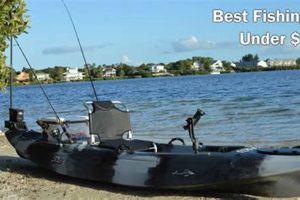
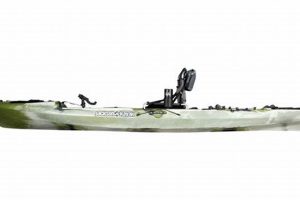
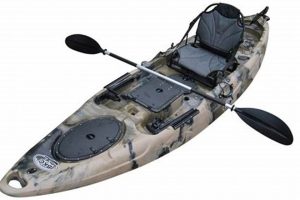
A high-quality two-person fishing kayak available at an affordable price represents a significant purchase for angling enthusiasts. This type of watercraft allows two individuals to share the fishing experience while offering stability, storage, and specialized features tailored for angling. Factors influencing value include durability, comfort, performance, and included accessories, all considered relative to cost.
Choosing a well-priced, top-performing tandem fishing kayak unlocks numerous advantages. It promotes shared experiences and camaraderie on the water, often proving more economical than purchasing two single kayaks. Specialized features like rod holders, tackle storage, and comfortable seating contribute to a more productive and enjoyable fishing trip. Historically, tandem kayaks have evolved from basic recreational designs to incorporate increasingly sophisticated features tailored specifically for fishing, making them highly effective tools for anglers.
This article will delve into key factors consumers should consider when evaluating these kayaks, including hull design, materials, weight capacity, features, and prominent manufacturers. Understanding these elements enables informed decisions and ensures the selection of a watercraft suited to individual needs and budgets.
Tips for Selecting a Value-Driven Tandem Fishing Kayak
Acquiring a suitable tandem fishing kayak requires careful consideration of various factors to maximize on-the-water performance and enjoyment. The following tips offer guidance for selecting a craft that balances cost-effectiveness with essential features.
Tip 1: Define Usage Scenarios: Consider the intended fishing environment (calm lakes, rivers, or open ocean) and typical trip duration. This clarifies the necessary hull design, stability requirements, and storage capacity.
Tip 2: Prioritize Stability and Weight Capacity: Evaluate the kayak’s stability rating and ensure sufficient weight capacity for anglers, gear, and potential catches. A wider, flatter hull generally provides enhanced stability.
Tip 3: Assess Material Durability and Weight: Consider the kayak’s construction material (polyethylene, fiberglass, or inflatable) and its impact on durability, weight, and portability. Heavier kayaks may require assistance for transport.
Tip 4: Examine Fishing-Specific Features: Evaluate included features such as rod holders, tackle storage compartments, anchor trolleys, and paddle holders. These features contribute significantly to fishing convenience and efficiency.
Tip 5: Consider Seat Comfort and Adjustability: Comfortable seating enhances endurance during long fishing trips. Look for adjustable seats with good back support and ample legroom.
Tip 6: Research Reputable Manufacturers and Reviews: Consult online reviews and compare models from established manufacturers known for quality and customer support. This provides valuable insights into real-world performance and durability.
Tip 7: Factor in Transportation and Storage: Consider the kayak’s dimensions and weight relative to available transportation and storage space. Roof racks, trailers, or storage solutions might be necessary.
By carefully considering these factors, consumers can make informed decisions, selecting a tandem fishing kayak that delivers optimal value, performance, and enjoyment on the water.
Following these guidelines ensures a more effective purchasing process, ultimately leading to a satisfying and rewarding fishing experience.
1. Stability

Stability stands as a cornerstone of a positive tandem fishing kayak experience, directly impacting safety, comfort, and angling effectiveness. A stable platform allows anglers to cast, reel, and land fish without compromising balance, especially crucial when dealing with larger catches or navigating choppy waters. For budget-conscious buyers, stability significantly contributes to the overall value proposition of a tandem fishing kayak.
- Primary Stability:
Primary stability refers to the kayak’s resistance to tipping when sitting still. A wider hull and lower center of gravity enhance primary stability, making it easier to remain upright while casting or waiting for a bite. This is particularly important in calm water conditions and crucial for novice kayakers. A kayak with superior primary stability offers a more secure and comfortable platform, increasing value for anglers of all skill levels. For budget-minded buyers, inherent stability can reduce the need for expensive aftermarket stabilizers.
- Secondary Stability:
Secondary stability describes the kayak’s ability to resist tipping when leaned or tilted, crucial for maneuvering in waves or currents. Kayaks with rounded or flared hulls typically offer better secondary stability. This characteristic is vital for anglers fishing in dynamic water conditions. Choosing a kayak with adequate secondary stability contributes to a safer and more confident fishing experience, representing a key aspect of value within budget considerations.
- Impact of Hull Design:
Hull design significantly influences both primary and secondary stability. Flatter, wider hulls generally provide greater primary stability, while rounded or flared hulls offer better secondary stability. Understanding the trade-offs between these designs allows consumers to select a hull type best suited to their intended fishing environment and skill level. A well-chosen hull design contributes significantly to the overall value and long-term enjoyment of the kayak.
- Influence of Weight Distribution:
Proper weight distribution within the kayak plays a vital role in maintaining optimal stability. Evenly distributing gear and passengers enhances balance, reducing the risk of tipping. This is especially critical in tandem kayaks where the combined weight of two individuals and their equipment requires careful management. Understanding weight distribution principles contributes to a safer and more enjoyable experience, directly impacting the perceived value of the kayak, particularly for those seeking a budget-friendly option.
In conclusion, stability serves as a crucial factor influencing the overall value and performance of a tandem fishing kayak, especially for buyers focused on affordability. Prioritizing stability ensures a safer, more comfortable, and more enjoyable fishing experience, contributing significantly to the kayak’s long-term utility and perceived worth.
2. Durability

Durability represents a critical factor in assessing the long-term value of a tandem fishing kayak, especially when seeking the best option for the money. A durable kayak withstands regular use, impacts, and exposure to the elements, minimizing repair costs and maximizing time on the water. This directly influences overall cost-effectiveness and user satisfaction. Understanding the elements contributing to kayak durability empowers informed purchasing decisions.
- Material Selection:
Kayak construction materials directly influence durability. Polyethylene kayaks offer excellent impact resistance and affordability, making them popular choices. Higher-end models might utilize more robust, UV-resistant polyethylene blends. Fiberglass kayaks provide greater stiffness and lighter weight but can be more susceptible to damage from impacts. Inflatable kayaks offer portability and convenience, but require careful handling to avoid punctures. Material selection impacts long-term maintenance requirements and overall lifespan, crucial factors in determining value.
- Construction Quality:
Beyond the base material, manufacturing processes and construction techniques significantly impact durability. Well-constructed kayaks feature robust seams, reinforced stress points, and quality hardware. Examining these details, such as the quality of welds or seam taping, helps gauge a kayak’s ability to withstand wear and tear. Thorough construction translates to fewer repairs and a longer lifespan, increasing value over time.
- UV Resistance:
Exposure to sunlight degrades many materials over time. UV resistance plays a critical role in maintaining a kayak’s structural integrity and appearance. Kayaks specifically designed for fishing often incorporate UV-resistant additives in their construction. This protection ensures long-term performance and prevents premature aging, contributing to a higher resale value and a longer usable lifespan, maximizing the initial investment.
- Hardware and Fittings:
Hardware components, including handles, latches, and attachment points, contribute significantly to a kayak’s overall durability. Corrosion-resistant stainless steel or high-quality plastic fittings ensure longevity and reliable functionality. Evaluating the quality of these components provides insights into the kayak’s resistance to wear, contributing to a more informed assessment of long-term value.
Investing in a durable tandem fishing kayak maximizes long-term value by minimizing repair costs and extending the kayak’s usable life. Carefully considering materials, construction quality, UV resistance, and hardware allows consumers to select a kayak offering both performance and longevity, aligning with the goal of finding the best kayak for the investment.
3. Features

Features play a pivotal role in distinguishing a standard tandem kayak from a purpose-built fishing platform optimized for angling effectiveness and overall value. Evaluating available features relative to cost is crucial for discerning the best tandem fishing kayak for the money. Well-chosen features enhance fishing efficiency, comfort, and overall enjoyment on the water.
- Rod Holders:
Rod holders are essential for hands-free fishing, allowing anglers to manage lines, prepare tackle, or paddle without constantly holding rods. Flush-mounted, adjustable, and rotating rod holders provide varying levels of convenience and versatility. The number, type, and placement of rod holders directly impact fishing practicality and contribute significantly to a kayak’s value proposition, especially for dedicated anglers.
- Storage Options:
Ample and well-designed storage is crucial for organizing tackle, gear, and personal items. Dry storage compartments protect sensitive electronics and gear from water damage, while open storage areas accommodate larger items. The presence of dedicated tackle trays, gear tracks, and bungee cords enhances organization and accessibility. Evaluating storage capacity and configuration is essential for determining a kayak’s suitability for specific fishing styles and trip durations.
- Seating and Comfort:
Comfortable and adjustable seating contributes significantly to on-the-water enjoyment, particularly during long fishing trips. Features like adjustable backrests, padded seats, and ample legroom enhance comfort and reduce fatigue. Higher-end kayaks may offer elevated seating positions for improved visibility and casting angles. Evaluating seating comfort and adjustability is crucial for ensuring a positive and productive fishing experience.
- Other Specialized Features:
Specialized features like anchor trolleys, rudder systems, and transducer mounts cater to specific fishing styles and enhance on-the-water performance. An anchor trolley allows controlled anchoring and drift fishing, while a rudder system assists with steering and navigation. Transducer mounts simplify fish finder installation. Evaluating these features based on individual fishing needs and preferences allows for a more tailored and ultimately value-driven kayak selection.
Careful consideration of features relative to cost is paramount when selecting a tandem fishing kayak. Prioritizing essential features while avoiding unnecessary extras allows anglers to maximize value and acquire a kayak optimally suited to their specific fishing style and budget. The right combination of features enhances fishing effectiveness, comfort, and overall satisfaction on the water, contributing significantly to a positive and rewarding experience.
4. Comfort

Comfort plays a crucial role in determining the overall value and enjoyment derived from a tandem fishing kayak, especially when seeking the best option for the money. Extended fishing trips necessitate a comfortable environment to minimize fatigue and maximize focus on the activity. Discomfort can detract significantly from the experience, highlighting the importance of prioritizing comfort features when evaluating potential kayak purchases.
- Seat Design and Adjustability:
Seat design significantly impacts long-term comfort. Features like adjustable backrests, ample padding, and breathable materials contribute to a more supportive and comfortable seating experience. Adjustable features accommodate varying body types and preferences, ensuring a customized fit for each angler. Well-designed seating allows for extended periods on the water without experiencing discomfort, directly impacting the overall value and enjoyment of the kayak.
- Legroom and Positioning:
Adequate legroom and adjustable footrests contribute significantly to comfort and prevent cramping during long fishing trips. Sufficient space allows anglers to change positions and maintain comfortable posture, reducing fatigue and promoting better circulation. The ability to customize legroom and foot positioning enhances overall comfort and contributes to a more enjoyable fishing experience, directly influencing the perceived value of the kayak.
- Stability and Motion:
Kayak stability directly impacts comfort by minimizing rocking and swaying, especially in choppy water. A stable platform provides a more secure and comfortable fishing experience, reducing anxiety and allowing anglers to focus on the task at hand. This stability contributes to a more relaxed and enjoyable outing, further enhancing the perceived value of the kayak.
- Deck Space and Organization:
Ample deck space and well-designed storage contribute to comfort by minimizing clutter and maximizing accessibility. Designated areas for tackle, gear, and personal items reduce the need to constantly search for items, enhancing efficiency and reducing frustration. Organized deck space promotes a more relaxed and enjoyable fishing experience, further increasing the overall value and satisfaction derived from the kayak.
Prioritizing comfort features in a tandem fishing kayak directly enhances the overall value and enjoyment of the purchase. A comfortable kayak allows for longer, more productive fishing trips, maximizing time on the water and contributing to a more positive experience. When seeking the best tandem fishing kayak for the money, comfort should be a primary consideration to ensure long-term satisfaction and optimal performance.
5. Price
Price represents a critical factor in the pursuit of the best tandem fishing kayak for the money. Balancing desired features, performance, and budget constraints requires careful consideration. Understanding the interplay between price and various kayak attributes allows for informed decision-making and ultimately a more satisfying purchase.
- Budget Definition:
Establishing a clear budget provides a framework for evaluating available options. Defining budgetary limits helps narrow the field and prevents overspending. Realistic budget parameters facilitate more focused research and ultimately contribute to a more efficient and effective purchasing process.
- Price-Performance Relationship:
Price often correlates with performance and features, but not always directly. Higher-priced kayaks may offer premium materials, advanced features, and enhanced durability. However, value can be found across various price points. Careful research and comparison shopping reveal kayaks offering excellent performance characteristics without exceeding budgetary limitations. Understanding this relationship allows consumers to prioritize features aligned with their needs and budget.
- Cost of Ownership:
Beyond the initial purchase price, considering the long-term cost of ownership provides a comprehensive perspective. Factors like maintenance requirements, potential repair costs, and accessory needs influence the overall cost. A less expensive kayak might require more frequent maintenance or repairs, potentially offsetting initial savings. Evaluating potential long-term expenses ensures a more accurate assessment of overall value.
- Resale Value:
Resale value contributes to the long-term affordability of a kayak. Well-maintained kayaks from reputable brands often retain value better than lesser-known or poorly-constructed models. Considering potential resale value allows consumers to factor in future selling potential, influencing purchasing decisions toward kayaks known for their durability and brand recognition.
Navigating the price landscape requires careful consideration of budget constraints, desired features, and long-term value. A comprehensive understanding of the relationship between price and various kayak attributes empowers informed decision-making, ultimately leading to the selection of a tandem fishing kayak offering optimal performance and features within established budgetary parameters. A well-defined budget, coupled with thorough research, ensures a satisfying purchase and a positive long-term ownership experience.
Frequently Asked Questions
This section addresses common inquiries regarding the selection and ownership of value-driven tandem fishing kayaks.
Question 1: What constitutes a reasonable budget for a high-quality, budget-friendly tandem fishing kayak?
Pricing varies based on features, materials, and brand reputation. Generally, high-quality tandem fishing kayaks offering excellent value can be found within a price range of $800 to $1500. Options below this range may compromise on features or durability, while those exceeding it often incorporate premium materials or specialized functionalities.
Question 2: How does hull design influence performance in different water conditions?
Hull design significantly impacts stability and tracking. Wider, flatter hulls offer greater primary stability, suitable for calm lakes and ponds. Longer, narrower hulls track better in open water and currents, enhancing speed and efficiency. Pontoon-style hulls provide exceptional stability but sacrifice maneuverability. Selecting a hull design aligned with intended fishing environments is crucial.
Question 3: What are key features to prioritize when seeking a value-driven tandem fishing kayak?
Essential features include multiple rod holders, ample storage compartments, comfortable seating, and adjustable footrests. Prioritizing these features ensures fishing functionality and comfort without incurring unnecessary costs associated with premium or specialized additions.
Question 4: How does weight capacity factor into kayak selection?
Weight capacity dictates the combined weight of anglers, gear, and potential catches the kayak can safely support. Exceeding weight capacity compromises stability and performance. Accurately estimating anticipated load and selecting a kayak with sufficient capacity is essential for safe and efficient operation.
Question 5: What maintenance considerations are essential for maximizing kayak lifespan?
Regular rinsing with fresh water after each use removes salt and debris, preventing corrosion and material degradation. Proper storage out of direct sunlight and extreme temperatures further extends kayak lifespan. Periodic inspections for damage and timely repairs contribute to long-term durability.
Question 6: Where can reliable information and reviews on tandem fishing kayaks be found?
Reputable online retailers, paddling forums, and specialized kayak review websites offer valuable insights into various models and brands. Consulting these resources provides comprehensive information, user feedback, and expert opinions, assisting in informed decision-making.
Careful consideration of these frequently asked questions provides a foundation for informed decision-making. Prioritizing individual needs and conducting thorough research ensures the selection of a tandem fishing kayak offering optimal value, performance, and long-term satisfaction.
For further information regarding specific models and manufacturer recommendations, consult the subsequent sections of this article.
Conclusion
Acquiring a top-performing tandem fishing kayak at a reasonable price necessitates careful evaluation of various factors. Stability, durability, features, comfort, and price all contribute significantly to overall value. Prioritizing essential features aligned with individual fishing styles and budget constraints leads to informed purchasing decisions. Understanding the interplay of these elements empowers consumers to select a kayak offering optimal performance and long-term satisfaction. Thorough research, comparison shopping, and consideration of long-term ownership costs contribute to a rewarding purchase experience.
Investing in a well-chosen tandem fishing kayak unlocks shared on-the-water adventures and enhances angling opportunities. Careful consideration of the factors outlined herein ensures a fulfilling purchase, maximizing enjoyment and value for years to come. The pursuit of the optimal balance between performance, features, and affordability remains paramount in selecting a kayak that effectively serves individual needs and budgetary parameters.