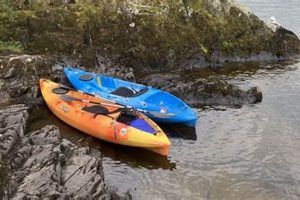
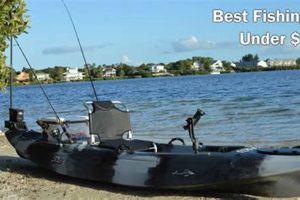
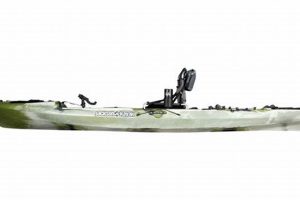
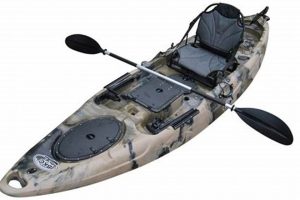
A top-rated kayak designed for angling in the United Kingdom’s coastal waters combines stability, seaworthiness, and features tailored to the needs of anglers. Such kayaks often include rod holders, storage compartments for tackle and gear, and comfortable seating for extended fishing trips. An example might be a sit-on-top design with a high weight capacity and specialized hull shaping for rougher conditions.
Choosing an appropriate vessel is crucial for successful and safe fishing excursions in the UK’s diverse marine environments. The right craft provides a stable platform for casting and reeling, allows anglers to reach productive fishing grounds, and offers security in varying sea states. Historically, anglers relied on traditional boats, but purpose-built kayaks have gained popularity due to their maneuverability, affordability, and accessibility to shallower waters and secluded areas. This shift has empowered anglers to explore a wider range of fishing opportunities.
Considerations for selecting an appropriate kayak include stability, size, storage capacity, and material construction. Additional factors such as portability, paddle choice, and safety equipment further enhance the angling experience and contribute to angler safety. Subsequent sections will delve into these crucial aspects, providing comprehensive guidance for selecting and equipping the optimal kayak for angling adventures in UK waters.
Tips for Choosing a Sea Fishing Kayak in the UK
Selecting a suitable kayak for sea fishing requires careful consideration of various factors. These tips offer guidance for making an informed decision.
Tip 1: Prioritize Stability: A stable platform is paramount for safe and effective fishing. Wider kayaks with flatter hulls generally offer greater stability, particularly for anglers standing to cast.
Tip 2: Consider Length and Weight Capacity: Longer kayaks track better in open water, while shorter models offer enhanced maneuverability in tighter spaces. Weight capacity should accommodate the angler, gear, and potential catch.
Tip 3: Evaluate Storage Options: Ample storage space is essential for tackle boxes, safety equipment, and personal belongings. Dedicated compartments and bungee systems contribute to organized and accessible gear storage.
Tip 4: Assess Hull Design: Different hull designs influence performance characteristics. A sit-on-top kayak offers advantages in terms of self-rescue and water shedding, while a sit-inside kayak provides greater protection from the elements.
Tip 5: Choose Suitable Materials: Kayak materials affect durability, weight, and performance. Polyethylene kayaks offer robust durability, while composite materials provide lighter weight and enhanced responsiveness.
Tip 6: Factor in Portability and Transportation: Consider the weight and dimensions of the kayak in relation to transport capabilities. Roof racks, trailers, and trolleys facilitate transport to and from launch sites.
Tip 7: Don’t Neglect Safety Equipment: Essential safety equipment includes a personal flotation device (PFD), a paddle leash, a VHF radio, and a first-aid kit. Visibility aids and flares further enhance safety in open waters.
Careful consideration of these factors will contribute to a successful and safe sea fishing experience. Choosing the right kayak ensures anglers can comfortably and confidently explore UK waters.
Through careful planning and preparation, anglers can maximize enjoyment and optimize success on the water. A well-chosen kayak provides the foundation for memorable fishing adventures in the UK’s diverse marine environments.
1. Stability

Stability is a paramount consideration when selecting a kayak for sea fishing in the UK. A stable platform is essential for casting effectively, reeling in catches, and ensuring angler safety, particularly in challenging sea conditions. This characteristic directly influences the angler’s ability to maintain balance and effectively manage fishing activities while minimizing the risk of capsizing.
- Primary Stability
Primary stability refers to the kayak’s initial resistance to tipping. A wider kayak with a flatter hull typically exhibits greater primary stability, making it ideal for calmer waters and activities like still fishing or photography. This stability promotes a secure feeling for anglers less experienced with kayaks.
- Secondary Stability
Secondary stability describes the kayak’s resistance to tipping at greater angles of lean. Kayaks with rounded or V-shaped hulls often possess greater secondary stability, providing a feeling of security in rougher conditions and allowing for more dynamic movements, such as leaning into turns or bracing against waves. This characteristic becomes increasingly important when navigating choppy waters or dealing with larger fish.
- Factors Affecting Stability
Several factors influence a kayak’s stability, including hull design, width, length, and the distribution of weight within the kayak. Understanding these factors allows anglers to make informed decisions based on their individual needs and the prevailing conditions. Kayak weight capacity and the angler’s center of gravity also contribute to overall stability.
- Implications for Sea Fishing
In the context of sea fishing, stability directly impacts the angler’s ability to perform essential tasks such as casting, fighting fish, and landing catches safely. Compromised stability can lead to difficulties in maintaining balance and controlling the kayak, particularly in challenging sea conditions or when dealing with strong currents and larger fish. A stable platform ensures a safe and enjoyable fishing experience, allowing anglers to focus on the task at hand.
Choosing a kayak with appropriate stability for UK sea fishing depends on a variety of factors including the intended fishing locations, anticipated sea conditions, and the angler’s experience level. Carefully evaluating stability characteristics allows anglers to select a kayak that provides the necessary platform for a safe, comfortable, and productive fishing experience in the UKs diverse marine environments.
2. Seaworthiness

Seaworthiness is a critical attribute of any vessel intended for marine environments, and it holds particular significance for kayaks designed for sea fishing in the UK. This characteristic encompasses a kayak’s ability to handle various sea conditions, including waves, currents, and wind, while maintaining stability and keeping the angler safe and dry. It directly impacts the kayak’s performance and the angler’s safety in open waters. A seaworthy kayak provides the confidence to venture further offshore, explore diverse fishing grounds, and handle unexpected changes in weather conditions, enhancing the overall fishing experience.
Several design elements contribute to a kayak’s seaworthiness. These include hull design, length, freeboard (the height of the sides above the waterline), and watertight integrity. Longer kayaks generally track better in waves and currents, while higher freeboard helps prevent water from entering the cockpit. A well-designed hull sheds water efficiently and provides stability in challenging conditions. For example, a kayak with a pronounced keel will track straighter in currents than a flatter-bottomed kayak. Similarly, a kayak with multiple sealed bulkheads will remain afloat even if one compartment is flooded. These features are crucial for safe and successful sea fishing trips, especially in the UK’s unpredictable waters.
Understanding the connection between seaworthiness and selecting the best sea fishing kayak for UK waters is essential for angler safety and fishing success. A seaworthy kayak enhances the angler’s ability to reach productive fishing grounds, handle varied conditions, and safely return to shore. Failure to prioritize seaworthiness can lead to dangerous situations, especially in adverse weather. Therefore, anglers should carefully evaluate seaworthiness characteristics when choosing a kayak for UK sea fishing. This consideration significantly contributes to a safe, enjoyable, and successful angling experience in the often challenging conditions encountered in UK coastal waters.
3. Storage Capacity

Adequate storage capacity is a crucial factor when selecting a sea fishing kayak in the UK. The ability to transport essential gear, including tackle, safety equipment, and personal items, directly impacts both fishing success and angler safety. Insufficient storage can limit fishing range, compromise preparedness for emergencies, and detract from overall enjoyment on the water. A well-designed storage system allows for organized access to equipment, promoting efficiency and minimizing clutter. This aspect is particularly relevant in the context of sea fishing, where conditions can change rapidly and access to essential gear is paramount.
- Types of Storage
Sea fishing kayaks offer various storage solutions, including hatches, tank wells, and bungee systems. Hatches provide waterproof compartments for sensitive items like electronics and spare clothing. Tank wells, typically located behind the seat, offer open storage for larger items such as tackle boxes and crates. Bungee systems secure items on the deck, providing quick access to frequently used gear. The choice of storage type depends on individual needs and the types of items typically carried on fishing trips.
- Capacity Considerations
The required storage capacity depends on the length and type of fishing trips undertaken. Longer expeditions necessitate greater storage for provisions, safety gear, and additional tackle. Shorter trips may require less storage, prioritizing essential items and maximizing space for comfort and maneuverability. Anglers should carefully assess their typical fishing practices and anticipated needs when evaluating storage capacity. An overly cluttered kayak can compromise stability and hinder performance.
- Accessibility and Organization
Effective storage solutions prioritize accessibility and organization. Well-placed hatches and tank wells allow for easy retrieval of gear without compromising balance or requiring awkward maneuvering. Dividers, trays, and smaller compartments within storage areas facilitate organization and prevent items from shifting during transit. This ensures quick access to essential gear, particularly in critical situations.
- Impact on Performance
The distribution of weight within a kayak significantly impacts its performance and stability. Overloading a kayak or improperly distributing weight can compromise stability and make the kayak more difficult to maneuver. A well-designed storage system allows for even weight distribution, optimizing performance and enhancing safety. Anglers should consider the placement and accessibility of storage compartments when planning how to load their kayaks, ensuring balanced weight distribution for optimal performance.
Selecting a sea fishing kayak with appropriate storage capacity is essential for a successful and enjoyable fishing experience in UK waters. The ability to safely and efficiently transport necessary gear contributes to angler safety, preparedness, and overall fishing effectiveness. Careful consideration of storage options, capacity, and accessibility ensures anglers can focus on their fishing, confident in their ability to access essential equipment when needed. This factor is integral to selecting the best kayak for the specific demands of sea fishing in the UK.
4. Comfortable Seating

Comfortable seating is a critical factor influencing the overall experience of sea fishing in the UK, particularly given the potential duration of fishing trips and the often challenging conditions encountered in open waters. An uncomfortable seat can lead to fatigue, discomfort, and even pain, significantly detracting from the enjoyment and effectiveness of a fishing excursion. Therefore, careful consideration of seating design, adjustability, and materials is essential when selecting the best sea fishing kayak for UK waters. A comfortable and supportive seat enables anglers to maintain focus and stamina throughout their fishing trip, maximizing enjoyment and optimizing performance on the water.
- Seat Design and Construction
Seat design plays a crucial role in providing comfort and support. Features such as adjustable backrests, contoured seating surfaces, and breathable fabrics contribute to long-term comfort and minimize pressure points. High-quality materials, such as padded foam and durable, weather-resistant fabrics, enhance comfort and ensure longevity. Examples include adjustable lumbar support, high-back designs, and breathable mesh panels. These features mitigate fatigue and enhance angler comfort during extended periods on the water, contributing to a more positive overall experience.
- Adjustability and Customization
The ability to adjust and customize the seat is crucial for accommodating individual preferences and physical characteristics. Adjustable backrests, footrests, and seat height allow anglers to fine-tune their seating position for optimal comfort and support. This customization ensures proper posture and weight distribution, reducing strain and maximizing comfort during long fishing trips. Features like adjustable straps, sliding tracks, and multiple positioning options allow for personalized comfort and contribute to a more enjoyable and less fatiguing experience on the water.
- Impact on Fishing Performance
A comfortable seating position directly impacts fishing performance. Proper posture and support enhance stability, balance, and casting accuracy, contributing to a more effective and enjoyable fishing experience. Reduced fatigue allows anglers to maintain focus and concentration throughout their trip, maximizing their chances of success. A comfortable seat allows for greater freedom of movement and reduces distractions caused by discomfort, allowing the angler to concentrate on fishing and react quickly to changing conditions or fish strikes.
- Material Considerations and Durability
Selecting durable and weather-resistant materials is crucial for ensuring the longevity and performance of the kayak seat. Materials like UV-resistant polyethylene, durable nylon, and corrosion-resistant hardware withstand the harsh marine environment, ensuring long-lasting comfort and functionality. Choosing high-quality materials that can withstand exposure to saltwater, sun, and abrasion ensures the seat remains comfortable and functional over time, contributing to the overall value and longevity of the kayak.
A comfortable and well-designed seating system is an essential component of the best sea fishing kayaks for UK waters. It directly influences angler comfort, reduces fatigue, and enhances fishing performance, contributing to a more enjoyable and successful experience on the water. Prioritizing comfortable seating ensures anglers can fully enjoy their time on the water, focusing on the thrill of fishing rather than the discomfort of an inadequate seat. This attention to detail distinguishes a truly exceptional sea fishing kayak and elevates the overall fishing experience.
5. Rod Holders

Rod holders are integral components of kayaks designed for sea fishing in the UK, significantly impacting fishing effectiveness and safety. They provide secure storage for fishing rods, freeing the angler’s hands for other tasks such as paddling, navigating, handling lines, and landing fish. This is particularly important in the dynamic environment of sea fishing, where conditions can change rapidly and require quick responses. Without rod holders, anglers would need to constantly hold their rods, leading to fatigue and reducing responsiveness to fish strikes or changing sea conditions. Dedicated rod holders allow anglers to troll multiple lines simultaneously, increasing the chance of a catch. They also prevent rods from being lost or damaged due to sudden movements or unexpected waves. For instance, an angler battling a strong current can securely store a rod while adjusting their position or attending to other equipment, thereby maximizing control and safety. Furthermore, rod holders positioned near the angler’s reach facilitate quick access when a fish strikes, minimizing the time between bite and hookset, a critical factor in successful angling.
Several types of rod holders exist, each with specific advantages. Flush-mounted rod holders offer a streamlined profile, minimizing interference with paddling and reducing the risk of snagging lines. Adjustable rod holders allow anglers to customize the rod angle for various fishing techniques, from trolling to bottom fishing. Rotating rod holders facilitate tracking fish and adjusting to changing currents. The choice of rod holder type depends on individual fishing style and target species. An angler targeting mackerel might prefer adjustable rod holders for trolling, while an angler targeting cod might opt for flush-mounted holders for bottom fishing. The strategic placement of rod holders further enhances their utility. Positioning holders within easy reach optimizes efficiency during active fishing, while placing holders further back can be advantageous for trolling or storing rods when not in use. This strategic placement allows for efficient use of space and enhances overall fishing effectiveness.
The presence, type, and placement of rod holders significantly influence a sea fishing kayak’s practicality and effectiveness. They contribute to angler safety by securing rods and freeing hands for essential tasks. They enhance fishing success by enabling multiple lines to be fished concurrently and facilitating quick responses to fish strikes. Understanding the role and variations in rod holders empowers anglers to select a kayak optimized for their specific needs and fishing style in UK waters. This careful consideration contributes significantly to both safety and fishing success in the diverse and often challenging conditions encountered in the UK’s marine environment.
6. Durable Construction

Durable construction is paramount when selecting a sea fishing kayak intended for use in UK waters. The demanding marine environment, characterized by exposure to saltwater, UV radiation, and potential impacts with rocks or other obstacles, necessitates a robust and resilient kayak. A kayak’s structural integrity directly influences its lifespan, safety, and overall performance in these challenging conditions. Choosing a kayak built with durable materials and construction techniques ensures long-term reliability, minimizes the risk of damage, and contributes to a safe and enjoyable fishing experience.
- Material Selection
The choice of material significantly impacts a kayak’s durability. Polyethylene is a popular choice due to its impact resistance, affordability, and UV resistance. Higher-grade polyethylenes offer enhanced durability and stiffness. Composite materials, such as fiberglass and carbon fiber, provide superior strength-to-weight ratios and stiffness, but often come at a higher cost. Thermoformed ABS plastic offers a balance of durability and affordability. Each material presents distinct advantages and disadvantages regarding durability, weight, and cost. For instance, a polyethylene kayak might be more resistant to impacts from rocks, while a composite kayak might offer greater resistance to abrasion. Understanding these trade-offs is crucial for selecting the appropriate material for the intended use and environment.
- Construction Techniques
Construction techniques influence a kayak’s overall strength and resilience. Rotational molding, commonly used for polyethylene kayaks, creates a seamless, one-piece hull with uniform thickness. Thermoforming involves heating sheets of plastic and molding them over a mold, resulting in a lighter and stiffer hull. Composite kayaks are typically constructed using layers of fiberglass or carbon fiber cloth impregnated with resin, resulting in a strong and lightweight structure. Each technique offers specific benefits and drawbacks relating to durability, weight, and cost. For example, a rotationally molded kayak might be more durable but heavier than a thermoformed kayak. Understanding these construction techniques allows for informed decisions based on individual needs and priorities.
- Hull Design and Reinforcement
Hull design and reinforcement contribute to a kayak’s ability to withstand impacts and resist damage. Features such as reinforced keels, chines, and sterns enhance durability in areas prone to contact with obstacles or the seabed. Multiple bulkheads not only enhance buoyancy but also contribute to structural rigidity. The design of the hull itself, including its shape and thickness, also plays a crucial role in its ability to withstand impacts and resist deformation. For example, a kayak with a rounded hull might deflect impacts more effectively than a kayak with a flatter hull.
- Hardware and Fittings
The quality and durability of hardware and fittings, such as hatches, handles, and deck rigging, are essential considerations. Corrosion-resistant materials, such as stainless steel or anodized aluminum, are crucial for ensuring longevity in saltwater environments. Well-designed and securely installed fittings contribute to the overall structural integrity of the kayak and ensure reliable performance over time. High-quality hardware and fittings resist corrosion and wear, maintaining functionality and safety over extended periods of use. This attention to detail in material selection and construction contributes to a more robust and reliable kayak, enhancing its value and longevity in the demanding marine environment.
Investing in a durably constructed kayak is essential for ensuring long-term performance, safety, and enjoyment in UK sea fishing. A robust kayak withstands the rigors of the marine environment, minimizing the risk of damage and maximizing lifespan. By understanding the factors that contribute to durable construction, anglers can make informed decisions and select the best sea fishing kayak for their needs, ensuring a safe, reliable, and rewarding experience on the water. This consideration contributes significantly to the overall value and longevity of the kayak, ensuring years of reliable service in the challenging conditions of UK waters.
7. Maneuverability
Maneuverability is a critical attribute for sea fishing kayaks, especially in the diverse and often challenging waters around the UK. A highly maneuverable kayak allows anglers to navigate complex coastlines, explore tight inlets and estuaries, and respond effectively to changing currents and tides. This agility is essential for accessing productive fishing grounds, particularly in areas with rocky outcrops, kelp forests, or shallow reefs. It also enhances safety by allowing for quick adjustments in unpredictable conditions, such as sudden shifts in wind direction or unexpected encounters with marine life. For example, a kayak’s ability to turn quickly and efficiently is crucial when navigating through strong currents around headlands or when maneuvering in close proximity to other vessels or obstacles. A less maneuverable kayak might struggle in these situations, potentially compromising safety and limiting access to prime fishing locations. Consider a scenario where an angler needs to reposition quickly to avoid a breaking wave or to follow a school of fish; a highly maneuverable kayak provides the responsiveness necessary to capitalize on these opportunities while maintaining safety.
Several factors influence a kayak’s maneuverability, including hull design, length, and rudder or skeg systems. Shorter kayaks generally turn more quickly than longer kayaks, making them ideal for navigating confined spaces. However, shorter kayaks can be less stable and track less effectively in open water. Longer kayaks offer better tracking and glide but sacrifice maneuverability in tight spaces. Hull design also plays a significant role. A kayak with a pronounced keel will track straight and resist turning, while a kayak with a flatter hull will turn more easily but may be more susceptible to wind and current. Rudders and skegs enhance directional stability and tracking, particularly in windy conditions, and contribute to overall maneuverability by allowing for precise course adjustments. Choosing the right balance between maneuverability, stability, and tracking is essential for selecting the best sea fishing kayak for specific UK fishing conditions. An angler fishing in sheltered estuaries might prioritize maneuverability, while an angler fishing in exposed coastal waters might prioritize stability and tracking.
The optimal level of maneuverability depends on the intended fishing environment and personal preferences. Anglers fishing in confined areas with strong currents will benefit significantly from a highly maneuverable kayak, while those fishing in open water might prioritize stability and tracking. Understanding the relationship between maneuverability and other performance characteristics, such as stability and speed, is crucial for selecting the right kayak. Choosing a kayak with appropriate maneuverability enhances fishing effectiveness, improves safety, and allows anglers to confidently explore the diverse and challenging waters around the UK. Ultimately, the ability to precisely control and position the kayak in various conditions contributes significantly to a successful and enjoyable sea fishing experience.
Frequently Asked Questions
This section addresses common queries regarding the selection and use of sea fishing kayaks in the UK.
Question 1: What is the ideal length for a sea fishing kayak in UK waters?
Optimal kayak length depends on factors such as storage space, transportation method, and intended fishing locations. Longer kayaks (12+ feet) offer superior tracking and speed in open water, while shorter kayaks (under 12 feet) provide enhanced maneuverability in tighter spaces like estuaries and rocky coastlines. Individual preferences and fishing styles also influence the ideal length.
Question 2: Sit-on-top or sit-inside kayak: which is better for sea fishing in the UK?
Sit-on-top kayaks offer advantages in terms of self-rescue, stability, and water shedding, making them suitable for varied conditions, especially for less experienced paddlers. Sit-inside kayaks provide greater protection from the elements and a drier ride, but can be more challenging to recover from a capsize. The choice depends on personal preference, experience level, and the typical weather conditions encountered.
Question 3: What safety equipment is essential for sea fishing kayaking in the UK?
Essential safety equipment includes a personal flotation device (PFD), a paddle leash, a VHF radio, a first-aid kit, a signaling device (whistle or flares), and appropriate navigation lights. A bilge pump, spare paddle, and tow line are also recommended. Checking weather forecasts and informing someone of planned routes and estimated return times are crucial safety precautions.
Question 4: What features should one look for in a good sea fishing kayak seat?
A good sea fishing kayak seat should offer adjustability, comfortable padding, and adequate back support for prolonged periods on the water. Breathable materials and adjustable lumbar support enhance comfort. Durability and weather resistance are essential for withstanding the marine environment. The ability to customize the seat position contributes to optimal paddling posture and reduces fatigue.
Question 5: How important is storage space in a sea fishing kayak?
Ample storage is crucial for carrying essential fishing gear, safety equipment, and personal items. Dedicated compartments for tackle boxes, waterproof hatches for electronics, and bungee systems for securing items on deck contribute to organized and accessible storage. Sufficient storage capacity allows for longer fishing trips and enhances preparedness for various situations.
Question 6: How does hull design affect the performance of a sea fishing kayak?
Hull design significantly influences a kayak’s stability, tracking, speed, and maneuverability. Wider, flatter hulls offer greater primary stability, while narrower, V-shaped hulls provide better secondary stability and tracking in rougher conditions. The hull design must be chosen based on the intended fishing locations and the typical sea conditions encountered. A balance between stability, maneuverability, and speed is essential.
Careful consideration of these factors contributes significantly to selecting the appropriate sea fishing kayak for individual needs and UK conditions. Prioritizing safety, performance, and comfort ensures an enjoyable and successful experience on the water.
The next section will explore specific kayak models recommended for UK sea fishing, offering detailed reviews and comparisons to assist in the selection process.
Conclusion
Selecting a top-performing kayak designed for angling in UK coastal waters requires careful evaluation of various factors. Stability, seaworthiness, storage capacity, comfortable seating, strategically placed rod holders, durable construction, and maneuverability all contribute significantly to a safe, efficient, and enjoyable fishing experience. Understanding the interplay of these elements empowers informed decision-making, ensuring the chosen vessel aligns with individual angler needs and the specific demands of the UK marine environment. Prioritizing these features contributes not only to fishing success but also to angler safety and the longevity of the kayak itself. The appropriate vessel serves as a reliable platform, enabling anglers to confidently explore UK waters and fully appreciate the diverse fishing opportunities they offer.
Ultimately, the investment in a well-equipped, purpose-built kayak designed for the rigors of sea fishing in the UK yields significant dividends. It provides a stable, reliable, and efficient platform from which anglers can pursue their passion, explore new fishing grounds, and connect with the natural beauty of the UK coastline. Careful consideration of the factors outlined herein empowers anglers to select the optimal kayak, maximizing both enjoyment and success on the water. This thoughtful approach to equipment selection ensures not only a rewarding present experience but also lays the foundation for countless future fishing adventures in UK waters.