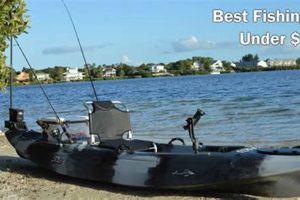
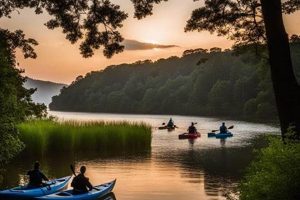
Prime kayak fishing locations in San Diego offer a unique blend of accessibility and diverse marine life. Anglers can launch from various points along the coastline and bays, targeting species from calico bass and halibut to yellowtail and even tuna depending on the season and specific location. This approach allows for a closer connection with the environment and a personalized fishing experience compared to shore fishing or larger vessels.
Kayak fishing provides significant advantages, including the ability to reach shallow waters and navigate tight spaces inaccessible to larger boats. This opens up opportunities to explore kelp forests, rocky reefs, and other productive habitats. Furthermore, the quiet and low-profile nature of kayaks minimizes disturbance to fish, potentially increasing catch rates. Historically, smaller vessels like kayaks have played a crucial role in fishing practices worldwide, highlighting the enduring effectiveness and adaptability of this approach. In San Diego, this method allows anglers to engage with the region’s rich maritime legacy in a modern and eco-friendly way.
Specific locations known for exceptional kayak fishing opportunities in San Diego warrant further exploration. These range from protected bays ideal for beginners to more challenging offshore areas suitable for experienced kayakers. Factors such as prevailing currents, water clarity, and proximity to known fish habitats play a crucial role in determining optimal fishing spots. A closer examination of these areas, along with considerations for safety and responsible angling practices, will provide valuable insights for anglers of all skill levels.
Tips for Kayak Fishing in San Diego
Successful kayak fishing in San Diego requires careful planning and preparation. The following tips offer guidance for maximizing angling opportunities while prioritizing safety and responsible practices.
Tip 1: Research Launch Sites: Thorough research of launch sites is crucial. Factors such as parking availability, tides, currents, and proximity to target fishing areas should inform site selection. La Jolla Shores, Mission Bay, and Coronado Ferry Landing are popular options, each with unique characteristics.
Tip 2: Check Weather and Water Conditions: Prior to any outing, consulting marine weather forecasts and monitoring current water conditions are essential. Wind speed, wave height, and water temperature significantly impact safety and fishing success.
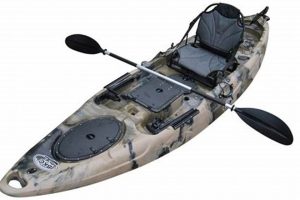
Tip 3: Equip Kayaks Appropriately: Kayaks should be outfitted with essential safety gear, including a personal flotation device (PFD), a whistle, a signaling device, and a first-aid kit. Rod holders, fish finders, and anchor systems enhance the fishing experience.
Tip 4: Understand Local Regulations: Familiarization with local fishing regulations, including licensing requirements, size and bag limits, and protected species, is mandatory. Resources such as the California Department of Fish and Wildlife website provide comprehensive information.
Tip 5: Practice Kayak Handling: Prior experience and comfort with kayak handling are essential, especially in open water or challenging conditions. Practice maneuvering, launching, and landing in calm waters before venturing to more exposed areas.
Tip 6: Employ Proper Fishing Techniques: Adapting fishing techniques to the specific target species and local environment increases success rates. Researching effective rigs, lures, and bait presentations relevant to San Diego waters yields positive results.
Tip 7: Prioritize Safety and Leave No Trace: Safety should always be the paramount concern. Staying aware of surroundings, maintaining a safe distance from other vessels, and respecting wildlife are critical. Adhering to Leave No Trace principles ensures minimal environmental impact.
By adhering to these guidelines, anglers can significantly enhance their kayak fishing experience in San Diego while enjoying the regions diverse marine environment responsibly.
These practical tips provide a foundation for a successful and enjoyable kayak fishing adventure. Combining preparation with an understanding of local conditions ensures both a productive and safe experience on the water.
1. Sheltered Bays

Sheltered bays represent a crucial component of San Diego’s premier kayak fishing landscape. The protection offered by these bays from prevailing winds and swells creates calmer water conditions, particularly beneficial for less experienced kayakers. This reduced exposure to challenging open-water conditions allows novice anglers to focus on developing essential skills, such as kayak control and fishing techniques, without the added pressure of navigating rough seas. Moreover, the calmer waters within sheltered bays provide a more stable platform for casting and retrieving lines, increasing the likelihood of successful hookups. Mission Bay, for example, offers numerous sheltered coves and inlets ideal for targeting halibut and spotted bay bass.
The calmer environment within sheltered bays also contributes to a richer, more diverse ecosystem. These areas often serve as nurseries for juvenile fish and attract smaller baitfish, creating a concentrated food source that, in turn, draws larger predatory species. This abundance of marine life makes sheltered bays highly productive fishing grounds. Furthermore, the shallow depths typical of these environments allow anglers to effectively utilize a wider range of fishing techniques, including sight fishing and shallow-water jigging. Anglers in San Diego Bay, for instance, frequently employ these methods to target calico bass and other inshore species.
While sheltered bays offer significant advantages for kayak fishing, certain considerations remain important. Tidal currents can be strong in these areas, particularly near inlets and channels. Understanding tidal flows and their impact on fish behavior is crucial for successful angling. Additionally, shallow waters require careful navigation to avoid grounding. Despite these potential challenges, the generally calm conditions and abundant marine life solidify sheltered bays as an integral element of the best kayak fishing experiences available in San Diego. These sheltered locations provide an accessible entry point for newcomers while offering seasoned anglers a productive and diverse fishing environment.
2. La Jolla Shores
La Jolla Shores holds a prominent position among San Diego’s premier kayak fishing destinations due to a confluence of factors. The area’s gentle sloping beach facilitates easy kayak launching and landing, a crucial element for both beginners and experienced anglers. This convenient access eliminates potential difficulties associated with navigating more challenging launch sites, particularly during variable tidal conditions. Moreover, the presence of the La Jolla Ecological Reserve adjacent to the shores creates a protected environment conducive to thriving marine life populations. This reserve functions as a natural haven, fostering biodiversity and attracting a variety of fish species sought by kayak anglers. Calico bass, in particular, are prevalent within the kelp forests bordering the reserve, offering consistent angling opportunities.
The unique submarine canyon topography off La Jolla Shores significantly influences the area’s appeal for kayak fishing. This underwater canyon creates upwelling currents that bring nutrient-rich waters closer to the surface. These nutrient-rich waters support a vibrant food web, attracting baitfish and subsequently larger predatory species such as yellowtail and white seabass. The combination of sheltered waters near the shore and deeper offshore access afforded by the canyon’s proximity caters to diverse fishing preferences and skill levels. Anglers can target nearshore species like halibut in the shallow sandy flats or venture further out to pursue pelagic fish in the deeper waters influenced by the canyon. The protected cove formed by La Jolla Shores also offers a relatively predictable environment, minimizing exposure to strong winds and swells often encountered in more exposed areas along the San Diego coastline. This predictability makes La Jolla Shores a suitable location for kayak fishing throughout much of the year.
The convergence of convenient launch access, protected ecological reserves, and unique underwater topography establishes La Jolla Shores as a significant contributor to San Diego’s reputation for exceptional kayak fishing. The site’s diverse fish populations, coupled with its relatively predictable conditions, offer anglers a high probability of successful outings. However, navigating the kelp forests and understanding local regulations related to the ecological reserve require careful preparation and adherence to responsible angling practices. Awareness of these factors ensures both a productive and sustainable approach to enjoying the rich fishing resources available at La Jolla Shores.
3. Coronado Islands

The Coronado Islands, situated just off the coast of San Diego, represent a unique and challenging kayak fishing destination, contributing significantly to the region’s diverse angling opportunities. While requiring more experience and planning compared to nearshore locations, the potential rewards for venturing to these islands are substantial, attracting anglers seeking larger game fish and a more adventurous experience.
- Diverse Pelagic Species
The waters surrounding the Coronado Islands attract a variety of pelagic fish species, including yellowtail, barracuda, and occasionally even tuna. These migratory fish are drawn to the area by the convergence of currents and the abundance of baitfish. This concentration of larger game fish presents a significant draw for experienced kayak anglers seeking a challenging and potentially rewarding fishing experience. However, targeting these species requires specialized tackle and techniques, often involving trolling or live bait fishing.
- Challenging Conditions
Reaching the Coronado Islands by kayak necessitates careful consideration of prevailing weather and sea conditions. The open-water crossing exposes anglers to potentially strong winds, currents, and swells. Thorough pre-trip planning, including checking marine forecasts and understanding local weather patterns, is essential for a safe and successful trip. Experience with kayak handling in challenging conditions is also highly recommended, along with appropriate safety gear and communication devices.
- Regulatory Considerations
The Coronado Islands are subject to specific fishing regulations, including licensing requirements and catch limits, distinct from those governing nearshore areas. Anglers must familiarize themselves with these regulations prior to fishing in these waters. Additionally, portions of the islands are designated as protected areas, requiring careful navigation and adherence to specific rules regarding anchoring and fishing practices. Respecting these regulations ensures the preservation of the islands’ sensitive ecosystem and contributes to sustainable fishing practices.
- Enhanced Angling Experience
Despite the challenges, the Coronado Islands offer a unique and rewarding kayak fishing experience. The opportunity to encounter larger pelagic species in a relatively remote and pristine environment distinguishes this location from more accessible nearshore spots. The sense of adventure associated with navigating open waters and encountering diverse marine life contributes to a truly memorable angling experience. This combination of challenge and reward solidifies the Coronado Islands as a premier kayak fishing destination for those prepared to venture beyond the immediate coastline.
The unique combination of diverse pelagic species, challenging conditions, specific regulations, and an enhanced angling experience distinguishes the Coronado Islands as a significant component of the “best places to kayak fish in San Diego” narrative. While requiring careful planning and experience, the potential rewards, both in terms of catch and overall experience, make this destination a compelling option for adventurous kayak anglers.
4. Mission Bay

Mission Bay stands out as a prime location within the context of San Diego’s best kayak fishing spots. Its extensive network of interconnected bays, inlets, and marshes creates a diverse and productive ecosystem, supporting a wide range of fish species and offering varied fishing opportunities. The bay’s relatively calm waters and numerous launch points also contribute to its accessibility for kayakers of all skill levels.
- Habitat Diversity
Mission Bay’s varied habitats, including shallow eelgrass beds, deeper channels, and artificial structures like docks and jetties, provide ideal environments for numerous fish species. Halibut often inhabit sandy flats, while spotted bay bass and calico bass thrive around structures and kelp beds. This diversity allows anglers to target specific species using appropriate techniques and tackle. For example, fly fishing can be effective in shallow flats, while live bait or lures work well around structures.
- Accessibility and Infrastructure
Numerous launch points around Mission Bay offer convenient access for kayak anglers. Public boat ramps, parks, and dedicated kayak launch areas provide ample parking and easy entry into the water. Rental services for kayaks and fishing gear are also readily available. This established infrastructure minimizes logistical challenges and allows anglers to focus on the fishing experience. Several marinas within the bay also offer amenities such as restrooms and bait shops.
- Protected Waters
The relatively sheltered nature of Mission Bay generally provides calmer water conditions compared to more exposed coastal areas. This characteristic makes it suitable for kayak fishing even in moderately windy conditions, offering a more stable and predictable environment. The reduced wave action and currents simplify kayak maneuvering and enhance fishing techniques requiring precise boat control, such as drift fishing or sight casting. However, localized winds and tidal currents within the bay should still be considered.
- Family-Friendly Environment
Mission Bay’s calm waters and abundant amenities make it a suitable location for family-friendly kayak fishing outings. Designated swimming areas, picnic grounds, and nearby restaurants offer additional recreational opportunities. This comprehensive environment caters to families with diverse interests, allowing for a combination of fishing and other activities. The presence of lifeguards and readily available assistance also contributes to a safe and enjoyable experience for all.
The convergence of habitat diversity, accessibility, protected waters, and family-friendly features solidifies Mission Bay’s position as a top kayak fishing destination in San Diego. The bay’s multifaceted environment provides an ideal setting for anglers of all skill levels, from beginners seeking calm waters to experienced anglers targeting specific species. The integration of recreational amenities further enhances the overall experience, making Mission Bay an attractive option for those seeking a combination of fishing and leisure activities within a readily accessible and well-maintained environment.
5. Kelp Forests
Kelp forests represent a critical component of what constitutes the “best places to kayak fish in San Diego.” These underwater ecosystems provide essential habitat for a variety of fish species targeted by anglers, contributing significantly to the region’s rich marine biodiversity and productive fishing grounds. The complex structure of kelp forests offers shelter, foraging areas, and breeding grounds for numerous fish, creating a concentrated food web that attracts larger predatory species. Calico bass, for example, utilize the kelp canopy for ambush predation, while rockfish seek refuge within its dense structure. This intricate interplay of species within the kelp environment makes it a prime location for kayak anglers.
The accessibility of kelp forests to kayak anglers further strengthens their connection to prime fishing locations. Kayaks, due to their maneuverability and shallow draft, allow anglers to navigate the intricate channels and edges of kelp beds, areas often inaccessible to larger vessels. This advantage provides opportunities for targeted fishing within the heart of the kelp forest ecosystem. Furthermore, the relatively quiet operation of kayaks minimizes disturbance to fish, potentially increasing catch rates. Specific locations like La Jolla Cove and Point Loma, known for their extensive kelp forests, demonstrate the direct correlation between these habitats and successful kayak fishing outcomes. Observing local regulations regarding kelp forest protection, however, remains crucial for ensuring the sustainability of these valuable ecosystems.
Understanding the ecological significance of kelp forests enhances the kayak fishing experience in San Diego. Recognizing how these habitats function as vital nurseries and feeding grounds informs responsible angling practices, such as catch-and-release techniques and careful navigation to minimize disturbance. This awareness contributes to the long-term health of kelp forests and ensures their continued role as a cornerstone of productive and enjoyable kayak fishing in the region. The combination of species diversity, accessibility by kayak, and the angler’s commitment to conservation solidifies the integral link between kelp forests and premier kayak fishing destinations in San Diego.
6. Nearshore Reefs

Nearshore reefs constitute a crucial element within the network of San Diego’s prime kayak fishing locations. These submerged rock formations create complex habitats supporting a rich diversity of marine life, attracting numerous fish species sought by anglers. The irregular surfaces and crevices of reefs provide shelter from predators and favorable hunting grounds for a variety of fish, including rockfish, sheepshead, and cabezon. This concentration of fish populations establishes nearshore reefs as highly productive fishing grounds accessible to kayak anglers. The ability of kayaks to navigate shallow waters and maneuver close to reef structures allows for targeted fishing within these prime habitats. Locations such as Pacific Beach and La Jolla Shores exemplify the correlation between nearshore reefs and successful kayak fishing outcomes in San Diego.
The ecological significance of nearshore reefs extends beyond their role as productive fishing grounds. These habitats function as vital components of the larger marine ecosystem, providing essential breeding and nursery areas for many fish species. Understanding this ecological role reinforces the importance of responsible fishing practices around reefs. Minimizing anchor impacts and adhering to catch and release guidelines contribute to the long-term health and sustainability of these valuable ecosystems. Furthermore, the proximity of nearshore reefs to the coastline often creates unique current patterns and upwelling zones, influencing fish behavior and creating predictable feeding areas that experienced kayak anglers can leverage. Awareness of these factors enhances fishing success while promoting environmental stewardship.
Nearshore reefs contribute significantly to San Diego’s reputation as a premier kayak fishing destination. The combination of accessible locations, diverse fish populations, and ecological importance underscores the value of these habitats. Recognizing the interplay between reef ecosystems and successful angling practices ensures both a productive and sustainable approach to kayak fishing in San Diego. Continued exploration and understanding of these nearshore environments remain essential for maximizing fishing opportunities while preserving the integrity of these vital marine resources.
Frequently Asked Questions
This section addresses common inquiries regarding optimal kayak fishing locations in San Diego.
Question 1: What are the most suitable kayak fishing locations for beginners in San Diego?
Sheltered bays such as Mission Bay and San Diego Bay offer calmer waters ideal for novice kayakers. These locations provide a safe and manageable environment for developing fundamental paddling and fishing skills.
Question 2: Which locations offer the best opportunities for targeting specific game fish species?
La Jolla Shores is renowned for calico bass fishing within its kelp forests. The Coronado Islands, while more challenging to reach, present opportunities for larger pelagic species like yellowtail and barracuda. Nearshore reefs throughout the region attract rockfish and sheepshead.
Question 3: Are there any specific regulations or licensing requirements for kayak fishing in San Diego?
A valid California fishing license is required for all anglers. Specific regulations regarding size and bag limits, as well as protected species, vary depending on location and species targeted. Consulting the California Department of Fish and Wildlife website provides comprehensive information.
Question 4: What essential safety precautions should kayak anglers observe in San Diego waters?
Wearing a personal flotation device (PFD) is paramount. Checking weather and sea conditions prior to any outing is crucial. Carrying a signaling device, a whistle, and a first-aid kit is also strongly recommended. Informing someone of intended fishing locations and estimated return times enhances safety.
Question 5: What environmental considerations should kayak anglers keep in mind?
Adhering to Leave No Trace principles minimizes environmental impact. Proper disposal of fishing line and other refuse prevents marine debris. Respecting wildlife and avoiding disturbance of sensitive habitats such as kelp forests and eelgrass beds contribute to ecosystem preservation.
Question 6: What resources are available for planning and enhancing a kayak fishing trip in San Diego?
Local kayak fishing guides and outfitters offer valuable insights into optimal locations, techniques, and regulations. Online forums and communities dedicated to kayak fishing provide platforms for sharing information and experiences. Consulting nautical charts and tide tables aids in navigation and planning.
Careful planning, adherence to regulations, and respect for the marine environment are crucial components of successful and sustainable kayak fishing in San Diego. This approach ensures both a rewarding angling experience and the preservation of valuable coastal resources.
Further exploration of specific locations and techniques provides a deeper understanding of the diverse kayak fishing opportunities available in San Diego.
Conclusion
Optimal kayak fishing locations in San Diego necessitate careful consideration of several factors. Sheltered bays offer calm waters suitable for beginners, while La Jolla Shores provides convenient access to productive kelp forests. The Coronado Islands present a challenging but rewarding opportunity for experienced anglers seeking larger pelagic species. Mission Bay’s diverse habitats and accessible infrastructure cater to various skill levels and fishing preferences. Nearshore reefs throughout the region offer additional productive fishing grounds accessible by kayak. Understanding local regulations, prioritizing safety precautions, and practicing responsible angling techniques are crucial for maximizing the enjoyment and sustainability of these valuable resources.
San Diego’s diverse coastline and rich marine ecosystems offer exceptional kayak fishing opportunities. Careful selection of location, informed by individual skill level and target species, significantly enhances the likelihood of a successful and rewarding experience. Continued exploration and responsible stewardship of these coastal environments ensure the preservation of premier kayak fishing destinations for future generations.