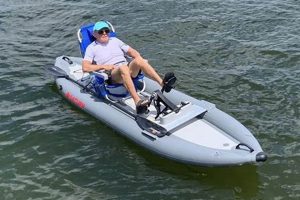
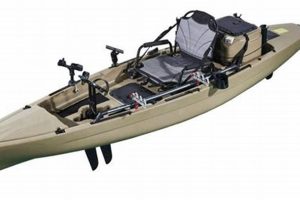
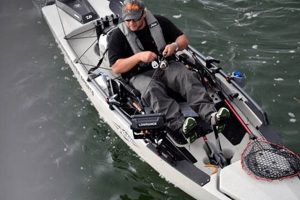
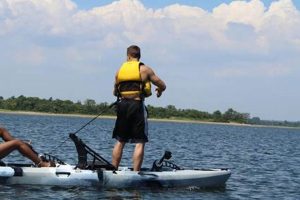
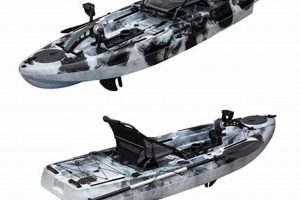
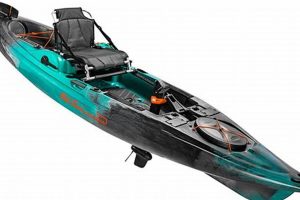
High-quality pedal-powered kayaks designed for angling represent a significant advancement in fishing from small watercraft. These kayaks offer hands-free propulsion, allowing anglers to focus on casting, retrieving, and landing fish. This propulsion system also enables precise maneuvering in shallow water and against currents, expanding access to prime fishing locations. Typically, such kayaks feature specialized design elements including rod holders, tackle storage, and often mounting points for fish finders and other accessories.
Hands-free fishing provides a considerable advantage over traditional paddle kayaks, enhancing casting accuracy and reducing fatigue during long outings. The stability and maneuverability afforded by pedal drive systems allow anglers to navigate complex waterways and hold position effectively. Furthermore, the quiet operation of pedal kayaks minimizes disturbance to fish, increasing the likelihood of a successful catch. This evolution in kayak design reflects the ongoing pursuit of efficiency and improved angling techniques.
The following sections will delve into specific features to consider when selecting a pedal-powered fishing kayak, including hull design, propulsion systems, and essential accessories. Further discussion will cover popular models, maintenance requirements, and safety considerations for optimal performance and enjoyable fishing experiences.
Tips for Selecting a Pedal-Powered Fishing Kayak
Choosing the right pedal-powered fishing kayak requires careful consideration of individual needs and intended uses. The following tips offer guidance for making an informed decision.
Tip 1: Prioritize Stability: Hull design significantly impacts stability. Wider, flatter hulls offer greater initial stability, beneficial for stand-up fishing. Longer, narrower hulls provide better tracking and speed but may feel less stable.
Tip 2: Evaluate Propulsion Systems: Compare fin-driven systems with propeller-driven systems. Fin drives tend to be quieter and perform better in shallow water with vegetation, while propeller drives often offer greater speed in open water.
Tip 3: Consider Weight Capacity: Ensure the kayak’s weight capacity accommodates the angler’s weight, gear, and potential catch. Exceeding the capacity compromises stability and performance.
Tip 4: Assess Storage Options: Adequate storage for tackle, rods, and personal items is crucial. Evaluate the size, accessibility, and waterproofing of storage compartments.
Tip 5: Examine Seating Comfort: A comfortable seat enhances endurance during long fishing trips. Look for adjustable seating with ample back support and breathable materials.
Tip 6: Factor in Transportability: Consider the kayak’s weight and length relative to available transportation methods. Roof racks and trailers may be necessary for larger models.
Tip 7: Research Reputable Brands: Opting for established brands with positive reviews often ensures quality construction, reliable performance, and readily available replacement parts.
Careful consideration of these factors will lead to a more informed purchasing decision, ensuring the selected kayak meets individual angling requirements and promotes a positive on-the-water experience.
By applying these tips, anglers can confidently select a pedal-powered fishing kayak that enhances their fishing adventures and contributes to successful outings on the water. The next section will offer concluding thoughts and emphasize the importance of safe kayaking practices.
1. Stability

Stability forms a cornerstone of a successful fishing kayak, especially one utilizing pedal propulsion. A stable platform allows anglers to focus on fishing techniques rather than constant balance adjustments. This is particularly critical in pedal kayaks, as hands-free operation necessitates a platform steady enough for casting, retrieving, and landing fish without compromising safety. Increased stability also permits standing for improved visibility and casting range, a significant advantage in many fishing scenarios. For instance, sight fishing in shallow flats or casting into overhead cover benefits greatly from the elevated perspective a stable standing platform provides. Conversely, instability can lead to difficulty with accurate casts, lost fish, and potentially dangerous situations, particularly in challenging conditions such as wind or current.
Several factors contribute to kayak stability. Hull design plays a primary role, with wider, flatter hulls generally offering greater initial stability, ideal for beginners or those prioritizing stand-up fishing. Longer, narrower hulls, while faster and more efficient for paddling, often sacrifice some initial stability for improved tracking and maneuverability. Features like outriggers or pontoons can enhance stability, particularly for smaller, narrower designs. Weight distribution within the kayak also influences stability; proper loading and balancing of gear are essential for maintaining an even keel. Finally, the angler’s own balance and body awareness contribute significantly to overall stability on the water.
Understanding the factors influencing kayak stability is paramount for selecting the right pedal-powered fishing kayak. Anglers should carefully consider their intended fishing style, the typical water conditions they’ll encounter, and their own comfort level when evaluating stability features. Choosing a kayak with appropriate stability enhances not only fishing effectiveness but also safety and overall enjoyment on the water. This crucial element significantly differentiates a standard recreational kayak from a purpose-built fishing platform, especially when combined with the advantages of hands-free pedal propulsion.
2. Propulsion

Propulsion systems represent a defining characteristic of pedal-powered fishing kayaks, directly impacting performance and angling effectiveness. Efficient and adaptable propulsion enables anglers to cover greater distances, navigate challenging currents, and position themselves strategically for optimal fishing. The choice of propulsion system significantly influences the kayak’s suitability for specific fishing environments and techniques.
- Pedal Drive Mechanisms:
Pedal drive mechanisms generally fall into two categories: propeller-based and fin-based systems. Propeller systems excel in open water, providing higher speeds and efficient cruising. Fin drives, with their weedless design and shallower draft, prove advantageous in shallow water, vegetated areas, and around underwater obstacles. Understanding the nuances of each system is crucial for selecting a kayak suited to target fishing locations. For instance, a propeller drive might be preferred for trolling in open lakes, while a fin drive would be more suitable for navigating shallow, weedy river systems.
- Maneuverability and Control:
Precise maneuverability is paramount for effective fishing. Pedal kayaks offer superior control compared to traditional paddle kayaks, allowing anglers to navigate tight spaces, hold position against currents, and make subtle adjustments without disrupting fishing presentations. This enhanced control is especially valuable in dynamic fishing environments like rivers or tidal creeks, where precise boat positioning is critical for success.
- Speed and Efficiency:
The speed and efficiency of the propulsion system affect the angler’s ability to cover water and reach desired fishing spots. While propeller systems generally offer higher top speeds, fin drives can provide comparable efficiency over longer distances, especially in calmer waters. Factors like wind, current, and water depth all influence the effective speed and range of a pedal kayak, highlighting the importance of selecting a system suited to the intended fishing environment. For example, strong currents might favor a powerful propeller system, while calm lakes might prioritize a quieter, more efficient fin drive.
- Maintenance and Durability:
The long-term performance of a pedal drive system depends on its durability and ease of maintenance. Saltwater environments, in particular, demand corrosion-resistant materials and regular maintenance. Understanding the maintenance requirements of different propulsion systems allows anglers to make informed decisions based on their usage patterns and tolerance for upkeep. A durable, easily maintainable system minimizes downtime and ensures reliable performance over the kayak’s lifespan.
The choice of propulsion system profoundly influences a fishing kayak’s overall performance and suitability for specific angling scenarios. By carefully considering the advantages and disadvantages of each type, anglers can select a pedal kayak optimized for their target fishing environments, maximizing efficiency, maneuverability, and ultimately, fishing success.
3. Storage Capacity

Storage capacity is a critical factor in determining the suitability of a pedal-powered fishing kayak. Adequate storage directly impacts an angler’s ability to carry essential gear, including tackle boxes, rods, safety equipment, and personal items. Insufficient storage can lead to a cluttered cockpit, hindering movement and fishing activities. Conversely, ample and well-organized storage contributes to a more efficient and enjoyable fishing experience. For example, dedicated rod holders secure fishing rods during transit and allow quick access while on the water. Similarly, dry storage compartments protect sensitive electronics and personal belongings from water damage.
Several types of storage solutions are commonly found in fishing kayaks. Recessed tackle trays offer organized storage for lures and terminal tackle. Larger hatches accommodate bulkier items like tackle boxes and coolers. Bungee cord systems secure gear on deck for quick access. The specific storage features required depend on the angler’s individual needs and fishing style. A kayak angler targeting large pelagic species might prioritize rod holders and storage for heavier tackle, while a fly fisherman might prefer smaller compartments for flies and lighter equipment. The location and accessibility of storage are equally important. Easy-to-reach compartments minimize disruption during fishing, while strategically placed rod holders prevent entanglement and facilitate quick rod changes.
Optimizing storage capacity enhances fishing efficiency and safety. A well-organized kayak allows anglers to focus on fishing rather than managing gear. Proper storage also minimizes the risk of losing or damaging equipment. Furthermore, adequate storage for safety gear, such as a first-aid kit and signaling devices, is paramount for responsible kayaking practices. Evaluating storage capacity and features is therefore a crucial step in selecting the best pedal-powered fishing kayak for individual needs and ensuring a safe and productive fishing experience.
4. Comfort Features

Comfort features significantly influence the overall fishing experience in a pedal-powered kayak. Extended periods on the water, often inherent in fishing, necessitate a comfortable environment to minimize fatigue and maximize focus. A comfortable angler is a more effective angler, able to concentrate on fishing techniques and respond efficiently to changing conditions. Discomfort, conversely, can detract from the experience, leading to premature fatigue, reduced concentration, and a less enjoyable outing. The connection between comfort and fishing success becomes particularly pronounced during longer trips or in challenging weather conditions.
Several key comfort features distinguish high-quality fishing kayaks. A well-designed seat, offering ample back support and cushioning, is paramount. Adjustable seating systems allow anglers to customize the seat position for optimal comfort and paddling efficiency. Footrests or adjustable pedals provide essential support and leverage while pedaling. Sufficient legroom allows for comfortable movement and stretching, reducing stiffness and fatigue during long hours on the water. Other comfort features, such as cup holders, storage compartments within easy reach, and padded armrests, further enhance the overall experience. For example, a high-backed seat with lumbar support can significantly reduce back strain during long paddling sessions. Adjustable footrests accommodate anglers of different heights, ensuring efficient power transfer while pedaling. The availability of these features directly correlates with the kayak’s suitability for extended fishing trips.
Prioritizing comfort features in a pedal-powered fishing kayak directly contributes to a more enjoyable and productive fishing experience. Reduced fatigue and enhanced concentration translate to improved fishing performance and greater overall satisfaction. Investing in a kayak with well-designed comfort features represents a worthwhile investment for any serious angler seeking to maximize their time on the water. This emphasis on comfort distinguishes a purpose-built fishing kayak from a standard recreational model, highlighting the importance of considering ergonomic design and individual needs when selecting the best pedal kayak for fishing.
5. Durability/Build Quality

Durability and build quality represent critical factors in determining the long-term value and performance of a pedal-powered fishing kayak. These kayaks are subjected to significant stresses from various environmental factors, including UV exposure, saltwater corrosion, impacts with underwater obstacles, and the general wear and tear of regular use. A robust construction, utilizing high-quality materials and proven manufacturing techniques, is essential for withstanding these challenges and ensuring a long lifespan. Inferior build quality can lead to premature failures, costly repairs, and compromised safety on the water. For instance, a kayak constructed with low-grade plastics may become brittle and crack under stress, while poorly sealed seams can allow water intrusion, compromising buoyancy and stability. Conversely, kayaks built with marine-grade materials, reinforced hulls, and robust hardware demonstrate greater resistance to damage and maintain performance over extended periods. This resilience translates to fewer maintenance issues, reduced downtime, and a higher resale value, ultimately representing a sound investment for serious anglers.
The practical significance of durability becomes particularly apparent in demanding fishing environments. Kayaks used in saltwater, for example, require superior corrosion resistance. Those frequently used in rocky or shallow waters benefit from reinforced hulls and impact-resistant materials. Furthermore, the durability of the pedal drive system itself is paramount. A robust, well-maintained propulsion system ensures reliable performance and minimizes the risk of mechanical failures during critical fishing moments. The long-term costs associated with repairs and replacements underscore the importance of prioritizing durability from the outset. Choosing a kayak built with high-quality materials and proven construction techniques represents an investment in reliability, performance, and long-term enjoyment on the water. This emphasis on durability distinguishes a high-quality fishing kayak from a less robust recreational model, highlighting the importance of considering long-term value and performance in the purchasing decision.
In summary, durability and build quality are essential considerations for anglers seeking a reliable, long-lasting, and high-performing pedal-powered fishing kayak. Investing in a kayak built to withstand the rigors of the fishing environment ensures not only long-term value but also enhanced safety and a more consistent on-the-water experience. Careful evaluation of materials, construction techniques, and manufacturer reputation empowers anglers to make informed decisions and select a kayak that will provide years of reliable service. This understanding ultimately contributes to a more informed purchasing decision, leading to a kayak that meets the demands of serious fishing and provides a platform for enjoyable and successful outings on the water.
Frequently Asked Questions
This section addresses common inquiries regarding pedal-powered fishing kayaks, providing concise and informative responses to facilitate informed decision-making.
Question 1: What are the primary advantages of a pedal-powered fishing kayak over a traditional paddle kayak?
Pedal kayaks offer hands-free propulsion, enabling anglers to focus on fishing techniques rather than paddling. This allows for more efficient casting, retrieving, and landing of fish, especially in challenging conditions. Additionally, pedal drives often provide greater speed and maneuverability compared to paddles.
Question 2: How does hull design influence the stability and performance of a pedal fishing kayak?
Hull design significantly impacts stability and performance. Wider hulls generally offer greater initial stability, beneficial for stand-up fishing, while longer, narrower hulls provide better tracking and speed but may feel less stable. The choice depends on individual fishing styles and preferences.
Question 3: Are pedal kayaks suitable for use in shallow water or areas with heavy vegetation?
Suitability for shallow water and vegetation depends on the propulsion system. Fin-driven systems typically perform better in these environments due to their weedless design and shallower draft. Propeller systems may encounter difficulties with weeds and shallow obstacles.
Question 4: What maintenance is required for a pedal drive system, and how does it differ between saltwater and freshwater use?
Regular maintenance is essential for optimal performance. Saltwater use necessitates more frequent rinsing and lubrication to prevent corrosion. Specific maintenance requirements vary depending on the manufacturer and type of pedal drive system. Consulting the owner’s manual is recommended for detailed instructions.
Question 5: How does one determine the appropriate weight capacity for a pedal fishing kayak?
Weight capacity should accommodate the angler’s weight, all fishing gear, and any potential catch. Exceeding the recommended weight capacity compromises stability and performance. Manufacturers provide weight capacity specifications for each kayak model.
Question 6: What safety considerations are specific to operating a pedal-powered fishing kayak?
Standard kayaking safety precautions apply, including wearing a personal flotation device (PFD) and carrying essential safety gear. Familiarization with the specific operation and safety features of the chosen pedal drive system is also crucial.
Careful consideration of these frequently asked questions enhances understanding of pedal-powered fishing kayaks and aids in the selection process. Choosing a kayak that aligns with individual needs and fishing styles contributes significantly to on-the-water enjoyment and success.
The following section will offer concluding thoughts and summarize the key takeaways for selecting the best pedal-powered fishing kayak.
Conclusion
Careful selection of a pedal-powered fishing kayak hinges on a comprehensive understanding of individual angling requirements. Factors such as stability, propulsion system efficiency, storage capacity, comfort features, and durable construction contribute significantly to on-the-water performance and long-term satisfaction. Prioritizing these key elements ensures not only a productive fishing experience but also a safe and comfortable one. Thorough research, informed decision-making, and meticulous evaluation of available options empower anglers to choose the optimal kayak tailored to specific needs and fishing styles.
The evolution of fishing kayak design continues to enhance angling opportunities. Technological advancements in propulsion systems, materials, and comfort features promise further improvements in efficiency, performance, and overall fishing experiences. An informed approach to kayak selection ensures anglers can leverage these advancements, maximizing enjoyment and success on the water for years to come. Ultimately, the best pedal-powered fishing kayak is the one that seamlessly integrates with an angler’s individual needs, fishing style, and pursuit of a more rewarding angling experience.