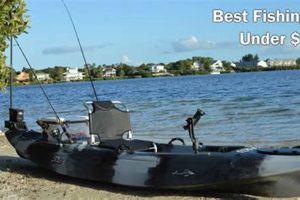
Locating optimal freshwater locations for kayak angling in Ohio involves considering factors such as lake size, fish species diversity, accessibility (boat ramps, kayak launches), and the presence of amenities like restrooms and parking. An ideal location might offer calm waters for a leisurely experience or river access for a more adventurous outing. Examples include lakes known for plentiful bass populations, those offering panfish opportunities for novice anglers, or larger bodies of water suitable for targeting walleye or muskie.
Ohio’s numerous lakes and reservoirs provide ample opportunities for recreational fishing, contributing significantly to the state’s tourism and outdoor recreation economy. Kayak fishing offers a unique, close-to-the-water experience, allowing anglers to access shallow waters and secluded coves often unreachable by larger boats. This method has grown in popularity due to its affordability, portability, and environmentally friendly nature. Historically, smaller watercraft have been utilized for fishing, and the modern kayak angler benefits from technological advancements in kayak design and fishing gear, making the sport more accessible and enjoyable.
Factors such as water clarity, prevalent aquatic vegetation, and the presence of submerged structures influence fish habitats and, consequently, angling success. Understanding these elements can significantly enhance the fishing experience. The following sections will delve into specific lake characteristics, prominent fish species, recommended gear and techniques, and licensing/regulatory information relevant to kayak fishing in Ohio.
Tips for Kayak Fishing on Ohio Lakes
Successful kayak fishing in Ohio requires preparation and awareness. These tips offer guidance for enhancing angling experiences throughout the state.
Tip 1: Research Target Species: Understanding the preferred habitats and feeding patterns of targeted fish species is crucial. Researching common species in specific lakes allows for effective lure and bait selection.
Tip 2: Plan for Water Conditions: Checking weather forecasts and water conditions before heading out is essential for safety and success. Wind speed, water temperature, and potential precipitation should be considered.
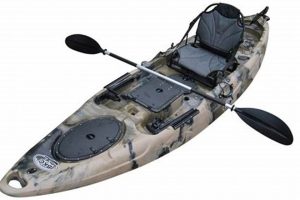
Tip 3: Utilize Appropriate Gear: Kayak fishing requires specialized gear, including a stable fishing kayak, lightweight rods and reels, and tackle appropriate for the target species. A fish finder and GPS unit can also be beneficial.
Tip 4: Prioritize Safety: Wearing a personal flotation device (PFD) is paramount. Carrying a whistle, first-aid kit, and communication device enhances safety measures. Sharing trip plans with someone onshore is also recommended.
Tip 5: Respect Wildlife and the Environment: Practicing catch-and-release fishing helps conserve fish populations. Adhering to Leave No Trace principles by packing out all trash and minimizing disturbance to natural habitats is vital.
Tip 6: Learn Basic Kayak Handling: Understanding basic paddling techniques and maneuvering a kayak efficiently improves angling success and ensures safe navigation, particularly in windy or challenging conditions.
Tip 7: Check Regulations and Licensing Requirements: Obtaining the necessary fishing licenses and familiarizing oneself with specific regulations for each lake, including size and creel limits, ensures legal compliance.
By following these tips, anglers can maximize their enjoyment and success while kayak fishing on Ohio’s diverse lakes. Careful planning, appropriate gear, and respect for the environment contribute to a positive and rewarding experience.
These practical insights provide a foundation for successful outings. The following section will offer a concluding overview of kayak fishing opportunities in Ohio.
1. Accessibility

Accessibility plays a crucial role in determining the suitability of a lake for kayak fishing. Ease of access encompasses several key factors: the availability of suitable launch points, adequate parking facilities, and navigable waterways. Lakes with limited access points or challenging terrain may deter kayak anglers, particularly those transporting their equipment over longer distances. Conversely, lakes with well-maintained boat ramps, kayak launches, and ample parking areas facilitate easier entry and exit, enhancing the overall fishing experience. For example, while a remote lake might offer exceptional fishing opportunities, limited access can diminish its appeal compared to a more accessible lake with comparable fishing quality. The presence of accessible fishing piers or docks further expands opportunities for anglers with mobility limitations.
The type of access point also influences the suitability of a lake for various kayak fishing styles. A shallow, gently sloping shoreline is ideal for launching directly from the bank, while a steeper bank might necessitate a designated boat ramp or kayak launch. The availability of these amenities can significantly impact the types of kayaks suitable for a particular lake. For instance, a lake with numerous shallow-water access points might be well-suited for smaller, lighter kayaks, while a lake primarily accessed via boat ramps could favor larger, more stable kayaks capable of handling deeper water launches. Moreover, accessible waterways free from excessive vegetation or obstructions are essential for navigating and fishing effectively from a kayak. A lake choked with weeds or debris can severely limit maneuverability and hinder angling success.
In conclusion, accessibility is a pivotal factor in evaluating the suitability of a lake for kayak fishing. Well-maintained launch points, ample parking, navigable waterways, and accommodations for anglers with mobility limitations contribute significantly to a positive and productive fishing experience. Prioritizing accessibility ensures that diverse anglers can enjoy Ohio’s abundant fishing resources. Evaluating these factors alongside fish populations and water quality offers a comprehensive approach to identifying the best kayak fishing lakes in Ohio.
2. Fish Species Diversity

Fish species diversity is a critical factor in determining the quality of a kayak fishing lake in Ohio. A diverse fish population offers anglers opportunities to target various species, employing different fishing techniques and experiencing the thrill of diverse catches. This diversity is influenced by factors like water quality, habitat availability, and the presence of invasive species. Understanding the fish species present in a lake is essential for anglers to select appropriate gear, bait, and fishing strategies.
- Predator-Prey Relationships:
A balanced predator-prey relationship is essential for a healthy and diverse fish population. A lake with a thriving population of forage fish, such as shad and minnows, will support larger predator species like bass, walleye, and pike. For example, the presence of gizzard shad in a lake can indicate a healthy population of largemouth bass. This dynamic interplay between predator and prey species creates a complex and engaging angling experience.
- Habitat Variety:
Lakes offering diverse habitats, such as submerged vegetation, rocky shorelines, and deep-water structures, attract a wider range of fish species. Weedy areas provide cover for panfish like bluegill and crappie, while rocky drop-offs attract walleye and smallmouth bass. Understanding the habitat preferences of target species allows anglers to strategically position their kayaks for optimal fishing success. For instance, targeting largemouth bass in areas with lily pads or fallen trees can increase the likelihood of a successful catch.
- Impact of Invasive Species:
Invasive species, such as zebra mussels and Asian carp, can significantly disrupt the balance of a lake’s ecosystem, impacting native fish populations and reducing overall species diversity. These invasive species can outcompete native fish for resources or directly prey on them, leading to a decline in native fish populations and potentially altering the overall fishing experience. Understanding the presence and impact of invasive species in a particular lake informs anglers about the challenges and opportunities they might encounter.
- Angler Preferences and Target Species:
Angler preferences play a significant role in determining the desirability of a lake based on its fish species diversity. Some anglers might prefer lakes with abundant panfish populations for a relaxing fishing experience, while others might seek out lakes known for trophy-sized muskie or walleye. The availability of desired target species influences angler choices and contributes to the overall popularity of certain lakes. For example, lakes renowned for their walleye populations often attract anglers specifically targeting this prized game fish.
The diversity of fish species in Ohio lakes directly impacts the quality of kayak fishing experiences. A lake with a healthy and varied fish population offers greater angling opportunities, challenges, and rewards. By understanding the factors influencing fish species diversity, such as predator-prey dynamics, habitat availability, and the presence of invasive species, anglers can make informed decisions about where to fish and how to best target their desired species. This knowledge contributes to a more enriching and successful kayak fishing experience, reinforcing the importance of fish species diversity in evaluating the best kayak fishing lakes in Ohio.
3. Lake Size and Depth

Lake size and depth are fundamental factors influencing the suitability of a lake for kayak fishing in Ohio. These physical characteristics significantly impact fish habitat, species distribution, and angling strategies. Understanding the interplay between lake size, depth, and the kayak fishing experience is crucial for selecting appropriate locations and maximizing angling success.
- Navigational Considerations
Lake size directly affects navigational planning and effort. Larger lakes, such as Lake Erie, present challenges related to wind, waves, and longer distances between fishing spots. Kayak anglers must consider wind direction and speed carefully, as strong winds can create hazardous conditions on vast open water. Smaller lakes offer calmer conditions and easier navigation, making them suitable for shorter trips and less experienced kayakers. For instance, Portage Lakes, with its interconnected chain of smaller lakes, provides sheltered areas and manageable distances for kayak anglers.
- Species Distribution and Habitat
Water depth influences the distribution of fish species and available habitats. Shallow areas tend to harbor panfish and juvenile fish, attracting anglers seeking species like bluegill and crappie. Deeper waters offer cooler temperatures and shelter for larger game fish, such as walleye and lake trout. In larger, deeper lakes, thermocline formation can create distinct temperature layers, concentrating fish at specific depths. Understanding these depth-related habitat preferences allows anglers to target specific species effectively. For example, trolling deep-diving lures in the thermocline of a larger lake can yield catches of walleye or lake trout.
- Fishing Techniques and Strategies
Lake size and depth influence the choice of fishing techniques. Smaller, shallower lakes lend themselves to techniques like still fishing or casting from a stationary kayak. Larger lakes with greater depths often require trolling or drifting to cover more water and locate fish. The use of fish finders becomes increasingly beneficial in larger, deeper lakes to identify underwater structures, drop-offs, and schools of fish. Selecting appropriate fishing techniques based on lake size and depth enhances angling success.
- Safety and Emergency Preparedness
Safety considerations are paramount when kayak fishing, and lake size and depth influence the level of preparedness required. Larger lakes necessitate greater attention to weather conditions, communication devices, and safety gear. Strong winds, sudden storms, and greater distances from shore increase the risks associated with kayak fishing on larger bodies of water. Smaller lakes generally present fewer safety concerns, but carrying essential safety equipment, such as a personal flotation device (PFD), whistle, and first-aid kit, remains crucial regardless of lake size. Understanding potential hazards and preparing accordingly enhances safety on the water.
The size and depth of a lake significantly impact the kayak fishing experience. These factors influence navigation, species distribution, fishing techniques, and safety considerations. By understanding the interplay between these physical characteristics and the angling environment, kayak anglers can make informed decisions about lake selection, fishing strategies, and safety precautions, ultimately leading to a more rewarding and successful fishing experience on Ohio’s diverse lakes.
4. Water Clarity
Water clarity is a crucial factor influencing the quality of kayak fishing experiences in Ohio lakes. Clarity affects the ability of anglers to locate fish, observe underwater structures, and effectively present lures or bait. Understanding the factors influencing water clarity and its impact on fishing success is essential for selecting optimal kayak fishing locations.
- Impact on Fish Behavior and Angling Strategies
Water clarity directly impacts fish behavior and, consequently, angling strategies. In clear water, fish rely more heavily on sight to detect prey and predators. Anglers must use stealthier approaches, lighter lines, and natural-looking lures or bait to avoid spooking fish. Conversely, in murky water, fish rely more on scent and vibration. Anglers can use bolder presentations, heavier lines, and lures or bait that produce strong vibrations or scents to attract fish. Adapting fishing techniques based on water clarity is essential for maximizing success.
- Factors Affecting Water Clarity
Several factors influence water clarity, including algal blooms, sediment runoff, and suspended organic matter. Algal blooms can drastically reduce visibility, creating challenging fishing conditions. Sediment runoff from heavy rainfall or agricultural activities can also cloud the water, limiting visibility. Furthermore, decaying organic matter can contribute to murky water conditions. Understanding these factors allows anglers to anticipate potential changes in water clarity and adjust their fishing plans accordingly.
- Importance of Sight Fishing
Sight fishing, a technique relying on visually locating fish before casting, is heavily influenced by water clarity. Clear water enhances the ability to spot fish, observe their behavior, and accurately present lures or bait. Sight fishing offers a unique and engaging angling experience, allowing for precise casts and targeted presentations. However, sight fishing becomes challenging or impossible in murky water conditions, necessitating alternative angling methods.
- Relationship with Lake Depth and Bottom Composition
Water clarity often correlates with lake depth and bottom composition. Shallow lakes with sandy or gravelly bottoms tend to have clearer water than deeper lakes with muddy or silty bottoms. Sunlight penetration plays a crucial role in maintaining clear water conditions, particularly in shallow lakes. Understanding the relationship between water clarity, lake depth, and bottom composition helps anglers anticipate water clarity conditions in different lake types.
Water clarity significantly impacts kayak fishing in Ohio lakes. It influences fish behavior, dictates angling strategies, and affects the feasibility of sight fishing. By understanding the factors impacting water clarity and its relationship to lake depth and bottom composition, anglers can choose suitable locations, adapt their techniques, and enhance their chances of a successful and enjoyable kayak fishing experience. This understanding contributes significantly to selecting the best kayak fishing lakes in Ohio, where water clarity plays a pivotal role in angling success.
5. Regulations

Regulations governing fishing activities are integral to maintaining healthy fish populations and ensuring sustainable angling opportunities on Ohio’s lakes. These regulations, enforced by the Ohio Department of Natural Resources (ODNR), play a crucial role in designating “best” kayak fishing locations by contributing to long-term ecological balance and angler satisfaction. Understanding and adhering to these regulations is essential for all anglers, including those fishing from kayaks.
Specific regulations impacting kayak anglers include licensing requirements, catch limits (creel limits), size restrictions for specific species, and permitted fishing seasons. For example, anglers targeting walleye on Lake Erie must adhere to specific size and creel limits designed to protect the walleye population and ensure sustainable fishing practices. Similarly, regulations may restrict the use of certain types of fishing gear or bait to minimize environmental impact or protect specific fish species. Ignoring these regulations can result in fines and jeopardize future fishing opportunities. Conversely, adherence contributes to the preservation of high-quality fishing environments, making a lake more desirable for current and future generations of anglers.
Regulations influence the overall quality and sustainability of kayak fishing experiences. By protecting fish populations, promoting ethical angling practices, and minimizing environmental impact, regulations contribute significantly to the designation of “best” kayak fishing lakes. Responsible anglers recognize the importance of adhering to these regulations, not only to avoid legal consequences but also to contribute to the long-term health and enjoyment of Ohio’s aquatic resources. Access to updated regulations is readily available through the ODNR website and other official publications, ensuring anglers have the necessary information to fish legally and responsibly. This understanding underscores the vital connection between regulations and the preservation of high-quality kayak fishing destinations in Ohio.
6. Amenities
The availability of amenities significantly influences the designation of a lake as a “best” kayak fishing destination in Ohio. Amenities enhance angler comfort, convenience, and overall experience, contributing to the perceived value and appeal of a fishing location. These amenities can range from basic necessities like restrooms and parking areas to more advanced facilities such as boat ramps, docks, camping grounds, and nearby restaurants or bait shops. The presence and quality of these amenities directly impact angler satisfaction and can influence decisions about where to fish.
For example, a lake with readily available parking, well-maintained restrooms, and a convenient kayak launch area provides a more user-friendly experience compared to a lake lacking these basic facilities. Similarly, the presence of nearby camping grounds allows for multi-day fishing trips, expanding opportunities and enhancing the overall recreational experience. Furthermore, access to bait shops or fishing supply stores near a lake simplifies gear acquisition and adds to the convenience factor. Conversely, the absence of amenities can detract from the overall enjoyment, particularly for anglers seeking comfort and convenience. For instance, limited parking or the lack of restrooms can create logistical challenges and discourage anglers from revisiting a location, even if the fishing itself is excellent. Consider the scenario of two lakes with comparable fish populations; the lake with better amenities will likely be preferred by anglers seeking a more comfortable and convenient experience.
The strategic development and maintenance of amenities play a crucial role in attracting and retaining anglers. Investing in amenities demonstrates a commitment to enhancing recreational opportunities and contributes to the economic benefits associated with fishing tourism. Well-maintained facilities not only improve angler satisfaction but also promote responsible use of natural resources. By providing convenient access points, waste disposal facilities, and educational resources, lake management authorities can encourage sustainable fishing practices and minimize environmental impact. The interplay between amenities, angler satisfaction, and environmental stewardship underscores the importance of considering amenities as a key component of “best” kayak fishing lakes in Ohio. This understanding allows for a comprehensive evaluation of fishing destinations, encompassing not only the quality of fishing but also the overall angler experience.
7. Safety Considerations
Safety considerations are paramount when evaluating the “best” kayak fishing lakes in Ohio. A lake’s suitability for kayak fishing hinges not only on its angling potential but also on the safety it offers to those on the water. Several factors contribute to a lake’s safety profile, including water conditions, accessibility of emergency services, and the presence of potential hazards. Overlooking these factors can lead to dangerous situations, diminishing the overall quality and enjoyment of the fishing experience. A “best” kayak fishing lake inherently prioritizes angler safety alongside fishing opportunities.
Water conditions, particularly wind speed and wave height, significantly influence kayak fishing safety. Large lakes, such as Lake Erie, can experience sudden changes in weather, creating challenging conditions for kayakers. Strong winds can generate substantial waves, making navigation difficult and increasing the risk of capsizing. Smaller, inland lakes generally offer calmer conditions, making them safer for less experienced kayakers or those using smaller, less stable kayaks. Understanding prevailing wind patterns and checking weather forecasts before venturing onto a lake are crucial safety practices. Consider, for example, an angler venturing onto a large lake without checking the forecast; encountering unexpected high winds could create a hazardous situation. Conversely, choosing a smaller, sheltered lake during periods of high wind minimizes risk and enhances safety. The availability of emergency services also contributes to a lake’s safety profile. Lakes with readily accessible boat ramps, clear signage, and established emergency response protocols offer greater peace of mind in case of an accident or unforeseen event. Remote lakes with limited access can pose challenges for emergency responders, increasing the potential severity of incidents. The presence of potential hazards, such as submerged debris, rocks, or heavy boat traffic, further influences lake safety. These hazards can damage kayaks, create navigation challenges, or lead to collisions. Awareness of these potential dangers and practicing cautious navigation are essential for safe kayak fishing.
Prioritizing safety enhances the overall kayak fishing experience. A safe environment allows anglers to focus on enjoying the sport without undue concern for their well-being. Choosing lakes with favorable safety profiles, checking weather conditions, and understanding potential hazards contribute to a positive and rewarding experience. Ultimately, the “best” kayak fishing lakes are those that offer not only excellent fishing opportunities but also a safe and enjoyable environment for all anglers. Neglecting safety considerations diminishes the value of a lake as a desirable fishing destination. A holistic evaluation of a lake’s suitability for kayak fishing must incorporate safety considerations alongside factors such as fish populations and accessibility. This balanced approach ensures that the pursuit of angling enjoyment does not come at the expense of angler safety.
Frequently Asked Questions about Kayak Fishing in Ohio
This section addresses common inquiries regarding kayak fishing in Ohio, providing concise and informative responses to assist anglers in planning successful and enjoyable outings.
Question 1: What are the licensing requirements for kayak fishing in Ohio?
A valid Ohio fishing license is required for individuals aged 16 and older. Licenses can be obtained online through the Ohio Department of Natural Resources (ODNR) website or at authorized license agents throughout the state.
Question 2: Which Ohio lakes are best suited for beginners?
Smaller, inland lakes with calmer waters, such as Indian Lake, Portage Lakes, and Caesar Creek Lake, are often recommended for beginners due to their manageable size and generally calmer conditions. These lakes offer ample fishing opportunities without the challenges of navigating larger bodies of water.
Question 3: What essential safety gear should kayak anglers carry?
Essential safety gear includes a personal flotation device (PFD), a whistle, a first-aid kit, and a communication device (e.g., cell phone in a waterproof case or VHF radio). Sharing float plans with someone onshore and checking weather conditions before departure are also strongly recommended.
Question 4: Are there specific regulations regarding kayak fishing in Ohio?
Kayak anglers must adhere to all statewide fishing regulations, including size and creel limits for specific species, permitted fishing seasons, and equipment restrictions. Regulations can vary by lake and species; consulting the ODNR website for current regulations is crucial.
Question 5: What types of fish can be caught from a kayak in Ohio?
Ohio lakes offer diverse fishing opportunities, ranging from panfish like bluegill and crappie to larger game fish such as bass, walleye, muskie, and catfish. The specific species present vary depending on the lake and its habitat characteristics.
Question 6: Where can information on lake access points and amenities be found?
The ODNR website provides comprehensive information on lake access points, boat ramps, parking areas, and other amenities. Local park districts and visitor bureaus can also offer valuable information on specific lake facilities and services.
Understanding these fundamental aspects of kayak fishing in Ohio contributes to a safer, more enjoyable, and legally compliant angling experience. Careful planning and adherence to regulations ensure the preservation of these valuable resources for future generations.
This FAQ section provides a foundation for informed decision-making. For further information or specific inquiries, consulting the ODNR website or contacting local park authorities is recommended.
Best Kayak Fishing Lakes in Ohio
Optimal kayak fishing locations in Ohio necessitate careful consideration of factors beyond mere fish populations. Accessibility, encompassing launch points and parking availability, plays a crucial role in angler convenience. Lake size and depth influence not only navigable area but also species distribution and appropriate fishing techniques. Water clarity impacts fishing strategies, while regulations ensure the sustainability of fish populations and the overall health of the aquatic ecosystem. The availability of amenities, from restrooms to boat ramps, enhances the overall angling experience. Finally, prioritizing safety considerations, including awareness of water conditions and potential hazards, is paramount for a successful and enjoyable outing. These interconnected elements define the “best” kayak fishing lakes, offering not just angling opportunities but a holistic positive experience.
Careful selection of a kayak fishing destination in Ohio, based on these key factors, ensures a rewarding experience. Continued responsible use and adherence to regulations contribute to the preservation of these valuable resources, guaranteeing future generations the opportunity to enjoy the unique experience of kayak fishing in Ohio’s diverse waters. Anglers are encouraged to research and plan their trips thoroughly, considering not only their desired catch but also the factors that contribute to a safe, enjoyable, and sustainable fishing experience.