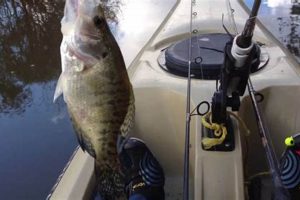
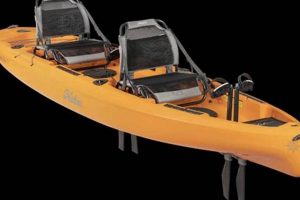
The query regarding the safety of kayaks designed for fishing reflects a crucial concern for anglers venturing onto the water. This inquiry encompasses various aspects, including the inherent stability of these specialized vessels, their suitability for different water conditions, and the role of user experience and safety practices. For example, understanding the differences between a sit-on-top versus a sit-inside fishing kayak and how these designs perform in calm lakes versus choppy ocean waters is paramount to evaluating overall safety.
Evaluating vessel stability and suitability contributes significantly to angler safety and preparedness. Historically, fishing from kayaks has evolved from traditional methods using basic, non-specialized boats to the modern, feature-rich kayaks available today. This evolution underscores the growing importance of understanding how design advancements, materials, and user practices intersect with safety on the water. A thorough assessment helps prospective kayak anglers choose appropriate equipment and develop necessary skills for a safe and enjoyable experience.
This exploration will delve into the key factors influencing kayak fishing safety, encompassing vessel selection, essential safety gear, navigation best practices, and understanding environmental conditions. Further sections will address emergency preparedness and responsible angling practices to provide a comprehensive overview of safe kayak fishing.
Safety Tips for Kayak Fishing
Ensuring a safe and successful kayak fishing excursion requires careful planning and adherence to established safety guidelines. The following tips offer crucial insights for mitigating potential risks and promoting responsible angling practices.
Tip 1: Choose the Right Kayak: Kayak selection should be based on individual experience, intended fishing location, and anticipated water conditions. Stability and appropriate storage for fishing gear are key considerations.
Tip 2: Wear a Personal Flotation Device (PFD): A properly fitted PFD is non-negotiable. It should be worn consistently throughout the fishing trip, regardless of perceived swimming ability or water conditions.
Tip 3: Check Weather Forecasts: Prior to embarking on a fishing trip, consulting weather forecasts and understanding potential changes in wind, tides, and currents is essential. Postponing trips due to adverse conditions is a crucial safety measure.
Tip 4: Carry Essential Safety Equipment: Equipment such as a whistle, visual distress signals, a first-aid kit, and a communication device (e.g., VHF radio or waterproof cell phone) should be readily accessible.
Tip 5: Inform Someone of Your Plans: Sharing trip detailsincluding planned launch location, anticipated return time, and contact informationwith a trusted individual ensures that assistance can be summoned if necessary.
Tip 6: Practice Self-Rescue Techniques: Learning and practicing re-entry techniques in a controlled environment is critical for mitigating risks associated with capsizing.
Tip 7: Be Aware of Water Traffic: Maintaining awareness of other vessels and navigating responsibly in shared waterways helps prevent collisions and ensures a safe environment for all users.
Tip 8: Understand Local Regulations: Adhering to local fishing regulations, including licensing requirements and catch limits, promotes responsible angling and contributes to the sustainability of aquatic resources.
Adherence to these safety guidelines significantly enhances the safety and enjoyment of kayak fishing. Careful preparation and responsible practices contribute to a positive experience while minimizing potential risks.
By considering these factors and implementing appropriate safety measures, anglers can confidently enjoy the unique experience of kayak fishing while prioritizing their well-being and responsible interaction with the aquatic environment.
1. Kayak Stability

Kayak stability plays a critical role in overall fishing kayak safety. A stable platform is essential for casting lines, reeling in fish, and navigating various water conditions. Understanding the factors influencing stability is crucial for informed decision-making and safe angling practices.
- Hull Design:
Hull design significantly impacts stability. Wider, flatter hulls generally offer greater primary stability (initial resistance to tipping), making them suitable for calmer waters and beginners. Narrower, V-shaped hulls offer less primary stability but greater secondary stability (resistance to capsizing once tipped), making them more suitable for experienced paddlers in rougher conditions. Pontoon hulls provide exceptional primary stability. Choosing a hull design appropriate for the intended fishing environment and angler experience level is critical.
- Kayak Length and Width:
Longer kayaks tend to track straighter and glide more efficiently, while shorter kayaks are more maneuverable. Wider kayaks are generally more stable than narrower ones. The length and width must be considered in relation to the angler’s size and weight, as well as the intended use and water conditions. A kayak too small or narrow for an angler could compromise stability.
- Center of Gravity:
Maintaining a low center of gravity is essential for kayak stability. Distributing weight evenly within the kayak and avoiding sudden movements helps maintain balance. Adding weight, such as fishing gear, can alter the center of gravity and impact stability. Understanding how weight distribution affects stability is crucial for safe angling practices.
- Water Conditions:
Calm, flat water provides a stable platform for kayak fishing. However, conditions such as wind, waves, and currents can significantly impact stability. Choosing a kayak with appropriate stability characteristics for anticipated water conditions is crucial. For example, a wide, stable kayak is better suited for windy conditions on a large lake than a narrow, less stable design.
Choosing a kayak with appropriate stability characteristics is fundamental to safe kayak fishing. Matching hull design, length and width, and understanding the impact of weight distribution and water conditions on stability contributes significantly to angler safety and a positive on-the-water experience. Neglecting these factors can increase the risk of capsizing, especially in challenging conditions, underscoring the direct link between kayak stability and safe angling practices.
2. Water Conditions

Water conditions significantly influence fishing kayak safety. Understanding how various environmental factors affect stability, maneuverability, and overall risk is crucial for informed decision-making and responsible angling practices. Navigating different water conditions requires careful assessment and adaptation to ensure angler safety.
- Currents:
Currents, particularly strong or unpredictable ones, present significant challenges for kayak anglers. River currents can swiftly carry a kayak downstream, especially in narrow channels or around bends. Tidal currents in coastal areas can create strong flows and eddies, impacting kayak control and navigation. Understanding current patterns and speeds is essential for safe paddling, especially near inlets, outlets, and river confluences. Strong currents can quickly overwhelm an angler, emphasizing the importance of current awareness and proper safety precautions.
- Wind:
Wind can dramatically affect kayak handling and stability. Strong winds can create choppy conditions, making paddling difficult and increasing the risk of capsizing. Wind also increases drift, pushing a kayak off course and potentially into hazardous areas. Checking wind forecasts before embarking on a fishing trip and continuously monitoring wind conditions while on the water are crucial for safe kayak angling. High winds can easily create dangerous situations, even in relatively shallow or protected waters.
- Waves:
Waves present another significant challenge for kayak anglers, especially in open water environments. Large waves can easily capsize a kayak, while smaller waves can impact stability and make paddling more challenging. Understanding how to approach and navigate waves is essential for maintaining control and preventing capsizes. The combined effects of wind and waves can create particularly hazardous conditions that demand careful assessment and potentially require postponing a fishing trip.
- Water Temperature:
Cold water presents a serious risk of hypothermia, even on seemingly mild days. Accidental immersion in cold water can quickly lead to loss of body heat and impaired physical and cognitive function. Wearing appropriate clothing for water temperature and carrying additional dry layers are crucial safety precautions. Understanding the effects of cold water immersion and taking appropriate measures to mitigate risks is essential for kayak fishing safety.
Careful consideration of water conditions is paramount for safe kayak fishing. Assessing currents, wind, waves, and water temperature before and during a fishing trip allows anglers to make informed decisions about launching, route planning, and necessary safety precautions. Ignoring these factors can lead to dangerous situations, highlighting the direct link between understanding water conditions and ensuring angler safety.
3. Personal Flotation Devices (PFDs)
Personal flotation devices (PFDs), commonly known as life vests or life jackets, are critical for kayak fishing safety. Their proper use directly impacts survival in the event of capsizing or accidental immersion. Understanding PFD types, selection criteria, and proper wear contributes significantly to risk mitigation and responsible angling practices.
- Types of PFDs:
Several PFD types exist, each designed for specific activities and water conditions. Type I offshore life jackets offer the highest buoyancy and are designed for open water situations where rescue may be delayed. Type II near-shore buoyant vests are suitable for calmer waters where rapid rescue is more likely. Type III flotation aids offer greater freedom of movement and are suitable for activities like kayaking and fishing. Type IV throwable devices, such as cushions or rings, are intended for emergency use and must be readily accessible. Type V special use devices are designed for specific activities like whitewater paddling or sailing. Selecting the appropriate PFD type for kayak fishing depends on the intended fishing environment and anticipated water conditions. Type III PFDs are generally recommended for kayak fishing due to their balance of buoyancy and freedom of movement.
- PFD Selection and Fit:
Proper PFD selection and fit are crucial for effective performance. A PFD should fit snugly without restricting movement or breathing. It should be appropriate for the user’s weight and chest size. Trying on different PFDs and ensuring a proper fit before purchasing is essential. A PFD that is too loose may not provide adequate flotation in the event of an emergency, while one that is too tight can restrict movement and breathing.
- Importance of Proper Wear:
A PFD provides no benefit if not worn correctly. It should be fastened securely, with all buckles and straps adjusted for a snug fit. Loose straps or unbuckled buckles can render a PFD ineffective in an emergency. Wearing a PFD consistently throughout a fishing trip, regardless of perceived swimming ability or water conditions, is a fundamental safety practice. Even strong swimmers can become incapacitated due to cold water shock or injury, highlighting the importance of always wearing a PFD.
- PFD Maintenance and Inspection:
Regular PFD maintenance and inspection are essential to ensure proper function. PFDs should be rinsed with fresh water after each use and allowed to air dry completely before storage. Inspecting PFDs for signs of wear and tear, such as frayed straps or damaged buckles, is crucial. Replacing damaged or worn PFDs promptly ensures continued safety and reliable performance. Neglecting PFD maintenance can compromise its effectiveness in an emergency, underscoring the importance of regular inspection and care.
The consistent and proper use of a PFD is paramount for kayak fishing safety. Understanding PFD types, selecting the appropriate fit, wearing it correctly, and maintaining it in good condition directly contribute to angler survival in the event of capsizing or accidental immersion. Integrating PFD use into standard kayak fishing practice demonstrates a commitment to safety and responsible angling.
4. Safety Equipment

Safety equipment plays a crucial role in answering the question, “Are fishing kayaks safe?” A kayak, even a stable and well-designed one, provides only a platform. Safety depends significantly on the presence and proper use of specific equipment. This equipment acts as a mitigating factor, reducing risks inherent in the on-the-water environment. The relationship between safety equipment and kayak fishing safety is one of direct causality: appropriate equipment significantly increases the likelihood of a safe and successful outing. For example, a readily available bilge pump can quickly address water accumulation in the kayak, preventing a potentially dangerous situation from escalating.
Several categories of safety equipment contribute to overall kayak fishing safety. These include communication devices, such as VHF radios or waterproofed cell phones, which enable contact with emergency services or other boaters in case of distress. Navigation aids, including GPS devices and compasses, help anglers maintain their bearings and navigate safely, especially in unfamiliar waters or during changing weather conditions. Signaling devices, like flares, whistles, and signal mirrors, increase visibility and aid in attracting attention in emergency situations. Carrying a well-stocked first-aid kit allows for immediate treatment of minor injuries and can prove invaluable in more serious situations pending professional medical assistance. For instance, an angler who hooks themselves can utilize the first-aid kit to address the injury promptly, preventing infection and ensuring a swift return to fishing. Furthermore, carrying spare paddles acts as a crucial backup in case of paddle breakage or loss, maintaining maneuverability and control of the kayak.
The absence of appropriate safety equipment can transform a minor incident into a serious emergency. A broken paddle without a spare can leave an angler stranded, while a capsize without a PFD or signaling devices can quickly become life-threatening. Understanding the function and importance of each piece of safety equipment, and carrying it consistently, shifts the balance significantly towards safer kayak fishing experiences. Therefore, while the inherent stability and design of a fishing kayak contribute to safety, appropriate and readily accessible safety equipment remains an indispensable component in mitigating risks and ensuring positive outcomes on the water. This underscores the critical link between preparedness and angler safety, promoting a culture of responsible enjoyment of the sport.
5. Angler Experience
Angler experience directly correlates with fishing kayak safety. A novice angler lacking fundamental paddling skills, self-rescue techniques, and an understanding of water dynamics faces significantly higher risks compared to a seasoned angler. Experience cultivates informed decision-making regarding weather conditions, appropriate kayak selection, and responsible on-the-water practices. For instance, an experienced angler recognizes the potential hazards of approaching a logjam in a fast-flowing river and chooses a wider berth or portage, while a novice might underestimate the current’s force, leading to a dangerous situation.
Practical experience fosters essential skills for safe kayak fishing. Repeated practice in various water conditions develops proficiency in maneuvering the kayak, maintaining balance, and reacting effectively to unexpected events. Familiarity with self-rescue techniques, such as re-entering the kayak after a capsize, significantly increases survival chances in emergency situations. An experienced angler also develops a keen awareness of potential hazards, such as changing weather patterns, submerged obstacles, and other watercraft, enhancing their ability to mitigate risks. Consider an angler encountering sudden strong winds; an experienced angler knows how to adjust paddling technique and kayak positioning to maintain stability, while a less experienced angler might struggle, increasing the risk of capsize.
While appropriate equipment and vessel selection contribute significantly to kayak fishing safety, angler experience remains paramount. It provides the foundation for informed decision-making, skilled execution, and effective risk management. Building experience through progressive learning, practicing in controlled environments, and seeking guidance from experienced kayak anglers significantly enhances safety and contributes to a more positive and rewarding on-the-water experience. Ultimately, acknowledging the vital role of angler experience underscores the importance of ongoing learning and responsible angling practices for ensuring safe and enjoyable kayak fishing excursions.
Frequently Asked Questions
Addressing common concerns regarding fishing kayak safety provides a foundation for informed decision-making and responsible angling practices. The following questions and answers offer insights into key aspects of safe kayak fishing.
Question 1: Are fishing kayaks more likely to tip over than recreational kayaks?
Fishing kayaks are often designed with stability in mind, incorporating wider hulls and other features to accommodate angler movements and gear. However, stability is influenced by factors such as kayak design, water conditions, and angler behavior. Understanding these factors is crucial for safe angling practices.
Question 2: What should one do if a fishing kayak capsizes?
Capsize procedures involve staying calm, attempting to right the kayak, and re-entering if possible. Wearing a personal flotation device (PFD) is crucial in such situations. Practicing self-rescue techniques in a controlled environment enhances preparedness for capsize events.
Question 3: How can anglers choose a fishing kayak appropriate for their skill level?
Kayak selection should consider angler experience, intended fishing location, and anticipated water conditions. Beginners often benefit from wider, more stable kayaks, while experienced anglers might opt for designs prioritizing maneuverability or speed. Consulting with experienced kayak anglers or retailers can provide valuable guidance during the selection process.
Question 4: What essential safety equipment should always be carried on a fishing kayak?
Essential safety equipment includes a PFD, a whistle, visual distress signals, a first-aid kit, a communication device, and a spare paddle. Additional equipment, such as a bilge pump, paddle leash, and throw bag, can further enhance safety. Understanding the function and proper use of each piece of equipment is crucial.
Question 5: Are there specific weather conditions that make kayak fishing unsafe?
Strong winds, lightning storms, fog, and cold water temperatures significantly increase risks associated with kayak fishing. Checking weather forecasts before embarking on a fishing trip and continuously monitoring conditions while on the water are crucial safety practices. Postponing or canceling trips due to adverse weather demonstrates responsible angling behavior.
Question 6: How can anglers minimize the environmental impact of kayak fishing?
Responsible angling practices include adhering to catch and release guidelines, properly disposing of fishing line and other waste, and avoiding disturbance of wildlife and sensitive habitats. Minimizing environmental impact contributes to the sustainability of aquatic resources and preserves the natural beauty of fishing locations.
Prioritizing safety through informed decision-making, proper equipment utilization, and adherence to responsible angling practices contributes significantly to positive and enjoyable kayak fishing experiences. Continuously seeking knowledge and refining skills enhances safety awareness and promotes a culture of responsible interaction with the aquatic environment.
This concludes the FAQ section. The following section will offer further resources and information for safe and enjoyable kayak fishing.
Conclusion
The safety of fishing kayaks hinges not on the vessels alone, but on a complex interplay of factors. Kayak stability, influenced by design and conditions, is paramount. Water conditions, including currents, wind, and waves, demand careful assessment. Essential safety equipment, from PFDs to communication devices, plays a vital role in mitigating risks. Finally, angler experience, encompassing paddling skills, self-rescue techniques, and informed decision-making, proves indispensable. Neglecting any of these elements undermines overall safety, turning a potentially enjoyable outing into a hazardous undertaking.
Safe and successful kayak fishing requires a proactive approach to risk management. Continuous learning, meticulous preparation, and a commitment to responsible angling practices are essential for mitigating inherent dangers. Through informed choices and diligent execution, anglers can experience the rewarding aspects of kayak fishing while prioritizing safety and preserving the natural environment.