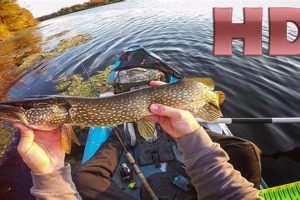
The question of a fishing kayak’s value involves weighing the advantages of kayak angling against its costs and potential drawbacks. This includes considering the purchase price of the kayak and related gear (paddle, life vest, rod holders, etc.), as well as potential ongoing costs like storage, transportation, and maintenance. The benefits, meanwhile, center around enhanced access to fishing locations, a closer connection with nature, and a potentially more active and engaging angling experience.
Angling from a kayak opens up a wide array of fishing opportunities unavailable from shore or larger boats. Small, maneuverable kayaks can navigate shallow waters, tight creeks, and areas choked with vegetation, allowing anglers to reach fish inaccessible by other means. This enhanced access can lead to greater fishing success and the discovery of secluded fishing spots. Historically, kayaks were used for hunting and fishing by indigenous peoples. The modern adaptation for recreational fishing has combined this heritage with advancements in materials and design, resulting in a specialized vessel well-suited for the pursuit of a variety of fish species.
Factors influencing the decision include the type of fishing pursued, the angler’s budget, available storage space, and local fishing regulations. The following sections will delve into the specific advantages and disadvantages of kayak fishing, different types of fishing kayaks available, essential gear considerations, and tips for choosing the right kayak for individual needs and preferences.
Tips for Determining Kayak Fishing Suitability
Careful consideration of individual circumstances and needs is crucial before investing in a fishing kayak. The following tips offer guidance for prospective kayak anglers.
Tip 1: Evaluate fishing style and target species. Kayaks excel in specific fishing scenarios. Anglers targeting species in shallow water, rivers, or areas inaccessible by larger boats will find kayaks advantageous. Offshore fishing or trolling for large pelagic fish, however, may be better suited to other vessels.
Tip 2: Assess physical capabilities and experience. Kayak fishing requires a certain level of physical fitness and coordination. Paddling, maneuvering, and casting from a kayak can be challenging, especially in adverse conditions. Beginners should start with shorter trips in calm waters.
Tip 3: Research local waterways and regulations. Understanding local fishing regulations, water access points, and potential hazards is essential. Some areas may have restrictions on kayak usage or require specific permits.
Tip 4: Establish a realistic budget. Kayak prices vary significantly based on features, materials, and intended use. Additional costs for paddles, safety gear, fishing accessories, and transportation should be factored into the overall budget.
Tip 5: Consider storage and transportation options. Kayaks require adequate storage space. Transporting a kayak requires a suitable vehicle and potentially a roof rack or trailer.
Tip 6: Demo different kayak models. If possible, test paddling different kayak models before making a purchase. This allows anglers to assess stability, comfort, and maneuverability firsthand.
Tip 7: Prioritize safety equipment. A personal flotation device (PFD) is essential for kayak fishing. Other safety gear, such as a whistle, signaling device, and first-aid kit, should also be considered.
By carefully considering these factors, prospective kayak anglers can make informed decisions about whether kayak fishing aligns with their individual needs and preferences. A thoughtful approach to kayak selection and preparation contributes significantly to a safe and enjoyable fishing experience.
Ultimately, the decision of whether or not to purchase a fishing kayak depends on the alignment of its advantages with an individual’s particular fishing style, resources, and goals.
1. Fishing Access

Enhanced fishing access represents a pivotal factor in determining the value of a fishing kayak. Kayaks grant access to shallow waters, secluded coves, and protected estuaries often inaccessible to larger motorized boats. This expanded reach allows anglers to target specific species inhabiting these environments, potentially increasing catch rates and diversifying fishing experiences. For example, navigating narrow mangrove tunnels or shallow flats in pursuit of redfish or snook becomes feasible with a kayak, offering opportunities unavailable from shore or larger vessels. Furthermore, kayaks facilitate stealthy approaches, minimizing disturbance to fish in these often-sensitive habitats. This improved access translates to a more intimate and rewarding angling experience.
The practical significance of enhanced fishing access extends beyond simply reaching new locations. It fosters a deeper connection with the natural environment, allowing anglers to explore hidden waterways and observe wildlife up close. Consider a scenario where an angler seeks to target bass in a heavily vegetated area of a lake. A traditional powerboat might struggle to navigate through the dense vegetation, whereas a kayak can silently glide through, granting access to prime fishing spots. This ability to penetrate secluded areas can be particularly advantageous during peak fishing seasons when more accessible locations experience higher fishing pressure.
In summary, enhanced fishing access via kayak significantly influences the overall value proposition. The ability to reach otherwise inaccessible areas offers tangible benefits, including improved catch potential, a closer connection with nature, and a more personalized fishing experience. However, access itself must be considered in conjunction with other factors like local regulations, physical limitations, and transportation logistics. While a kayak can open doors to new fishing opportunities, careful assessment of individual circumstances remains critical in determining its ultimate worth.
2. Cost versus benefit

A central consideration in determining the value of a fishing kayak lies in the careful evaluation of its cost versus its potential benefits. The initial purchase price of a kayak can range significantly, from a few hundred dollars for a basic recreational model to several thousand for a high-end fishing kayak equipped with advanced features. Beyond the initial outlay, additional costs accrue for essential accessories such as paddles, personal flotation devices (PFDs), rod holders, and potentially a roof rack or trailer for transportation. Ongoing maintenance, including repairs and storage fees, should also be factored into the overall cost assessment.
These costs must be weighed against the potential benefits derived from kayak fishing. Quantifiable benefits might include increased fishing success due to access to previously unreachable fishing grounds, leading to a higher yield or the ability to target more desirable species. Less tangible benefits encompass the enjoyment of a closer connection with nature, the physical and mental health benefits of an active outdoor pursuit, and the personal satisfaction of mastering a new skill. For example, an angler regularly chartering a fishing boat might find that the cost of a kayak, while substantial, offsets charter fees over time, while simultaneously offering greater flexibility and control over fishing locations. Conversely, an angler fishing primarily from easily accessible shorelines might find the investment less justifiable.
The cost-benefit analysis hinges on individual circumstances, fishing habits, and priorities. Anglers fishing frequently in locations well-suited to kayaks are more likely to realize a positive return on their investment. Careful budgeting, research into available kayak options, and a realistic assessment of potential usage patterns are crucial for informed decision-making. Ultimately, the perceived value of a fishing kayak arises from the alignment of its costs with the tangible and intangible benefits it delivers to the individual angler. Neglecting a thorough cost-benefit analysis can lead to an unsatisfying purchase, whereas careful consideration maximizes the likelihood of a worthwhile investment.
3. Storage and Transport
Practical considerations of storage and transport play a crucial role in determining the overall value proposition of a fishing kayak. The size and weight of a kayak significantly impact its ease of storage and transport, influencing both the logistical feasibility and associated costs of ownership. Failing to adequately address these practicalities can diminish the enjoyment and overall utility of a fishing kayak.
- Storage Solutions
Kayaks require dedicated storage space, whether indoors or outdoors. Options include garages, sheds, basements, or specialized vertical storage racks. Indoor storage offers protection from the elements, extending the kayak’s lifespan, while outdoor storage necessitates protective covers to mitigate sun damage and weathering. Apartment dwellers or those with limited storage space may encounter challenges, requiring creative solutions or consideration of inflatable or foldable kayak models. The availability of suitable storage directly impacts the practicality of kayak ownership.
- Transportation Methods
Transporting a kayak requires a suitable vehicle and appropriate carrying mechanisms. Roof racks are a common solution for vehicles with existing roof rails, while trailers offer a more robust option for transporting multiple kayaks or longer distances. Pick-up trucks with bed extenders can also accommodate kayaks. Transporting kayaks necessitates securing them properly to prevent damage during transit. Factors like vehicle type, travel distance, and frequency of use influence the choice of transportation method and associated costs.
- Logistical Challenges
The physical process of loading and unloading a kayak can present logistical challenges, particularly for heavier models or individuals with limited physical strength. Assistance may be required, and the process can be time-consuming. Accessibility of launch points also factors into the overall logistical equation. Difficult terrain or limited parking near launch sites can complicate transport and detract from the overall fishing experience. Proper planning and preparation can mitigate these challenges but should be factored into the overall assessment of kayak ownership.
- Cost Implications
Storage and transport contribute to the overall cost of kayak ownership. Roof racks, trailers, and storage solutions represent additional expenses. Fuel consumption increases when transporting kayaks, particularly with larger vehicles or over long distances. These costs, while sometimes overlooked, should be considered as part of the overall financial investment. Evaluating the cost implications alongside the frequency of use and potential fishing benefits helps determine the economic viability of kayak ownership.
In conclusion, the practicalities of storage and transport are integral to the decision-making process surrounding kayak fishing. Careful consideration of available storage space, transportation options, logistical challenges, and associated costs ensures that the practicalities of ownership do not outweigh the potential benefits of enhanced fishing access and enjoyment. A thorough assessment of these factors contributes significantly to a satisfying and sustainable kayak fishing experience.
4. Physical Capabilities

An objective assessment of physical capabilities is essential when considering the suitability of kayak fishing. The physical demands of kayak fishing, while often overlooked, can significantly impact enjoyment and safety. Factors such as paddling endurance, balance, and the ability to perform repetitive motions influence not only the angler’s effectiveness but also their overall comfort and well-being on the water. Accurately gauging one’s physical capabilities against the demands of kayak fishing is crucial for determining its feasibility and overall value.
- Paddling Endurance
Sustained paddling, often against currents or wind, requires a reasonable level of cardiovascular fitness and muscular endurance. Longer fishing trips or navigating challenging waters necessitate greater stamina. An angler planning to explore vast stretches of open water or paddle against strong tides must possess the physical capacity to do so safely and effectively. Overestimating one’s paddling endurance can lead to exhaustion, compromising safety and diminishing the enjoyment of the experience.
- Balance and Stability
Maintaining balance in a kayak, especially in choppy water or while casting and reeling, demands core strength and coordination. The ability to recover from unexpected shifts in weight distribution is crucial for preventing capsizing. Individuals with limited balance or pre-existing back problems may find maintaining stability in a kayak challenging. Assessing one’s balance capabilities and considering kayak features that enhance stability, such as wider hulls or outriggers, is vital.
- Repetitive Motions
Kayak fishing involves repetitive motions, such as paddling, casting, and reeling. These actions can strain muscles and joints, particularly in individuals with pre-existing conditions like arthritis or carpal tunnel syndrome. Understanding the physical demands of these repetitive motions and considering ergonomic equipment choices, such as adjustable paddles or lightweight rods and reels, can mitigate potential discomfort and prevent injuries.
- Entry and Exit
Entering and exiting a kayak, especially from the water, can be physically demanding, requiring flexibility, strength, and coordination. Individuals with limited mobility or those recovering from injuries may find this aspect of kayak fishing challenging. Practicing entry and exit techniques in a controlled environment and considering kayak designs that facilitate easier access, such as sit-on-top models, can improve safety and comfort.
In conclusion, a realistic appraisal of physical capabilities is paramount when considering the purchase of a fishing kayak. A mismatch between physical limitations and the demands of kayak fishing can lead to discomfort, frustration, and potentially dangerous situations. Careful consideration of paddling endurance, balance, repetitive motions, and entry/exit requirements, alongside an honest assessment of one’s physical condition, ensures a safe, enjoyable, and ultimately worthwhile kayak fishing experience. Investing in appropriate equipment and practicing essential techniques further enhances safety and maximizes the enjoyment of this physically demanding yet rewarding activity.
5. Safety Considerations
Safety considerations are paramount when evaluating the value proposition of a fishing kayak. The inherent risks associated with on-water activities necessitate careful planning and preparation. Neglecting safety protocols can transform a recreational outing into a life-threatening situation, significantly impacting the overall assessment of whether kayak fishing is a worthwhile pursuit. A comprehensive understanding of potential hazards and appropriate safety measures is crucial for informed decision-making.
Several factors contribute to the safety profile of kayak fishing. Water conditions, including currents, tides, and weather patterns, pose significant risks. Cold water immersion can lead to hypothermia, even in relatively mild temperatures. Unexpected changes in weather can create challenging paddling conditions, increasing the risk of capsizing. Navigating areas with boat traffic requires heightened vigilance and adherence to navigational rules. Wildlife encounters, such as with alligators or sharks in certain regions, present additional safety concerns. Adequate preparation, including checking weather forecasts, wearing appropriate safety gear like personal flotation devices (PFDs), and carrying communication devices, mitigates these risks. For example, an angler venturing into coastal waters should be aware of tidal currents and potential changes in sea state, equipping themselves with a VHF radio and signaling devices. Ignoring these precautions could lead to perilous situations, outweighing any perceived benefits of kayak fishing.
Practical application of safety knowledge directly influences the overall value of kayak fishing. An angler confident in their safety preparedness is more likely to enjoy the experience and reap its rewards. Conversely, anxiety stemming from inadequate safety measures can detract from the enjoyment and lead to hesitant decision-making on the water. Investing in quality safety equipment, acquiring necessary skills like self-rescue techniques, and adhering to established safety protocols contributes to a positive and safe experience. Ultimately, a comprehensive understanding of safety considerations and their diligent application are essential prerequisites for determining the true value of kayak fishing. Prioritizing safety transforms a potentially risky activity into a rewarding and sustainable recreational pursuit.
6. Fishing Style Compatibility
Fishing style compatibility significantly influences the value proposition of a fishing kayak. The suitability of a kayak hinges on its ability to accommodate specific angling techniques and target species effectively. A mismatch between fishing style and kayak features can lead to frustration, reduced efficiency, and a diminished return on investment. Careful consideration of fishing style compatibility is therefore essential in determining whether a kayak purchase aligns with an angler’s needs and enhances their overall fishing experience.
Different fishing styles present unique requirements for kayak design and features. Trolling for pelagic fish necessitates a stable kayak with ample storage for tackle and equipment, potentially including rod holders and downriggers. Fly fishing, conversely, demands a kayak with maneuverability and a clear casting deck, allowing for precise presentations and quick repositioning. Stillwater angling benefits from a stable platform and features like anchor trolleys for controlled positioning. An angler primarily focused on bass fishing in shallow, weedy areas might prioritize a kayak with a shallow draft and maneuverability for navigating tight spaces. Choosing a kayak optimized for the intended fishing style maximizes its utility and contributes to a more productive and enjoyable experience. For example, selecting a short, nimble kayak for trolling in open water would be impractical, while a long, stable kayak might hinder maneuverability in tight creeks for river fishing.
Understanding the interplay between fishing style and kayak features is crucial for informed decision-making. Researching kayak models designed for specific fishing applications, considering factors like stability, maneuverability, storage capacity, and available accessories, empowers anglers to make choices aligned with their individual needs. This compatibility assessment directly influences the overall value derived from a fishing kayak. A kayak well-suited to the angler’s fishing style enhances efficiency, improves catch rates, and maximizes enjoyment on the water. Failure to consider this critical aspect can lead to a suboptimal experience, undermining the perceived value of the investment. Ultimately, aligning kayak choice with fishing style ensures that the purchase contributes positively to the angler’s overall fishing pursuits and justifies the associated costs and logistical considerations.
7. Environmental Impact

The environmental impact of kayak fishing forms an integral component of evaluating its overall value. While often perceived as a low-impact activity, kayak fishing necessitates careful consideration of its potential effects on aquatic ecosystems. Understanding these impacts and adopting responsible practices is crucial for ensuring the long-term sustainability of this recreational pursuit and contributes significantly to the assessment of its overall worth.
Kayak fishing, compared to motorized boating, generally presents a smaller environmental footprint due to the absence of fuel consumption and exhaust emissions. However, certain practices associated with kayak fishing can still negatively impact the environment. Improper disposal of fishing line, for example, poses a significant threat to aquatic life, as discarded lines can entangle birds, turtles, and fish. Disturbing nesting sites or sensitive habitats through careless kayaking can also disrupt local ecosystems. Furthermore, the increasing popularity of kayak fishing can lead to increased pressure on fish populations in certain areas, particularly if anglers do not adhere to catch-and-release guidelines or practice selective harvesting. For instance, repeated disturbance of shallow-water habitats by kayakers can stress fish populations and damage sensitive vegetation. Similarly, improper anchoring techniques can scar delicate coral reefs or seagrass beds. These examples illustrate the potential for localized environmental impacts despite the generally low-impact nature of kayak fishing.
Minimizing environmental impact through responsible kayaking practices enhances the overall value and sustainability of this activity. Adopting practices such as “Leave No Trace” principles, packing out all trash and fishing line, respecting wildlife and their habitats, and adhering to fishing regulations contributes to the preservation of aquatic ecosystems. Choosing eco-friendly fishing tackle, such as biodegradable fishing line and lead-free weights, further reduces environmental impact. Supporting conservation initiatives and educating fellow anglers on responsible kayaking practices strengthens the collective effort to minimize the ecological footprint of this recreational pursuit. Ultimately, a conscious approach to environmental stewardship elevates the value of kayak fishing, ensuring its enjoyment for future generations. Recognizing the interconnectedness between environmental responsibility and the long-term viability of kayak fishing informs a more comprehensive understanding of its true worth, transforming it from a purely recreational activity into a sustainable engagement with the natural world.
Frequently Asked Questions
This section addresses common inquiries regarding the value proposition of fishing kayaks, providing concise and informative responses to facilitate informed decision-making.
Question 1: What are the primary advantages of fishing from a kayak compared to shore or larger boats?
Kayaks offer enhanced access to shallow waters, secluded areas, and vegetated environments often inaccessible to other fishing platforms. Their maneuverability and stealthy approach contribute to a more intimate and effective fishing experience. Reduced costs compared to boat ownership and operation represent another potential advantage.
Question 2: How significant are the physical demands of kayak fishing, and what physical attributes are beneficial?
Kayak fishing requires a moderate level of physical fitness. Paddling endurance, balance, and the ability to perform repetitive motions are essential. Prior experience with paddling or other watersports can be advantageous but is not strictly necessary. Building strength and stamina through exercise prior to embarking on extended kayak fishing trips is recommended.
Question 3: Can kayak fishing be pursued year-round, or are there seasonal limitations?
Seasonality depends largely on local climate and water conditions. In temperate regions, kayak fishing can be enjoyed throughout the year with appropriate clothing and safety precautions. Extreme temperatures or adverse weather conditions may necessitate limiting outings or seeking alternative fishing methods. Researching local weather patterns and water temperatures is crucial for safe and enjoyable kayak fishing.
Question 4: What are the essential safety precautions for kayak fishing, and how can risks be minimized?
Wearing a personal flotation device (PFD) is paramount. Checking weather forecasts, informing someone of intended fishing locations and estimated return times, and carrying communication devices are essential safety measures. Understanding local water conditions, including currents and tides, and avoiding navigation in hazardous areas further mitigate risks. Acquiring basic kayak handling and self-rescue skills significantly enhances safety.
Question 5: Does the type of fish targeted influence the choice of fishing kayak?
Targeted species and fishing techniques significantly influence kayak selection. Larger, more stable kayaks are suitable for offshore fishing or targeting larger species, while smaller, more maneuverable kayaks excel in rivers, shallow waters, or areas requiring stealth. Specialized features like rod holders, anchor trolleys, and live wells cater to specific fishing styles and enhance overall effectiveness.
Question 6: How does the cost of a fishing kayak compare to other fishing platforms, and what factors influence pricing?
Kayaks typically represent a lower initial investment than motorized boats, though prices vary based on features, materials, and brand. Additional costs for paddles, safety gear, and fishing accessories should be factored into the overall budget. Ongoing costs for storage, transportation, and maintenance are generally lower than those associated with boat ownership.
Careful consideration of these frequently asked questions, combined with thorough research and realistic self-assessment, facilitates informed decision-making regarding the suitability and value of kayak fishing.
The next section will explore specific kayak models and features relevant to various fishing styles and budgets.
Is It Worth Buying a Kayak for Fishing? – Conclusion
The value proposition of a fishing kayak hinges on a confluence of factors. Careful consideration of individual fishing styles, physical capabilities, available resources, and environmental awareness informs the decision-making process. Enhanced fishing access, often cited as a primary benefit, must be weighed against the financial investment, storage and transportation logistics, and inherent safety considerations. The compatibility of a kayak with specific fishing techniques and target species further influences its overall utility. A thorough cost-benefit analysis, coupled with a realistic assessment of personal needs and limitations, provides the foundation for a sound decision.
Ultimately, the question of a fishing kayak’s worth remains subjective, contingent upon individual circumstances and priorities. Potential purchasers are encouraged to research available options, evaluate their fishing needs, and consider the long-term implications of kayak ownership. A thoughtful approach to this decision maximizes the likelihood of a rewarding and sustainable fishing experience, fostering a deeper connection with the natural world while minimizing environmental impact.