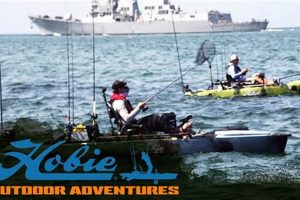
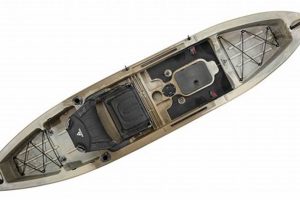
The practice of angling from a small, human-powered vessel in the Sunshine State offers a unique blend of outdoor recreation and sport. It allows anglers to access shallow-water environments often unreachable by larger boats, including estuaries, mangrove tunnels, and backcountry flats. This specialized approach provides opportunities to pursue a diverse range of fish species, from redfish and snook in the inshore waters to tarpon and snapper near offshore reefs.
Affordability, portability, and maneuverability contribute to this activity’s growing popularity. It provides a close-to-nature experience, promoting physical activity and environmental awareness. Historically, small boats have been used for fishing in Florida’s waters for centuries, evolving from indigenous peoples’ canoes to modern, purpose-built fishing kayaks equipped with specialized features like rod holders, livewells, and fish finders.
Further exploration will delve into topics such as choosing the right equipment, identifying productive fishing locations, understanding relevant regulations and safety practices, and highlighting the conservation efforts crucial for the sustainability of this exciting pursuit.
Tips for Successful Kayak Angling in Florida
Preparation and knowledge are crucial for a productive and enjoyable fishing experience from a kayak in Florida’s diverse waters. The following tips offer valuable insights to enhance angling success and ensure safety.
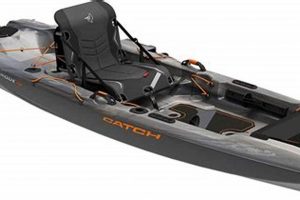
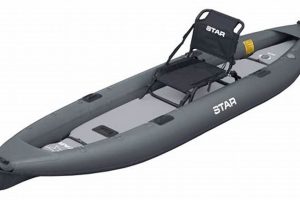
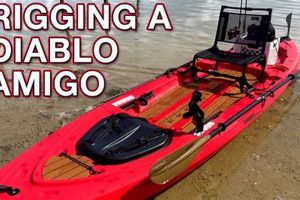
Tip 1: Research and Choose the Right Kayak: Kayak selection depends on targeted fishing environments. Longer kayaks offer speed and tracking for open water, while shorter, wider kayaks provide stability in calmer, shallow areas. Consider features like rod holders, storage compartments, and anchor systems.
Tip 2: Understand Local Regulations and Licensing Requirements: Anglers must possess valid fishing licenses and adhere to all size and bag limits for targeted species. Regulations vary depending on location and species. Consult the Florida Fish and Wildlife Conservation Commission (FWC) for current regulations.
Tip 3: Prioritize Safety Equipment: A personal flotation device (PFD) is essential and legally required in many circumstances. Carry a whistle, signaling device, and communication equipment for emergencies. Inform someone of your fishing plans, including location and expected return time.
Tip 4: Plan for Weather Conditions: Florida’s weather can change rapidly. Check marine forecasts before heading out and avoid fishing during thunderstorms or high winds. Dress appropriately for sun protection and potential temperature changes.
Tip 5: Utilize Appropriate Fishing Gear: Choose rods, reels, and tackle suited for target species and fishing techniques. Consider lighter tackle for inshore fishing and heavier gear for offshore pursuits. Pack essential tools, including pliers, line cutters, and a knife.
Tip 6: Practice Kayak Handling and Paddling Techniques: Develop proficient paddling skills and learn how to maneuver a kayak efficiently. Practice stability drills and self-rescue techniques in calm water before venturing into more challenging environments.
Tip 7: Respect the Environment and Practice Catch and Release: Minimize environmental impact by properly disposing of fishing line and other waste. Consider practicing catch and release, especially for sensitive species, to contribute to conservation efforts.
By adhering to these guidelines, anglers can maximize their chances of success while ensuring a safe and rewarding experience on Florida’s waters. Careful planning and responsible practices contribute to the long-term sustainability of this popular recreational activity.
With a strong foundation of knowledge and preparation, anglers can confidently explore the abundant fishing opportunities that Florida offers from the unique perspective of a kayak.
1. Quiet Water Access
Quiet water access represents a significant advantage of kayak fishing in Florida. Kayaks, due to their small size and maneuverability, grant access to shallow, protected areas often inaccessible to larger motorized boats. These tranquil environments, including estuaries, backwater creeks, mangrove tunnels, and shallow grass flats, serve as prime habitats for a variety of sought-after game fish. Reduced noise and disturbance from kayaks allow anglers to approach these fish stealthily, increasing the likelihood of successful hookups. For instance, the shallow flats of the Florida Keys teem with bonefish and permit, species easily spooked by conventional boats but readily approachable by kayak. Similarly, navigating the intricate mangrove systems of the Everglades in a kayak provides opportunities to target redfish and snook in their natural habitat.
The ability to navigate these quiet waters opens up a wealth of fishing opportunities. Anglers can explore secluded areas, discover hidden fishing holes, and get closer to the action. This close-to-nature experience enhances the overall fishing experience, offering a sense of tranquility and solitude often absent in more crowded fishing locations. The shallow draft of kayaks allows access to areas with minimal water depth, further expanding the range of fishable waters and providing an edge in targeting species that prefer these shallow environments. This access also translates to a wider variety of fishing techniques, including sight fishing, fly fishing, and traditional spin casting, all of which can be effectively employed from a kayak in quiet waters.
Ultimately, quiet water access contributes significantly to the appeal and effectiveness of kayak fishing in Florida. This access not only expands fishing opportunities but also enhances the overall experience, offering anglers a unique perspective on Florida’s diverse aquatic ecosystems. However, it’s crucial to remember that responsible angling practices, including catch and release and respect for the environment, are paramount to preserving these delicate habitats for future generations.
2. Species-specific tackle

Effective kayak fishing in Florida necessitates utilizing species-specific tackle. Florida’s diverse fish populations, ranging from inshore species like redfish and snook to offshore pelagics like mahi-mahi and sailfish, present varying challenges and require specialized equipment for successful angling. Tackle selection should consider factors such as target species size, habitat, and feeding behavior. Matching rod action, line weight, and hook size to the target species optimizes hook-set ratios and minimizes fish loss. For example, targeting tarpon, a powerful gamefish known for its acrobatic leaps, requires heavy-duty rods, high-strength braided line, and large, durable hooks. Conversely, pursuing smaller species like speckled trout in shallow grass flats necessitates lighter rods, lighter lines, and smaller hooks for optimal presentation and sensitivity.
The confined space and unique challenges of fishing from a kayak further emphasize the importance of species-specific tackle. Kayak anglers often need to manage their equipment efficiently, minimizing clutter and maximizing maneuverability. Carrying an array of specialized rods and reels, each rigged for a specific target species or fishing technique, allows for quick adaptation to changing fishing conditions and target species. For example, a kayak angler targeting snook in mangrove tunnels may switch to a lighter setup with smaller lures if they encounter a school of redfish in a nearby flat. This adaptability can significantly improve angling success and enhance the overall fishing experience.
Understanding the relationship between species-specific tackle and kayak fishing in Florida significantly contributes to angling success. By tailoring equipment choices to the specific characteristics of target species, anglers can optimize their chances of landing desired fish. This focused approach also promotes responsible fishing practices by minimizing stress on fish and increasing the likelihood of successful catch and release. Furthermore, efficient tackle management enhances safety and maneuverability, allowing kayak anglers to fully enjoy the unique fishing opportunities that Florida’s diverse waters offer.

Navigation and mapping are essential components of successful and safe kayak fishing in Florida. The state’s extensive coastline, intricate network of inland waterways, and diverse array of fishing environments necessitate careful planning and precise navigation. Using mapping tools, whether electronic charts on GPS devices or traditional nautical charts, allows anglers to identify productive fishing areas, navigate safely through complex channels, and locate essential features like boat ramps, marinas, and potential hazards. Understanding tidal flows, currents, and water depths, often indicated on charts, significantly enhances angling success and ensures safe passage. For example, navigating the shallow flats of the Florida Keys requires careful attention to tide charts to avoid grounding, while understanding current patterns in the Gulf Stream can aid in locating pelagic species. Furthermore, marking waypoints on electronic charts allows anglers to return to productive fishing spots and share locations with others.
Effective navigation also contributes to responsible kayak fishing practices. Mapping tools enable anglers to avoid sensitive habitats like seagrass beds and coral reefs, minimizing environmental impact. Knowing one’s location and having a planned route enhances safety, allowing for efficient communication with others in case of emergencies. Pre-planning routes and identifying potential hazards minimizes the risk of getting lost or encountering unexpected obstacles, particularly in remote areas. Integrating navigation technology with weather forecasting apps provides real-time updates on changing conditions, enabling informed decisions about fishing locations and safe return strategies. For instance, accessing real-time wind data allows kayak anglers to adjust their routes to avoid areas with potentially challenging conditions.
Proficient navigation and mapping skills are indispensable for maximizing the enjoyment and safety of kayak fishing in Florida. These tools empower anglers to explore diverse fishing grounds, locate target species effectively, and navigate safely through complex waterways. Integrating technology with traditional navigational knowledge elevates angling success while promoting responsible use of Florida’s valuable aquatic resources. Careful planning and accurate navigation contribute significantly to a rewarding and safe experience on the water.
4. Weather Awareness
Weather awareness is paramount for safe and successful kayak fishing in Florida. The state’s dynamic weather patterns, characterized by rapid changes, intense storms, and strong winds, necessitate constant vigilance and proactive planning. Neglecting weather conditions can expose anglers to hazardous situations, jeopardizing safety and potentially leading to serious consequences. Understanding weather forecasts, interpreting local weather signs, and adapting fishing plans accordingly are crucial for an enjoyable and incident-free experience.
- Pre-Trip Planning:
Consulting reliable marine weather forecasts before embarking on a kayak fishing trip is essential. Detailed forecasts provide information on wind speed and direction, wave height, precipitation, and temperature fluctuations. This information enables anglers to select appropriate fishing locations, choose suitable launch sites, and anticipate potential changes in conditions. Utilizing weather apps or websites specifically designed for marine activities offers real-time updates and alerts, allowing for informed decision-making regarding trip timing and duration.
- On-the-Water Observation:
Continuous observation of weather conditions while on the water is crucial. Monitoring changes in wind patterns, cloud formations, and wave behavior provides immediate indications of potential weather shifts. Recognizing signs of approaching storms, such as darkening skies, sudden gusts of wind, or distant lightning, allows anglers to seek shelter or return to shore promptly, minimizing exposure to hazardous conditions. Developing an understanding of local weather patterns and their associated indicators further enhances on-the-water awareness and safety.
- Equipment and Gear:
Appropriate equipment and gear play a vital role in mitigating weather-related risks. Wearing a personal flotation device (PFD) at all times is essential for safety in the event of capsizing or unexpected immersion. Carrying waterproof bags or containers protects electronic devices, communication equipment, and other essential items from rain and saltwater spray. Dressing in layers allows for adaptation to fluctuating temperatures, while rain gear provides protection from precipitation. Equipping the kayak with a bilge pump and paddle leash ensures preparedness for unexpected water accumulation or paddle loss in rough conditions.
- Emergency Preparedness:
Developing an emergency plan and communicating it to others before embarking on a kayak fishing trip enhances safety. Informing someone of the planned fishing location, expected return time, and contact information enables prompt assistance in case of emergencies. Carrying a whistle, signaling device, and a fully charged cell phone or VHF radio provides reliable communication options in the event of distress. Understanding self-rescue techniques, such as re-entering a capsized kayak, and having a basic first-aid kit on board further enhances preparedness for unforeseen circumstances.
Integrating these elements of weather awareness into kayak fishing practices significantly enhances safety and enjoyment. By prioritizing preparedness, continuous observation, and informed decision-making, anglers can minimize risks associated with Florida’s dynamic weather conditions. This proactive approach allows for a more rewarding and secure experience, ensuring that kayak fishing trips remain enjoyable and safe.
5. Safety Gear and Practices

Safety gear and practices are integral to responsible kayak fishing in Florida. The state’s diverse aquatic environments, ranging from calm inshore waters to open ocean conditions, present inherent risks that necessitate careful preparation and adherence to safety protocols. Neglecting safety precautions can lead to accidents, injuries, or even fatalities, underscoring the critical connection between safety and enjoyable kayak angling. Understanding and implementing appropriate safety measures allows anglers to mitigate risks and focus on the rewarding aspects of this popular recreational activity.
Several factors contribute to the importance of safety gear and practices in Florida kayak fishing. The potential for sudden weather changes, strong currents, and encounters with marine life necessitates preparedness for unexpected situations. Navigating through shallow waters, especially near oyster beds or submerged debris, presents risks of capsizing or hull damage. The possibility of encountering other vessels, including motorized boats and personal watercraft, further underscores the need for enhanced visibility and adherence to navigational rules. For instance, wearing brightly colored clothing and utilizing a navigation light increases visibility to other boaters, reducing the risk of collisions, especially during low-light conditions. Carrying a signaling device, such as a whistle or air horn, allows for effective communication in emergencies, enabling prompt assistance from nearby boaters or rescue personnel. Real-life examples of accidents involving kayak anglers in Florida highlight the importance of wearing a personal flotation device (PFD), which can significantly increase survival chances in the event of capsizing or unexpected immersion.
A comprehensive approach to safety in kayak fishing encompasses a range of gear and practices. Wearing a properly fitted PFD is fundamental, providing buoyancy and increasing survival chances in the event of an accident. Carrying essential safety equipment, such as a whistle, signaling mirror, waterproof flashlight, and a first-aid kit, equips anglers to handle emergencies effectively. Checking weather forecasts before heading out and monitoring conditions throughout the trip allows for informed decisions about fishing locations and safe return strategies. Informing someone of fishing plans, including intended location and expected return time, ensures prompt assistance if needed. Regularly inspecting and maintaining kayak equipment, including paddles, hatches, and hull integrity, minimizes the risk of equipment failure during a fishing trip. Understanding basic navigation skills and carrying appropriate charts or electronic navigation devices allows for safe passage through complex waterways and reduces the likelihood of disorientation or getting lost. Adhering to responsible boating practices, such as maintaining a safe distance from other vessels and avoiding restricted areas, further contributes to a safe and enjoyable experience.
Frequently Asked Questions about Kayak Fishing in Florida
This section addresses common inquiries regarding kayak fishing in Florida, providing concise and informative responses to assist anglers in planning safe and successful fishing excursions.
Question 1: What are the licensing requirements for kayak fishing in Florida?
A valid Florida fishing license is required for residents and non-residents. Specific license requirements vary based on age and residency status. Consult the Florida Fish and Wildlife Conservation Commission (FWC) website for detailed information and to obtain the appropriate license.
Question 2: What essential safety gear should be carried on a kayak fishing trip in Florida?
Essential safety gear includes a personal flotation device (PFD), a whistle, a visual distress signal, a communication device (cell phone or VHF radio), a first-aid kit, and navigation lights if fishing at night or in low-visibility conditions. A bilge pump and paddle leash are also recommended.
Question 3: Are there specific regulations regarding fishing from a kayak in Florida?
Regulations regarding fishing from a kayak generally align with overall fishing regulations, including size and bag limits for specific species. Certain areas may have specific restrictions on kayak access or fishing methods. Always consult the FWC regulations for the specific area being fished.
Question 4: What are the best times of year for kayak fishing in Florida?
Florida offers year-round fishing opportunities, but specific species may have peak seasons. Generally, spring and fall offer favorable conditions for a variety of inshore and offshore species. Summer can provide excellent fishing for pelagic species, while winter offers opportunities for sheepshead and other cold-tolerant fish.
Question 5: What are the primary considerations for choosing a fishing kayak in Florida?
Kayak selection depends on intended fishing environments and personal preferences. Factors to consider include stability, length, maneuverability, storage capacity, and compatibility with fishing accessories such as rod holders and fish finders. Longer kayaks are suitable for open water, while shorter kayaks are preferable for shallow, protected areas.
Question 6: What are some recommended resources for planning a kayak fishing trip in Florida?
Valuable resources include the FWC website for regulations and licensing information, local bait and tackle shops for area-specific advice, online fishing forums and communities for sharing experiences and tips, and nautical charts or electronic navigation apps for planning routes and identifying fishing locations.
Careful planning and adherence to safety guidelines are essential for a rewarding kayak fishing experience in Florida. Understanding local regulations, utilizing appropriate gear, and prioritizing safety contribute significantly to enjoyable and successful fishing excursions.
The following section will provide detailed information on popular kayak fishing destinations in Florida.
Kayak Fishing Florida
This exploration of angling from human-powered vessels in Florida’s waters has highlighted the unique blend of sport, recreation, and environmental engagement. Key considerations, from equipment selection and safety practices to navigational skills and species-specific techniques, underscore the multifaceted nature of this activity. Access to quiet, shallow-water ecosystems provides opportunities to connect with diverse fish populations while minimizing environmental impact. Understanding weather patterns, local regulations, and responsible angling practices ensures both safety and the sustainability of this pursuit.
The future of kayak fishing in Florida relies on continued conservation efforts and responsible participation. Preserving the integrity of aquatic ecosystems ensures the longevity of this rewarding recreational activity. Informed anglers, equipped with knowledge and respect for the environment, contribute to the ongoing vitality of Florida’s diverse fisheries and ensure that future generations can experience the unique thrill of angling from a kayak amidst the state’s natural beauty.