Top-tier manufacturers in the kayak industry are distinguished by factors such as quality of construction, materials used, design innovation, performance characteristics, and customer service. Examples include companies known for their specialization in fishing kayaks, recreational kayaks, or whitewater kayaks, each catering to specific needs and paddling styles. Examining these manufacturers often involves evaluating their respective product lines based on various criteria like durability, stability, speed, and comfort.
Understanding the leading kayak makers empowers consumers to make informed purchasing decisions. Selecting a kayak from a reputable brand often signifies an investment in quality and longevity, contributing to a safer and more enjoyable paddling experience. Historically, the kayak industry has evolved significantly, with manufacturers constantly refining designs and incorporating new technologies to enhance performance and user experience. This continuous improvement has led to a diverse market with options for every paddler, from beginners to seasoned professionals.
This discussion will further explore various aspects of selecting the right kayak, including an in-depth look at key features, different types of kayaks available, and considerations for matching a kayak to individual paddling needs and preferences.
Tips for Selecting a Kayak
Choosing a kayak requires careful consideration of various factors to ensure the vessel aligns with individual needs and paddling styles. The following tips offer guidance for navigating the selection process.
Tip 1: Define Paddling Style: Determine the intended use of the kayak. Recreational paddling on calm water necessitates different features than whitewater kayaking or fishing expeditions. Clarity on paddling style informs appropriate hull design, length, and storage capacity considerations.
Tip 2: Research Reputable Manufacturers: Seek out manufacturers known for quality construction, durable materials, and innovative designs. Reading reviews and comparing different brands aids in identifying manufacturers aligned with specific needs and budgets.
Tip 3: Consider Kayak Material: Kayaks are typically constructed from polyethylene, fiberglass, or composite materials. Polyethylene offers durability and affordability, while fiberglass and composites provide lighter weight and enhanced performance but often come at a higher cost.
Tip 4: Evaluate Hull Design: Different hull shapes impact stability, maneuverability, and tracking. Flat hulls offer stability, while rounded or V-shaped hulls enhance speed and tracking. Consider the desired balance of stability and performance based on the intended paddling environment.
Tip 5: Assess Kayak Length and Width: Longer kayaks generally track better and glide more efficiently, while shorter kayaks are more maneuverable. Wider kayaks provide greater stability, while narrower kayaks are faster but less stable.
Tip 6: Factor in Weight Capacity: Ensure the kayak’s weight capacity accommodates the paddler’s weight plus any gear or equipment. Exceeding the weight capacity compromises stability and performance.
Tip 7: Think About Storage: Consider storage needs for gear, especially for fishing or multi-day trips. Kayaks offer various storage options, including hatches, bungee cords, and tank wells.
Tip 8: Test Paddle When Possible: If feasible, test paddling different kayak models provides valuable insights into comfort, stability, and handling characteristics. This allows for informed decision-making based on firsthand experience.
By considering these tips, individuals can select a kayak that enhances their paddling experience, ensuring safety, comfort, and optimal performance on the water.
This guidance sets the stage for a detailed exploration of specific kayak features, types, and considerations for matching a kayak to individual needs, culminating in informed purchasing decisions.
1. Durability

Durability stands as a cornerstone of quality in kayak construction, directly influencing a brand’s reputation and a product’s lifespan. Top-tier kayak brands prioritize robust materials and meticulous manufacturing processes to ensure their products withstand the rigors of diverse paddling environments. This section explores the multifaceted nature of durability in relation to leading kayak manufacturers.
- Material Selection
The choice of material significantly impacts a kayak’s ability to resist damage from impacts, abrasion, and UV exposure. High-density polyethylene (HDPE) is a common choice for its impact resistance and affordability. Higher-end brands often utilize cross-linked polyethylene or incorporate advanced composites like fiberglass or Kevlar for enhanced strength and lighter weight. The selection of appropriate materials directly reflects a brand’s commitment to long-lasting products.
- Construction Methods
Manufacturing techniques play a crucial role in overall durability. Rotational molding is a prevalent method for HDPE kayaks, producing a seamless, uniform hull. Advanced construction methods, such as thermoforming or vacuum infusion for composite kayaks, result in stronger, lighter vessels. Reputable brands invest in robust construction processes to ensure structural integrity and resilience.
- UV Resistance
Prolonged exposure to sunlight can degrade kayak materials, leading to fading, brittleness, and reduced lifespan. Premium kayak brands address this by incorporating UV inhibitors into their materials or applying specialized coatings that protect against harmful UV rays. This commitment to UV resistance safeguards the kayak’s appearance and structural integrity over time.
- Hardware and Fittings
Durable hardware, such as deck rigging, handles, and seat components, contributes to the overall longevity of a kayak. High-quality stainless steel or marine-grade aluminum fittings resist corrosion and withstand stress. Leading brands prioritize robust hardware that complements the kayak’s construction, ensuring reliable performance and extended lifespan.
The convergence of these factorsmaterial selection, construction methods, UV resistance, and hardware qualitydefines a kayak’s overall durability. Leading kayak brands understand this interconnectedness and prioritize each element, ensuring their products provide years of reliable performance. Investing in a durable kayak translates to long-term value, reduced maintenance, and enhanced enjoyment on the water. Ultimately, durability serves as a key differentiator among brands, reflecting a commitment to quality and customer satisfaction.
2. Performance
Performance represents a critical differentiator among kayak brands, encompassing a range of factors that influence speed, efficiency, maneuverability, and stability on the water. Discerning paddlers evaluate performance characteristics to select kayaks suited to their specific needs and paddling styles. This section explores key facets of performance that contribute to a brand’s reputation and product desirability.
- Tracking
Tracking refers to a kayak’s ability to maintain a straight course with minimal corrective strokes. Efficient tracking reduces paddling effort and conserves energy, particularly on longer journeys. Kayak brands achieve superior tracking through hull design features like a pronounced keel or defined chines. Longer kayaks generally track better than shorter ones, although maneuverability may be compromised. Brands catering to touring or sea kayaking emphasize tracking as a primary performance attribute.
- Speed
Speed is a desirable characteristic for various paddling disciplines, from racing to recreational touring. Factors influencing speed include hull shape, length, and material. Longer, narrower kayaks with streamlined hulls typically achieve higher speeds. Lightweight composite materials further enhance speed by reducing overall weight. Brands specializing in performance-oriented kayaks prioritize designs and materials that maximize speed potential.
- Stability
Stability describes a kayak’s resistance to tipping and its ability to recover from disturbances. Stability is crucial for beginners and for activities like fishing or photography where a stable platform is essential. Wider kayaks with flatter hulls offer greater initial stability, while rounded or V-shaped hulls provide secondary stability, allowing for edged turns and maneuverability. Brands catering to recreational paddlers or specialized activities prioritize stability in their designs.
- Maneuverability
Maneuverability refers to a kayak’s responsiveness to paddle strokes and its ability to change direction efficiently. Shorter kayaks with rocker (upward curve at the bow and stern) tend to be more maneuverable, especially in challenging conditions like whitewater or surf. Brands specializing in these disciplines emphasize maneuverability as a key performance attribute.
The interplay of these performance characteristicstracking, speed, stability, and maneuverabilitydefines a kayak’s overall on-water performance. Reputable brands understand these interrelationships and design kayaks that excel in specific areas, catering to diverse paddling needs and styles. A comprehensive understanding of these performance aspects empowers informed purchasing decisions, ensuring a kayak aligns with individual paddling goals and preferences.
3. Innovation

Innovation serves as a driving force in the kayak industry, propelling the evolution of design, materials, and manufacturing processes. Top kayak brands consistently push boundaries, seeking novel solutions to enhance performance, comfort, and overall paddling experience. This pursuit of innovation distinguishes leading manufacturers and contributes significantly to their reputation for excellence.
- Hull Designs
Innovative hull designs represent a cornerstone of kayak advancement. Modern designs incorporate features like multi-chine hulls, displacement hulls, and shallow-arch hulls, each optimized for specific paddling conditions and performance goals. For example, a multi-chine hull enhances stability and tracking, while a displacement hull prioritizes efficiency and speed in calm water. Leading brands invest in research and development to refine hull designs, resulting in kayaks that perform optimally in diverse environments.
- Materials and Construction
Material advancements play a crucial role in enhancing kayak performance and durability. Lightweight composites, such as carbon fiber and Kevlar, offer superior strength-to-weight ratios, resulting in faster, more responsive kayaks. Thermoformed or vacuum-infused construction techniques create stronger, more consistent hulls. Innovative brands continuously explore new materials and construction methods to improve kayak performance and longevity.
- Features and Accessories
Innovative features and accessories enhance comfort, convenience, and functionality on the water. Examples include adjustable seating systems, integrated rudder systems, built-in storage compartments, and advanced fishing-specific features like rod holders and transducer mounts. Leading brands incorporate thoughtful design elements that cater to specific paddling needs, improving the overall user experience.
- Manufacturing Processes
Advanced manufacturing processes contribute to improved quality control, consistency, and efficiency in kayak production. Robotic welding, automated cutting, and precision molding techniques ensure consistent hull shapes and precise component integration. Innovative brands leverage these advancements to streamline production, reduce waste, and maintain high standards of quality.
These facets of innovationhull designs, materials and construction, features and accessories, and manufacturing processescollectively contribute to the advancement of kayak technology. Best kayak brands recognize the importance of continuous improvement and invest in research and development to deliver cutting-edge products. This dedication to innovation elevates the paddling experience, providing enhanced performance, comfort, and durability for paddlers of all levels.
4. Customer Service

Exceptional customer service distinguishes leading kayak brands, fostering trust and loyalty among consumers. Effective communication, responsive support, and efficient warranty processes contribute significantly to a brand’s reputation and overall customer satisfaction. This section explores the crucial connection between customer service and top-tier kayak manufacturers.
- Pre-Sales Support
Knowledgeable pre-sales support empowers informed purchasing decisions. Brands offering comprehensive product information, readily available expertise, and responsive communication channels empower customers to select kayaks aligned with their needs and paddling styles. Thorough pre-sales support demonstrates a commitment to customer satisfaction from the outset.
- Warranty and Returns
Robust warranty programs and streamlined return processes build consumer confidence. Clearly defined warranty terms, efficient claim procedures, and readily available replacement parts minimize disruptions and demonstrate a brand’s commitment to product quality and customer support. A hassle-free warranty experience reinforces trust and fosters long-term customer relationships.
- Post-Sales Assistance
Responsive and effective post-sales assistance addresses customer inquiries, resolves issues, and provides ongoing support. Accessible communication channels, knowledgeable support staff, and timely resolutions contribute significantly to customer satisfaction. Brands prioritizing post-sales support cultivate loyalty and build a positive brand image.
- Community Engagement
Active community engagement fosters a sense of belonging and provides valuable resources for kayak enthusiasts. Brands that sponsor events, support local paddling groups, and maintain active online forums demonstrate a commitment to the broader paddling community. This engagement strengthens brand loyalty and reinforces a positive brand image.
These facets of customer servicepre-sales support, warranty and returns, post-sales assistance, and community engagementcollectively contribute to a positive brand experience. Leading kayak brands recognize the importance of exceeding customer expectations, fostering loyalty, and building strong relationships within the paddling community. Exceptional customer service reinforces a brand’s commitment to quality, reliability, and long-term customer satisfaction.
5. Warranty
A comprehensive warranty program often distinguishes top kayak brands, reflecting a commitment to quality and providing consumers with assurance and peace of mind. Warranties act as a tangible expression of a manufacturer’s confidence in its products, effectively mitigating potential risks associated with manufacturing defects or material failures. This commitment to post-sales support significantly influences purchasing decisions and strengthens brand reputation. For example, a lifetime warranty on hull integrity demonstrates a belief in long-term product durability, inspiring consumer trust and fostering brand loyalty. Conversely, limited or short-term warranties can raise concerns about product longevity and perceived quality.
Warranty coverage typically varies among manufacturers, encompassing different aspects of the kayak, such as the hull, deck, outfitting, and accessories. Understanding the specifics of a warrantyincluding duration, coverage scope, and claim proceduresis crucial for consumers. A comprehensive warranty might cover defects in materials and workmanship, while others might exclude specific types of damage, such as those caused by misuse or improper storage. Real-world examples include brands offering transferable warranties, demonstrating further commitment to product longevity and resale value. Furthermore, efficient and responsive warranty claim processes enhance customer satisfaction, minimizing potential inconvenience associated with repairs or replacements.
In summary, a strong warranty serves as a critical component in defining a top-tier kayak brand. It reflects not only a commitment to product quality and durability but also a dedication to customer satisfaction throughout the product lifecycle. Consumers should carefully consider warranty terms as an integral part of their purchasing decision, understanding the level of protection offered and the manufacturer’s commitment to standing behind their products. This understanding empowers informed choices and fosters long-term satisfaction with the kayak investment.
6. Price Point
Price point represents a significant factor in the evaluation of kayak brands, often correlating with material quality, features, performance characteristics, and overall brand perception. While “best” does not necessarily equate to “most expensive,” an understanding of price point within the context of kayak brands illuminates the value proposition offered by different manufacturers. Examining the relationship between price and features clarifies the trade-offs inherent in various price segments, enabling informed purchasing decisions aligned with individual budgets and paddling requirements. Price point segmentation facilitates comparison among brands and reveals how perceived value influences brand positioning within the broader kayak market.
- Entry-Level Kayaks
Entry-level kayaks typically occupy the lower end of the price spectrum, catering to recreational paddlers and beginners. These kayaks often feature durable, high-density polyethylene construction, emphasizing affordability and stability. While they may lack advanced features found in higher-priced models, entry-level kayaks from reputable brands still offer satisfactory performance and durability for casual use. For instance, a rotational-molded polyethylene kayak from a recognized brand might provide excellent stability and durability for recreational paddling, representing strong value within its price segment.
- Mid-Range Kayaks
Mid-range kayaks offer a balance between price and performance, incorporating upgraded features and materials compared to entry-level options. This segment often includes kayaks designed for specific paddling disciplines, such as touring or recreational fishing. Enhanced features like adjustable seating systems, rudder systems, or improved storage options contribute to increased comfort and functionality. A mid-range kayak might feature a lightweight composite construction, improving performance while maintaining a reasonable price point, thus appealing to paddlers seeking enhanced performance without a premium investment.
- High-End Kayaks
High-end kayaks represent the pinnacle of performance and innovation, often utilizing cutting-edge materials and advanced construction techniques. These kayaks cater to experienced paddlers and those seeking specialized performance characteristics, such as enhanced speed, maneuverability, or lightweight portability. Features like carbon fiber construction, advanced hull designs, and premium outfitting contribute to the elevated price point. A high-end kayak designed for competitive racing might prioritize lightweight construction and optimized hydrodynamics, justifying its premium price with superior performance capabilities.
- Considering Value
While price point serves as an initial filter, discerning paddlers prioritize value the relationship between price and features offered. A higher price point does not inherently guarantee superior value; rather, value resides in the alignment of features, performance, and durability with individual paddling needs and budget constraints. Evaluating features, materials, and warranty coverage in relation to price reveals the true value proposition of a kayak, enabling informed purchasing decisions that maximize long-term satisfaction.
Understanding price point segmentation within the kayak market enables consumers to navigate the diverse range of options available and identify brands that offer strong value within their respective price categories. Evaluating features, materials, and performance characteristics in relation to price empowers informed choices, ensuring that the selected kayak aligns with individual paddling requirements and budgetary constraints. Ultimately, recognizing the nuanced relationship between price point, features, and brand reputation contributes to a satisfying and rewarding kayak ownership experience.
7. Specialization (fishing, touring, etc.)
Specialization within the kayak industry significantly influences brand reputation and product development. “Best” kayak brands often excel in specific niches, catering to distinct paddling styles and requirements. This focus allows manufacturers to refine designs, optimize features, and address the unique needs of various paddling disciplines. Examining these specializations reveals how top brands differentiate themselves and provide tailored solutions for diverse paddling activities.
- Fishing Kayaks
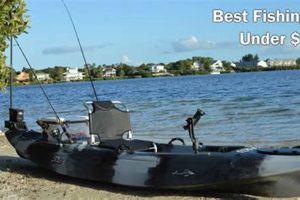
Brands specializing in fishing kayaks prioritize stability, storage, and specialized features. Integrated rod holders, transducer mounts, and ample storage compartments cater specifically to anglers’ needs. Examples include brands renowned for their stable platforms designed for stand-up fishing, demonstrating a commitment to angler-specific design considerations. These specializations often translate to enhanced on-the-water performance and user experience for fishing enthusiasts.
- Touring Kayaks
Touring kayaks prioritize efficiency, tracking, and storage capacity for longer journeys. Brands specializing in this category emphasize hull designs optimized for speed and glide, coupled with ample storage for gear and provisions. Features like comfortable seating systems and rudder systems enhance long-distance paddling comfort and control. Examples include brands known for their expedition-worthy kayaks designed for multi-day trips, showcasing a focus on durability, efficiency, and long-distance paddling comfort.
- Recreational Kayaks
Recreational kayaks prioritize stability, comfort, and ease of use, catering to casual paddlers and beginners. Brands in this category often offer wider, flatter hulls for enhanced stability and user-friendly features like adjustable seating and ample storage for day trips. These kayaks often represent a balance between affordability and performance, ideal for exploring calm waters and enjoying leisurely paddling experiences. Examples include brands offering a diverse range of recreational kayaks suitable for families and beginners, emphasizing stability, comfort, and ease of paddling.
- Whitewater Kayaks
Whitewater kayaks prioritize maneuverability, durability, and safety in challenging river environments. Specialized designs, robust construction, and features like reinforced hulls and advanced safety systems cater to the demands of whitewater paddling. Brands specializing in this category often leverage advanced materials and construction techniques to ensure kayaks withstand the rigors of river running. Examples include brands known for their high-performance whitewater kayaks designed for navigating rapids and challenging river conditions, emphasizing maneuverability, durability, and paddler safety.
By focusing on specific paddling disciplines, top kayak brands refine designs, optimize features, and address the unique needs of various user groups. This specialization contributes significantly to brand reputation and strengthens the connection between manufacturers and their target audiences. Understanding these specializations allows consumers to select kayaks tailored to their individual paddling styles and performance requirements, maximizing enjoyment and enhancing on-the-water experiences.
Frequently Asked Questions
This section addresses common inquiries regarding the selection and evaluation of top kayak brands, providing concise and informative responses to facilitate informed decision-making.
Question 1: What differentiates top kayak brands from lesser-known manufacturers?
Key differentiators include a commitment to quality materials, innovative designs, rigorous manufacturing processes, comprehensive warranties, and responsive customer service. Reputable brands often specialize in specific paddling disciplines, allowing for targeted design and feature optimization.
Question 2: How does hull design influence kayak performance?
Hull design significantly impacts stability, maneuverability, speed, and tracking. Flatter hulls offer enhanced stability, while rounded or V-shaped hulls prioritize speed and tracking. Shorter kayaks with rocker enhance maneuverability, while longer kayaks excel in tracking and straight-line speed. Specific hull designs cater to various paddling styles, such as recreational paddling, touring, or whitewater kayaking.
Question 3: What materials are commonly used in kayak construction, and how do they impact durability and performance?
Common materials include high-density polyethylene (HDPE), fiberglass, and composite materials like carbon fiber or Kevlar. HDPE offers durability and affordability, while fiberglass and composites provide lighter weight and enhanced performance but often come at a higher cost. Material selection influences a kayak’s weight, durability, performance characteristics, and overall cost.
Question 4: How does one determine the appropriate kayak size and weight capacity?
Kayak size and weight capacity should align with the paddler’s weight, intended use, and gear requirements. Longer kayaks generally track better, while shorter kayaks offer enhanced maneuverability. Weight capacity should accommodate the combined weight of the paddler, gear, and any additional equipment to ensure safe and optimal performance. Exceeding the specified weight capacity compromises stability and can lead to safety hazards.
Question 5: What role does warranty play in evaluating kayak brands?
A comprehensive warranty reflects a manufacturer’s confidence in product quality and durability. Warranty coverage typically includes defects in materials and workmanship, but specific terms vary among brands. Consumers should carefully review warranty details, including duration, coverage scope, and claim procedures, when evaluating different kayak brands. A robust warranty provides peace of mind and protects against potential manufacturing defects or material failures.
Question 6: How does specialization influence brand selection within the kayak market?
Brands often specialize in specific paddling disciplines, such as fishing, touring, recreational paddling, or whitewater kayaking. This specialization translates to targeted design features, optimized performance characteristics, and enhanced user experiences. Paddlers should consider their primary paddling activities and select brands known for expertise within their chosen discipline.
Understanding these frequently asked questions empowers informed decision-making regarding kayak selection and brand evaluation. Careful consideration of these factors contributes significantly to a satisfying and rewarding paddling experience.
Further exploration of specific kayak models, features, and performance comparisons will provide additional insights for discerning paddlers seeking the ideal kayak for their individual needs.
Conclusion
Navigating the landscape of top kayak manufacturers requires careful consideration of several key factors. Durability, influenced by material selection and construction methods, ensures a kayak withstands the rigors of diverse paddling environments. Performance characteristics, including speed, stability, and maneuverability, directly impact the on-water experience. Innovation in hull designs, materials, and features drives continuous improvement and enhances paddling enjoyment. Customer service, encompassing pre-sales support, warranty programs, and post-sales assistance, builds trust and fosters long-term satisfaction. Warranty coverage provides peace of mind, protecting against potential manufacturing defects and reinforcing a brand’s commitment to quality. Price point, while a significant factor, should be evaluated in conjunction with features, performance, and overall value. Finally, brand specialization caters to specific paddling disciplines, allowing paddlers to select kayaks optimized for their chosen activities, whether fishing, touring, recreational use, or whitewater adventures.
Ultimately, selecting a kayak from a reputable manufacturer represents an investment in quality, durability, and performance. Thorough research, careful consideration of individual paddling needs, and a comprehensive understanding of brand reputations empower informed decisions, ensuring a rewarding and enriching paddling experience for years to come. The evolving landscape of kayak design and technology promises continued innovation, further enhancing on-the-water experiences for paddlers of all levels and disciplines.