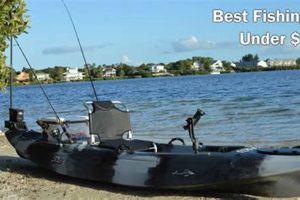
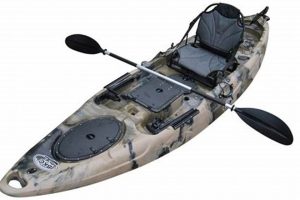
Acquiring a kayak at the most advantageous price point involves research and comparison shopping. Factors such as kayak type (recreational, touring, fishing, inflatable), materials (plastic, composite, inflatable), features (seating, storage, rudder), and brand reputation all contribute to the overall value proposition. An example might be finding a high-quality recreational kayak with desirable features at a discounted price due to an end-of-season sale or retailer promotion.
Securing optimal value is crucial for budget-conscious consumers and allows for potential savings that can be allocated towards other kayaking essentials like paddles, life vests, and transportation equipment. Historically, kayaking has transitioned from a primarily indigenous practice and mode of transportation to a popular recreational activity. This increased demand has led to a diverse market offering a wide range of kayak options and price points, creating opportunities for savvy shoppers to find excellent value.
The following sections will delve into specific strategies for identifying and securing exceptional kayak purchases. Topics covered will include researching different kayak types and brands, comparing prices across retailers, leveraging seasonal sales and discounts, and understanding the factors that contribute to a kayak’s overall worth.
Tips for Finding Exceptional Kayak Values
Locating superior kayak offers requires a strategic approach. The following tips provide guidance for navigating the market effectively.
Tip 1: Research Thoroughly: Comprehensive research is paramount. Understanding various kayak types, materials, features, and brands enables informed decisions. Exploring online reviews and comparing specifications allows potential buyers to align their needs with suitable options.
Tip 2: Compare Prices: Utilize price comparison websites and check multiple retailers, both online and brick-and-mortar, to identify the most competitive offers. Be aware of potential shipping costs and return policies.
Tip 3: Consider Timing: Purchases made during the off-season (typically fall and winter) or during special sales events often yield significant savings. Signing up for retailer email lists can provide advance notice of promotions.
Tip 4: Assess Package Deals: Evaluate package deals that include essential accessories like paddles and life vests. These bundles can offer cost savings compared to purchasing items individually.
Tip 5: Inspect Used Kayaks: Exploring the used kayak market can present opportunities for significant cost reductions. However, thorough inspections for damage and wear are crucial before committing to a purchase.
Tip 6: Factor in Total Cost: Consider additional expenses beyond the initial purchase price, such as transportation costs, storage fees, and maintenance requirements. These factors can impact the overall affordability of kayak ownership.
Tip 7: Prioritize Safety Features: Never compromise on safety. Ensure the chosen kayak meets established safety standards and includes necessary safety features, such as appropriate buoyancy and secure seating.
By following these strategies, consumers can significantly increase their likelihood of acquiring a high-quality kayak at a price that aligns with their budget. A well-researched purchase contributes to both enjoyment and financial prudence.
By implementing these guidelines, individuals can make informed decisions, maximizing value and ensuring a positive kayak ownership experience. The next section will conclude this discussion with final considerations and recommendations.
1. Research
Thorough research forms the cornerstone of securing advantageous kayak purchases. A well-informed consumer is better equipped to navigate the market, identify optimal value propositions, and avoid potential pitfalls. Diligent investigation empowers buyers to make informed decisions aligned with individual needs and budgetary constraints.
- Kayak Types:
Understanding the various kayak types recreational, touring, fishing, whitewater, inflatable is crucial. Each type possesses distinct characteristics suited to specific activities and water conditions. A recreational kayaker’s needs differ significantly from those of a whitewater enthusiast. Researching kayak types ensures alignment between intended use and kayak design, maximizing both enjoyment and value.
- Materials and Construction:
Kayaks are constructed from various materials, each impacting performance, durability, and cost. Common materials include polyethylene plastic, fiberglass composites, and inflatable fabrics. Researching these materials allows consumers to assess trade-offs between price and desired characteristics. A durable, high-performance composite kayak may justify a higher price tag for frequent users, while a less expensive plastic kayak might suffice for occasional recreational paddling.
- Features and Accessories:
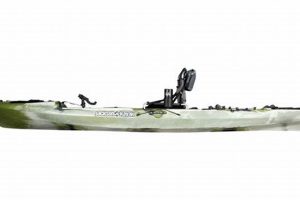
Kayaks offer a range of features, from adjustable seating and storage compartments to rudders and skegs. Understanding these features and their impact on paddling experience is essential. Researching available features allows buyers to prioritize those most beneficial to their intended usage. For example, a fishing kayak might prioritize rod holders and storage compartments, while a touring kayak might emphasize comfortable seating and ample storage for gear.
- Retailer and Brand Comparisons:
Comparing prices, warranties, and return policies across different retailers and brands is a crucial step in securing the best deal. Online marketplaces, specialty kayak stores, and even large retailers offer varying prices and promotions. Researching these options enables informed decisions and potentially significant cost savings.
These facets of research coalesce to empower consumers in identifying exceptional kayak value. A comprehensive understanding of kayak types, materials, features, and retail landscape enables informed purchase decisions, maximizing both enjoyment on the water and financial prudence. Informed research is the key to unlocking truly exceptional kayak purchases.
2. Comparison Shopping

Comparison shopping forms an indispensable component of securing optimal kayak purchases. The practice of evaluating prices, features, and retailer policies across multiple vendors directly contributes to identifying superior value propositions. This process empowers consumers to transcend superficial marketing tactics and focus on objective criteria, ensuring informed decisions aligned with individual needs and budgetary constraints. For instance, a particular kayak model might be advertised at a seemingly attractive price by one retailer. However, comparison shopping might reveal another vendor offering the same model at a lower price, with additional included accessories, or with a more favorable warranty.
The benefits of comparison shopping extend beyond simply finding the lowest price. It facilitates a deeper understanding of the market landscape, exposing consumers to a broader range of kayak options and features. This expanded awareness can lead to discovering models or brands previously unknown, potentially uncovering even better value than initially anticipated. Furthermore, comparing retailer policies on shipping, returns, and warranties provides crucial information that can significantly impact the overall purchase experience. For example, a retailer offering free shipping and a generous return policy might represent a better overall value proposition, even if the initial kayak price is slightly higher than a competitor’s.
In conclusion, comparison shopping is not merely a prudent practice; it is a fundamental element of securing the best possible kayak deal. The effort invested in comparing prices and policies across multiple vendors yields substantial returns in the form of cost savings, enhanced product knowledge, and a more informed purchasing decision. Neglecting this crucial step can lead to overspending, acquiring a less suitable kayak, or encountering unfavorable post-purchase experiences. Comparison shopping empowers consumers to navigate the kayak market strategically, maximizing value and ensuring a positive ownership experience.
3. Timing
Timing plays a crucial role in securing advantageous kayak purchases. The cyclical nature of retail markets, influenced by seasonal demand and manufacturer production schedules, creates predictable periods of price fluctuation. Understanding these patterns allows consumers to strategically time purchases to coincide with periods of optimal value. Cause and effect relationships exist between seasonal shifts, retailer inventory management, and consumer demand. For example, during the late summer and fall, retailers often reduce prices on current-year kayak models to clear inventory for incoming next-year stock. This predictable pattern creates opportunities for savvy shoppers to acquire kayaks at significant discounts. Conversely, purchasing during peak season, typically spring and early summer, often results in higher prices due to increased demand.
The importance of timing as a component of securing optimal kayak deals cannot be overstated. It represents a strategic lever that allows budget-conscious consumers to maximize their purchasing power. Real-life examples abound. A consumer patiently waiting until fall to purchase a recreational kayak might save hundreds of dollars compared to buying the same model in the spring. Similarly, attending end-of-season sales events or monitoring retailer websites for clearance promotions can yield exceptional deals. Consider a scenario where a specific touring kayak model retails for $1,200 during peak season. The same model, if purchased during an end-of-season clearance sale, might be available for $800, representing a significant cost saving of $400.
The practical significance of understanding the relationship between timing and kayak pricing empowers informed purchase decisions. Consumers equipped with this knowledge can avoid overpaying and allocate saved funds toward other kayaking essentials, such as paddles, safety gear, or transportation equipment. Challenges exist in predicting the precise timing and depth of discounts. However, recognizing general seasonal trends and remaining vigilant for retailer promotions significantly increases the likelihood of securing exceptional value. Integrating timing considerations into the broader purchasing strategy positions consumers to maximize their investment and enhance their overall kayaking experience.
4. Package Deals

Package deals frequently represent a significant avenue to securing optimal value in kayak purchases. Bundling a kayak with essential accessories creates a synergistic value proposition exceeding the sum of individual component costs. Analyzing the components of typical kayak packages reveals their potential for substantial cost savings and enhanced convenience. This exploration elucidates the relationship between package deals and securing the best possible value.
- Essential Accessories:
Kayak packages often include essential accessories such as paddles, personal flotation devices (PFDs), and bilge pumps. Acquiring these items individually can significantly inflate the overall cost. Bundling them within a package often results in a lower combined price compared to separate purchases. For instance, a package deal including a recreational kayak, paddle, and PFD might cost $600, whereas purchasing these items individually could total $750 or more.
- Transportation and Storage Solutions:
Some package deals extend beyond basic accessories to include transportation and storage solutions. Roof racks, kayak carts, and storage covers, while often overlooked, represent significant additional expenses. Including these items in a package deal further amplifies the potential for cost savings and simplifies the logistics of kayak ownership. A package encompassing a kayak, paddle, PFD, and roof rack system could offer substantial savings compared to separate purchases, potentially offsetting hundreds of dollars in additional costs.
- Advanced Features and Upgrades:
Certain package deals incorporate advanced features or upgrades not typically included in base kayak models. Fishing kayaks, for example, might come packaged with rod holders, fish finders, or upgraded seating systems. These bundled upgrades represent added value and enhance the overall kayaking experience without incurring separate purchase costs. A fishing kayak package featuring pre-installed rod holders and a fish finder offers both convenience and cost savings compared to purchasing and installing these features separately.
- Retailer-Specific Incentives:
Retailers frequently offer package-specific incentives to further enhance value. These incentives can include discounts on future purchases, extended warranties, or free maintenance services. Such additions amplify the overall value proposition and contribute to a more positive ownership experience. A retailer offering a free year of maintenance with a kayak package provides added value beyond the immediate cost savings of the bundled equipment itself.
Evaluating kayak package deals through the lens of component analysis and cost comparison reveals their strategic importance in securing optimal value. The bundled nature of these offers presents opportunities for substantial cost savings and added convenience. By recognizing the inherent value proposition of package deals, consumers can strategically navigate the kayak market and maximize their investment. The careful consideration of package offers often distinguishes a truly exceptional kayak purchase from a merely satisfactory one. This distinction underscores the significance of evaluating package deals as a key component of the purchasing process.
5. Used Kayaks

The used kayak market often presents compelling opportunities for acquiring kayaks at significantly reduced prices, directly contributing to the pursuit of “best deals.” Cause and effect relationships exist between kayak usage, depreciation, and resale value. Normal wear and tear, cosmetic blemishes, and even minor repairs can substantially lower a kayak’s resale price compared to its original retail value. This depreciation creates opportunities for budget-conscious buyers to acquire perfectly functional kayaks at a fraction of the cost of new models. For instance, a lightly used recreational kayak, originally retailing for $800, might be available in the used market for $400 or less, representing a potential savings of 50% or more. This potential for substantial cost reduction positions used kayaks as a key component in the search for optimal value.
Several factors contribute to the prevalence of used kayaks at attractive price points. Individuals upgrading to newer models, changing recreational pursuits, or relocating to areas less conducive to kayaking often sell their existing kayaks at discounted prices. Seasonal factors also influence the used kayak market. At the end of the peak kayaking season, individuals may opt to sell their kayaks rather than store them during the off-season. This influx of used kayaks further contributes to a buyer’s market, increasing the likelihood of finding exceptional deals. For example, at the end of summer, a surge of used kayaks often floods online marketplaces and local classifieds, creating opportunities to negotiate favorable prices. Similarly, estate sales or auction platforms occasionally feature kayaks at significantly reduced prices, albeit often requiring thorough inspection and potential repairs.
Understanding the dynamics of the used kayak market provides a significant advantage in the quest for value. While challenges exist, such as assessing a used kayak’s condition and verifying its history, the potential cost savings often outweigh these risks. Thorough inspections, including checking for hull damage, assessing wear on seating and hardware, and verifying the functionality of any included accessories, mitigate potential issues. Leveraging resources such as online forums, kayak communities, and local paddling groups provides valuable insights and guidance for navigating the used kayak market effectively. Ultimately, the ability to discern a well-maintained used kayak from a neglected one separates informed buyers who secure exceptional value from those who overpay or inherit unforeseen repair costs. This discernment underscores the importance of incorporating the used kayak market into any comprehensive search for the best kayak deals.
Frequently Asked Questions (FAQ)
This section addresses common inquiries regarding securing optimal value in kayak purchases. Clarity regarding these frequently raised points facilitates informed decision-making and contributes to a positive kayak acquisition experience.
Question 1: When is the best time to purchase a kayak for optimal savings?
Typically, late summer and fall offer the most significant discounts as retailers clear inventory for upcoming models. However, monitoring retailer promotions and clearance sales throughout the year can also yield advantageous pricing.
Question 2: Are used kayaks a reliable option for cost savings?
Used kayaks present substantial cost-saving potential. Thorough inspection for damage and wear is crucial before purchase. Reputable sellers and verifiable maintenance records increase the likelihood of a satisfactory purchase.
Question 3: Do package deals genuinely offer better value than individual purchases?
Package deals often provide superior value by bundling essential accessories at a reduced combined price. Careful comparison of individual component prices versus the package price confirms potential savings.
Question 4: How does kayak type influence pricing?
Kayak type significantly impacts pricing. Specialized kayaks, such as fishing or whitewater models, typically command higher prices than recreational kayaks due to design complexity and material requirements.
Question 5: What factors beyond price contribute to a “best deal”?
Warranty coverage, retailer reputation, return policies, and shipping costs contribute significantly to overall value. A lower price does not necessarily equate to a superior deal if these factors are unfavorable.
Question 6: How does one determine the appropriate kayak size and features?
Individual paddling style, intended use, and body weight influence appropriate kayak size and features. Researching various kayak types and consulting with experienced paddlers informs appropriate selection.
Careful consideration of these frequently asked questions equips prospective kayak buyers with the knowledge necessary to navigate the market effectively. A thorough understanding of pricing dynamics, product options, and retailer policies contributes to informed decisions and maximizes the likelihood of securing optimal value.
The subsequent section offers concluding remarks and recommendations for navigating the kayak market effectively.
Conclusion
Securing optimal value in kayak acquisition necessitates a multifaceted approach encompassing diligent research, strategic timing, and astute comparison shopping. Understanding the interplay between kayak type, features, and market dynamics empowers informed purchasing decisions. Utilizing available resources, such as online reviews, retailer promotions, and the used kayak market, maximizes the potential for acquiring high-quality kayaks at advantageous prices. Prudent evaluation of package deals and consideration of total ownership costs, including accessories and maintenance, contribute to a comprehensive value assessment.
The pursuit of exceptional value represents a continuous process requiring adaptability and informed decision-making. Market conditions, product availability, and individual needs evolve, necessitating ongoing evaluation and strategic adjustments. Empowered consumers, equipped with the knowledge and strategies outlined herein, possess the tools to navigate the dynamic kayak market effectively and secure purchases aligned with both budgetary constraints and desired paddling experiences. Diligent application of these principles positions individuals to embark on their kayaking journeys equipped with not only suitable watercraft but also the satisfaction of a value-optimized acquisition.