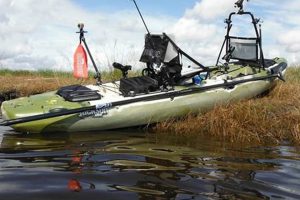
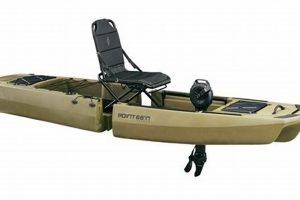
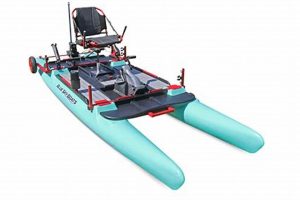
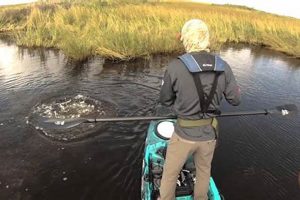
The Ascend 128T is a sit-on-top kayak designed specifically for angling. It features a stable, flat-bottomed hull, ample storage for fishing gear, and integrated rod holders. This type of watercraft provides anglers with a hands-free fishing experience, allowing for easy casting and retrieval while maintaining stability. The “T” designation often refers to a specific feature set or trim level within the Ascend kayak lineup.
Such specialized kayaks offer distinct advantages over traditional recreational kayaks or other fishing boats. Their stability and specialized features enhance the fishing experience by providing a dedicated platform for anglers to access shallow waters, maneuver easily, and carry all necessary equipment. The evolution of fishing kayak design has led to increased comfort, stability, and functionality, allowing for longer and more productive fishing trips.
This discussion will further explore specific features, benefits, and potential drawbacks of this type of fishing platform, including a comparison to other similar models and an overview of essential accessories. Further topics will cover proper usage, maintenance, and safety considerations for operating this type of vessel.
Tips for Utilizing a Fishing Kayak
Proper utilization of a fishing kayak maximizes angling success and ensures safety on the water. The following tips offer valuable insights into optimizing the fishing kayak experience.
Tip 1: Pre-Trip Planning: Consult weather forecasts and water conditions before embarking on any kayaking trip. Pack essential safety gear, including a personal flotation device (PFD), a whistle, and a communication device.
Tip 2: Weight Distribution: Distribute weight evenly within the kayak to maintain stability. Secure gear properly to prevent shifting during movement. Consider using dry bags to protect electronics and other sensitive items.
Tip 3: Paddle Technique: Utilize efficient paddling techniques to conserve energy and maximize speed. Practice proper posture and paddle strokes to minimize strain and improve performance.
Tip 4: Anchor Positioning: Learn proper anchoring techniques to maintain position in desired fishing locations. Consider using a drift sock or stake-out pole in shallow water environments.
Tip 5: Fish Handling: Exercise caution when handling fish from a kayak. Use appropriate tools and techniques to minimize stress on both the fish and the angler. Practice catch-and-release methods whenever possible.
Tip 6: Navigation and Awareness: Carry a map or GPS device and familiarize oneself with the area before setting out. Be mindful of other watercraft and potential hazards, such as changing tides or currents.
Tip 7: Post-Trip Care: Rinse the kayak thoroughly with fresh water after each use to remove salt, sand, and other debris. Store the kayak properly to protect it from damage and prolong its lifespan.
Adhering to these guidelines promotes safe and efficient kayak operation, leading to a more enjoyable and productive fishing experience.
This information provides a foundational understanding of fishing kayak utilization. Consult additional resources and seek expert advice to further enhance knowledge and skills.
1. Stability

Stability represents a critical performance characteristic in fishing kayaks, directly influencing angler safety and fishing effectiveness. For the Ascend 128T, stability contributes significantly to its suitability as a fishing platform, enabling anglers to cast, retrieve, and land fish without compromising balance. Examining specific facets of stability provides deeper insight into its significance for this particular kayak model.
- Hull Design:
The Ascend 128T typically features a flat-bottomed hull or a modified tunnel hull design. This design element provides inherent stability, particularly in calm waters, making it less susceptible to tipping. The wider beam also contributes to primary stability, resisting initial tilting motions. This allows anglers to shift weight, stand up briefly (if the kayak is designed for it), and handle fish more confidently.
- Center of Gravity:
The kayak’s center of gravity plays a crucial role in overall stability. The Ascend 128T’s design typically positions the seat relatively low, contributing to a lower center of gravity. This low center of gravity improves secondary stability, the ability to recover from larger tilting forces, which becomes essential when battling strong currents, wind, or unexpected movements during fishing activities.
- Weight Capacity:
The Ascend 128T possesses a specified weight capacity, which directly correlates to stability. Exceeding this capacity compromises stability and increases the risk of capsizing. Understanding and adhering to the manufacturer’s recommended weight limit ensures optimal performance and maintains safe operational parameters. Distributing weight evenly within the kayak further enhances stability.
- Water Conditions:
While the inherent design of the Ascend 128T contributes to stability, prevailing water conditions also exert significant influence. Calm lakes and slow-moving rivers provide optimal environments for maximizing the kayak’s stability characteristics. Conversely, rough waters, strong currents, and windy conditions can challenge stability, requiring increased vigilance and careful maneuvering. Adapting techniques to the specific water conditions enhances safety and maintains optimal stability.
The convergence of these stability factors contributes significantly to the Ascend 128T’s effectiveness as a fishing platform. Understanding these factors allows anglers to maximize their performance, maintain safety, and fully appreciate the design considerations that contribute to the kayak’s overall stability.
2. Maneuverability

Maneuverability in a fishing kayak directly impacts an angler’s ability to navigate various water conditions and access desired fishing locations. For the Ascend 128T, maneuverability considerations become crucial, especially given its length and intended use in diverse aquatic environments. Examining key facets of maneuverability provides insights into its significance for this specific kayak model.
- Hull Design:
The Ascend 128T’s hull design plays a pivotal role in its maneuverability. While a wider, flatter hull enhances stability, it can sometimes compromise turning responsiveness. The specific hull design of the 128T, often a modified tunnel hull or similar, attempts to balance stability with maneuverability. Understanding the trade-offs inherent in hull design informs expectations regarding turning performance and responsiveness to paddle input.
- Length and Weight:
At approximately 12 feet long, the Ascend 128T falls within the longer range of fishing kayaks. This length contributes to tracking performance, allowing the kayak to maintain a straight course efficiently. However, longer kayaks generally require more effort to turn sharply. The kayak’s weight, including any added gear, also influences maneuverability. Heavier kayaks require more force to initiate and execute turns.
- Water Conditions:
Prevailing water conditions significantly influence maneuverability. Calm, flat water allows for predictable and responsive handling. However, wind, currents, and waves can impact tracking and turning performance, demanding adjustments in paddling technique. Understanding how the Ascend 128T responds to varying water conditions allows anglers to anticipate and adapt their approach for optimal maneuverability.
- Paddle Type and Technique:
The type of paddle used and the angler’s paddling technique contribute significantly to maneuverability. Longer paddles with wider blades generate more power, facilitating quicker turns. Proper paddling techniques, such as sweep strokes and draws, enhance turning efficiency. Developing proficient paddling skills maximizes the Ascend 128T’s inherent maneuverability potential.
The interplay of these factors defines the Ascend 128T’s maneuverability profile. Considering these aspects allows anglers to make informed decisions about its suitability for their intended fishing environments and paddling style. Evaluating maneuverability alongside stability provides a comprehensive understanding of the kayak’s on-water performance characteristics.
3. Storage Capacity

Storage capacity in a fishing kayak directly impacts its practicality and the angler’s ability to carry essential gear. For the Ascend 128T, storage considerations become paramount, as anglers often require ample space for tackle boxes, rods, safety equipment, and personal items. Analyzing the storage features of the 128T reveals its capacity to accommodate these needs and enhance the overall fishing experience.
- Front Hatch:
The Ascend 128T typically features a front hatch providing accessible storage for frequently used items. This compartment often includes a waterproof bulkhead to protect gear from splashes and rain. Its location allows for easy access without requiring the angler to reach behind or significantly shift their weight, maintaining stability. Typical items stored in the front hatch include small tackle boxes, fishing tools, and safety gear like a first-aid kit.
- Rear Tankwell:
A rear tankwell offers open storage space behind the seat, ideal for larger items like a cooler, crate, or dry bag. Bungee cords typically secure gear in the tankwell, preventing movement during transit and rough water conditions. This area accommodates bulkier items less frequently accessed during fishing, maximizing space utilization and maintaining a balanced kayak setup.
- Side Storage:
Many Ascend 128T models incorporate side storage compartments or pockets, often located near the seat. These smaller compartments provide convenient access to essential items like pliers, line cutters, or sunscreen. They contribute to efficient organization and minimize the need to rummage through larger storage areas while on the water.
- Rod Holders:
Integrated rod holders constitute an essential component of fishing kayak storage. The Ascend 128T typically includes flush-mounted rod holders and adjustable rod holders. Flush-mounted rod holders offer a streamlined profile when not in use, while adjustable rod holders allow for positioning rods at various angles for trolling or specific fishing techniques. These dedicated storage solutions enhance organization and keep rods readily accessible while maintaining a clear deck space.
The combination of these storage features contributes significantly to the Ascend 128T’s practicality as a fishing platform. Analyzing the specific storage solutions provides insights into the kayak’s capacity to accommodate diverse gear requirements and enhance overall fishing efficiency. The strategic placement and design of storage compartments contribute to a well-organized and accessible system, maximizing angler convenience and promoting a successful fishing experience.
4. Comfort

Comfort significantly influences angler endurance and overall enjoyment during extended fishing trips. In the context of the Ascend 128T fishing kayak, comfort features contribute directly to the angler’s ability to remain on the water for longer periods, maximizing fishing opportunities and minimizing fatigue. Examining the specific comfort-related aspects of the 128T provides a deeper understanding of its suitability for prolonged use.
- Seat Design:
The seat design plays a crucial role in overall comfort. The Ascend 128T typically features an adjustable seat with padding and breathable fabric. Adjustability allows anglers to customize the seat position for optimal back support and paddling posture. Adequate padding minimizes pressure points and enhances comfort during prolonged sitting. Breathable fabric promotes ventilation, reducing heat buildup and moisture accumulation, particularly in warm weather conditions.
- Footrests:
Adjustable footrests contribute to both comfort and paddling efficiency. Proper foot placement allows for effective leverage and power transfer during paddling, reducing fatigue and improving performance. Adjustable footrests accommodate varying leg lengths, ensuring a comfortable and ergonomic paddling position for a wider range of anglers. Secure and stable footrests enhance stability and control, particularly in challenging water conditions.
- Deck Padding:
Deck padding provides a comfortable surface for standing, sitting, and re-entering the kayak. Standing occasionally can alleviate fatigue during long fishing trips. Padding offers cushioning and traction, enhancing stability and reducing the risk of slips. The Ascend 128T’s deck padding often features textured surfaces to improve grip and drainage, enhancing comfort and safety.
- Ergonomics:
The overall ergonomics of the kayak contribute significantly to long-term comfort. The placement of the seat, footrests, and other features influences posture and paddling efficiency. A well-designed kayak minimizes strain on the back, arms, and legs, allowing anglers to maintain a comfortable position for extended periods. Considerations such as cockpit width and deck height also contribute to the overall ergonomic experience and influence long-term comfort.
The convergence of these comfort-related features influences the Ascend 128T’s suitability for extended fishing trips. Evaluating these features alongside performance characteristics provides a comprehensive understanding of the kayak’s overall utility. Prioritizing comfort enhances the fishing experience, allowing anglers to focus on their technique and maximize time on the water.
5. Durability

Durability represents a critical factor in the overall value and lifespan of a fishing kayak, especially one intended for diverse environments like the Ascend 128T. This characteristic directly influences the kayak’s ability to withstand the rigors of regular use, including impacts, abrasion, and exposure to various environmental factors. Understanding the durability aspects of the Ascend 128T provides insights into its long-term performance and resilience.
The construction material significantly influences durability. Ascend kayaks typically utilize rotomolded polyethylene, a high-density plastic known for its impact resistance and durability. This material offers resilience against rocks, submerged obstacles, and accidental impacts during transport or launching. Rotomolded polyethylene also exhibits resistance to UV degradation, a crucial factor for kayaks frequently exposed to sunlight. The thickness of the polyethylene used in the hull and deck further contributes to overall durability, with thicker constructions generally offering increased resistance to punctures and damage. UV resistance and impact strength contribute significantly to the kayak’s ability to maintain structural integrity over time, reducing the need for frequent repairs and extending its usable lifespan. Proper care and maintenance further enhance the inherent durability of the materials, preserving the kayak’s condition and extending its useful life.
While rotomolded polyethylene offers inherent durability, specific design features further enhance the Ascend 128T’s resilience. Reinforced areas, such as the keel and stern, provide additional protection against abrasion and impact in high-wear zones. The quality of hardware, including handles, latches, and inserts, also contributes to overall durability. Corrosion-resistant hardware ensures long-term functionality and minimizes the risk of failure in critical components. Examining these design elements provides a comprehensive understanding of the kayak’s ability to withstand the demands of regular fishing excursions. Investing in a durable kayak, like the Ascend 128T, often translates to long-term cost savings by minimizing repair expenses and extending the kayak’s usable life. Durability ensures reliable performance over time, allowing anglers to focus on fishing rather than equipment maintenance or concerns about potential damage.
6. Fishing Features

Dedicated fishing features distinguish specialized fishing kayaks from recreational models. These features enhance angling efficiency and contribute significantly to the overall fishing experience. In the context of the Ascend 128T fishing kayak, analyzing these specialized features provides insights into its suitability for various fishing styles and techniques.
- Rod Holders:
Rod holders provide secure storage and convenient access to fishing rods. The Ascend 128T typically features multiple rod holders, including flush-mounted rod holders for trolling or storing rods when not in use, and adjustable rod holders for active fishing. These features allow anglers to maintain multiple lines in the water or keep rods readily accessible while paddling or maneuvering the kayak. The positioning and types of rod holders influence fishing techniques and overall versatility.
- Tackle Storage:
Dedicated tackle storage compartments keep essential fishing gear organized and readily accessible. The Ascend 128T often includes compartments designed specifically for tackle boxes, trays, and other small items. These compartments may feature waterproof seals or closures to protect gear from moisture and splashes. Efficient tackle storage minimizes clutter and allows anglers to quickly locate and change lures or rigs without disrupting their fishing flow.
- Fish Finder Mounts:
Many Ascend 128T kayaks incorporate mounting points or integrated systems for fish finders. These electronic devices utilize sonar technology to locate fish and map underwater structures, providing valuable information for anglers. Integrated mounting systems streamline installation and minimize cable clutter. The ability to easily integrate a fish finder enhances fishing success by providing real-time data about underwater environments.
- Other Fishing-Specific Features:
Additional features might include paddle parks or clips to secure the paddle while fishing, anchor trolleys for controlled drifting, and gear tracks for mounting accessories like cameras or rod holders. These specialized features contribute to the overall fishing experience by enhancing convenience, organization, and efficiency. The presence and design of these features influence the kayak’s adaptability to various fishing styles and techniques.
The integration of these fishing-specific features positions the Ascend 128T as a dedicated fishing platform, distinct from recreational kayaks. The strategic placement and design of these features enhance angling efficiency, allowing anglers to focus on fishing rather than equipment management. Understanding these features informs purchasing decisions and allows anglers to select a kayak best suited to their specific fishing needs and preferences.
Frequently Asked Questions
This section addresses common inquiries regarding the Ascend 128T fishing kayak, providing concise and informative responses to facilitate informed decision-making.
Question 1: What is the weight capacity of the Ascend 128T?
The weight capacity typically ranges between 400-500 lbs., though specific model variations may exist. Consulting the manufacturer’s specifications provides precise figures.
Question 2: Is the Ascend 128T suitable for use in saltwater environments?
Yes, the kayak’s rotomolded polyethylene construction exhibits resistance to saltwater corrosion. However, thorough rinsing with fresh water after each use is recommended to maximize lifespan.
Question 3: Can a motor be installed on the Ascend 128T?
While not all models come pre-equipped for motor installation, some variants offer motor mounts or the capability for aftermarket installation. Verifying model-specific compatibility is essential before motor installation.
Question 4: What is the overall length and width of the Ascend 128T?
The kayak typically measures approximately 12 feet in length and 32-34 inches in width. Minor variations may exist depending on the specific model year and trim level.
Question 5: How does the Ascend 128T perform in windy conditions?
The kayak’s stability and length contribute to reasonable tracking in moderate wind. However, strong winds can impact maneuverability. Utilizing appropriate paddling techniques and considering prevailing wind conditions before embarking on any trip is recommended.
Question 6: What accessories are commonly recommended for the Ascend 128T?
Commonly recommended accessories include a personal flotation device (PFD), a paddle leash, an anchor, a dry bag for personal items, and a fishing rod holder extension. Specific accessory choices depend on individual angling preferences and needs.
Understanding these key aspects facilitates informed evaluation of the Ascend 128T and its suitability for individual angling requirements. Further research and consultation with authorized dealers can provide additional clarification and address specific concerns.
The following sections will offer in-depth reviews and comparisons, providing additional perspectives on the Ascend 128T and its position within the fishing kayak market.
Conclusion
Analysis of the Ascend 128T fishing kayak reveals a platform designed for angling versatility. Its stability, specialized storage, and fishing-focused features cater to diverse angling styles and environments. While maneuverability considerations arise due to its length, the kayak’s design seeks to balance stability with responsiveness. Durability, attributed to rotomolded polyethylene construction, contributes to its long-term value. Understanding these core attributes empowers informed purchasing decisions aligned with individual angler requirements.
Careful consideration of individual needs and preferences remains crucial in kayak selection. The Ascend 128T presents a compelling option within the fishing kayak market, offering a blend of stability, features, and durability. Further research, including hands-on experience and comparison with competing models, solidifies informed decision-making, ultimately leading to a kayak best suited for specific angling pursuits.