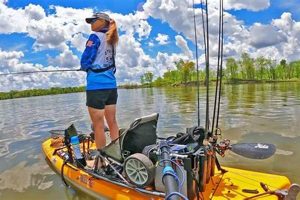
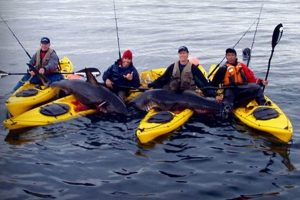
The sport of angling from small, human-powered vessels in the waters surrounding the Florida Keys archipelago offers a unique and rewarding experience. This method allows close-to-water access to diverse marine ecosystems, including shallow flats, mangrove forests, and deeper channels. Anglers often target species such as tarpon, bonefish, permit, snapper, and various other game fish.
This approach provides several advantages. The quiet, non-motorized nature of these vessels allows anglers to approach fish without disturbing them, increasing the chances of a successful catch. Furthermore, their maneuverability permits exploration of shallow, secluded areas inaccessible to larger boats, opening up a wealth of fishing opportunities. The Florida Keys’ rich history of fishing adds another layer of enjoyment, connecting contemporary anglers to generations of past sportsmen. The shallow-water flats and diverse ecosystems have attracted anglers for centuries, establishing a vibrant fishing culture still thriving today.
This article will explore essential aspects of this popular activity, covering topics such as recommended equipment, suitable locations, effective techniques, relevant regulations, and necessary safety precautions.
Tips for Florida Keys Kayak Fishing
Successful angling from kayaks in the Florida Keys requires careful planning and execution. The following tips can enhance safety and improve the chances of a productive fishing experience.
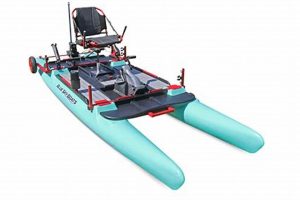
Tip 1: Choose the Right Kayak: Select a kayak designed for stability and fishing, ideally equipped with features like rod holders, storage compartments, and anchor systems. Consider the prevailing conditions and the type of fishing planned when making a selection.
Tip 2: Prioritize Safety Equipment: Always wear a personal flotation device (PFD). Carry essential safety gear, including a whistle, signaling mirror, first-aid kit, and communication device. Check weather forecasts before embarking and be prepared for changing conditions.
Tip 3: Plan Your Route and Fishing Spots: Research potential fishing locations and identify areas known for target species. Consider tides, currents, and wind patterns when planning a route. Utilize nautical charts and GPS devices for navigation.
Tip 4: Pack Essential Gear: Bring appropriate fishing tackle, including rods, reels, lines, lures, and bait suited to the target species. Pack plenty of water, sunscreen, and insect repellent. A hat and polarized sunglasses are also recommended.
Tip 5: Practice Proper Kayak Handling: Familiarize oneself with basic paddling techniques and maneuvering skills before venturing out. Learn how to launch and land a kayak safely and practice recovering from a capsize in calm water.
Tip 6: Respect the Environment: Practice catch-and-release whenever possible. Avoid damaging sensitive habitats like seagrass beds and coral reefs. Pack out all trash and fishing line.
Tip 7: Be Aware of Regulations: Obtain the necessary fishing licenses and permits. Familiarize oneself with local fishing regulations, including size and bag limits for different species. Adhere to all rules and regulations to protect fish populations and maintain a sustainable fishery.
By adhering to these guidelines, anglers can increase their chances of a rewarding and safe fishing experience in the unique waters of the Florida Keys. Careful preparation and responsible practices contribute to both personal enjoyment and the preservation of this valuable ecosystem.
This foundation of practical advice prepares readers for a deeper exploration of specific techniques, locations, and regulations discussed in subsequent sections.
1. Kayak Selection

Appropriate kayak selection is fundamental to a successful and enjoyable fishing experience in the Florida Keys. The chosen vessel must meet the specific demands of this environment, considering factors such as stability, maneuverability, and storage capacity. Careful consideration of these factors ensures anglers can effectively and safely target the diverse fish species inhabiting these waters.
- Stability
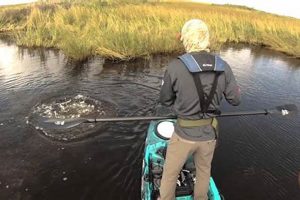
Stability is paramount, especially in the often-challenging conditions of open water and shallow flats. A stable platform allows anglers to cast, reel, and land fish without compromising balance or safety. Wider kayaks with flatter hulls generally offer greater stability, though they may sacrifice some maneuverability. Specialized fishing kayaks frequently incorporate design features that enhance stability, allowing anglers to stand and cast for improved visibility and leverage.
- Maneuverability
Maneuverability is essential for navigating the intricate channels, mangrove forests, and shallow flats characteristic of the Florida Keys. Kayaks with shorter lengths and more defined hulls typically offer greater maneuverability, allowing anglers to quickly change direction and access tight spots. This agility proves advantageous when pursuing fish in complex environments or adapting to changing tides and currents.
- Storage Capacity
Adequate storage is crucial for carrying fishing gear, safety equipment, and personal items. Fishing kayaks often include built-in storage compartments, rod holders, and anchor trolleys. Sufficient storage ensures anglers have readily available access to essential equipment without compromising stability or maneuverability. The quantity and type of gear required may vary depending on the target species and the duration of the fishing trip.
- Propulsion Systems
Kayaks utilize various propulsion systems, each with its own advantages and disadvantages. Paddle kayaks offer a traditional and quiet approach, ideal for stalking fish in shallow water. Pedal kayaks offer hands-free fishing and greater speed, covering more ground efficiently. Motorized kayaks provide the greatest range and speed, allowing access to distant fishing grounds, but they introduce noise and require additional maintenance. The best choice depends on individual fishing style, physical capabilities, and target fishing areas.
The optimal kayak selection depends on individual angler preferences, target species, and prevailing conditions. Balancing stability, maneuverability, and storage capacity ultimately contributes to a safer and more productive fishing excursion in the diverse waters of the Florida Keys. Evaluating these factors ensures a suitable vessel for navigating the unique challenges and opportunities this environment presents.
2. Target Species

The diverse fish populations of the Florida Keys significantly influence the strategies and equipment choices employed in kayak fishing. Target species, ranging from the elusive bonefish to the powerful tarpon, dictate specific tackle, techniques, and location selection. Understanding the habits and habitats of these species is crucial for a successful fishing experience.
For instance, bonefish, prized for their challenging fight and subtle takes, inhabit shallow flats and require stealthy approaches. Light tackle, delicate presentations, and a keen understanding of tidal movements are essential for pursuing these fish. In contrast, tarpon, known for their acrobatic leaps and powerful runs, demand heavier tackle and robust fishing techniques. Targeting these larger game fish necessitates specialized rods, reels, and lines capable of withstanding their strength. Other popular species, such as permit, snapper, and barracuda, each present unique challenges and require tailored approaches.
Effective kayak fishing in the Florida Keys requires a comprehensive understanding of target species’ behavior, preferred habitats, and feeding patterns. This knowledge informs decisions regarding kayak selection, tackle configuration, and location scouting. Matching equipment and techniques to the target species significantly increases the likelihood of a successful and rewarding fishing trip. Furthermore, respecting size and bag limits for each species contributes to the long-term sustainability of these valuable fisheries.
3. Location Scouting

Effective location scouting is paramount for successful kayak fishing in the Florida Keys. The archipelago’s diverse ecosystem presents a vast array of potential fishing spots, each offering unique opportunities and challenges. Understanding how to identify productive locations is directly linked to an angler’s ability to target specific species and maximize catch rates. Factors such as water depth, bottom structure, tidal currents, and proximity to vegetation significantly influence fish distribution and behavior. For example, shallow flats with seagrass beds attract bonefish and permit, while deeper channels and mangrove edges hold snapper and snook. Utilizing nautical charts, satellite imagery, and local fishing reports aids in identifying promising areas. Furthermore, observing bird activity, baitfish schools, and other natural indicators can provide valuable insights into fish presence.
Practical application of location scouting involves more than simply identifying potential fishing spots; it requires understanding how these locations change with varying tides and weather conditions. Incoming tides may flood shallow flats, creating prime feeding grounds for bonefish, while outgoing tides concentrate fish in channels and deeper cuts. Wind direction and speed influence water clarity and create current patterns that affect fish behavior and presentation techniques. Scouting trips, either on the water or through virtual exploration using online resources, allow anglers to familiarize themselves with an area’s characteristics and anticipate how these will change throughout the day. This proactive approach allows for efficient use of fishing time and increases the likelihood of encountering target species.
Successful kayak fishing in the Florida Keys hinges on thorough location scouting. The ability to analyze environmental factors, interpret natural indicators, and adapt to changing conditions significantly enhances fishing success. This preparation empowers anglers to strategically target specific species, optimize fishing techniques, and ultimately enjoy a more rewarding experience within the complex and dynamic ecosystem of the Florida Keys.
4. Tidal Influence
Tidal influence exerts a profound impact on kayak fishing within the Florida Keys. Water movement associated with tidal cycles dictates fish behavior, accessibility to fishing grounds, and the effectiveness of various angling techniques. Understanding these tidal rhythms is crucial for maximizing fishing success in this dynamic environment. The rising and falling tides reshape the underwater landscape, creating currents that carry food sources and influence fish movement. For instance, rising tides flood shallow flats, providing access to previously inaccessible areas and concentrating baitfish, attracting predatory species like bonefish and permit. Conversely, falling tides concentrate fish in channels and deeper holes, creating prime ambush points for species such as snapper and grouper. Awareness of tidal flows allows anglers to position themselves strategically, intercepting fish as they move with the current. Furthermore, tidal influence dictates the presentation of lures and bait, requiring adjustments in retrieval speed and depth to match the prevailing conditions.
Practical application of tidal knowledge requires consultation of tide charts specific to the Florida Keys region. These charts predict high and low tide times, enabling anglers to plan fishing trips around optimal tidal stages for their target species. Consider a scenario targeting bonefish on a shallow flat: arriving an hour before peak high tide allows anglers to access the flat as it floods, encountering bonefish actively feeding on crustaceans and baitfish carried by the rising tide. Conversely, fishing for snapper near a channel during a falling tide concentrates these fish in deeper water, increasing the chances of a successful catch. Ignoring tidal influence can lead to unproductive fishing trips, with anglers finding themselves in areas devoid of fish or struggling to present lures effectively against strong currents.
Tidal influence represents a fundamental element of successful kayak fishing in the Florida Keys. Understanding tidal cycles, their impact on fish behavior, and their influence on fishing locations is essential for optimizing angling strategies. By incorporating tidal knowledge into pre-trip planning and on-the-water decision-making, anglers significantly enhance their chances of a productive and rewarding fishing experience. This understanding allows for strategic positioning, effective presentation techniques, and ultimately, a deeper connection with the dynamic marine environment of the Florida Keys.
5. Safety Procedures
Safety procedures are paramount in kayak fishing within the Florida Keys. The environment presents inherent risks, including changing weather conditions, strong currents, and encounters with marine life. Neglecting safety protocols can lead to serious consequences, ranging from minor injuries to life-threatening situations. A comprehensive understanding of and adherence to safety measures significantly mitigates these risks, allowing for a more enjoyable and secure fishing experience.
Consider the scenario of a sudden squall developing while fishing several miles offshore. Without proper safety equipment, such as a personal flotation device (PFD), a VHF radio, and a signaling device, an angler faces significant danger. A PFD provides essential buoyancy in the event of a capsize, while a VHF radio allows communication with the Coast Guard or other boaters. A signaling device, such as a flare or mirror, enhances visibility and aids in location and rescue. Similarly, understanding weather patterns and having a float plan filed with a responsible individual ashore can prevent hazardous situations altogether. Ignoring these precautions can transform an enjoyable fishing trip into a perilous ordeal.
Practical application of safety procedures extends beyond simply carrying the necessary equipment. Regularly checking weather forecasts before embarking, informing someone of intended fishing locations and estimated return times, and understanding basic navigation principles contribute to a safer experience. Furthermore, carrying a first-aid kit equipped to handle common fishing-related injuries, such as hook removals and minor cuts, adds another layer of preparedness. Consistent adherence to these practices underscores a commitment to personal safety and allows anglers to focus on the enjoyment of the sport, minimizing potential risks associated with kayak fishing in the often-challenging environment of the Florida Keys.
6. Equipment Essentials
Appropriate equipment is essential for a safe and productive kayak fishing experience in the Florida Keys. The unique environment, characterized by diverse fish species, varying water conditions, and potential exposure to the elements, necessitates careful selection of gear. Essential equipment encompasses not only fishing tackle but also safety gear, navigational aids, and personal items that contribute to both comfort and preparedness.
- Fishing Tackle
Fishing tackle selection depends on the target species. Light to medium-weight spinning or fly rods are typically suitable for bonefish, permit, and snapper. Heavier tackle is required for tarpon and other large game fish. Appropriate reels, lines, lures, and terminal tackle should be chosen based on the target species and the prevailing fishing conditions. A variety of lures, including jigs, soft plastics, and flies, can be effective, while live or cut bait often proves productive. Specialized equipment, such as shallow-water anchors and drift chutes, can enhance fishing success in specific situations.
- Safety Gear
Safety gear is non-negotiable. A personal flotation device (PFD) is essential and should be worn at all times. A whistle, signaling mirror, and VHF radio are crucial for communication in emergencies. A first-aid kit equipped with essential supplies, including sunscreen, insect repellent, and motion sickness medication, contributes to overall well-being. A waterproof bag or container protects electronic devices and important documents from water damage.
- Navigation and Electronics
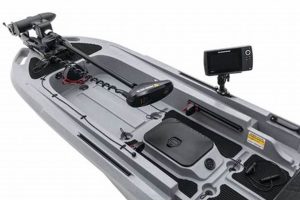
Navigation tools are vital for safe and efficient exploration of the Florida Keys. Nautical charts and a GPS device or smartphone with a reliable navigation app help anglers navigate channels, avoid hazards, and locate fishing spots. A fish finder or depth sounder aids in identifying underwater structures and locating fish. A waterproof camera allows for capturing memorable moments and documenting catches. A headlamp or flashlight provides illumination during low-light conditions.
- Personal Comfort and Clothing
Personal comfort items contribute significantly to an enjoyable day on the water. Polarized sunglasses reduce glare and improve visibility, while a wide-brimmed hat protects from the sun. Quick-drying clothing and rain gear provide comfort in varying weather conditions. Wading boots or water shoes protect feet and provide traction on slippery surfaces. A cooler with food and beverages, especially water, is essential for staying hydrated and energized throughout the day. A dry bag provides a waterproof storage solution for personal items.
Careful consideration of equipment needs is integral to successful kayak fishing in the Florida Keys. Selecting appropriate gear, from fishing tackle tailored to target species to essential safety equipment and navigational aids, ensures a safe, productive, and ultimately rewarding experience. Adequate preparation empowers anglers to focus on the enjoyment of the sport, minimizing potential challenges and maximizing opportunities within this unique and dynamic fishing environment.
Frequently Asked Questions
This section addresses common inquiries regarding kayak fishing in the Florida Keys, providing concise and informative responses to facilitate informed decision-making and enhance the overall fishing experience.
Question 1: What are the essential safety precautions for kayak fishing in the Florida Keys?
Essential safety precautions include wearing a personal flotation device (PFD), carrying a VHF radio, filing a float plan, checking weather forecasts, and being aware of tidal currents and potential hazards like shallow water or reefs. Carrying a first-aid kit, signaling devices, and ample water is also recommended.
Question 2: What fishing license is required for kayak fishing in the Florida Keys?
A Florida saltwater fishing license is generally required. Specific regulations and exemptions can vary, so checking the Florida Fish and Wildlife Conservation Commission (FWC) website for current requirements is advised.
Question 3: What are the best times of year for kayak fishing in the Florida Keys?
Fishing can be productive year-round, but certain species have peak seasons. Tarpon are typically targeted in spring and summer, while bonefish and permit are often sought throughout the year. Researching target species’ seasonal patterns is recommended.
Question 4: What are the recommended kayak features for fishing in the Florida Keys?
Recommended features include stability for casting and reeling, ample storage for gear, rod holders, an anchor system, and a comfortable seat. Propulsion systems (paddle, pedal, or motor) depend on individual preference and fishing style.
Question 5: What are the common target species for kayak anglers in the Florida Keys?
Common target species include tarpon, bonefish, permit, snapper, grouper, snook, redfish, and barracuda. The choice of target species influences tackle and location selection.
Question 6: Where can one find reliable information on tides and currents in the Florida Keys?
Reliable tide and current information can be obtained from nautical charts, online tide prediction websites, smartphone applications, and local bait and tackle shops. Consulting multiple sources ensures accuracy.
Careful consideration of these frequently asked questions, coupled with thorough preparation and responsible fishing practices, significantly contributes to a safer, more informed, and ultimately more rewarding kayak fishing experience in the Florida Keys.
For further information and detailed guidance on specific aspects of kayak fishing in the Florida Keys, consult local fishing guides, reputable outfitters, or the Florida Fish and Wildlife Conservation Commission.
Kayak Fishing Florida Keys
This exploration of kayak fishing in the Florida Keys has highlighted the unique opportunities and inherent challenges this activity presents. From the selection of appropriate kayaks and essential safety procedures to the understanding of tidal influences and target species behavior, informed preparation is crucial for a successful and rewarding experience. Effective location scouting, combined with a comprehensive understanding of necessary equipment and adherence to regulations, empowers anglers to navigate this dynamic environment responsibly and sustainably.
The Florida Keys ecosystem offers exceptional fishing opportunities, demanding respect and mindful engagement. Continued exploration and a commitment to conservation practices will ensure the preservation of this valuable resource for future generations of kayak anglers. Diligent preparation and a focus on ethical angling contribute not only to personal enjoyment but also to the long-term health and vitality of this remarkable fishery.